TL;DR
Prime for Young Adults — start your free trial
Fast free delivery, streaming and member deals for eligible 18–24 year olds.
Try it freeAs an affiliate, we earn on qualifying purchases.
Daily cleaning prevents dirt buildup and maintains hygiene, especially in high-traffic areas. Weekly cleaning deepens sanitation and preserves floors. Matching routine to your floors and lifestyle saves time and extends their life.
Imagine walking into your home after a busy day. Your floors look fine — but beneath the surface, dirt, dust, and allergens are quietly accumulating. Do you really need to mop or vacuum every single day? Or is weekly cleaning enough to keep your floors fresh and safe?
This guide cuts through the hype. You’ll learn what your floors actually need based on surface type, household traffic, and health concerns. Plus, practical tips for creating a cleaning routine that’s effective, safe, and sustainable, without wasting your time or risking damage.
Match your cleaning frequency to your floor type and household activity — high-traffic areas need daily attention, others less often.
Use appropriate tools — a lightweight vacuum or broom for daily maintenance, steam mops or microfiber for deep cleaning.
Avoid over-cleaning hardwood floors; gentle, surface-appropriate methods prevent damage and preserve shine.
Incorporate smart devices for convenience on busy days, but don’t rely solely on automation for thorough cleaning.
Recognize signs that indicate professional deep cleaning is needed, like stubborn stains or persistent odors.
Daily vs Weekly Floor Cleaning: What You Actually Need
Your floors look fine — but beneath the surface, dirt, dust, and allergens are quietly accumulating. This guide matches cleaning frequency to your floor type, household traffic, and health concerns, so you save time and extend your floors’ life.
Why Daily Cleaning Matters for Some Floors (And Not Others)
Daily cleaning isn’t one-size-fits-all. For some surfaces it’s essential; for others, it’s overkill that risks wear. Think of it like brushing your teeth: daily brushing keeps plaque away, while a deeper clean once a week maintains overall health.
High-Traffic Areas
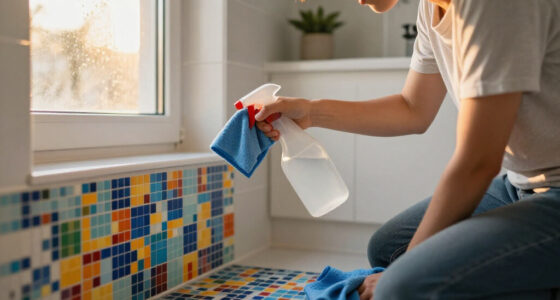
Entryways and kitchens collect gritty debris fast. A daily quick sweep or vacuum prevents dirt from settling in, protects the floor finish from micro-abrasions, and keeps allergens at bay.
Living Spaces
Lounges and hallways need regular but gentler attention. Homes with pets or young children should lean toward daily vacuuming — fur and dander buildup can be significant.
Rarely-Used Rooms
Guest bedrooms and storage areas gather little dirt — a monthly deep clean is usually enough. Over-cleaning delicate hardwood obsessively wastes time and causes scratches and dulling.
How Often Should You Vacuum, Sweep, or Mop?
Rule of thumb: vacuum or sweep high-traffic zones daily or every other day, and mop weekly. Dirt acts like abrasive particles — removing it regularly prevents micro-abrasions that dull the finish.
| Room Type | Vacuum / Sweep | Mop / Deep Clean |
|---|---|---|
| Entryway / Kitchen | Daily or every other day | Weekly |
| Lounge / Living Room | Every 2–3 days | Bi-weekly |
| Bedroom | Once a week | Monthly or quarterly |
| Basement / Storage | Bi-weekly | As needed |
“Adapt the schedule to your household — pets, children, or hobbies — to prevent dirt buildup and extend the life of your floors.”
Tailored Routine · Prevents Over- and Under-CleaningChoosing the Right Tools for Daily and Weekly Cleaning
The tools you pick make all the difference. Regular maintenance tools reduce the need for frequent deep cleans — saving time and effort while protecting your floors.
Daily Quick Clean
Lightweight vacuum or quality broom with strong suction and easy maneuverability for fast maintenance.
Weekly Deep Clean
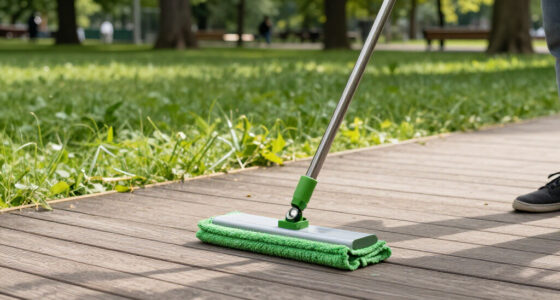
Steam mop or microfiber mop with suitable solutions lifts stubborn dirt without harsh chemicals.
Surface Check
Always follow manufacturer guidance — steam can warp laminate and excessive moisture damages hardwood.
Smart Assistance
Robotic vacuums and mops can be scheduled daily for convenience — but don’t rely solely on automation.
Recommended Cleaning Frequency by Surface
Tile and vinyl tolerate frequent cleaning; hardwood and laminate need gentle, surface-appropriate methods; carpet demands frequent vacuuming with occasional deep extraction.
Daily Cleaning: When It’s Worth It — And When It Backfires
Daily cleaning is a game-changer in busy households — but only with moderation and gentle, surface-appropriate methods. It’s about preventing dirt from becoming ingrained, not scrubbing deep every day.
Where Daily Wins
- Stops dirt, dust, and pet fur from settling in and becoming ingrained
- Removes abrasive grit before it scratches tile or hardwood finishes
- Reduces allergens and dander — vital for allergy sufferers and kids
- Quick and light: a sweep or vacuum takes minutes, not hours
Where It Backfires
- Excessive mopping with harsh chemicals dulls hardwood finishes
- Too much water causes swelling, warping, and finish deterioration
- Abrasive tools strip protective layers from delicate surfaces
- Wastes time in low-traffic rooms that need far less attention
Why Weekly Deep Cleaning Is Your Floor’s Best Friend
Weekly cleaning isn’t just about appearance — it’s thorough sanitation. A weekly steam mop session on tile or vinyl lifts stubborn stains, kills germs, revitalizes the surface, and extends flooring lifespan by preventing dirt from scratching or dulling the finish.
Watch for the signs it’s time for professional deep cleaning: stubborn stains, persistent odors, or visible dulling that routine cleaning no longer lifts.
Signal Check · Monthly or Quarterly CycleWhy Daily Cleaning Matters for Some Floors (And Not Others)
Daily cleaning isn’t a one-size-fits-all rule. For some surfaces, it’s essential. For others, it’s overkill.
High-traffic areas like entryways and kitchens get dirty fast. A quick sweep or vacuum every day prevents dirt from settling in and keeps allergens at bay. For example, in a home with pets, daily fur and dander buildup can be significant — requiring more frequent attention.
On the flip side, a guest bedroom with seldom-used floors may only need a deep clean once a month. Over-cleaning can wear down delicate surfaces like hardwood if done obsessively, and it wastes time when not necessary.
Think of it like brushing your teeth: daily brushing keeps plaque away, but a deep cleaning once a week is enough to maintain overall oral health. Your floors work the same way.
Why does this matter? Because over-cleaning can cause unnecessary wear, especially on delicate surfaces like hardwood or laminate, which are prone to scratches, warping, or dulling if exposed to too much moisture or abrasive cleaning tools. Conversely, neglecting high-traffic zones allows dirt, grit, and allergens to accumulate, leading to faster deterioration and potential health issues. Striking the right balance ensures longevity and safety.
best microfiber mop for hardwood floors
As an affiliate, we earn on qualifying purchases.
As an affiliate, we earn on qualifying purchases.
How Often Should You Vacuum, Sweep, or Mop? The Real Schedule
Here’s a simple rule of thumb: vacuum or sweep high-traffic zones daily or every other day, and mop weekly. Less-used rooms can stretch to bi-weekly or monthly cleaning.
Why does this schedule matter? Because dirt and debris act like abrasive particles that can scratch and dull your floors over time. Regular removal of dirt prevents these micro-abrasions, which accumulate and degrade the surface finish. For example, in a busy kitchen, daily sweeping removes gritty crumbs and pet fur that could scratch tiles or hardwood, protecting your investment and maintaining a hygienic environment.
On the other hand, infrequently used spaces like a basement or guest room tend to gather less dirt, but neglecting them for too long allows dust and mold to settle, potentially leading to odors or deterioration. Having a flexible schedule tailored to use prevents both over- and under-cleaning.
Here’s a detailed example schedule:
| Room Type | Vacuum/Sweep | Mop/Deep Clean |
|---|---|---|
| Entryway / Kitchen | Daily or every other day | Weekly |
| Lounge / Living Room | Every 2-3 days | Bi-weekly |
| Bedroom | Once a week | Monthly or quarterly |
| Basement / Storage | Bi-weekly | As needed |
Adapting this schedule based on household specifics—like pets, children, or hobbies—can prevent dirt buildup and extend the life of your floors. Ignoring this can lead to stubborn stains, scratches, or even mold growth, which are costly and difficult to repair. Regular, tailored cleaning not only preserves the appearance but also safeguards your health and investment.
automatic vacuum cleaner for high-traffic areas
As an affiliate, we earn on qualifying purchases.
As an affiliate, we earn on qualifying purchases.
Choosing the Right Tools for Daily and Weekly Cleaning
The tools you pick make all the difference. For daily quick cleans, a versatile, lightweight vacuum or a good broom works wonders. Look for models with strong suction and easy maneuverability.
For weekly deep cleans, consider a steam mop or a microfiber mop and suitable cleaning solutions. These tools help lift stubborn dirt without harsh chemicals, especially on sensitive surfaces like hardwood or vinyl.
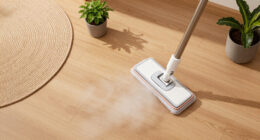
For example, a steam mop gently sanitizes tile and vinyl floors, steaming away daily germs and grime. But always check your floor’s manufacturer guidance before using steam — some surfaces, like laminate, can warp if exposed to excessive moisture.
Remember: regular maintenance tools reduce the need for frequent deep cleans, saving you time and effort. Combining the right tools with a consistent schedule keeps your floors looking fresh and lasting longer.
Choosing the right cleaning tools is crucial because it directly impacts the effectiveness and safety of your routine. Using a mop that’s too abrasive or chemicals that aren’t suitable for your floor type can cause damage or discoloration. Conversely, investing in gentle, appropriate tools enhances cleaning efficiency, prolongs your floors’ lifespan, and prevents unnecessary repair costs.
steam mop for deep cleaning floors
As an affiliate, we earn on qualifying purchases.
As an affiliate, we earn on qualifying purchases.
The Pros and Cons of Daily Cleaning — When It’s Worth It
Daily cleaning can be a game-changer in busy households. It keeps dirt, dust, and pet fur from settling in, which is especially important for allergy sufferers or homes with young children.
However, it’s not always necessary and can sometimes cause wear or damage if done improperly. For example, excessive mopping on hardwood floors with harsh chemicals can dull the finish over time. The key is moderation and using gentle, surface-appropriate methods.
Think of daily cleaning as a way to prevent dirt from becoming ingrained, rather than a routine of scrubbing deep every day. It’s about quick, light maintenance—like wiping down counters or sweeping—rather than deep scrubbing.
In some cases, daily cleaning can backfire. Over-cleaning delicate surfaces or using aggressive chemicals can strip protective layers or cause warping. For instance, using too much water on hardwood or laminate floors can lead to swelling, warping, or finish deterioration. The tradeoff is that while daily cleaning keeps surfaces looking neat, it can inadvertently shorten their lifespan if not done thoughtfully. The secret is to balance frequent light maintenance with proper cleaning techniques tailored to each surface’s needs.
For example, in a pet-friendly home, daily vacuuming reduces fur buildup and allergens, making the environment healthier and more comfortable. But always choose gentle tools and avoid excess moisture to prevent damage.
lightweight cordless vacuum for daily use
As an affiliate, we earn on qualifying purchases.
As an affiliate, we earn on qualifying purchases.
Why Weekly Deep Cleaning Is Your Floor’s Best Friend
Weekly cleaning isn’t just about appearance; it’s about thorough sanitation. Deep cleaning removes built-up dirt, grime, and allergens that daily sweeps miss.
For example, a weekly steam mop session on tile or vinyl floors lifts stubborn stains, kills germs, and revitalizes the surface. It also extends the lifespan of your flooring by preventing dirt from scratching or dulling the finish.
Deep cleaning is especially vital in homes with pets, kids, or people with allergies. It helps maintain a healthy indoor environment and keeps your floors looking their best for years.
Why is this so important? Because routine cleaning only scratches the surface, literally and figuratively. Dirt and grime that aren’t removed can embed into porous surfaces like grout or wood, causing discoloration, deterioration, and odor over time. Deep cleaning penetrates these layers, restoring the surface’s integrity and appearance. Skipping this step can lead to accelerated wear and costly repairs, so investing in regular deep cleans is a proactive way to preserve your floors’ value and health.
How to Develop a Cleaning Routine That Works for You
Creating a routine isn’t about strict schedules — it’s about consistency and adapting to your lifestyle. Start by assessing your household’s activity level and surface types. Then, set realistic goals.
For example, you might plan to sweep or vacuum high-traffic areas every day and do a full mop or steam clean every Saturday. Use reminders or a cleaning calendar to stay on track.
Adjust as needed. If you notice your floors look dull or smell musty, increase cleaning frequency. If they stay clean longer, scale back. The key is to be flexible and attentive to your floors’ needs.
Keeping routines simple and tools accessible makes maintenance less of a chore. For instance, a quick daily sweep followed by a weekly steam mop session can keep your floors in top condition with minimal effort. Regularly reviewing and adjusting your schedule ensures your floors are protected without unnecessary work or risk of damage.
Smart Cleaning Devices: Do They Really Save You Time?
Robotic vacuums and steam mops are making daily cleaning easier. They can be scheduled to run automatically, keeping your floors tidy with minimal effort.
For example, a robot vacuum with smart mapping can cover high-traffic zones daily, reducing your workload. Just set it to run while you’re at work or sleeping.
But they’re not perfect. Some models struggle with thick rugs, cords, or tight corners. Also, they don’t replace deep cleaning but are excellent for maintaining cleanliness between manual sessions.
In households with busy schedules, a smart device can be a real time-saver. Just remember: choosing the right device for your surface type and layout is key. Properly maintained, these tools can extend the intervals between deep cleans and keep your floors looking good longer.
While these devices can significantly reduce your daily effort, they should complement—not replace—your routine. Relying solely on automation might lead to neglecting necessary deep cleans, which are crucial for long-term floor health and hygiene.
Signs You Need a Professional Deep Clean
Sometimes, no matter how often you clean, your floors need a professional touch. Look for signs like stubborn stains, persistent odors, or dull surfaces that won’t respond to routine cleaning.
If your hardwood floors are scratched or warped despite regular care, or your tile grout looks discolored, it’s time to call in experts. They have specialized equipment and cleaning solutions that can restore your floors.
For example, a professional steam cleaning can remove built-up grime in hard-to-reach areas, prolonging your floors’ lifespan. Regular professional cleaning every 6-12 months can prevent costly repairs and restore the original luster of your floors.
Ignoring these signs can lead to irreversible damage, such as deep scratches, warped surfaces, or mold growth, which are costly to repair or replace. Professional deep cleaning not only restores appearance but also maintains structural integrity, ensuring your floors serve you well for years to come.
Balancing Cleaning Frequency and Floor Longevity
Cleaning too often or too aggressively can wear down delicate surfaces, while infrequent cleaning invites dirt damage. The trick is finding a middle ground that preserves your floors’ integrity while keeping them clean.
For example, hardwood floors benefit from gentle sweeping daily and light mopping weekly with pH-neutral cleaners. Excessive moisture or abrasive tools can strip protective finishes or cause warping. Understanding the material’s tolerance helps you avoid costly damage.
Vinyl and laminate floors are more resistant but still benefit from regular dusting and occasional mopping. Using steam cautiously—following manufacturer guidelines—can extend their lifespan without risking warping or discoloration.
The key is to listen to your floors. Dullness, sticky residues, or visible scratches are signs that your routine needs adjustment. Striking a balance between cleanliness and gentle care maximizes lifespan and maintains aesthetic appeal, ultimately saving money and effort over time.
Frequently Asked Questions
How often should I vacuum or sweep my floors?
High-traffic areas like entryways and kitchens benefit from daily vacuuming or sweeping. Less-used rooms can be cleaned every few days or weekly, depending on dirt buildup and household activity.
Is daily mopping necessary, or is weekly enough?
Daily mopping is usually unnecessary unless you have pets or high foot traffic. Most households find that a weekly steam or microfiber mop session keeps floors clean without risking damage.
What cleaning products are safest for hardwood floors?
Use pH-neutral cleaners specifically designed for hardwood, or plain water with a tiny drop of dish soap. Always test in a hidden spot first to avoid warping or dulling the finish.
Can I use the same routine on all rooms?
No. Adjust your routine based on surface type and usage. For example, vinyl and tile are more forgiving, while hardwood needs gentler care.
How do I tell if my floors need professional cleaning?
Look for persistent stains, odors, scratches, or dullness despite regular cleaning. If DIY methods don’t restore their appearance, it’s time to call in professionals for deep cleaning and maintenance.
Conclusion
Finding the right balance between daily and weekly cleaning isn’t about rigid rules — it’s about what your floors need, based on their material, usage, and your household’s rhythm. Regular light maintenance keeps dirt at bay, while deeper cleans protect your investment in your home’s floors.
Think of your cleaning routine as a gentle dance: consistent enough to preserve, flexible enough to suit your life. Your floors will thank you with long-lasting beauty and a healthier home.
Fall Picks
fall essentials
As an affiliate, we earn on qualifying purchases.