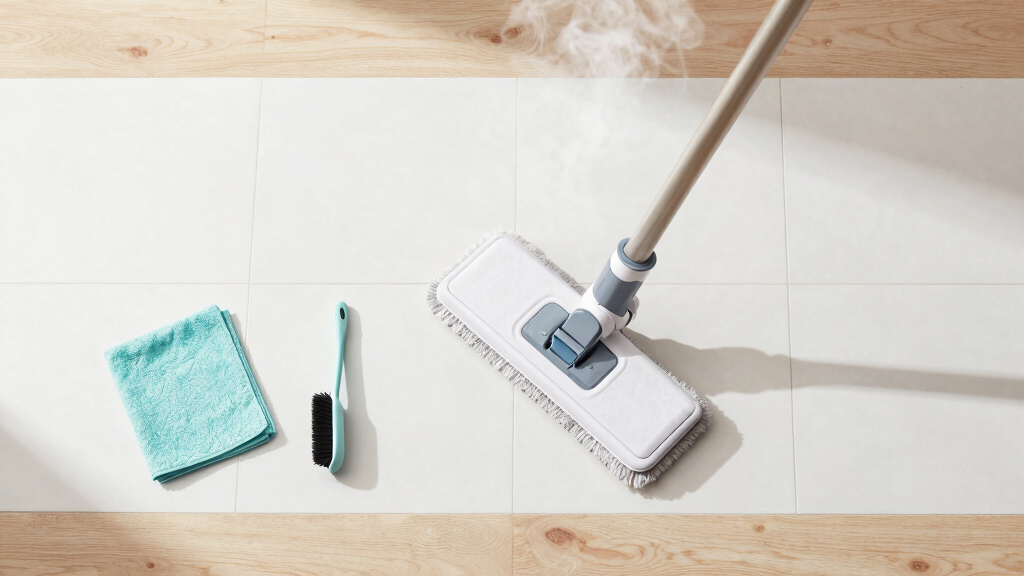

TL;DR

Get cleaning gear delivered free with Prime
- Fast, free delivery on millions of items
- Prime Video, Amazon Music and more included
- Member-only deals all year
Steam mops can damage grout if misused or on unsealed, fragile surfaces. Using low heat, moving the mop frequently, and sealing grout beforehand protects your floors while cleaning effectively.
Always test a small, hidden area before full steam cleaning to spot potential damage.
Use the lowest steam setting and keep the mop moving to avoid concentrated moisture or heat exposure.
Sealing grout regularly builds a protective barrier, making it safer for steam cleaning.
Avoid steam cleaning unsealed, cracked, or old grout—these are more prone to erosion.
Consider gentler alternatives like mild cleaners and brushes for delicate or damaged grout.
Will a Steam Mop Quietly Destroy Your Grout?
TL;DR: Steam mops can damage grout when used on unsealed, cracked, old, or fragile surfaces. But careful, infrequent steam cleaning on sealed grout is generally low-risk when you use low heat, keep the mop moving, test first, and dry the floor thoroughly.
Steam is safest when grout is sealed, intact, and never soaked in one spot.
The clean comes from heat, moisture, and motion.
Steam mops loosen dirt in tiny tile crevices without harsh chemicals. The same heat and moisture that make steam satisfying can become a problem when grout is porous, already weakened, or repeatedly exposed to concentrated steam.
Sealed Grout
A protective barrier helps moisture bead on the surface instead of soaking into the grout body.
Constant Motion
Moving steadily prevents localized saturation, thermal expansion, and hot spots along grout lines.
Epoxy Advantage
Epoxy grout is more moisture-resistant than cementitious grout and usually tolerates steam better.
Where steam mopping can go wrong.
The real risk is not one careful pass across a healthy floor. It is repeated exposure on vulnerable grout: high steam, slow movement, missing sealant, trapped moisture, and delayed drying.
High Steam
More heat and moisture reach grout lines than the surface can shed.
Slow Passes
Holding the mop in one spot creates concentrated thermal stress.
Porous Grout
Unsealed cement grout behaves like a sponge and pulls water inward.
Residual Damp
Moisture left in lines can encourage discoloration and mold growth.
Erosion
Over time, the grout can crumble, stain, or lose structural integrity.
Steam safety depends on grout condition.
Use this as a practical read on relative risk. Sealed, intact grout can usually handle careful steam cleaning; old, cracked, or unsealed grout is better served by gentler methods.
Quick water-bead test
Spray a small grout area. If water beads, the seal is still doing its job. If water darkens and absorbs quickly, reseal before frequent steam cleaning.
Safer Darkens
Reseal Crumbles
Avoid
Steam mop or gentler clean?
Choose the cleaning method that matches the floor in front of you, not the clean you wish it could tolerate.
| Surface Situation | Steam Mop | Gentle Brush + Mild Cleaner | Best Move |
|---|---|---|---|
| Sealed tile and grout in good condition | ✓ Safe with low steam and steady motion | ✓ Safe for routine spot care | Steam occasionally, dry thoroughly |
| Unsealed grout that absorbs water quickly | ✗ Moisture can penetrate too deeply | ✓ Controlled moisture is easier to manage | Seal first, then reassess |
| Old, cracked, or soft grout | ✗ Heat and water may accelerate erosion | ~ Use minimal pressure | Repair before steam cleaning |
| Epoxy grout in solid condition | ✓ More resistant to moisture damage | ✓ Also appropriate | Use manufacturer guidance |
| Stubborn stains in grout lines | ~ Helpful if surface is sealed | ✓ Baking soda paste or grout cleaner works well | Target stain directly |
How to steam mop without quietly wrecking the grout.
Good technique is a preservation plan: lower heat, shorter contact, better drying, and regular sealing.
- 01Test a hidden corner. Watch for discoloration, softness, flaking, or crumbling before cleaning the whole floor.
- 02Use the lowest steam setting. Reduce heat and moisture intensity, especially on cement-based grout.
- 03Keep the mop moving. Never park the mop head over one grout line.
- 04Dry after steaming. Use a towel or dry mop to remove moisture from grout channels.
- 05Reseal regularly. A sealant barrier makes steam cleaning far less risky.
Technique impact meter
From mop choice to grout lifespan.
Steam cleaning is not automatically destructive. Damage emerges when the floor condition and cleaning intensity are mismatched.
Surface Check
Inspect seal, cracks, and softness before heat enters the equation.
Steam Control
Low output keeps heat and water from overwhelming grout lines.
Motion
Continuous passes avoid hot, saturated pockets.
Dry Down
Removing residue limits mold, staining, and lingering dampness.
Longevity
Sealed, maintained grout stays cleaner without sacrificing structure.
So, should you use a steam mop?
Yes, if your grout is sealed, intact, and cleaned carefully. No, if it is unsealed, cracked, old, or already crumbling. When in doubt, choose the gentler method first.
Steam carefully
Sealed grout, low steam, moving mop, and a dry finish make the method practical for many tile floors.
Test and reseal
If water absorbs instead of beading, seal the grout before making steam cleaning routine.
Use alternatives
Old or damaged grout should be cleaned with mild solutions, soft brushes, and minimal moisture.
How Steam Mops Work and Why They Matter for Your Floors
Steam mops use high-temperature steam—often around 212°F—to loosen dirt, grime, and bacteria from hard surfaces. This method relies on moisture and heat to break down stubborn debris without harsh chemicals. For tile and grout, it’s a quick, chemical-free way to sanitize and refresh your space.
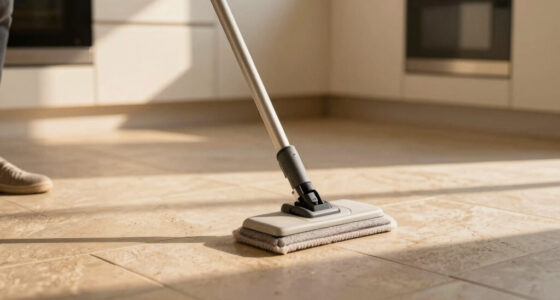
Picture yourself gliding a steam mop across a tiled kitchen floor, the gentle hiss filling the air, the textured surface beneath your feet. The steam penetrates tiny cracks and crevices, lifting dirt that regular mopping might miss. According to an anonymous researcher, this process is generally safe for sealed surfaces, but it hinges on correct technique and surface condition.
As an affiliate, we earn on qualifying purchases.
Can Steam Mops Cause Grout Erosion? The Real Risks
Yes, if misused or on vulnerable grout, steam mops can contribute to erosion over time. Excessive heat and moisture can weaken cement-based grout, especially if it’s cracked or unsealed. Think of grout as the mortar holding your tiles together—a durable but porous material that can be compromised if exposed to excessive moisture or heat repeatedly.
When steam is applied at high settings or held in one spot too long, it causes localized thermal expansion and moisture infiltration. Over time, this can lead to the breakdown of the grout’s structure, making it prone to crumbling, discoloration, or mold growth. Research from Steam Mop List highlights that frequent, vigorous steaming on unsealed or damaged grout accelerates these deterioration processes, ultimately risking the integrity of your tiled surface. Recognizing these risks matters because even small, unnoticed damages can escalate, leading to costly repairs or replacement. Therefore, understanding the implications of improper use helps you balance effective cleaning with preservation of your floors’ longevity.
As an affiliate, we earn on qualifying purchases.
Sealed vs. Unsealed Grout: Why It Matters for Steam Cleaning
Sealed grout acts like a raincoat—resisting moisture and reducing erosion risk. Unsealed grout, however, is more vulnerable. Think of sealed grout as a water-repellent shield, while unsealed is like a sponge—soaking up every drop, including excess moisture that can cause damage over time.
When you clean with a steam mop, the difference becomes critical. On sealed grout, the protective barrier prevents deep penetration of moisture, minimizing erosion and mold growth. Conversely, unsealed grout absorbs water more readily, which can lead to weakening of the grout’s structure, especially with repeated steam exposure. The simple water-bead test—spraying a small area and observing if water beads—can help determine if your grout is sealed. Regular resealing—every 1-2 years—restores this barrier, significantly reducing the risk associated with steam cleaning. Appreciating this distinction guides you in making informed decisions about cleaning methods and maintenance routines, ultimately extending your grout’s lifespan and preserving your tile’s appearance.
As an affiliate, we earn on qualifying purchases.
Best Practices for Steam Mopping Without Damaging Grout
- Set your steam mop to the lowest heat or steam level. This reduces the risk of excessive moisture and heat damage, as high temperatures can cause thermal expansion and weaken grout bonds.
- Keep the mop moving. Avoid holding it in one spot for too long, which can lead to localized saturation and moisture infiltration that may cause damage.
- Test in a hidden corner first. Check for discoloration, softness, or crumbling after cleaning, and observe the area over time to gauge any adverse effects.
- Ensure your grout is sealed before frequent steam cleaning. Reseal if necessary, because a good sealant acts as a barrier, preventing moisture from penetrating and causing erosion.
- Dry the floor thoroughly after steaming. Use a towel or a dry mop to absorb residual moisture, especially in grout lines, to prevent mold and deterioration.
Imagine gently gliding your steam mop across your kitchen with a sense of confidence, knowing you’re protecting your investment. These steps help you enjoy the benefits of steam cleaning without risking damage, but they also highlight the importance of understanding your floor’s condition and maintaining good sealing practices. Proper technique minimizes the likelihood of moisture buildup and thermal stress, which are the main causes of grout erosion during steam cleaning. Over time, consistent adherence to these practices preserves both the appearance and structural integrity of your tiled surfaces, making your cleaning routine more effective and durable.
According to experts, regular, cautious cleaning preserves grout integrity while keeping your floors spotless.
As an affiliate, we earn on qualifying purchases.
Are There Safer Alternatives to Steam Mops for Delicate Grout?
Yes, if your grout is old, cracked, or unsealed, consider gentler options that reduce the risk of erosion. Using specialized grout cleaning solutions, soft brushes, or even just warm water with a mild soap can effectively clean without introducing excessive moisture or heat that could worsen damage. These methods target dirt and stains more delicately, helping maintain the integrity of fragile or compromised grout.
Imagine scrubbing with a dedicated grout brush, applying a gentle cleaner—no hissing steam involved. For stubborn stains, a paste of baking soda and water often works wonders, especially when left to sit for a few minutes before scrubbing. This approach allows the cleaning agents to penetrate the grout’s surface without the thermal and moisture stresses associated with steam cleaning, which can accelerate deterioration in vulnerable areas. Manufacturers and cleaning experts agree that combining gentle scrubbing with regular sealing and spot cleaning not only preserves the appearance but also extends the functional life of your grout, particularly when steam cleaning is not advisable. These safer alternatives are especially valuable for older, damaged, or unsealed grout, where the risks outweigh the benefits of steam cleaning.
Recent Advancements Make Steam Mops Safer for Your Floors
Modern steam mops now feature adjustable steam settings, ergonomic designs, and larger water tanks, making them easier and safer to use. These improvements help prevent overheating, allow more precise control, and reduce the risk of accidental damage. Some models incorporate sensors that automatically shut off or lower steam output if they detect excessive heat or moisture buildup, further protecting your grout and tiles.
Imagine being able to set your steam mop to a gentle breeze mode, just enough to loosen dirt without risking damage. According to recent updates, manufacturers recommend using the lowest effective setting and keeping the mop moving steadily to prevent moisture accumulation in one spot. These technological advancements mean that when used correctly, modern steam mops are less likely to cause grout erosion, especially if users follow recommended guidelines and maintain their equipment properly.
Research indicates that these innovations, combined with good cleaning habits, significantly mitigate the risks previously associated with steam cleaning, making it a safer option for most tiled surfaces.
How to Test Your Floor Before Heavy Cleaning — Save Your Grout
Always test a small, hidden section of your floor first. Use the lowest steam setting, and keep the mop moving steadily to avoid localized saturation. Wait 10-15 minutes, then inspect for signs of damage like discoloration, cracking, or softening. This process allows you to observe how your specific floor responds to steam, which can vary based on grout age, sealing, and material quality.
For example, testing behind a door or in a less visible corner minimizes inconvenience if damage occurs. If no issues arise, you can gradually increase your cleaning effort, always remaining cautious. If you notice any signs of deterioration, stop immediately and consider alternative cleaning methods to prevent further damage. This simple test acts as a proactive safeguard, helping you develop a personalized cleaning routine that balances cleanliness with preservation of your grout’s integrity.
Following these steps, based on expert advice, reduces the risk of costly repairs and ensures your floors stay in top condition over the long term.
Frequently Asked Questions
Can a steam mop damage my grout?
Yes, if used improperly or on unsealed, fragile grout, excessive heat and moisture can weaken or erode it over time. Always test first and use low settings.How can I prevent damage when using a steam mop?
Use the lowest steam setting, keep the mop moving, ensure grout is sealed, and dry the area thoroughly afterward. Regular sealing extends grout life.Is it safe to use a steam mop on old or cracked grout?
Generally not. Old or cracked grout is more vulnerable to moisture and erosion, so safer options include gentle scrubbing or sealing before cleaning.Should I seal my grout before using a steam mop?
Yes, sealing provides a protective barrier that resists moisture and reduces the risk of damage during steam cleaning.Are there better alternatives to steam mops for cleaning grout?
Yes, using specialized grout cleaners, soft brushes, and mild solutions like baking soda paste can be safer for delicate or damaged grout.Conclusion
A steam mop can be safe for your grout when used properly—low heat, frequent movement, and sealed surfaces make all the difference. Think of it like watering a delicate plant: gentle, consistent care preserves its beauty. With a little caution, you can enjoy clean, sanitized floors without risking costly damage.Halloween Picks
halloween
As an affiliate, we earn on qualifying purchases.