TL;DR
Listen free for 30 days with Audible
Thousands of audiobooks and originals — cancel anytime.
Start your free trialAs an affiliate, we earn on qualifying purchases.
Steam mopping sheet vinyl flooring is generally not recommended because excessive heat and moisture can cause warping or bubbling. Regular sweeping and damp mopping with pH-neutral cleaners are safer options, but newer vinyl products may tolerate some steam if verified with the manufacturer.
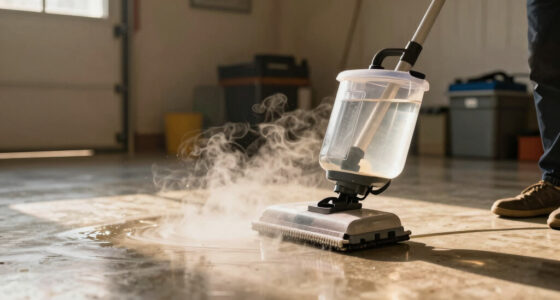
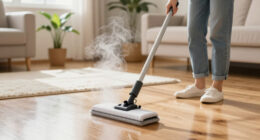
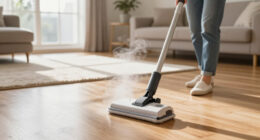
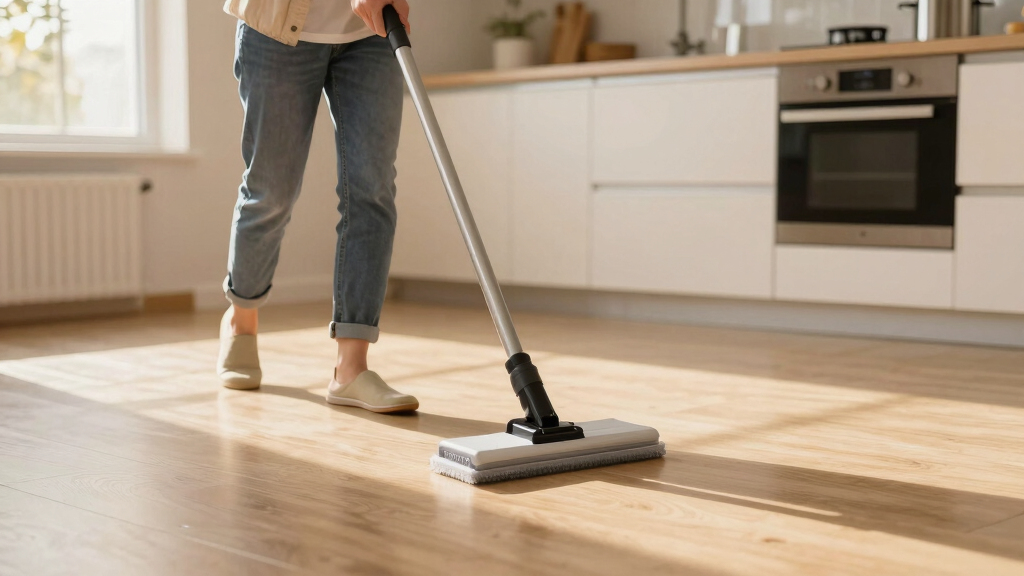
Imagine your vinyl floor gleaming, free of dirt and grime, thanks to the quick swipe of a steam mop. Sounds tempting, right? But here’s the catch: vinyl, especially sheet vinyl, is delicate. Excessive heat and moisture from steam cleaning can cause irreversible damage, turning your smooth surface into bubbling plastic or warped patches.
This guide cuts through the hype. You’ll learn what makes vinyl sensitive, when steam mops might be okay, and what safer alternatives exist. If you want your floors to stay beautiful and durable, read on.
Most vinyl flooring manufacturers advise against using steam mops due to heat and moisture risks.
Always check your flooring’s manufacturer guidelines before attempting steam cleaning.
Modern luxury vinyl floors may tolerate some steam if verified, but caution remains essential.
Regular damp mopping with a microfiber cloth and gentle cleaner is safest for vinyl floors.
Signs of steam damage include bubbling, warping, and discoloration—spot these early to prevent costly repairs.
Can You Steam Mop Sheet Vinyl Flooring?
Short answer: usually no. Steam mopping sheet vinyl is generally not recommended because excessive heat and moisture can trigger bubbling, warping, discoloration, or adhesive failure. Safer care starts with sweeping, vacuuming, and damp microfiber mopping with a gentle pH-neutral cleaner.
Clean-looking can still be damage-building.
High-temperature vapor may penetrate seams, edges, and surface layers. The visible harm often appears later.Steam is convenient. Sheet vinyl is cautious.
Most vinyl flooring manufacturers advise against steam mops because the combined heat and moisture can cause cumulative, irreversible damage. Modern LVT or LVP may tolerate low steam only when the product documentation clearly says so.
Standard sheet vinyl is usually not a good candidate for steam mopping.
Check the flooring manufacturer’s guidelines before using any heated cleaner.
Luxury vinyl may be more resistant, but resistance is not blanket permission.
Damp microfiber mopping with a pH-neutral cleaner is the safer long-term routine.
Stop immediately if you see bubbling, warping, discoloration, or lifting.
Why steam can harm sheet vinyl floors
Softening
High-temperature vapor can weaken the vinyl surface and make it more prone to deformation.
Pockets
Steam may travel into seams or edges, creating trapped moisture that pushes material upward.
Adhesion Loss
Repeated exposure can compromise glue bonds and shorten the floor’s service life.
Where steam mopping falls on the safety spectrum
Relative Cleaning Risk
Heat + Moisture Exposure
The more heat and moisture you add, the more likely sheet vinyl is to bubble, warp, discolor, or lift.
Which vinyl floors are most vulnerable?
| Floor Type | Steam Mop Fit | Why It Matters | Best Practice |
|---|---|---|---|
| Standard sheet vinyl | ✗ Avoid | Most sensitive to heat, edge moisture, and adhesive disturbance. | Sweep, then damp microfiber mop. |
| Sealed sheet vinyl | ~ Verify | Sealing helps with moisture, but heat can still create deformation. | Follow product documentation exactly. |
| Luxury vinyl plank | ~ Conditional | Often more resistant, but seams and backing systems vary widely. | Use only if manufacturer allows low steam. |
| Luxury vinyl tile | ~ Conditional | May tolerate more moisture, but grout lines and seams can remain vulnerable. | Test discreetly and wait 24 hours. |
| Manufacturer-approved vinyl | ✓ Limited | Approval should be product-specific, not based on generic steam mop claims. | Lowest setting, quick passes, no lingering. |
Before you steam, follow the chain
Find the manual
Look for the exact flooring product, not just the brand family.
Read cleaning limits
Search for steam, heat, moisture, sealed, water-resistant, and warranty terms.
Check the mop
Adjustable steam and temperature controls reduce risk only when flooring approval exists.
Patch test
Use a hidden area and wait 24 hours for bubbling, lifting, dulling, or discoloration.
Default gentle
If guidance is unclear, skip steam and use damp microfiber cleaning instead.
Best cleaning routine for vinyl floors
Sweep
Remove grit before it scratches or dulls the surface finish.
Damp Mop
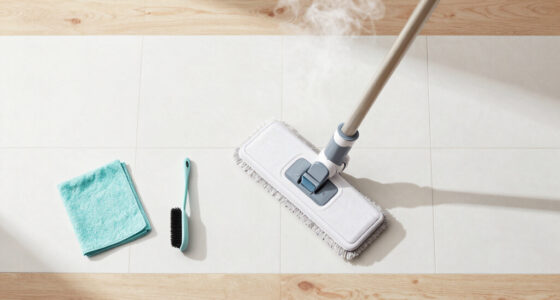
Use a wrung-out microfiber mop with a gentle, pH-neutral cleaner.
Limit Water
Avoid soaking the floor, especially around seams, baseboards, and edges.
Abrasives
Skip harsh chemicals, scrub pads, and cleaners that can degrade the finish.
Frequently asked questions
Can I use a steam mop on vinyl flooring safely?
Generally, no. Most manufacturers recommend avoiding steam unless the specific flooring product allows it.
What is the best method for sheet vinyl?
Sweep or vacuum first, then damp mop with microfiber and a mild pH-neutral cleaner.
Are modern steam mops safer?
Adjustable steam helps, but mop features do not override flooring manufacturer instructions.
What if damage appears?
Stop steam cleaning immediately and consult a flooring professional if bubbling, warping, or discoloration persists.
Why Steam Mops Can Harm Sheet Vinyl Floors
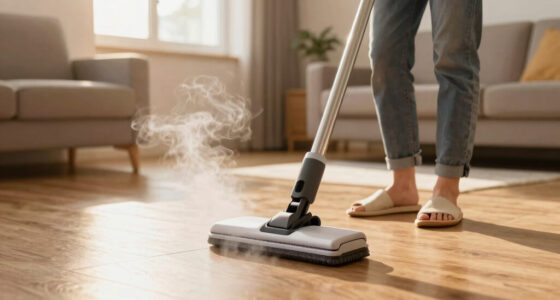
Steam mops generate high-temperature vapor that penetrates surface layers. For sheet vinyl, that heat combined with excess moisture can cause the material to warp, bubble, or discolor. Think of it like cooking plastic—too much heat can melt or deform it.
When vinyl is exposed to sustained high heat, the molecular structure can weaken, leading to warping or bubbling as the material softens. Excess moisture trapped under the surface can create steam pockets, which push the vinyl apart or cause it to lift. Over time, these effects not only compromise the aesthetics but also the structural integrity of your flooring, making it prone to further damage and reducing its lifespan. The implication is clear: even if it looks clean temporarily, damage from steam cleaning can be cumulative and irreversible, often requiring costly repairs or replacement.
According to the Steam Mop List, most vinyl manufacturers recommend avoiding steam cleaning altogether for these floors, emphasizing that even sealed vinyl can suffer damage from high heat and water.

BPAWA Microfiber Mops for Floor Cleaning: Flat Mop for Hardwood Tile Wood
- Adjustable Long Handle: Extendable from 32 to 59 inches
- Lightweight and Sturdy: Flexible design suitable for all users
- Reusable Washable Pads: Includes 4 durable, absorbent pads
As an affiliate, we earn on qualifying purchases.
As an affiliate, we earn on qualifying purchases.
Check Your Vinyl Flooring’s Compatibility First
- Find the manufacturer’s guidelines—these are your best bet.
- Look for words like “water-resistant” or “moisture-proof.”
- If in doubt, test in a small, hidden area first: use a damp cloth, then a steam mop on a small patch, and wait 24 hours.
For example, some newer luxury vinyl tiles (LVT) are designed to resist moisture, but even then, excessive heat can still cause damage. Verifying your specific product’s tolerance is crucial because not all vinyl is created equal. If you ignore these guidelines, you risk voiding warranties or causing damage that isn’t covered—costing you more in repairs or replacement. A simple test can reveal if your floor can handle mild steam; however, the safest approach is always to follow manufacturer recommendations to avoid unintended harm.
In most cases, if the manufacturer warns against steam cleaning, it’s safest to skip it entirely, as the potential for damage outweighs any cleaning benefit.

Zep Neutral PH Industrial Floor Cleaner – 1 Gallon – ZUNEUT128 – Concentrated Pro Trusted All-Purpose Floor Cleaner
- Preserves Floor Polish: Maintains protective coating
- Restores Shine: Cleans and brightens without rinsing
- Versatile Floor Cleaner: Suitable for marble, granite, vinyl, stone
As an affiliate, we earn on qualifying purchases.
As an affiliate, we earn on qualifying purchases.
Alternatives to Steam Mopping That Protect Your Vinyl
- Use a microfiber mop dampened with a gentle, pH-neutral cleaner.
- Regularly sweep or vacuum to remove debris that can scratch or dull the surface.
- Avoid soaking the floor—wring out the mop thoroughly.
Imagine cleaning your vinyl floor with a lightly damp microfiber cloth, like wiping a delicate piece of fabric—no drips, no warps. This method minimizes the risk of water seeping into seams or under edges, which can cause swelling or warping over time. Using a gentle cleaner ensures that you’re not exposing the surface to harsh chemicals that can degrade its finish or cause discoloration. The tradeoff here is that while this method might require more frequent cleaning, it’s far safer for preserving the integrity and appearance of your floor in the long run, especially compared to risky steam cleaning.
For instance, a quick mop with a solution of water mixed with a few drops of gentle dish soap can lift grime without risking warping. This approach maintains your floor’s durability and aesthetic appeal without the unintended side effects of heat or excessive moisture.

Shark Steam Mop for Sealed Hard Floors with 2 Dirt Grip Pads, White, S1000
- Chemical-Free Sanitization: Removes grease with steam only
- Removable Water Tank: Easy to refill for continuous cleaning
- Lightweight Design: Under 5 lbs for easy handling
As an affiliate, we earn on qualifying purchases.
As an affiliate, we earn on qualifying purchases.
What to Know About Modern Vinyl Floors and Steam Cleaning
Some newer luxury vinyl floors (LVT and LVP) claim to be more resistant to moisture and heat. These floors often feature sealed surfaces that can tolerate light cleaning with steam, but only if the manufacturer confirms it.
For example, a popular brand of waterproof vinyl flooring might tolerate low steam levels, but that’s not a universal rule. Always double-check the product specifications and installation guidelines because even water-resistant floors can have vulnerabilities if exposed to high heat or prolonged moisture. Many modern steam mop models now have adjustable steam settings; using the lowest setting and passing quickly can sometimes be acceptable, but this is contingent on manufacturer approval. The key is moderation—overexposure or high steam levels can negate any resistance claims, leading to damage that might not be immediately visible but will manifest over time. Therefore, verifying compatibility and understanding the limitations of your specific vinyl product is essential to avoid costly mistakes.

CLEANHOME Microfiber Dust Mop for Hardwood Floor Cleaning
- Deep Cleaning Microfiber Mop: Captures dust, dirt, pet hair effectively
- Dual-Function Mop: Suitable for dry and wet cleaning
- Versatile Surface Compatibility: Works on tile, laminate, vinyl, marble
As an affiliate, we earn on qualifying purchases.
As an affiliate, we earn on qualifying purchases.
How to Spot Damage from Steam Cleaning Early
If you notice your vinyl floor developing tiny bubbles, discoloration, or warping after steam cleaning, it’s a sign of damage. These signs often appear within a few days to weeks, indicating the heat or moisture has compromised the material’s structure.
For example, a homeowner reported bubbling patches after a steam mop session, which later required professional repair or replacement. Recognizing these early signs is crucial because the longer damage persists, the more extensive and costly repairs become. Damaged areas may also be more prone to dirt buildup or further deterioration, accelerating the decline of your flooring’s appearance and functionality. To prevent further harm, stop using steam immediately and switch to safer cleaning methods. Consulting a flooring expert can help assess the extent of damage and determine whether repair or replacement is necessary, saving you money and preserving your investment.
Best Cleaning Routine for Your Vinyl Floor
Stick to a simple routine: sweep or vacuum daily, then mop weekly with a microfiber cloth dampened in a mild cleaner. This preserves the vinyl’s shine and structure.
Imagine walking into your kitchen, the rich aroma of lemon cleaner filling the air, your vinyl floor gleaming without any warping or bubbles. This routine ensures that dirt and debris are removed gently, preventing scratches and dulling while maintaining the floor’s flexibility and appearance. Avoid harsh chemicals, abrasive pads, or excessive water—these can weaken the surface or cause swelling. Instead, opt for a controlled, gentle approach that respects the material’s delicate balance. Over time, this method not only keeps your floors looking pristine but also extends their lifespan, avoiding the risks associated with more aggressive cleaning techniques like steam mopping.
Frequently Asked Questions
Can I use a steam mop on vinyl flooring safely?
Most vinyl flooring manufacturers recommend avoiding steam mops because the high heat and moisture can cause bubbling, warping, or discoloration. Always check your specific product’s guidelines first.What’s the best way to clean sheet vinyl floors without damage?
Use a microfiber mop lightly dampened with a pH-neutral cleaner. Regular sweeping or vacuuming followed by gentle wiping keeps your floor looking fresh without risking warping.Are there any steam mops safe for vinyl floors?
Some models with adjustable steam levels and temperature controls may be safe if your vinyl is water-resistant and sealed. Always verify with your flooring manufacturer before proceeding.How do I know if my vinyl floor is damaged after steam cleaning?
Look for telltale signs like tiny bubbles, discoloration, or warping. Damage can appear within days, so inspect your floor regularly after cleaning attempts.What should I do if my vinyl floor gets damaged from steam cleaning?
Consult a flooring professional for assessment. Depending on the damage, repair or replacement might be necessary to restore your floor’s appearance and function.Conclusion
If your vinyl floor’s safety is your priority, steer clear of steam mops unless you’ve confirmed they’re safe. Instead, stick to gentle, damp cleaning routines that preserve the material’s integrity and shine. Your floors will thank you for the care, resisting warping and bubbling for years to come.
Think of your vinyl floor as a delicate canvas—clean it with patience, not heat, and it will stay beautiful and durable, day after day.
Labor Day sales Picks
labor day deals
As an affiliate, we earn on qualifying purchases.