TL;DR

Get cleaning gear delivered free with Prime
- Fast, free delivery on millions of items
- Prime Video, Amazon Music and more included
- Member-only deals all year
Steam mopping can warp floorboards if misused, especially on unsealed or sensitive floors. Proper technique and manufacturer guidelines are key to safe cleaning. Always test first and opt for low-moisture methods when in doubt.
Imagine the rich scent of a freshly cleaned hardwood floor—shiny, smooth, and spotless. Now picture that same floor warped or swollen after a steam cleaning session gone wrong. Many homeowners love the convenience of steam mops, but the question remains: can they warp your floorboards? If you’ve ever hesitated before steaming your floors, you’re not alone. This guide will clarify what risks exist, how to minimize them, and what surfaces are truly safe for steam cleaning.
Knowing the ins and outs of steam mopping’s impact on different floor types helps you keep your floors beautiful and intact. We’ll explore which floors are vulnerable, how to use your steam mop properly, and when to choose safer cleaning methods. Read on to protect your investment—and your peace of mind.
Always check your flooring manufacturer’s guidelines before using a steam mop.
Use the lowest steam setting and keep the mop moving—avoid holding it still on one spot.
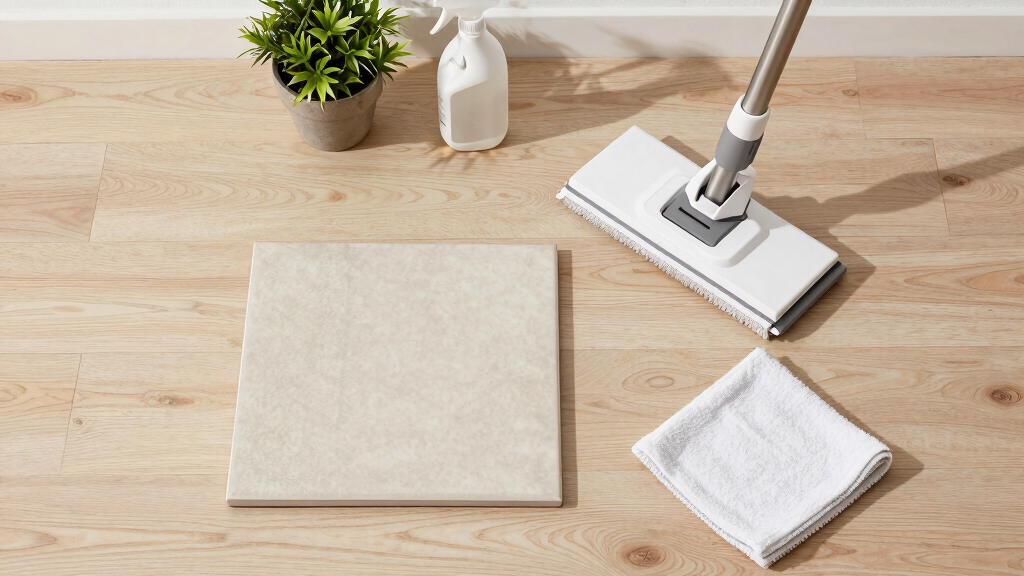
Test a hidden area first, and wait 24 hours to see if damage occurs before cleaning the entire floor.
Unsealed or poorly sealed hardwood floors are especially vulnerable to warping from steam.
Safer cleaning alternatives include dry mops or damp microfiber cloths for delicate surfaces.
What Floor Types Are Most at Risk from Steam Mopping?
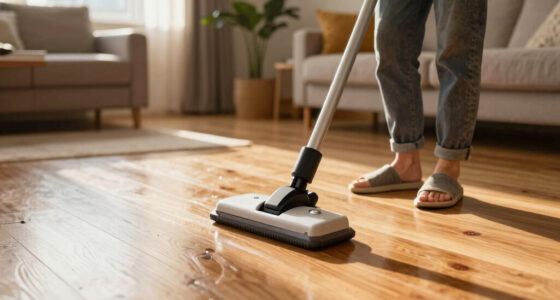
Not all floors react the same way to steam cleaning. Hardwood floors, especially if unsealed or poorly sealed, are the most vulnerable to warping and swelling. When moisture seeps into the tiny cracks and pores of unsealed wood, it causes the fibers to absorb water unevenly, leading to expansion that can distort the surface. This not only affects the appearance but can compromise the structural integrity of the flooring over time, resulting in costly repairs or replacements.
Engineered wood, which often has a protective veneer, fares slightly better but still faces risks if the sealant isn’t intact. If the top layer is compromised, moisture can penetrate and cause similar swelling or warping. Laminate flooring is particularly sensitive; since it’s made from fiberboard with a photographic layer, moisture can cause seams to swell, peel, or delaminate, making the floor look uneven or damaged. Vinyl and tile floors are generally safer because they are designed to resist moisture, but even then, excessive steam can loosen grout or adhesive if not used carefully.
For example, a homeowner with aged hardwood floors might notice cupping — where the edges of the planks rise — or buckling after a steam session. This often occurs when the floors weren’t properly sealed or when excess moisture was applied. Recognizing these signs early can help prevent more extensive damage. The key takeaway is that understanding your floor’s composition and sealant condition is essential before choosing to steam clean.
As an affiliate, we earn on qualifying purchases.
How to Use a Steam Mop Without Warping Your Floors in 3 Easy Steps
- Test a hidden area first—wait 24 hours to observe if any damage or changes occur. This step is crucial because it allows you to assess your floor’s resilience without risking the entire surface. If no warping, discoloration, or swelling appears, you can proceed with confidence.
- Use the lowest steam setting—less heat and moisture reduce the risk of damaging delicate surfaces. High steam settings can penetrate deeper into the wood or laminate, increasing the chance of warping or swelling. Always start with the minimal effective steam level to keep moisture exposure controlled.
- Keep the mop moving—don’t hold it in one spot for more than a second or two. Prolonged contact in one area concentrates moisture and heat, which can lead to localized damage. Moving swiftly distributes the steam evenly and prevents excessive moisture buildup in one location, helping preserve the floor’s integrity.
For instance, a homeowner with hardwood floors tested a closet corner with the lowest steam setting. After 24 hours, no damage was visible, so they carefully moved on to the main living area, ensuring the mop was damp but not soaked. These cautious steps help maintain the quality of your floors while leveraging the cleaning power of steam.
Remember: the goal isn’t just cleanliness but also preserving your flooring’s lifespan. Using minimal moisture, gentle techniques, and proper testing can make all the difference in avoiding costly repairs down the line.
As an affiliate, we earn on qualifying purchases.
Comparing Safe and Unsafe Floors for Steam Cleaning
| Floor Type | Safe for Steam? | Notes |
|---|---|---|
| Hardwood (sealed) | Generally yes, with caution | Use low steam, quick passes, and avoid excessive moisture. Proper sealing is critical; old or damaged seals increase risk. |
| Unsealed hardwood | No | Moisture penetrates easily, causing rapid warping, swelling, and potential structural damage. Best avoided entirely. |
| Laminate | No | Seams and edges are particularly vulnerable; moisture can cause swelling, peeling, or delamination, often irreversibly damaging the surface. |
| Vinyl or tile | Yes | Generally safe if manufacturer instructions are followed. Excessive steam can loosen grout or adhesive over time, so caution is advised. |
| Engineered wood | Yes, if sealed properly | Inspect the sealant quality before cleaning. If the sealant is compromised, moisture can penetrate and cause damage similar to hardwood. |
This comparison table highlights the critical importance of understanding your flooring’s specific properties. Proper sealing, age, and material composition determine whether steam cleaning is a safe option. When in doubt, consulting your flooring manufacturer or a flooring expert can prevent irreversible damage and save you money in repairs.
As an affiliate, we earn on qualifying purchases.
Frequently Asked Questions
Is steam mopping safe for hardwood floors?
It depends on the finish and sealant of your hardwood. Sealed floors are generally safer if you use proper technique, but unsealed or old floors are more vulnerable to warping and swelling. Always check your manufacturer’s recommendations before steaming.
Can I use a steam mop on laminate flooring?
Most experts advise avoiding steam mops on laminate floors. Moisture can seep into seams and cause the surface to swell or peel. For laminate, dry or damp microfiber mops are safer options.
How do I know if my floor can handle steam cleaning?
Check the manufacturer’s instructions or consult a flooring professional. If it’s sealed hardwood or vinyl, chances are you can use a steam mop carefully. When in doubt, test small areas first.
What are safer ways to clean my floors?
Dry mops, microfiber cloths, or damp (not wet) mops are gentler options that reduce the risk of warping or damage. Regular sweeping also helps keep floors clean without moisture.
What signs indicate my floor has been damaged by steam?
Look for warping, buckling, swelling, or discoloration. These signs suggest moisture has penetrated the surface and caused damage. Address issues early to prevent costly repairs.
damp microfiber mop for delicate floors
As an affiliate, we earn on qualifying purchases.
As an affiliate, we earn on qualifying purchases.
Conclusion
Steam mopping can be a quick, effective way to clean, but only if you respect your floor’s limits. Always verify what your flooring can handle, use gentle settings, and keep the mop moving. When in doubt, opt for safer, moisture-controlled cleaning methods to preserve your floors’ beauty and integrity.
Think of your floors as delicate skins—moisture is necessary but needs careful handling. A little caution now can save you hundreds in repairs later. Clean smart, and your floors will thank you for it.
Halloween Picks
halloween
As an affiliate, we earn on qualifying purchases.