TL;DR

Get cleaning gear delivered free with Prime
- Fast, free delivery on millions of items
- Prime Video, Amazon Music and more included
- Member-only deals all year
Steam mops can help loosen some old adhesive residues, but they are rarely enough alone. Combining steam with mechanical tools or chemicals often gets better results, especially on sealed floors. Always test first and follow manufacturer advice to avoid damage.
Picture this: you peel up stubborn vinyl or laminate flooring, revealing a sticky, old glue layer underneath. You wonder, can a steam mop do the job? It’s tempting to reach for that steaming device, claiming it’s a quick fix. But is it really safe? Does it work?
This guide breaks down everything you need to know about using a steam mop over old adhesive residue. You’ll learn when it’s effective, what risks are involved, and how to combine methods for best results. No hype, just practical advice rooted in safety and real-world experience.
Steam mops can soften water-based adhesive residues, making mechanical removal easier.
Always test a small, hidden patch before full use to avoid damage.
Use the lowest steam setting and keep the mop slightly above the surface for safety.
Heavy or industrial adhesives often resist steam and need chemical or mechanical methods.
Follow manufacturer guidelines for your floor and steam mop to prevent warping or damage.
Can You Steam Mop Over Old Adhesive Residue?
Yes—sometimes. Steam can soften water-based glue and make scraping easier, but it rarely removes heavy residue by itself. The safe approach is controlled heat, minimal moisture and a removal method matched to both the adhesive and the floor.
The adhesive determines whether steam helps
Heat and moisture can temporarily weaken some glue bonds. Formulations designed to resist water, heat or heavy traffic are much less likely to respond.
Water-based adhesive
Steam often makes this residue more pliable. Follow immediately with gentle mechanical lifting before the glue cools or re-adheres.
Oil-based adhesive
Moisture has less effect. A compatible chemical remover or careful scraping may do more of the actual removal work.
Industrial adhesive
Heavy-duty formulations are built for durability. Steam alone is unlikely to be sufficient and may only soften the surface.
| Adhesive type | Steam response | Best companion method | Main concern |
|---|---|---|---|
| Water-based | ✓Often softens | Plastic scraper or soft brush | Residue may spread if overheated |
| Oil-based | ~Limited effect | Floor-compatible remover | Solvent compatibility |
| Industrial / heavy-duty | ✗Usually resistant | Mechanical or specialist method | Floor damage from excessive force |
| Unknown residue | ~Test required | Small-area diagnosis first | Unpredictable reaction |
The floor matters as much as the glue
A surface that tolerates ordinary steam cleaning may still react poorly when extra passes are used over adhesive. Manufacturer guidance always takes priority.
| Floor surface | Steam suitability | Safer approach | Watch for |
|---|---|---|---|
| Ceramic or porcelain tile | ✓Often suitable | Low steam, short passes | Grout condition and loose tiles |
| Sealed hardwood | ~Only if approved | Minimal moisture; immediate drying | Clouding, seam swelling or finish damage |
| Laminate | ~High caution | Avoid seams and prolonged exposure | Warping, bubbling or swollen edges |
| Vinyl flooring | ~Check manufacturer | Lowest heat with constant motion | Softening, lifting or adhesive migration |
| Unsealed wood / delicate surface | ✗Avoid steam | Use a dry or manufacturer-approved method | Moisture absorption and permanent distortion |
Five steps for safer adhesive removal
Moderation is the operating principle: expose a small area, observe its reaction and stop at the first sign of surface change.
Identify
Check the adhesive type, flooring material and both manufacturers’ instructions.
Patch test
Choose a hidden spot. Wait and inspect for warping, discoloration or lifting.
Steam lightly
Select the lowest setting and hover slightly above the residue without pressing.
Lift gently
Use sweeping motions, then work the softened glue with a plastic scraper.
Wipe & review
Remove loosened material with a damp cloth, dry the area and reassess.
Where steam earns its place—and where it does not
These qualitative bars reflect expected responsiveness, not laboratory removal rates. Adhesive age, thickness and formulation can change the result.
Steam
Supplies controlled heat and moisture to make responsive glue temporarily easier to work.
Mechanical
A plastic scraper, pad or soft brush physically lifts material after it has softened.
Chemical
A floor-compatible adhesive remover can address residue that resists heat and moisture.
The logic of a successful removal
Each decision controls the next. Skipping the compatibility check increases the risk of turning a glue problem into a flooring problem.
Fast answers before you start
Can a steam mop remove old floor glue?
It can soften some water-based glue, making removal easier. Old, thick or industrial residue usually needs scraping, brushing or an approved remover as well.
Is steam safe on hardwood or laminate?
Only when the floor manufacturer permits it. Sealed hardwood still requires caution, while laminate seams are especially vulnerable to moisture and heat.
What if the residue stays stubborn?
Stop adding steam. Switch to a floor-compatible adhesive remover or a gentle mechanical method, then work in small sections.
Which steam mop features help?
Adjustable steam output, accurate temperature control and appropriate scrubbing attachments provide better control than a fixed high-output model.
Can steam make the problem worse?
Yes. Too much heat or pressure can spread softened glue, force moisture into seams or damage sensitive finishes.
Is steam a chemical-free solution?
It can reduce chemical use on responsive residue, but it should not be treated as a guaranteed replacement for every adhesive-removal product.
Steam is a useful assistant, not a silver bullet: test first, work low and slow, then lift the softened residue with the least aggressive compatible method.
Can a steam mop soften and loosen old adhesive? The truth revealed
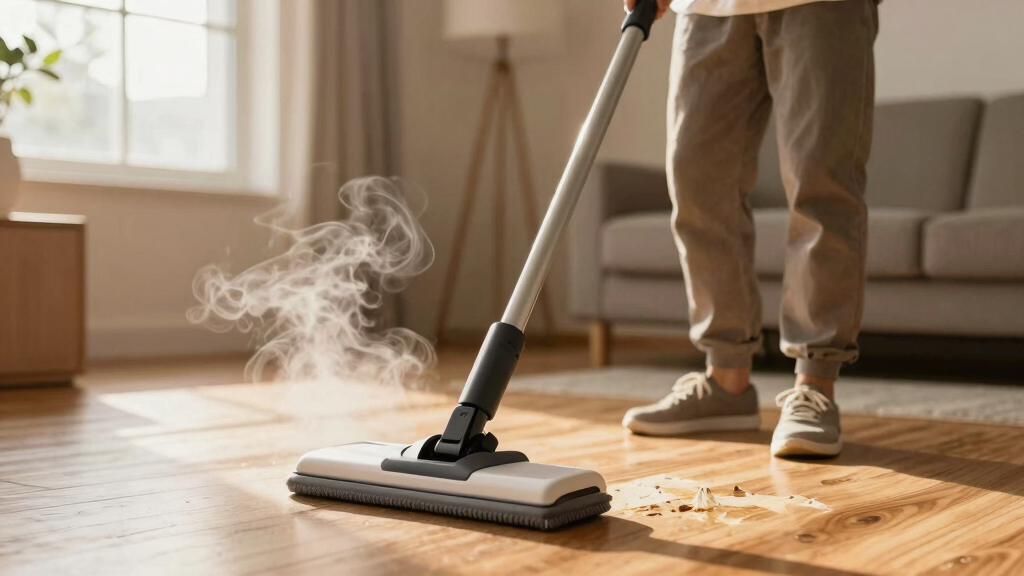
Steam mops can help soften certain types of adhesives, especially water-based ones. When you run a steam mop over a sticky patch, the heat and moisture can make the glue more pliable. This is significant because many adhesives, especially those used in home flooring, are designed to be water-reactive or sensitive to heat, meaning steam can temporarily weaken their bonds. Why does this matter? Softening the adhesive can reduce the amount of force needed to scrape or peel it away, minimizing potential damage to the floor surface. However, this isn’t a guaranteed solution; some adhesives, particularly oil-based or industrial-grade, are formulated to resist moisture and heat, making steam less effective. What are the implications? Relying solely on steam for stubborn residues might lead to frustration or incomplete removal. It’s essential to understand the adhesive’s composition to set realistic expectations and choose the right combination of methods to avoid unnecessary damage or prolonged effort.
For example, water-based adhesives used in DIY projects or older vinyl flooring are more likely to respond well to steam, allowing you to loosen and lift the residue with less scraping. Conversely, industrial adhesives used for commercial or heavy-duty flooring tend to be resistant, meaning steam might only soften them temporarily without facilitating removal. Tradeoffs exist: while steam can reduce manual effort, it might not fully eliminate tough residues, especially if used alone. Knowing this helps you decide whether to incorporate additional tools or chemicals for complete removal.
As an affiliate, we earn on qualifying purchases.
How to safely use a steam mop on old adhesive residues without damaging your floor
- Test a small, hidden area first—wait a few minutes to check for any warping, discoloration, or other signs of damage. This step is crucial because different floors react differently to moisture and heat, and early testing helps prevent costly mistakes.
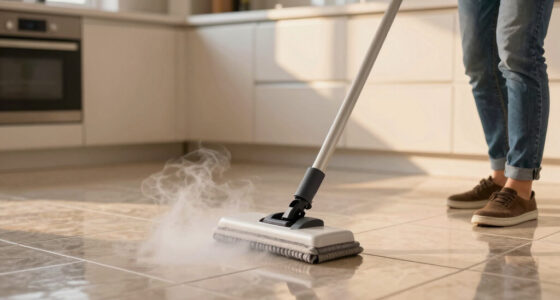
- Set your steam mop to the lowest steam level—less heat reduces the risk of warping, bubbling, or softening adhesives excessively, which can lead to spreading or embedding the residue further into the surface.
- Hold the mop slightly above the surface—don’t press it down hard on the residue. Applying direct pressure can force moisture into the material or cause uneven heating, increasing the chance of damage.
- Use gentle, sweeping motions—avoid staying in one spot too long. Prolonged exposure to heat and moisture can weaken delicate surfaces or cause swelling, especially in unsealed wood or vinyl.
- Combine steam with mechanical scrubbing or a plastic scraper for stubborn patches. Mechanical action helps lift softened adhesive more effectively than steam alone, reducing the need for excessive moisture exposure.
- Follow up with a clean, damp cloth to remove loosened residue, preventing sticky buildup or residue from re-adhering.
- Establish a cleaning routine—regularly check your progress and adjust your technique accordingly. Patience and consistency will help you avoid accidental damage while effectively removing adhesive residues.
Remember: always follow your floor and steam mop manufacturer’s instructions. Overexposure to heat and moisture can warp or damage delicate surfaces like unsealed wood, vinyl, or laminate. The key is moderation and careful observation to prevent unintended damage, especially on older or more sensitive floors.
As an affiliate, we earn on qualifying purchases.
Understanding adhesive types and their resistance to steam
Before attempting to use a steam mop on adhesive residues, it’s important to identify the type of adhesive involved. Not all adhesives respond equally to heat and moisture. Here’s a quick overview:
- Water-based adhesives: These are generally more responsive to steam. They soften and loosen relatively easily, making mechanical removal simpler.
- Oil-based adhesives: These tend to resist moisture and may require more aggressive methods or chemical solvents for effective removal.
- Industrial or heavy-duty adhesives: Often used in commercial settings, these are designed to be resistant to moisture and heat, so steam alone is unlikely to be sufficient.
Knowing the adhesive type helps you plan your removal strategy, whether it involves additional chemical agents, mechanical tools, or a combination of methods. Always test first and proceed cautiously to avoid damaging your flooring.
As an affiliate, we earn on qualifying purchases.
Frequently Asked Questions
Can I use a steam mop to remove old glue or adhesive from my floor?
Yes, especially if the adhesive is water-based and the floor is compatible. Steam can soften the glue, making it easier to scrape away. For stubborn or industrial adhesives, additional tools or chemicals might be needed.Will steam mopping damage my hardwood or laminate floors?
If your floors are sealed and you use the steam mop on a low setting, it’s generally safe. Avoid excessive moisture and high heat to prevent warping or swelling.What should I do if the adhesive residue is stubborn?
Try combining gentle steaming with mechanical scraping or a chemical adhesive remover designed for your floor type. Patience and testing are key to avoiding damage.Are there specific steam mop models recommended for adhesive removal?
Look for models with adjustable steam settings and suitable attachments like scrubbing pads. These give you better control and effectiveness.Is it safe to use steam on all types of adhesives?
No. Oil-based and industrial adhesives often resist steam and require chemical or mechanical removal. Always identify your adhesive type before proceeding.floor-safe chemical adhesive remover
As an affiliate, we earn on qualifying purchases.
As an affiliate, we earn on qualifying purchases.
Conclusion
Steam mops aren’t a silver bullet for old adhesive residues, but they can be a helpful part of your toolkit. When used carefully and combined with scrapers or gentle chemicals, they make the job easier without risking damage.
Remember: always test first, use the lowest steam setting, and match your removal method to your floor type. A little patience and attention go a long way—your floors will thank you for it.
Fall Picks
fall essentials
As an affiliate, we earn on qualifying purchases.