TL;DR

Get cleaning gear delivered free with Prime
- Fast, free delivery on millions of items
- Prime Video, Amazon Music and more included
- Member-only deals all year
Most manufacturers advise against steam mopping prefinished hardwood floors because the heat and moisture can cause damage over time. Safer options include gentle, damp mopping with approved cleaners. Always test first and follow manufacturer advice to keep your floors looking their best.
Imagine a clean, shiny floor, no streaks, no fuss. Now imagine that same floor warped or stained because of that very cleaning tool. It’s a frustrating tradeoff. Many homeowners reach for a steam mop, believing it’s a quick fix, but the truth is more nuanced.
In this guide, you’ll learn whether steam mops are safe for prefinished hardwood floors, what risks they carry, and how to keep your floors pristine without risking damage. It’s all about clarity and caution—because your floors deserve it.
Most manufacturers advise against using steam mops on prefinished hardwood floors due to potential damage.
Always check your flooring’s care guidelines before attempting any steam cleaning.
Modern steam mops with adjustable settings may reduce risk but do not eliminate it entirely.
Regular sweeping and damp microfiber mopping remain the safest, most effective cleaning methods.
Perform a small test in an inconspicuous area before using a steam mop on your hardwood floors.
Can You Steam Mop Prefinished Hardwood Floors?
TL;DR: Most manufacturers advise against steam mopping prefinished hardwood floors. Heat and moisture can slip through tiny cracks in the finish, weakening protection over time. The safer path is regular sweeping, vacuuming, and gentle damp mopping with approved cleaners.
Best answer: avoid it
Steam may look clean and convenient, but hardwood damage often accumulates quietly before warping, cupping, or finish dullness becomes visible.
Lowest risk routine
Microfiber mop, minimal water, pH-neutral cleaner, and manufacturer-approved care instructions.
Warranty watch
Using steam against floor-care guidance can leave repair costs with the homeowner.
major hardwood brands discourage steam mops on prefinished wood.
steam combines high temperature with moisture exposure.
not wet microfiber mopping protects the finish better.
check an inconspicuous area and read care documents first.
Why steam and prefinished wood rarely get along
Prefinished floors are tough, but not waterproof. Polyurethane and aluminum oxide finishes resist everyday wear, yet heat can soften protection and moisture can enter through seams or microcracks.
Finish deterioration
Repeated heat can weaken the protective coating, leaving the wood more exposed to moisture, wear, and dull patches.
Swelling and warping
Moisture that reaches the wood core can cause uneven expansion, plank movement, cupping, or buckling.
Hidden accumulation
Damage may build slowly over months, making the floor look fine until repair becomes expensive or impractical.
Cleaning method comparison
The best cleaning method is the one that removes grit without flooding the finish, stressing seams, or contradicting manufacturer guidance.
| Method | Hardwood fit | Moisture load | Finish risk | Verdict |
|---|---|---|---|---|
| Dry sweeping or vacuuming | ✓ Strong | None | Low when using soft bristles | Daily-safe foundation |
| Damp microfiber mop | ✓ Strong | Low | Low with approved cleaner | Best routine cleaning |
| Wet mop or soaking bucket | ✗ Weak | High | High around seams and cracks | Avoid excess water |
| Traditional steam mop | ✗ Poor | Heat-driven steam | High over repeated use | Avoid unless explicitly approved |
| Adjustable modern steam mop | ~ Conditional | Lower, not zero | Still possible long-term | Only with floor-maker approval |
The damage pathway
Steam cleaning is risky because the harm is cumulative: the finish weakens, moisture finds a path, and the wood reacts beneath the surface.
Key insight
Even modern durable finishes cannot fully resist repeated penetrating heat and moisture. Adjustable steam settings may reduce exposure, but they do not erase the core risk for prefinished hardwood.
Relative risk spectrum
Safer hardwood care flow
Keep the routine simple: remove grit first, use minimal moisture, and let manufacturer instructions be the final authority.
Sweep
Remove debris before it scratches the finish.
Check
Read the flooring care guide and warranty notes.
Dampen
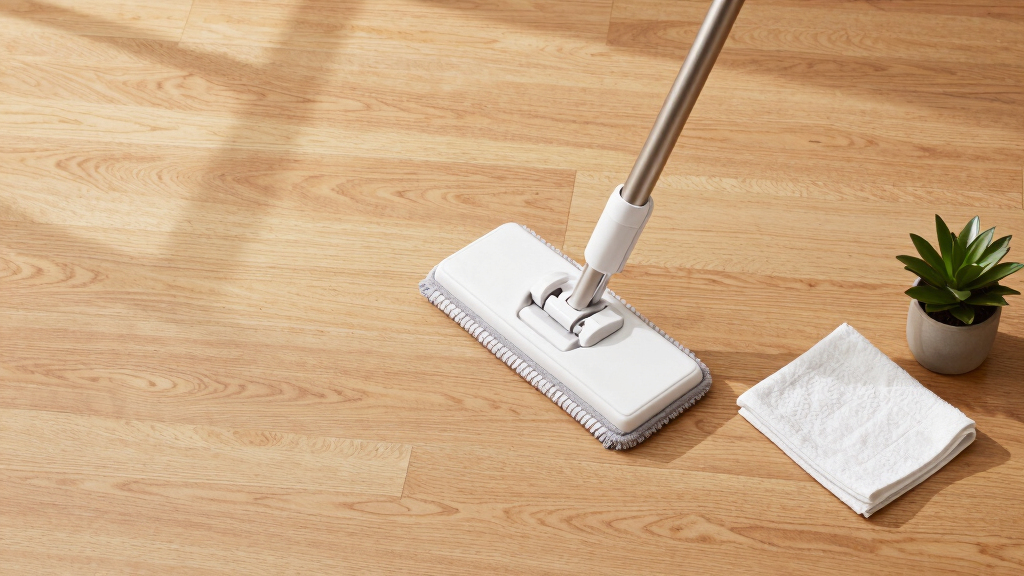
Use a barely damp microfiber mop.
Clean
Choose a pH-neutral approved cleaner.
Dry
Never leave standing moisture behind.
Risk signals to watch
If steam has already been used, inspect the floor over time. These symptoms can indicate moisture intrusion or finish stress.
When in doubt, skip the steam
If your floor’s manufacturer does not explicitly approve steam cleaning, choose damp microfiber mopping instead. Convenience today is not worth warping, stained planks, finish peeling, or a voided warranty tomorrow.
Why Most Floors Aren’t Fans of Steam Mops
Steam mops use high heat and moisture to loosen dirt, but prefinished hardwood floors are sealed with a tough finish—often polyurethane or aluminum oxide. While these finishes act as a barrier, they aren’t completely waterproof. The heat and steam can still seep through, reaching the wood beneath.
Picture this: a homeowner uses a steam mop weekly, thinking it’s harmless. Over months, tiny cracks form in the finish, and the wood beneath begins to swell. This process might seem slow, but it’s insidious because the damage accumulates gradually, often unnoticed until visible problems emerge. The heat can soften or degrade the protective finish, making it more permeable. Moisture infiltrates the layers, causing swelling, warping, or even mold growth beneath the surface. Long-term, this can compromise the structural integrity of your floors and void warranties, leaving you with expensive repairs. Understanding these risks underscores why caution is essential—once the finish is compromised, restoring it can be costly and complicated.
- Heat can soften or degrade the protective finish, reducing its ability to shield the wood from moisture and wear.
- Moisture can penetrate through microcracks, leading to swelling, warping, and potential mold growth beneath the surface.
- Repeated exposure may accelerate finish deterioration, exposing raw wood to damage and voiding manufacturer warranties.
As an affiliate, we earn on qualifying purchases.
What Do Manufacturers Say About Steam Mops?
Most major flooring brands advise against using steam mops. Their reasoning? The high temperature and moisture can break down the finish over time, weakening the protective layer that keeps your wood safe from damage. Even floors with tough-looking finishes aren’t immune—repeated steam exposure can lead to micro-damage that accumulates, eventually compromising the entire surface.
For example, a popular brand’s warranty explicitly states: “Do not use steam cleaning devices on hardwood floors.” This isn’t just a caution; it’s a recognition that the heat and moisture can cause subtle, cumulative damage that may not be immediately visible but will manifest over time. Following manufacturer instructions isn’t merely about compliance; it’s about safeguarding your investment. Ignoring these guidelines can result in costly repairs or replacement, and in some cases, void your warranty. Always check your floor’s documentation first. If the manufacturer advises against steam cleaning, it’s best to heed that advice to preserve your floor’s integrity and longevity.
Understanding the rationale behind these recommendations helps you make informed decisions, balancing convenience against long-term durability. Remember: what seems like an easy shortcut today may lead to significant expenses tomorrow.
As an affiliate, we earn on qualifying purchases.
Safe Cleaning Alternatives for Your Hardwood Floors
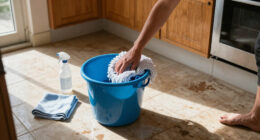
If you want your floors to shine without risking damage, stick to gentle cleaning methods. A microfiber mop dampened with a few drops of pH-neutral cleaner works wonders because it effectively lifts dirt without introducing excessive moisture that can seep into microcracks or weaken the finish. Regular sweeping or vacuuming removes loose dirt and debris that can scratch the surface, extending the lifespan of your finish. Imagine this: a homeowner gently sweeps every evening, then uses a slightly damp microfiber cloth once a week. This routine minimizes moisture exposure, preserves the protective finish, and keeps your floors looking their best for years.
Choosing the right cleaning method matters because it directly affects the longevity of your floors. Excess water, harsh chemicals, or abrasive tools can accelerate wear and tear, leading to costly repairs or refinishing. By opting for gentle, approved methods, you maintain the integrity of the finish and ensure your floors stay beautiful longer.
- Use a microfiber mop with minimal water and gentle pressure to prevent damage.
- Employ approved hardwood floor cleaners that are pH-neutral and designed for sealed surfaces.
- Avoid soaking the mop—less water is more, especially on sealed finishes prone to microcracking.
adjustable steam mop for hardwood floors
As an affiliate, we earn on qualifying purchases.
As an affiliate, we earn on qualifying purchases.
Can Modern Steam Mops Be Safer? What You Need to Know
Today’s steam mops often feature adjustable steam levels, promising more control and potentially safer use. However, even with these controls, caution remains wise because the fundamental issue isn’t just the amount of steam but the nature of heat and moisture interacting with sealed wood surfaces. A low setting might seem safe initially, but over time, the cumulative effect can still weaken the finish or cause micro-damage, especially if the manufacturer hasn’t explicitly approved such use.
For example, some newer models have ‘delicate’ or ‘low’ steam modes, but without explicit approval from your flooring manufacturer, these features are not guaranteed to be safe for hardwood. The risk isn’t just immediate damage but long-term deterioration that might not be visible right away. When considering modern steam mops, think of them as tools that require explicit manufacturer approval for safe use on specific surfaces. When in doubt, it’s best to avoid steam cleaning altogether on hardwood floors, regardless of the features offered.
| Feature | Traditional Steam Mops | Modern Adjustable Steam Mops |
|---|---|---|
| Steam Control | Limited | Multiple levels, including low or delicate |
| Intended for | Hard surfaces like tile, linoleum | Some claim for sealed hardwood, but caution advised |
| Risk | High for hardwood | Lower, but not zero; long-term damage still possible |
As an affiliate, we earn on qualifying purchases.
What Damage Can Steam Cleaning Do to Your Hardwood?
Steam can cause warping, cupping, and finish deterioration. These issues aren’t just cosmetic—they can compromise the structural integrity of your flooring. Warping occurs when moisture penetrates beneath the finish, causing the wood to swell unevenly, which can lead to buckling or gaps. Cupping refers to the edges of the planks curling upward, often a sign of excessive moisture infiltration. Finish deterioration involves the breakdown of the protective layer, exposing raw wood to further damage and making future refinishing more difficult.
Imagine your floor buckling slightly in one corner, or the finish starting to peel away, revealing dull, discolored wood underneath. These damages develop gradually but often become irreversible once they reach a certain point. The cumulative effect of repeated steam exposure accelerates these issues, leading to costly repairs and even replacement in severe cases. Recognizing these risks underscores why most experts recommend avoiding steam cleaning altogether. Protecting your investment means choosing safer cleaning methods that won’t jeopardize the long-term health of your floors.
“Even a single use can weaken the finish and cause long-term harm,” warns an anonymous flooring expert.
How to Test Your Floor Before Using a Steam Mop
- Pick a small, hidden area—like behind a door or in a closet—where damage won’t be immediately visible.
- Apply a small amount of steam on a microfiber cloth at the lowest setting, pressing gently to simulate typical cleaning conditions.
- Wait 24 hours—carefully inspect the area for any changes in the finish, color, or texture of the wood or coating.
- If no damage appears, proceed cautiously with light cleaning, but avoid prolonged steam exposure or repeated passes over the same spot.
Imagine gently testing a corner of your dining room. If it stays pristine after 24 hours, you might feel a bit more confident to proceed. But remember: even a successful test doesn’t guarantee safety for every spot or every time. It’s a cautious step, not a free pass—always prioritize the health of your floors over convenience.
Frequently Asked Questions
Is it safe to use a steam mop on prefinished hardwood floors?
Most experts and manufacturers recommend avoiding steam mops on prefinished hardwood floors. The heat and moisture can weaken the finish and cause long-term damage, even if the floor looks fine initially.Can I use a steam mop on sealed or finished hardwood floors?
It depends on the finish and manufacturer recommendations. Some sealed floors might tolerate light steam cleaning if explicitly approved, but caution is essential. Always verify before proceeding.What are the best ways to clean prefinished hardwood floors?
Regular sweeping or vacuuming combined with damp microfiber mopping using a gentle, pH-neutral cleaner offers safe, effective cleaning without risking damage.What damage can steam cleaning cause?
Steam can cause warping, cupping, and degradation of the finish over time. Even a single misuse can lead to costly repairs or a shortened floor lifespan.Are there steam mops designed specifically for hardwood floors?
Few are explicitly made for hardwood; always check product specifications and consult your flooring manufacturer’s advice before use.Conclusion
If your goal is to keep your hardwood floors looking fresh without risking warping or peeling, stick to gentle cleaning methods. A soft microfiber mop and approved cleaners are your best bets for preserving that gorgeous shine.
When in doubt, remember: the health of your floors depends on cautious care. Think of your floors like your skin—gentle, consistent, and protected from harsh treatments. Your floors will thank you for it.
Halloween Picks
halloween
As an affiliate, we earn on qualifying purchases.