TL;DR

Get cleaning gear delivered free with Prime
- Fast, free delivery on millions of items
- Prime Video, Amazon Music and more included
- Member-only deals all year
Steam mops can damage floating floors like laminate or engineered wood if used improperly. Sealed vinyl floors may tolerate steam with caution. Always follow manufacturer guidelines and opt for gentler cleaning methods when in doubt.
Floating floors, including laminate, engineered wood, and vinyl plank, are loved for their easy installation and sleek look. But when it comes to cleaning, many wonder: is it safe to use a steam mop? The answer isn’t one-size-fits-all. It depends on the type of flooring, sealing quality, and how you use the device. Using steam carelessly can turn a shiny floor into a warped, swollen mess.
If you want your floors to stay beautiful and intact, understanding the risks and best practices matters. In this guide, you’ll learn which floating floors can handle steam, how to use a steam mop safely, and what alternatives keep your home spotless without damage.
Always check your flooring’s manufacturer guidelines before using a steam mop.
Most laminate and engineered wood floors should avoid steam to prevent swelling and warping.
Sealed vinyl floors might handle low-heat, short steam sessions — but test first.
Use minimal moisture, keep the mop moving, and avoid lingering steam in one spot.
Safer cleaning methods like microfiber dusting or damp mopping protect your floors long-term.
Is It Safe to Steam Mop Floating Floors?
TL;DR: Steam mops can damage laminate and engineered wood floating floors when heat and moisture seep into seams. Sealed vinyl may tolerate cautious, low-steam cleaning, but manufacturer guidance should decide the method.
Swelling, warping, and delamination are the big failure modes when steam lingers.
Sealed vinyl plank or LVT may handle brief, low-heat passes after a hidden-area test.
Excessive moisture from steam is the real enemy: it can enter seams, weaken adhesives, and permanently distort floating floors.
Manufacturer instructions before using any steam device.
Laminate and engineered wood are moisture-sensitive.
Microfiber mopping protects seams and surface layers.
Use the lowest steam setting and keep moving.
Material decides the danger.
Floating floors look similar from above, but their cores react very differently below the surface. Steam is not just heat; it is moisture under pressure, and seams are often the weak point.
Usually avoid steam
Laminate cores can swell when moisture reaches the inner layers. Even sealed surfaces can fail at seams, edges, or worn joints.
Heat can break bonds
Layered wood construction depends on stable adhesives. Prolonged steam can trigger cupping, bubbling, or delamination.
More tolerant, not immune
Sealed vinyl resists water better, but repeated hot steam can weaken adhesive, distort planks, or expose poor sealing.
Steam safety by floor type.
Use this as a first-pass risk map, then let your flooring warranty and product documentation overrule anything generic.
| Floor Type | Steam Risk | Common Damage | Best Cleaning Method | Verdict |
|---|---|---|---|---|
| Laminate | ✗ High | Swelling, raised seams, warping | Dry or lightly damp microfiber | Do not steam unless explicitly approved |
| Engineered Wood | ✗ High | Delamination, adhesive failure, cupping | Microfiber dusting and careful damp wipe | Avoid steam for long-term protection |
| Vinyl Plank | ~ Low to Moderate | Adhesive loosening or plank distortion | Light damp mop, short passes only if approved | Possible with caution and testing |
| Luxury Vinyl Tile | ✓ Lower | Mostly from prolonged heat or weak seams | Damp microfiber with mild cleaner | Often safest among floating floors |
Where the risk concentrates.
Most failures are not caused by one quick pass. They come from moisture sitting at seams, steam lingering in one spot, or repeated cleaning that slowly weakens layered construction.
Brand warnings matter.
Many manufacturers explicitly reject steam cleaning. Ignoring that warning can leave repairs outside warranty coverage.
Less moisture is the goal.
Low steam, wide mop heads, microfiber pads, and continuous movement all reduce heat and moisture buildup.
If steam is allowed, use a risk-control sequence.
Only proceed when the product documentation allows it. The safest steam session is short, controlled, and tested before it reaches the visible floor.
Read
Confirm your exact flooring line permits steam cleaning.
Test
Try a hidden area and wait 24 hours for swelling or haze.
Lower
Use the lowest heat and steam output available.
Move
Keep the mop gliding; never park steam over a seam.
Dry
Finish with a clean microfiber pass to remove residue.
- Use a microfiber cloth attachment to prevent oversaturation.
- Avoid steam on unsealed, chipped, cracked, or poorly joined boards.
- Stop immediately if edges lift, surfaces dull, or seams feel raised.
- Treat steam as an occasional tool, not the default cleaning routine.
Safer cleaning methods win long term.
For most floating floors, consistent gentle cleaning is better than aggressive sanitizing. The aim is to remove grit before it scratches and clean spills before they enter seams.
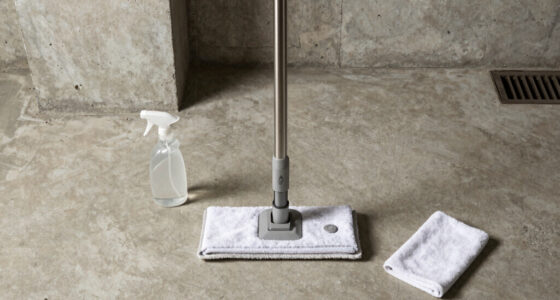
Dry microfiber dust mop
Captures dust, pet hair, and fine grit without adding moisture to seams or plank edges.
Light damp wipe
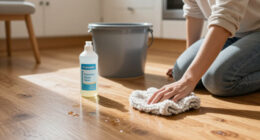
Use a barely damp microfiber cloth for spots and traffic lanes. The floor should dry quickly.
Mild cleaning solution
A few drops of gentle soap in water can lift residue without harsh chemicals or flooding.
Trace the damage path.
Steam damage is usually a chain reaction. Break the chain early by controlling moisture, heat, dwell time, and manufacturer compliance.
Steam
Heat and vapor hit the floor surface.
Seams
Moisture finds plank joints and edges.
Core
Water reaches layers, glue, or backing.
Stress
Swelling, warping, or adhesive failure begins.
Prevention
Microfiber care keeps floors stable.
Quick answers homeowners ask.
The practical answer is cautious and material-specific: laminate and engineered wood should usually avoid steam, while sealed vinyl may allow brief, low-steam use.
Is steam safe on laminate?
Generally, no. Most laminate floors are sensitive to moisture, and steam can cause swelling or lifted seams.
Can vinyl plank handle steam?
Sometimes. Sealed vinyl plank may tolerate low steam for short sessions, but you should test first and check documentation.
Will steam void a warranty?
Potentially. If the manufacturer warns against steam cleaning, using it can leave damage uncovered.
What is the safest method?
Regular sweeping or vacuuming followed by a lightly damp microfiber mop is the safest routine for most floating floors.
Why Your Floor Material Matters More Than You Think
Not all floating floors react the same to steam. Laminate and engineered wood are especially sensitive because their layers are glued and sealed but can swell or warp when exposed to excess moisture. Think of these floors like a layered cake—if water seeps in between the layers, it can cause the layers to separate or bubble, leading to permanent damage. This swelling not only ruins the appearance but can compromise the structural integrity, making the floor brittle or uneven over time.
Vinyl and Luxury Vinyl Tile (LVT) tend to be more resilient because they are designed to withstand moisture; however, prolonged or intense steam exposure can weaken adhesives or cause warping, especially if the sealing isn’t perfect. For example, a vinyl plank might handle a quick, low-heat pass, but repeated steam sessions could loosen the adhesive bonds or cause the material to distort. Knowing these differences helps prevent unintended damage and extends the lifespan of your floors.
Here’s a quick breakdown:
| Floor Type | Damage Risk from Steam | Best Cleaning Method |
|---|---|---|
| Laminate & Engineered Wood | High — moisture causes swelling and warping | Dry or damp microfiber mopping |
| Vinyl & LVT | Low to Moderate — depends on sealing | Light damp mopping, avoid prolonged steam |
Always check your flooring’s specific manufacturer instructions before using a steam mop. Ignoring these guidelines can lead to costly repairs or the need for complete floor replacement, which emphasizes the importance of understanding the material’s vulnerabilities and limitations.
As an affiliate, we earn on qualifying purchases.
What Your Manufacturer Says About Steam Cleaning
Most flooring brands are cautious about steam mops because they recognize the potential for damage. Many explicitly warn against using them, citing risks like swelling, delamination, or adhesive failure that can void warranties. For example, a popular laminate brand might state, ‘Do not use steam cleaners on this floor. Excess moisture can cause swelling and delamination.’
This warning exists because manufacturers understand that moisture penetration, especially from high-temperature steam, can compromise the delicate balance of glues and seals within the flooring layers. Ignoring these warnings might not only damage your floor but also void any warranty coverage, leaving you financially responsible for repairs. Testing a small, hidden area before full cleaning is a crucial step—think of it as a risk assessment that helps you understand how your specific floor reacts without risking the entire surface.
In some cases, manufacturers of vinyl floors have approved low-heat, low-steam settings or specific steam mops designed for their products. However, such approval is rare and usually comes with strict guidelines, making it essential to consult your product’s documentation or contact the manufacturer directly. Recognizing these nuances ensures you’re making an informed decision that preserves your flooring’s longevity.
The takeaway? When in doubt, stick with safer cleaning methods or consult your floor’s warranty to avoid costly mistakes that could compromise your flooring’s integrity and your financial investment.
As an affiliate, we earn on qualifying purchases.
How to Use a Steam Mop Safely on Floating Floors (If Allowed)
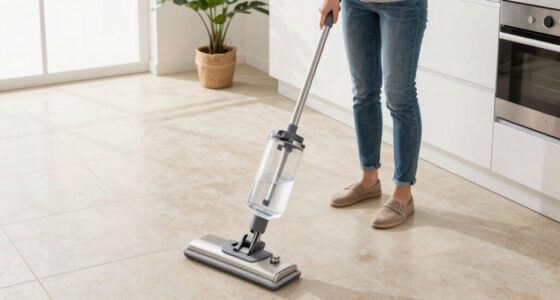
If your manufacturer approves or you decide to try steam cleaning, follow these steps to minimize risks:
- Check the manufacturer’s instructions for your specific floor type.
- Use the lowest steam setting — less moisture means lower risk.
- Keep the mop moving — don’t linger in one spot. This prevents excessive heat and moisture buildup, which can cause localized damage.
- Limit the duration — a quick pass is safer than a prolonged session. Extended exposure increases the chance of moisture seeping into seams and layers.
- Test first on a hidden area. Wait 24 hours to see if there’s any warping or swelling, ensuring your floor can handle the steam without adverse effects.
- Use a microfiber cloth attachment if possible, to control steam flow and prevent oversaturation. This method helps maintain a gentle, uniform cleaning process that reduces the risk of damage.
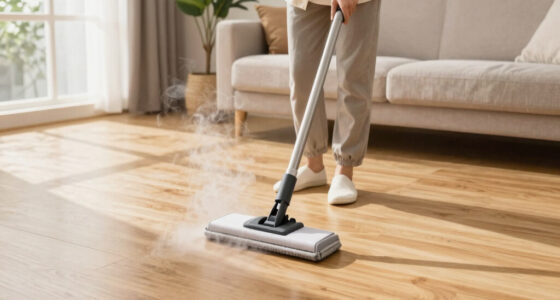
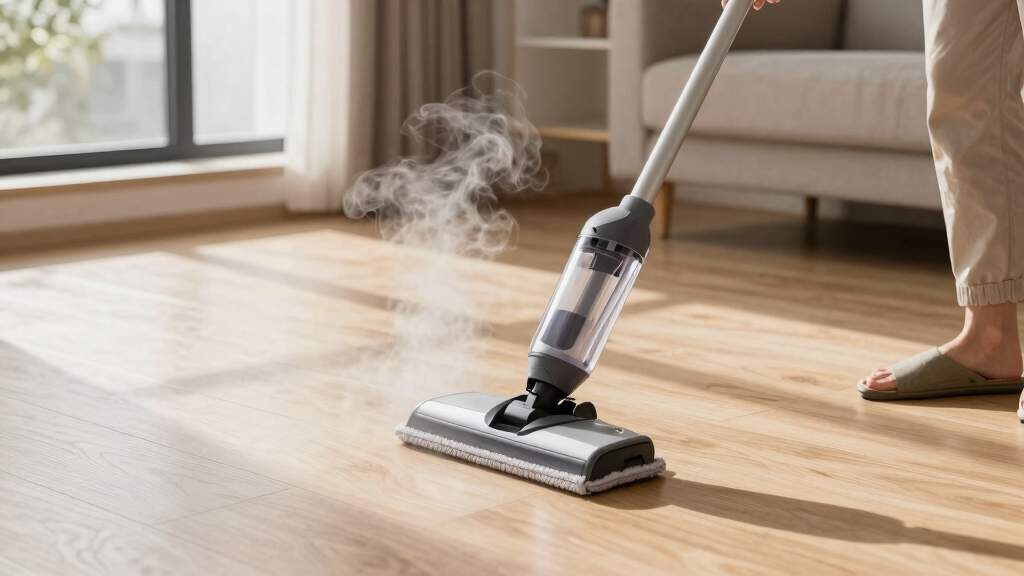
Imagine gently gliding the mop across your vinyl plank, feeling the soft hiss of steam. Keep it light, quick, and cautious. This approach reduces the chance of damage while still cleaning effectively.
Remember: when it comes to delicate floating floors, less is more. The key is to balance cleaning power with patience, understanding that even small excesses in moisture or heat can have long-term consequences.
engineered wood floor cleaning mop
As an affiliate, we earn on qualifying purchases.
As an affiliate, we earn on qualifying purchases.
Alternatives to Steam Mopping for Floating Floors
If you’re unsure about steam, there are safer ways to keep your floors sparkling and protect their longevity. Gentle cleaning methods are often more effective in the long run because they minimize the risk of moisture intrusion and preserve the structural integrity of delicate materials. For most floating floors, especially those sensitive to moisture, these alternatives are recommended:
- Dry microfiber dust mops — these are excellent for quickly removing dust, pet hair, and dirt without introducing any moisture that could seep into seams or layers. Regular use prevents abrasive buildup that can scratch or dull the surface.
- Damp microfiber cloths — lightly moistened cloths can clean stubborn spots and spills without the risks associated with wet mops or steam. They provide enough moisture to lift dirt while avoiding saturation.
- Regular sweeping or vacuuming — this simple step removes debris that can scratch or damage the floor over time. It’s a crucial preventive measure that keeps your floors looking pristine.
- Light cleaning solutions — if needed, mix a few drops of gentle dish soap with water and wipe with a microfiber cloth. This solution offers cleaning power without the harsh chemicals or excessive moisture that could harm sensitive floors.
For example, a homeowner with laminate flooring might use a microfiber dust mop daily and damp wipe weekly, ensuring their floors stay clean without risking swelling or warping. The key is consistency and choosing methods that prioritize safety over aggressive cleaning techniques.
Ultimately, unless your floors are specifically sealed and approved for steam cleaning, sticking to these gentle, damage-free methods will prolong their beauty and structural integrity for years to come.
Amazonmicrofiber dust mop for hardwood floors
As an affiliate, we earn on qualifying purchases.
As an affiliate, we earn on qualifying purchases.
Frequently Asked Questions
Is it safe to use a steam mop on laminate flooring?
Generally, no. Most laminate floors are sensitive to moisture, and steam mops can cause swelling, warping, or delamination. Always check your manufacturer’s advice before using steam on laminate surfaces.
Can I use a steam mop on vinyl plank flooring?
Often yes, if the vinyl is sealed and your steam mop has adjustable settings. Still, it’s best to verify your vinyl’s sealing status and the manufacturer’s recommendations to avoid damage.
What are safer ways to clean floating floors without risking damage?
Use a microfiber dust mop for daily debris, damp microfiber cloths for light cleaning, and avoid excessive moisture. These gentle methods protect your floors better than steam.
Will using a steam mop void my flooring warranty?
Potentially, yes. Many manufacturers specify that steam cleaning can void warranties. Always review your warranty and care instructions before proceeding.
How often should I clean my floating floors without risking damage?
Regular sweeping or vacuuming daily, plus damp mopping once a week or as needed, keeps floors clean without moisture buildup. Stick to gentle methods for longevity.
Conclusion
Steam mops aren’t a one-size-fits-all solution for floating floors. When used cautiously and with proper testing, they can work on certain sealed vinyl surfaces. But for most sensitive floors, gentle dry or damp cleaning preserves their beauty and integrity.
Think of your floors like a delicate piece of art — a little care and caution go a long way. When in doubt, opt for safer cleaning methods to keep your floors looking pristine for years to come.
EVERGREEN BESTSE Evergreen bestsellers Picks
bestsellersbestsellers
As an affiliate, we earn on qualifying purchases.