TL;DR

Get cleaning gear delivered free with Prime
- Fast, free delivery on millions of items
- Prime Video, Amazon Music and more included
- Member-only deals all year
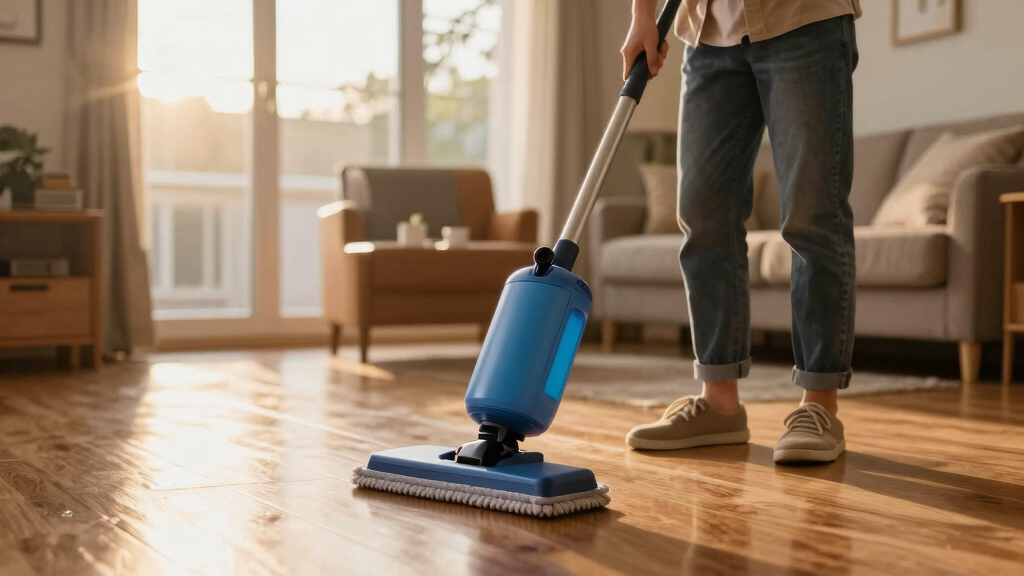
Steam mops are great for many surfaces but can damage unsealed wood, unsealed stone, laminate, and vinyl floors. Always check manufacturer guidelines and test in a hidden spot first to prevent costly repairs.
Ever grabbed a steam mop thinking it’s a quick fix for any floor? Think again. While steam mops promise a chemical-free deep clean, they can turn on you if used on the wrong surfaces. Damage isn’t always obvious at first—warped wood, stained stone, or bubbling vinyl can sneak up after a few uses.
This guide will help you spot the floors that need a gentler touch. Knowing what to avoid keeps your floors looking their best and saves you from costly repairs or replacements.
Always check the manufacturer’s recommendations before using a steam mop on any floor.
Unsealed wood, unsealed stone, laminate, and some vinyl floors are too vulnerable for steam cleaning.
Test a small, hidden area on your floor with the lowest steam setting before full cleaning.
Using a steam mop improperly can lead to warping, bubbling, and costly repairs.
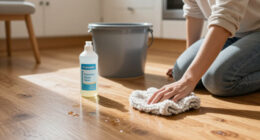
Gentle sweeping or damp microfiber mops are safer alternatives for delicate surfaces.
The Floors You Should Never Touch With a Steam Mop
TL;DR: Steam mops can be brilliant on compatible surfaces, but they can damage unsealed wood, unsealed stone, laminate, and some vinyl floors. Check the manufacturer guidance, test a hidden spot, and use a gentler method when the floor is porous, layered, or heat sensitive.
Floor families should usually stay off the steam list: unsealed wood, unsealed stone, laminate, and heat-sensitive vinyl.
Use the lowest setting in a hidden spot and watch for swelling, dullness, bubbling, or color change.
Steam is water plus heat. On porous or unsealed surfaces, that combination can drive moisture into the floor before damage becomes visible.
Manufacturer guidance decides whether steam is allowed.
Water vapor can swell seams, cores, pores, and fibers.
Warping, bubbling, and staining are the common red flags.
Damp, not wet, is the safer default for delicate floors.
If approved, keep steam low and the mop moving.
Floors that wrinkle, bubble, or warp
Steam mops are most risky where moisture can enter the material, creep into seams, or soften adhesives and backing layers. These floors need a lighter touch.
Unsealed Wood
Risk: moisture absorption, swelling, buckling, cracked finish, and warped planks that may need replacement.
Unsealed Stone
Risk: staining, mineral discoloration, etching, and dull patches on marble, natural stone, or porous tile.
Laminate
Risk: steam enters seams, swells the fiberboard core, lifts edges, and can trigger peeling or delamination.
Some Vinyl
Risk: heat and moisture may weaken backing layers, discolor finishes, loosen adhesive, or create bubbles.
Steam mop safety by surface
Use this as a fast screening tool. The final answer should still come from your flooring label, warranty booklet, or manufacturer support page.
| Floor Type | Steam Safe? | Why It Matters | Better Option |
|---|---|---|---|
| Unsealed hardwood or vintage wood | ✗ Avoid | Absorbs moisture quickly and can warp or buckle. | Damp microfiber cloth, dry mop, soft broom. |
| Unsealed stone, marble, or porous tile | ✗ Avoid | Water can enter pores and cause stains or etching. | pH-neutral cleaner approved for the stone. |
| Laminate flooring | ✗ Usually no | Seams and fiberboard cores are vulnerable to swelling. | Dry dusting plus lightly damp microfiber. |
| Vinyl or linoleum | ~ Check | Some products tolerate moisture; others dislike heat or steam. | Manufacturer-approved cleaner and soft mop. |
| Sealed ceramic or porcelain tile | ✓ Often safe | Dense sealed surfaces generally handle moisture better. | Low steam, quick passes, avoid soaking grout. |
| Sealed hardwood approved for steam | ~ Conditional | Only safe when the finish and manufacturer explicitly allow it. | Lowest setting, test patch, keep moving. |
How to protect your floors in four moves
Steam damage prevention is mostly decision discipline: confirm the surface, test quietly, control moisture, and stop if the floor reacts.
Check
Find the manufacturer’s cleaning instructions. If it says no steam, skip the steam mop.
Test
Use the lowest setting in a hidden area for 10 seconds, then inspect for changes.
Move
Never hold steam in one spot. Quick passes reduce moisture buildup and heat stress.
Switch
For delicate floors, use sweeping, vacuuming, or a barely damp microfiber mop instead.
Moisture vulnerability at a glance
The more porous, layered, or heat-sensitive the floor is, the less forgiving it becomes. Sealed surfaces can still require caution, but unsealed and laminate floors sit at the danger end of the scale.
The safer habit
Before every steam-cleaning session, treat the floor like a material system: surface, finish, seams, backing, and warranty all matter.
- 1Read the floor maker’s cleaning guidance before steam touches the surface.
- 2Use the lowest steam setting only when the floor is approved.
- 3Stop immediately if you see swelling, color change, dulling, or edge lift.
Frequently asked questions
The simplest rule is also the most useful: steam belongs on surfaces designed to withstand heat and moisture, not on floors that drink it in.
Can I use steam on hardwood?
Only if the hardwood is sealed and the manufacturer explicitly approves steam cleaning. Otherwise, use a damp microfiber cloth or soft broom.
Is laminate safe?
Usually no. Moisture can enter seams, swell the core, and cause peeling or delamination, even when the surface looks sealed.
Which floors are safer?
Sealed ceramic, porcelain tile, some approved vinyl, and manufacturer-approved sealed hardwood are the better candidates.
Why Some Floors Crack Under Steam — And Why It Matters
Steam is just water vapor, but it’s powerful enough to cause real trouble on certain floors. Porous or unsealed materials soak up moisture, leading to swelling, warping, or staining. When water penetrates these surfaces, it can compromise the integrity of the material, causing long-term damage that may not be immediately visible. For example, unsealed wood can absorb excess moisture, leading to expansion and warping that distorts the floor’s appearance and can weaken its structural stability. This damage can be costly to repair or replace, especially if it affects large areas.
Understanding why some floors are vulnerable helps you appreciate the importance of proper cleaning methods. It’s not just about avoiding visible damage; moisture infiltration can also lead to mold growth or deterioration over time. Conversely, sealed surfaces are designed to repel moisture, making them more resilient to steam cleaning. Recognizing these differences allows you to select cleaning tools that preserve your floors’ longevity and appearance.
microfiber mop for delicate floors
As an affiliate, we earn on qualifying purchases.
As an affiliate, we earn on qualifying purchases.
Floors That Will Wrinkle, Bubble, or Warp — Stay Away!
Here’s a detailed look at why these floors are particularly susceptible to steam damage, and what the potential consequences are. Unsealed or porous wood absorbs moisture rapidly, which causes the fibers to swell, leading to warping, buckling, or cracking that can be irreversible. When moisture gets trapped beneath the surface, it can also promote mold growth, further damaging the material and creating health risks.
Unsealed stone or marble is prone to staining and etching because water seeps into tiny pores, dissolving minerals and causing discoloration or surface etching. This not only ruins the appearance but can also weaken the stone’s surface over time. Laminate flooring often has a fiberboard core sealed with a photographic layer. Moisture infiltration causes the seams to swell, bubble, or peel, which can compromise the entire floor’s stability. Vinyl or linoleum, while generally durable, may have sensitive backing layers or finishes that discolor, bubble, or warp when exposed to heat and moisture.
Knowing these vulnerabilities helps you avoid costly mistakes. For instance, a homeowner who used a steam mop on vintage oak flooring with a weak seal ended up with warped planks that needed replacement, illustrating how damage can be both immediate and long-lasting. The tradeoff is that while steam cleaning offers convenience and chemical-free sanitation, it risks compromising the structural integrity and aesthetic of sensitive floors if not used correctly.
As an affiliate, we earn on qualifying purchases.
How to Protect Your Floors From Steam Damage — 3 Simple Tips
- Always check the manufacturer’s guidance. If it says ‘not suitable for steam cleaning,’ avoid it. This advice is based on extensive testing and knowledge of the floor’s material properties—ignoring it can lead to irreversible damage that voids warranties and incurs costly repairs.
- Test first in a hidden spot. Use the lowest steam setting and hold the mop a few inches away for 10 seconds. Observe any changes—such as swelling, discoloration, or warping. This step helps you gauge whether your floor can handle steam without risking visible or structural damage. It’s a small effort that can save you from large expenses later.
- Keep the mop moving. Don’t linger in one spot. Quick, sweeping passes prevent excess moisture from seeping into the material and causing localized damage. Consistent movement also ensures the heat and moisture are evenly distributed, reducing the risk of warping or bubbling. Think of it as gently ‘reading’ your floor’s response and adjusting your technique accordingly for longevity.
Imagine gently gliding a microfiber cloth across your sealed hardwood—keeping water where it belongs and avoiding saturation. The goal is to use steam as a cleaning aid only when your floor’s material and finish can handle it, preserving its beauty and structural integrity for years to come.
floor protection pads for steam mops
As an affiliate, we earn on qualifying purchases.
As an affiliate, we earn on qualifying purchases.
The Risks of Ignoring Manufacturer Warnings
Many floors come with specific cleaning instructions, often based on extensive testing by manufacturers. Ignoring these guidelines can void warranties, leaving you financially responsible for repairs that could have been avoided. For example, some vinyl floors are explicitly marked ‘not for steam cleaning’ because the heat and moisture can weaken the backing or cause discoloration—yet many homeowners overlook this warning, risking damage that’s difficult and expensive to repair.
Following the manufacturer’s advice is crucial because it’s designed to protect your investment. Proper cleaning methods maintain the integrity of the finish and material, preventing issues like bubbling, cracking, dulling, or staining. When you disregard these instructions, you risk not only damaging the floor but also losing warranty coverage, which could mean significant out-of-pocket expenses to fix preventable problems. Knowledge of these risks underscores the importance of reading labels and adhering to recommended cleaning protocols—saving you money and hassle in the long run.
As an affiliate, we earn on qualifying purchases.
Frequently Asked Questions
Can I use a steam mop on hardwood floors?
Only if your hardwood is sealed and explicitly approved by the manufacturer for steam cleaning. Otherwise, it’s safer to stick with a damp microfiber cloth or soft broom to avoid warping or damage.
Is steam cleaning safe for laminate flooring?
Generally not. Most laminates are sensitive to moisture, which can cause seams to swell and the surface to peel. The porous core of laminate flooring is particularly vulnerable because it can absorb water through small gaps or damaged areas, leading to swelling and delamination. Even sealed laminates are at risk if excess moisture penetrates the sealant over time. Always consult your flooring’s manufacturer guidelines to determine if steam cleaning is recommended, and consider gentler cleaning methods to preserve the integrity of your flooring.
What floors are safe to clean with a steam mop?
Sealed ceramic and porcelain tiles, vinyl floors, and sealed hardwood are usually safe—always verify your manufacturer’s instructions first. These surfaces are designed to withstand moisture and heat, making them suitable candidates for steam cleaning when used correctly. However, even on these surfaces, avoid excessive or prolonged steam application to prevent issues like grout discoloration or finish deterioration.
How do I know if my floor is suitable for steam cleaning?
Look at the manufacturer’s label or instructions—these typically specify whether steam cleaning is safe. If unsure, contact the flooring supplier or installer for guidance. Conduct a spot test in a discreet area: apply a minimal amount of steam and observe for any signs of damage, such as discoloration, swelling, or warping. This proactive approach helps prevent costly mistakes and ensures you’re using the right cleaning method for your specific flooring.
Are there alternatives for cleaning delicate floors without a steam mop?
Yes. Gentle sweeping, microfiber damp cloths, and specific cleaning solutions formulated for delicate surfaces are safer options. For example, a soft broom combined with a lightly damp microfiber cloth can effectively remove dirt without risking moisture damage. These methods preserve the finish and structural integrity of sensitive floors, providing a safer, long-term cleaning solution.
Conclusion
Choosing the right cleaning method keeps your floors looking their best—and saves you money. When in doubt, stick to gentle sweeping or damp cloths instead of steam. Your floors will thank you for it, and your wallet will stay in better shape.
Remember, a little caution goes a long way. Before reaching for that steam mop, confirm your floor type and follow the manufacturer’s advice. Protect your surfaces, and they’ll serve you well for years to come.
Halloween Picks
halloween
As an affiliate, we earn on qualifying purchases.