
TL;DR

Get cleaning gear delivered free with Prime
- Fast, free delivery on millions of items
- Prime Video, Amazon Music and more included
- Member-only deals all year
Getting streak-free tile is all about using the right cleaning method, choosing gentle products, and drying thoroughly. Regular maintenance and smart tools make it easier to keep tiles spotless and streak-free every time.
Nothing kills the shine of your tile floor faster than streaks. You spend hours scrubbing, only to be left with cloudy lines and water spots. But with a few simple tricks, you can make your tiles gleam without streaks—every single time.
This guide reveals the practical steps to keep your tile surfaces crystal clear and streak-free. Whether you’re tackling a kitchen backsplash or bathroom floor, these tips are straightforward, safe, and sustainable. Let’s get your tiles looking flawless and shiny—no streaks in sight.
Always dry tiles immediately after cleaning to prevent water spots and streaks.
Use microfiber cloths or squeegees for quick, streak-free results on large surfaces.
Choose gentle, pH-balanced cleaners and avoid over-soaping to prevent residues.
Hard water minerals can cause streaks—consider softened or distilled water for best results.
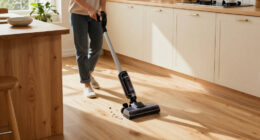
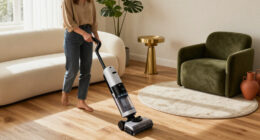
Regular maintenance with smart tools like robotic mops can keep tiles consistently streak-free.
Start With the Right Cleaning Tools and Technique
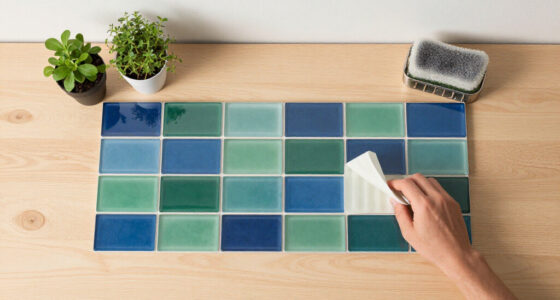
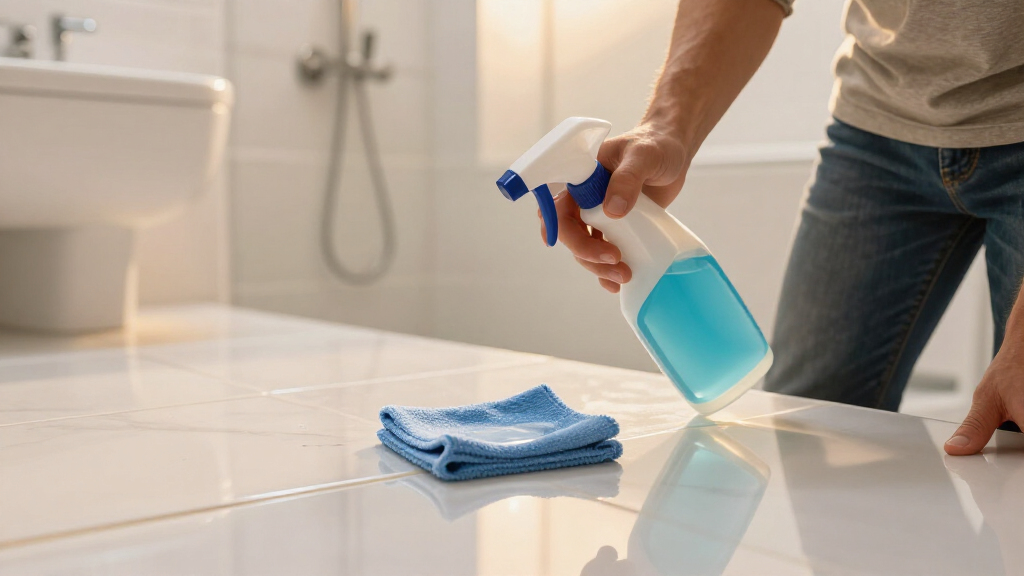
Choosing the right tools makes all the difference. A soft microfiber cloth or a high-quality squeegee quickly lifts water and grime without leaving scratches or streaks. When you clean, use gentle, circular motions and avoid harsh scrubbers that can damage the surface or spread residue.
For example, a microfiber cloth glides smoothly over ceramic tiles, trapping dirt and moisture without streaking. Pair that with a soft sponge or mop for larger areas, and you’re on your way to flawless results.
microfiber cleaning cloth for tiles
As an affiliate, we earn on qualifying purchases.
As an affiliate, we earn on qualifying purchases.
Pick the Perfect Cleaning Solution — No Residue, No Streaks
Using the right cleaning product is key. pH-balanced cleaners or a simple vinegar-water solution work wonders. An easy mix is 1 cup of white vinegar in 1 gallon of lukewarm water. It cuts through grease and soap scum without leaving film.
Be cautious with commercial cleaners — some leave residues that cause streaks. Always rinse thoroughly and avoid overly soapy solutions that dry into stubborn streaks. For instance, after mopping with vinegar solution, a quick wipe with a dry microfiber cloth seals the deal.
As an affiliate, we earn on qualifying purchases.
Why Water Quality Matters More Than You Think
Hard water contains minerals like calcium and magnesium, which can leave dull spots and streaks that tarnish the appearance of your tiles over time. These mineral deposits form due to the interaction between minerals in the water and the soap or cleaning solutions used. When water evaporates, it leaves behind these residues, creating a cloudy or streaked look. Using distilled or softened water reduces this risk because it lacks these mineral contents, ensuring a cleaner, more uniform finish. For example, homeowners with hard water often notice persistent streaks even after thorough cleaning. Switching to filtered or distilled water not only improves the appearance but also extends the lifespan of your tiles by reducing mineral buildup and potential etching or damage caused by mineral deposits.
Understanding this is crucial because mineral deposits don’t just affect appearance—they can also cause long-term damage. Mineral buildup can etch into the tile surface, leading to a rougher texture and potential staining that is difficult to remove. Moreover, streaks caused by mineral residues can give an unprofessional, neglected look, diminishing the overall aesthetics of your space. Choosing softened or distilled water minimizes these risks, ensuring your tiles stay smooth, shiny, and free of streaks over time.
As an affiliate, we earn on qualifying purchases.
Master the Art of Drying — Your Secret to Spotless Shine
Drying immediately after cleaning is crucial. Use a clean microfiber cloth or a squeegee to remove excess water. This simple step prevents mineral deposits and water spots that cause streaks.
Imagine washing your bathroom tiles and then quickly running a squeegee across the surface. The result? Sparkling, streak-free tiles that look freshly sealed. Don’t let water sit—dry thoroughly for a mirror-like finish.
The importance of proper drying cannot be overstated. Residual moisture left on tiles can evaporate unevenly, leaving behind mineral residues or streaks. Using a squeegee helps remove water efficiently, especially on large, flat surfaces, reducing the chance of water spots. Follow this with a microfiber cloth to absorb any remaining moisture. This extra step ensures that no water is left behind to evaporate and leave streaks, resulting in a perfectly clear, glossy surface that enhances the tile’s natural beauty.
distilled water for cleaning tiles
As an affiliate, we earn on qualifying purchases.
As an affiliate, we earn on qualifying purchases.
The Power of Regular Maintenance and Smart Tools
Frequent cleaning keeps grime from building up, making streak-free results easier. For busy households, a weekly quick wipe with a microfiber cloth or steam mop prevents stubborn buildup.
Recent innovations include robotic mops that maintain tiles with minimal effort. For example, a homeowner set a robotic steam cleaner to run daily, and their tiles stayed pristine and streak-free without extra work.
Regular maintenance is more than just a routine—it’s a preventive strategy. When grime and mineral deposits are allowed to accumulate, they become more difficult to remove and can cause streaks even after cleaning. Investing in smart tools like robotic mops or steam cleaners automates this process, ensuring consistent results without additional effort. These devices can reach tight corners and large areas uniformly, reducing human error and maintaining a streak-free shine over time. Consistency in cleaning routines prevents the buildup of residues that compromise tile appearance, ultimately saving time and effort while keeping your surfaces flawless.
Comparison of Top Cleaning Tools for Streak-Free Tiles
| Tool | Best For | Pros | Cons |
|---|---|---|---|
| Microfiber Cloth | Spot cleaning, small areas | Gentle, absorbs water, reusable | Requires manual effort for large areas |
| Squeegee | Large surfaces, glassy tiles | Fast, streak-free finish, easy to use | Needs to be cleaned regularly |
| Steam Mop | Floor tiles, sealed surfaces | Deep cleaning, sanitizes, dries quickly | Check surface compatibility before use |
What To Avoid To Keep Your Tiles Streak-Free
Avoid using abrasive scrubbers, harsh chemicals, or over-soaping solutions. These can scratch tiles or leave residues that cause streaks. Also, never forget to rinse thoroughly and dry immediately.
For example, a homeowner used a strong bleach solution and ended up with dull, streaked tiles. Switching to gentle, pH-balanced cleaners and quick drying restored their shine.
Can Steam Cleaning Help You Achieve a Streak-Free Finish?
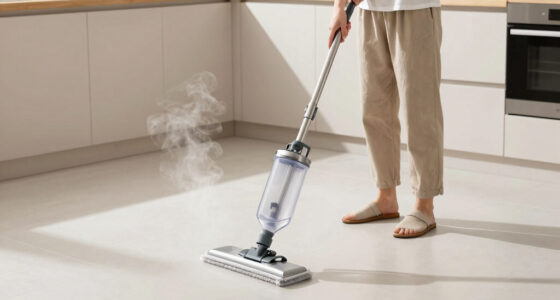
Steam cleaning can be very effective if your tiles are compatible. It lifts dirt and disinfects without residues. Just make sure to follow the manufacturer’s instructions and test a small, hidden area first.
For example, a homeowner used a steam mop on their ceramic kitchen tiles, and the results were shiny and streak-free—no chemical residues needed.
Frequently Asked Questions
Can I use vinegar on all types of tiles?
Vinegar is safe for most ceramic and porcelain tiles, but avoid using it on natural stone like marble or travertine, as the acidity can damage the surface. Always test in a hidden spot first.
How often should I clean my tiles to prevent streaks?
For most households, a weekly quick wipe and deep cleaning every month helps prevent grime buildup. Regular maintenance keeps streaks at bay and tiles looking fresh.
What’s the best way to remove mineral deposits without streaking?
A mixture of equal parts vinegar and water applied with a microfiber cloth can dissolve mineral deposits. Rinse thoroughly and dry immediately for best results.
Can steam cleaners damage my tile surfaces?
Steam cleaners are safe on sealed tiles like ceramic or porcelain if used according to manufacturer instructions. Always test first and avoid steam on unsealed surfaces or natural stone.
Conclusion
Streak-free tiles don’t happen by magic—they come from smart cleaning habits. Use the right tools, choose gentle solutions, and dry thoroughly. That’s all it takes to keep your surfaces gleaming, no streaks in sight.
Next time you clean, remember: a quick wipe and a good dry make all the difference. Glassy, spotless tiles are just a few simple steps away—your home’s shining smile.
Fall Picks
fall essentials
As an affiliate, we earn on qualifying purchases.