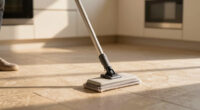
TL;DR

Get cleaning gear delivered free with Prime
- Fast, free delivery on millions of items
- Prime Video, Amazon Music and more included
- Member-only deals all year
Never use a steam mop on unsealed floors. The high heat and moisture can cause warping, staining, and mold. Instead, opt for gentle, dry cleaning methods to protect your floors long-term.
Imagine the rich, warm aroma of a freshly cleaned wooden floor—crisp and inviting. Now picture that same floor warped, stained, or swollen because someone used a steam mop on it. It happens more often than you think. Many folks assume steam cleaning is safe for all surfaces, but the truth is, unsealed floors are especially fragile.
If you want your floors to last, you need to know what kind of surface you’re dealing with. In this guide, I’ll explain why steam mopping can be a disaster for unsealed surfaces, how to spot if your floor is unsealed, and what safe alternatives you should consider instead.
Never use a steam mop on unsealed floors—moisture seeps in and causes damage.
Test your floor with a water droplet to determine if it’s sealed or unsealed before cleaning.
Opt for dry sweeping or damp mopping with gentle cleaners for unsealed surfaces.
Re-sealing floors can protect them from moisture damage, but must be done correctly.
Always follow manufacturer instructions and avoid high heat or excessive moisture on porous, unsealed floors.
Why You Should Never Steam Mop an Unsealed Floor
TL;DR: Never use a steam mop on unsealed floors. High heat and moisture can seep into porous surfaces, causing warping, staining, swelling, and mold. Gentle dry cleaning protects your floor’s finish, structure, and long-term value.
Unsealed floors behave like a sponge under steam: they absorb moisture first, then show damage later.
Unsealed floors lack the coating that keeps liquid on the surface.
Vapor moves into pores, fibers, grout lines, and natural stone.
Wood can swell, ridge, cup, or loosen after repeated exposure.
Sweep, vacuum, then use a barely damp microfiber mop if needed.
Porous floors drink in what sealed floors repel.
Sealed floors have a protective layer such as polyurethane, acrylic, or stone sealant. Unsealed hardwood, cork, limestone, travertine, terrazzo, and concrete do not. That missing barrier is why steam cleaning can become structural damage rather than simple surface cleaning.
Fibers swell
Steam can penetrate wood fibers, causing cupping, ridges, dull patches, and loose boards over time.
Minerals stain
Unsealed limestone, marble, and travertine can absorb moisture, cleaners, and minerals that leave discoloration.
Pores trap damp
Porous materials can hold moisture below the surface, raising the risk of mold, mildew, and erosion.
How a “quick clean” turns into a costly repair.
Steam mops are built to loosen grime with high-temperature vapor. On unsealed floors, the same heat and moisture bypass the surface and move into the material itself.
Steam released
Heat and vapor hit the floor faster than a porous surface can resist.
Moisture enters
Water seeps into wood grain, stone pores, cork, grout, or concrete.
Material expands
Fibers swell, minerals react, and the surface begins to shift.
Damage hides
Moisture can remain below the surface after the top appears dry.
Repairs escalate
Warping, stains, mold, or voided warranties can require replacement.
Sealed vs. unsealed floors under steam.
The same steam mop can be reasonable on a manufacturer-approved sealed surface and risky on an unsealed one. The difference is the barrier.
| Feature | Sealed floors | Unsealed floors |
|---|---|---|
| Moisture resistance | ✓High; water beads up and stays near the surface. | ✗Low; moisture absorbs quickly into the material. |
| Damage risk from steam | ~Usually minimal only when manufacturer guidelines approve it. | ✗High; swelling, discoloration, warping, and mold become more likely. |
| Repair cost | ✓Often minor when damage is superficial. | ✗Can be expensive if boards, tiles, or subfloor areas need replacement. |
| Warranty impact | ~Usually protected when cleaning instructions are followed. | ✗Steam or excess moisture may void flooring warranties. |
Run the water-drop test, then choose the gentlest method.
If you do not know whether your floor is sealed, assume it is vulnerable until proven otherwise. A small test can prevent a large repair bill.
The water-drop test
Place a few drops of water on a hidden area. If the water beads, the surface may be sealed. If it darkens or soaks in quickly, treat the floor as unsealed.
Pick a discreet spot near a wall or under furniture.
Wait several minutes and watch whether water beads or absorbs.
Check manufacturer care instructions before using moisture or heat.
The safer cleaning ladder
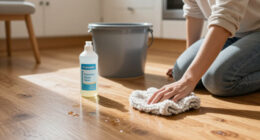
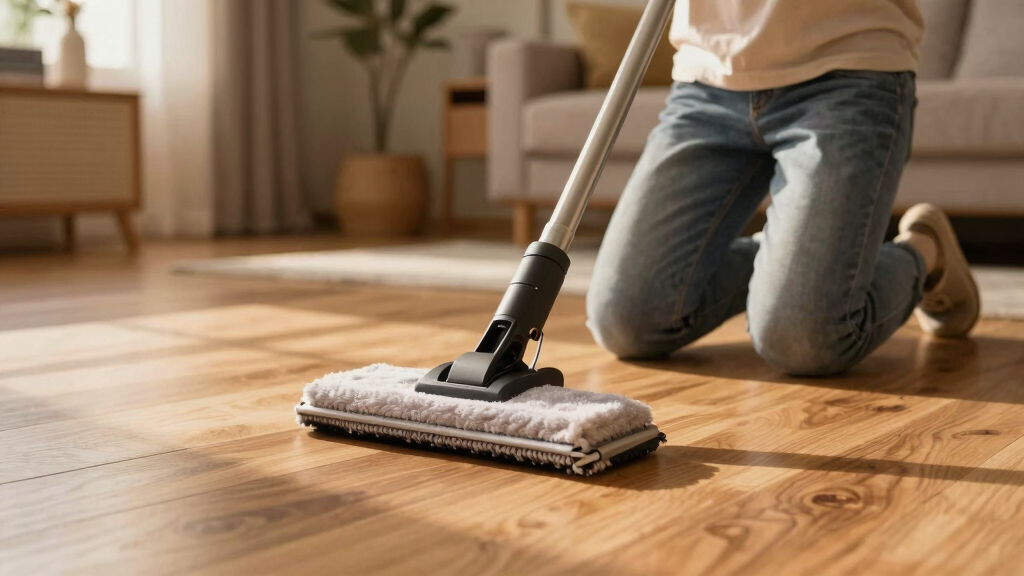
Start dry. Sweep or vacuum grit first so particles do not scratch the floor. For residue, use a barely damp microfiber mop with a gentle, pH-neutral cleaner, then dry the surface immediately.
Re-sealing can help protect floors from future moisture, but it must be matched to the floor material and applied correctly.
What to do instead of steam mopping.
The goal is simple: remove dirt without forcing heat or excess water into porous flooring.
Never steam unsealed floors
Moisture can seep in and cause hidden damage long before the surface looks ruined.
Test before cleaning
Use the water droplet test to check whether a protective seal is present.
Use dry-first methods
Sweep, vacuum, or use a microfiber mop that is damp, not wet.
Respect the warranty
Follow manufacturer instructions and avoid high heat on porous surfaces.
Plain answers for common floor-care doubts.
When in doubt, avoid steam until you have confirmed the floor type, seal status, and manufacturer guidance.
Can I use a steam mop on hardwood?
Only if the hardwood is sealed and the manufacturer explicitly approves steam cleaning. If you are unsure, skip it.
Are modern steam mops safer?
Adjustable steam levels help, but they do not remove the core risk for unsealed, porous materials.
What damage can happen?
Warping, swelling, staining, discoloration, surface erosion, mold growth, and warranty issues.
What is the best alternative?
Dry sweeping or vacuuming first, then a barely damp microfiber mop with a gentle cleaner when needed.
What Does ‘Unsealed’ Mean and Why Does It Matter?
Unsealed floors are like a sponge—porous and thirsty for moisture. Unlike sealed surfaces, which have a protective layer that repels water, unsealed floors lack this barrier, making them highly susceptible to damage from moisture penetration. This difference isn’t just about appearance; it affects the very integrity and longevity of your flooring.
For instance, unsealed hardwood or natural stone like limestone can quickly absorb water, leading to swelling, warping, and staining. When you use a steam mop, the high-temperature vapor floods these porous surfaces with moisture, which can seep deep beneath the surface. Over time, this can cause the wood fibers to swell and loosen, resulting in warping and structural weakness. Similarly, natural stones without a sealant can develop stains or discoloration as liquids penetrate and react with the material.
This matters because once moisture infiltrates unsealed floors, removing it can be difficult, and the damage—such as warping, staining, or mold growth—may be irreversible. Recognizing whether your floor is sealed or unsealed isn’t just about following instructions; it’s about understanding the fundamental vulnerability of your flooring material and the long-term implications of moisture exposure. A simple water test—dropping a few droplets on the surface—can help you determine if a protective barrier exists. Be aware that re-sealing can be a worthwhile investment if you want to use moisture-based cleaning methods safely in the future, but it must be done correctly to be effective.
As an affiliate, we earn on qualifying purchases.
How Steam Mops Damage Unsealed Floors in Real-Life Scenarios
Imagine a homeowner who, eager to clean quickly, uses a steam mop on their unsealed hardwood floor. Initially, it seems effective—dirt is gone, and the surface looks shiny. But within weeks, they notice areas where the wood has swollen, creating bumps and ridges under the finish. The smooth surface becomes warped and dull, and the damage is often hidden beneath the surface, making repairs costly and complex. This swelling occurs because the high heat and moisture from the steam cause water molecules to penetrate deeply into the porous wood fibers, disrupting the natural structure and causing expansion.
Similarly, consider unsealed stone tiles, such as limestone or travertine. The intense heat and moisture can cause these stones to absorb water rapidly, leading to staining, discoloration, and even surface erosion over time. In some cases, mold can develop beneath the surface, especially in areas with poor ventilation, posing health risks and further degrading the material. This damage isn’t just aesthetic; it compromises the integrity of the entire flooring, leading to costly repairs or replacement.
Research from flooring experts confirms that unsealed surfaces are 75% more prone to moisture-related issues. The implications are clear: using a steam mop on unsealed floors doesn’t just risk surface damage—it can lead to structural problems that reduce the lifespan of your flooring, diminish its value, and increase long-term maintenance costs. These real-world scenarios highlight the importance of understanding your floor’s sealing status and choosing cleaning methods that respect its vulnerabilities.
As an affiliate, we earn on qualifying purchases.
Comparison Table: Sealed vs. Unsealed Floors & How They Handle Steam
| Feature | Sealed Floors | Unsealed Floors |
|---|---|---|
| Moisture Resistance | High; water beads up and stays on surface, providing a protective barrier that prevents deep penetration, making them more resilient to cleaning methods involving moisture. | Low; absorbs water quickly, allowing moisture to seep into the material, which can lead to swelling, warping, and staining—especially when exposed to heat and vapor from steam mops. |
| Damage Risk from Steam | Minimal if the manufacturer-approved cleaning guidelines are followed, since the protective seal helps repel moisture and heat. | High; the porous nature allows steam and moisture to penetrate deeply, increasing the likelihood of swelling, discoloration, and mold growth. |
| Repair Cost | Usually minor or none; damage is often superficial and easily fixed with standard cleaning or refinishing. | Can be expensive; damage such as warping or staining may require costly repairs or complete replacement. |
| Warranty Implications | Usually protected if guidelines are followed, since manufacturers expect sealed surfaces to handle standard cleaning methods. | Often voids warranty if damage occurs due to moisture or steam cleaning, as it breaches the recommended care instructions. |
Understanding these differences underscores why unsealed floors are far more vulnerable to moisture damage, especially when using steam cleaning tools. The table emphasizes the importance of knowing your floor’s sealing status to avoid costly mistakes and preserve its condition.
As an affiliate, we earn on qualifying purchases.
Why Using a Steam Mop on Unsealed Floors Is a Bad Idea — Plain and Simple
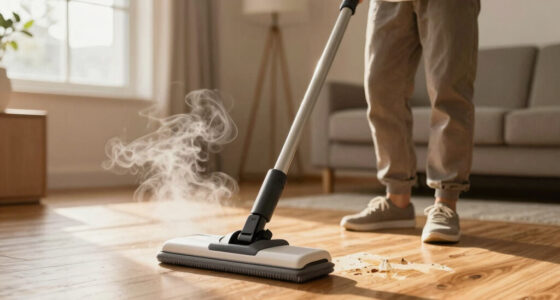
Steam mops generate intense heat and high-pressure vapor designed to break down dirt and grime on sealed surfaces like tiles or sealed hardwood. However, when used on unsealed floors, this same high heat and moisture act like pouring boiling water into a sponge—rapidly saturating the material, causing the fibers or minerals to swell and weaken. This isn’t just about surface stains; it’s about the fundamental integrity of your flooring structure.
Imagine a delicate, $2,000 hardwood floor with a natural finish. Using a steam mop without first verifying the seal can lead to irreversible damage—warping, swelling, discoloration—that diminishes the floor’s beauty and value. Many flooring warranties explicitly prohibit moisture or steam cleaning, because they recognize the risks involved. Ignoring these guidelines can cost you thousands in repairs or replacement.
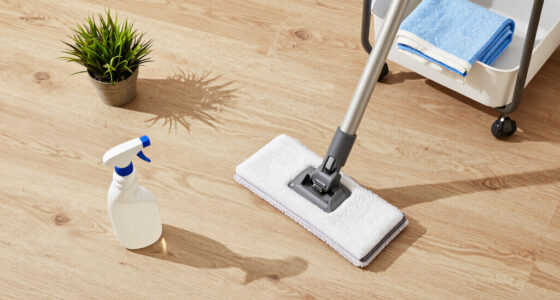
Experts agree: if your floor isn’t sealed, the risks outweigh any convenience a steam mop offers. Instead, opt for dry cleaning methods—like sweeping or damp mopping with a microfiber cloth and a gentle, pH-neutral cleaner. These methods are safer, more cost-effective, and help maintain the natural look and longevity of your floors. The key is understanding that moisture and heat are enemies of unsealed surfaces, and the damage can be both immediate and cumulative, leading to long-term deterioration.
water droplet test for sealed floors
As an affiliate, we earn on qualifying purchases.
As an affiliate, we earn on qualifying purchases.
Frequently Asked Questions
Can I use a steam mop on my hardwood floor?
Only if your hardwood is sealed and the manufacturer approves. If you’re unsure, avoid steam mops altogether to prevent warping, swelling, or damage.How do I test if my floor is sealed?
Drop a few water droplets on the surface. If they bead up, the floor is likely sealed. If they soak in quickly, it’s probably unsealed and needs gentle, moisture-free cleaning.What’s the best way to clean unsealed floors?
Use a soft broom or vacuum first, then damp mop with a microfiber cloth and a mild, pH-neutral cleaner. Dry immediately afterward to prevent moisture from penetrating.Can sealing my unsealed floor fix the damage caused by steam mopping?
Sealing can protect unsealed floors from future moisture damage, but it won’t reverse existing warping or staining. Repair or replacement might be necessary for severe damage.Are there any safe steam cleaning options for sealed floors?
Yes, but only if you follow the manufacturer’s guidelines and use a steam mop with adjustable steam settings. Even then, avoid excessive heat or moisture.Conclusion
Protect your floors like you protect your home—carefully and with knowledge. If your floor isn’t sealed, steer clear of steam mops. Instead, embrace gentle cleaning methods that preserve the natural beauty and longevity of your surfaces.
When in doubt, ask a flooring professional or check your manufacturer’s advice. Your floors will thank you—by staying beautiful, flat, and stain-free for years to come.
Halloween Picks
halloween
As an affiliate, we earn on qualifying purchases.