TL;DR

Get cleaning gear delivered free with Prime
- Fast, free delivery on millions of items
- Prime Video, Amazon Music and more included
- Member-only deals all year
Steam mops can damage linoleum if used incorrectly, especially with excessive moisture or heat. Regular damp mopping and manufacturer guidance are safer for long-term floor health. Use caution and test first.
Imagine the rich, warm scent of a freshly cleaned floor. Now, picture that same floor warping, swelling, or peeling after a steam mop session. Surprising? Maybe. But many homeowners don’t realize how sensitive linoleum is to moisture and heat. This guide will help you understand what risks steam cleaning poses to linoleum and how to clean safely without risking costly damage.
If you’re considering a steam mop for your linoleum floors, you need to know the potential pitfalls and best practices. Not all floors react the same. Knowing the right approach can save you from future repairs and preserve the beauty of your home’s foundation.
Always check your flooring’s manufacturer recommendations before using a steam mop on linoleum.
Excessive moisture and heat from steam cleaners can cause swelling, warping, or mold growth over time.
Sealing your linoleum helps resist moisture, making steam cleaning somewhat safer—but caution is still necessary.
Damp mopping with gentle cleaners usually offers safer, long-term results than steam cleaning.
Test a small, hidden area before cleaning the entire floor, and dry thoroughly afterward.
Floor Care Alert · Linoleum + Steam
Steam Mops and Linoleum: A Warning Worth Reading
Steam mops can clean fast, but linoleum is vulnerable to heat and moisture. When water seeps into seams, edges, or worn sealant, the damage may show up months later as swelling, warping, bubbling, peeling, or mold.
Unsealed or aging linoleum is the danger zone. Steam does not need to leave an immediate stain to weaken adhesive bonds or distort the floor over time.
Why Linoleum Reacts Badly to Steam
Real linoleum is made with natural materials such as linseed oil, cork dust, and wood flour. That gives it warmth and texture, but also makes moisture management essential.
Natural ingredients can absorb moisture
Linoleum is resilient, but it is not waterproof by default. Water that enters seams or unsealed edges can gradually swell the material.
Heat can accelerate weak spots
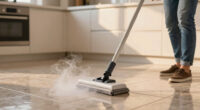
Steam introduces both moisture and temperature. Repeated exposure can worsen bubbling, adhesive failure, and surface distortion.
The first warning may arrive late
A floor can look fine after one pass, then develop warping or peeling after repeated weekly steam sessions.
Modern Steam Mops Are Better, Not Risk-Free
Adjustable steam levels and temperature controls help reduce risk, but they do not change the core problem: linoleum dislikes excess moisture, especially when old, unsealed, or already compromised.
Lower steam settings reduce saturation
Dialing down steam output can help prevent flooding the surface, which is useful only when the floor is sealed and the manufacturer allows steam cleaning.
Cumulative moisture still matters
Occasional careful use may not show immediate damage, but frequent or aggressive steaming can weaken seams and adhesive bonds over time.
Safe Steam Use, If You Must
Use this cautious sequence only when your floor is sealed, in good condition, and the manufacturer explicitly approves steam cleaning.
Read guidance
Confirm the flooring maker allows steam before putting heat on the surface.
Choose lowest
Use the lowest heat and moisture setting. Avoid high-output steam.
Test hidden
Try a small corner, then wait 24 hours for swelling or warping.
Keep moving
Use quick passes. Never hold the mop in one place.
Dry fast
Wipe excess moisture immediately with an absorbent cloth.
Steam Mops vs. Traditional Damp Mopping
The safer method is not always the fastest one. For linoleum, controlled moisture usually beats chemical-free heat.
| Feature | Steam Mops | Traditional Damp Mopping | Floor Safety Read |
|---|---|---|---|
| Moisture Level | ~ High if misused | ✓ Low and controlled | Less water is usually better for linoleum. |
| Heat Exposure | ✗ High depending on model | ✓ None or very low | Heat adds stress to weak seams and adhesives. |
| Ease of Use | ✓ Fast and chemical-free | ~ Slower manual effort | Convenience is the main steam advantage. |
| Surface Safety | ~ Depends on seal and technique | ✓ Generally safer | Mild cleaners and microfiber are easier to control. |
| Long-Term Impact | ✗ Damage risk with frequent use | ✓ Better for aging floors | Repeated steam is the concern, not just one cleaning. |
The Traceable Damage Chain
Most steam-related linoleum problems follow a predictable path: small moisture exposure becomes structural damage when the floor cannot dry or repel water.
What to Do Instead
The safest routine protects the seal, limits standing moisture, and removes abrasive grit before it scratches the surface.
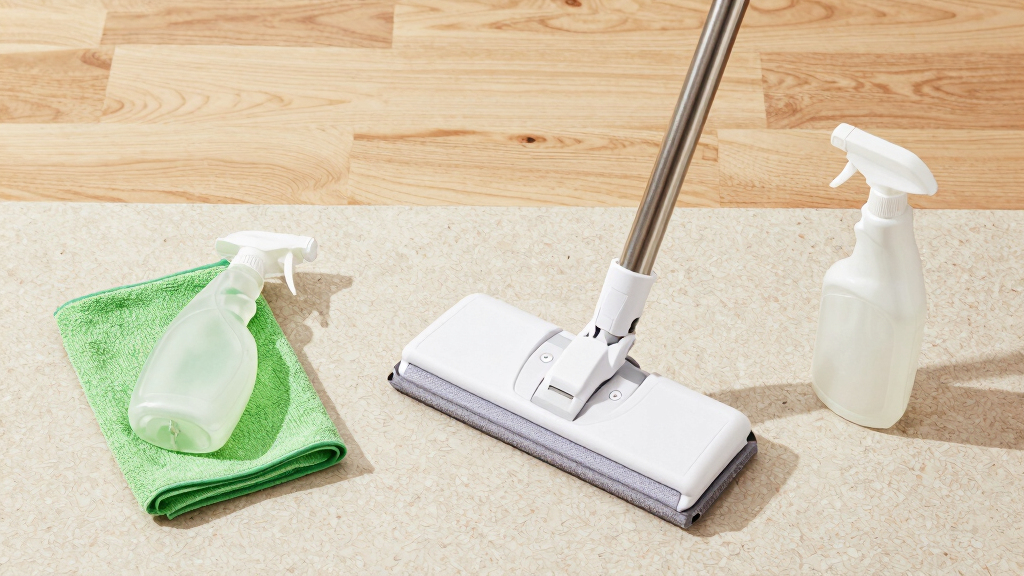
Use a damp microfiber mop
Pair it with a mild, pH-neutral cleaner. Damp means controlled moisture, not a wet floor.
Seal and inspect regularly
A good seal helps resist moisture, but it is not a guarantee. Check seams, edges, bubbles, and worn pathways.
Vacuum before mopping
Removing grit reduces scratches that can make the floor more vulnerable to water and heat.
Steam sparingly, if approved
Even then, test first, move quickly, use low steam, and dry the floor immediately after cleaning.
Frequently Asked Questions
Short answers for the common decisions homeowners face before using heat and moisture on linoleum.
Is steam safe on linoleum?
It depends on the floor condition and manufacturer guidance. In general, caution is advised, especially for unsealed or older floors.
Can steam mops damage it?
Yes. Frequent or improper use can lead to swelling, warping, peeling, adhesive failure, or mold growth.
What cleans linoleum best?
A damp microfiber mop with a gentle pH-neutral cleaner is usually safer for long-term floor health.
What Makes Linoleum Sensitive to Steam Cleaning?
Linoleum is made from natural ingredients like linseed oil, cork dust, and wood flour. This composition gives it a warm, textured look, but also makes it highly vulnerable to excess moisture and heat. When exposed to high temperatures or prolonged steam, the material can swell, warp, or develop mold. This isn’t just a cosmetic issue; it can compromise the integrity of the entire floor, leading to costly repairs or replacement.
Think of linoleum like a sponge: it absorbs water easily. If water seeps into seams or unsealed edges, especially if the floor isn’t properly sealed, damage can occur gradually but persistently. Over time, repeated exposure to moisture can cause the adhesive bonds to weaken, resulting in separation or bubbling. This damage often progresses silently, making it difficult to detect until the problem becomes severe. For example, a homeowner in Michigan used a steam mop once a week on their aging linoleum. After six months, they noticed bubbling and slight warping—damage that wasn’t immediately visible but worsened with each use, illustrating how seemingly minor actions can lead to significant deterioration over time.
best steam mop for sealed linoleum floors
As an affiliate, we earn on qualifying purchases.
As an affiliate, we earn on qualifying purchases.
How Modern Steam Mops Try to Reduce Risks—Are They Safer?
Today’s steam mops often feature adjustable steam levels and precise temperature controls designed to mitigate risks associated with moisture and heat. These innovations aim to make steam cleaning safer for sensitive floors like linoleum by allowing users to tailor the steam output to the floor’s condition. For instance, models that allow you to dial down to very low steam or moisture settings can help prevent over-saturation, reducing the likelihood of water seeping into seams or unsealed edges. However, these features are not foolproof. The core risk remains: even low levels of moisture and heat can accumulate or penetrate in unsealed or compromised areas, leading to long-term damage.
Recent tests suggest that occasional use of low-heat steam on sealed linoleum might not cause immediate harm, especially if the floor is in good condition. But repeated or aggressive steaming—particularly on older or unsealed surfaces—can create cumulative damage. The implications are clear: while technological advances make steam mops somewhat safer, they do not eliminate the inherent risks. It’s essential to weigh the convenience of steam cleaning against the potential for long-term harm, especially if the floor’s integrity is uncertain.
As an affiliate, we earn on qualifying purchases.
How to Safely Use a Steam Mop on Linoleum — Step-by-Step
- Check the manufacturer’s advice carefully. If your floor’s sealed and the manufacturer explicitly approves steam cleaning, proceed with caution. Understanding your floor’s specific needs and limitations is crucial because improper use can accelerate damage.
- Set your steam mop to the lowest heat and moisture setting. Avoid high steam levels that can flood the surface or penetrate seams. This minimizes the risk of excess water seeping into unsealed areas, which is critical for maintaining the floor’s structural integrity.
- Test a small, inconspicuous area first—wait 24 hours to observe any swelling, warping, or other signs of damage. This step is vital because it provides a real-world indication of how your specific floor reacts to steam, allowing you to adjust your approach accordingly.
- Keep the mop moving continuously, avoiding prolonged contact in one spot. Use quick, gentle passes rather than holding the mop in one place, which can cause localized heat buildup and excessive moisture exposure.
- Immediately dry the floor with a clean, absorbent cloth if you notice any excess moisture or if the surface feels unusually warm or damp. This step helps prevent moisture from seeping into seams or edges, reducing the risk of long-term damage.
This careful, cautious approach can help you clean effectively while minimizing risks, but remember: even with the best technique, damage can occur if the floor isn’t properly sealed or is already compromised. Regularly inspecting your floor and respecting its condition are essential parts of safe cleaning practices.
As an affiliate, we earn on qualifying purchases.
A Clear Comparison: Steam Mops vs. Traditional Cleaning for Linoleum
| Feature | Steam Mops | Traditional Damp Mopping |
|---|---|---|
| Moisture Level | High (potentially damaging if misused) | Low, carefully controlled |
| Heat | High, depending on model | None or very low |
| Ease of Use | Quick, chemical-free | Slower, requires manual effort |
| Surface Safety | Risky if not used cautiously | Generally safer, especially with mild cleaners |
| Long-term Impact | Potential damage with frequent use | Less likely, better for aging or delicate floors |
floor test kit for moisture damage
As an affiliate, we earn on qualifying purchases.
As an affiliate, we earn on qualifying purchases.
What You Should Do to Keep Your Linoleum Floor Safe
- Use a damp microfiber mop with a mild, pH-neutral cleaner, not a steam mop. This method reduces the risk of water infiltration and minimizes the chance of damaging the floor’s surface and adhesive bonds.
- Always test in a hidden corner before full cleaning to assess how your floor reacts to moisture. This step helps prevent unexpected damage and allows you to gauge the appropriate cleaning method.
- Seal your linoleum properly to help resist moisture penetration. A good sealant creates a protective barrier, making the floor more tolerant of cleaning methods that involve some moisture, but it’s not a guarantee against all risks.
- Vacuum regularly to remove grit and dirt that can scratch or wear down the surface, which can exacerbate damage from moisture or heat exposure.
- Avoid high heat and excessive moisture, especially in older or unsealed floors. Recognizing the limitations of your flooring’s condition helps prevent unintended harm.
If you’re considering using a steam mop, do so sparingly and follow these safety steps diligently. Remember, moisture-related damage may take months to appear but can be irreversible once it does. Prioritize gentle cleaning methods to preserve your floor’s longevity and appearance.
Frequently Asked Questions
Is it safe to use a steam mop on linoleum floors?
It depends on the floor’s condition and manufacturer guidance. Generally, caution is advised because excess moisture and heat can cause long-term damage, especially if the floor isn’t sealed or in good shape.Can steam mops damage linoleum?
Yes. Frequent or improper use of steam mops can cause swelling, warping, or mold growth. Always test first, use low settings, and avoid prolonged contact.What are safer cleaning options for linoleum floors?
Using a damp microfiber mop with mild, pH-neutral cleaners is safer. Regular vacuuming and avoiding excessive moisture help maintain the floor’s integrity.How can I tell if my linoleum is sealed?
Check with the manufacturer or test a small area with a few drops of water. If the water beads up, your floor is sealed; if it soaks in, it’s unsealed or worn. Sealing helps resist moisture damage.Should I avoid steam cleaning altogether?
Not necessarily, but it’s best to proceed with caution. Use the lowest steam setting, test first, and limit frequency. In most cases, traditional damp mopping offers a safer, effective clean.Conclusion
Your linoleum floor isn’t just a surface—it’s a living part of your home’s story. Using a steam mop might seem like an easy fix, but it can quietly undo years of careful installation and sealing. When in doubt, stick to gentle damp mopping and follow your manufacturer’s advice.
Imagine a floor that stays beautiful and sturdy for decades—clean, dry, and safe from hidden moisture traps. That’s the goal. Keep moisture in check, and your linoleum will thank you with years of good looks and function.
Halloween Picks
halloween
As an affiliate, we earn on qualifying purchases.