TL;DR

Get cleaning gear delivered free with Prime
- Fast, free delivery on millions of items
- Prime Video, Amazon Music and more included
- Member-only deals all year
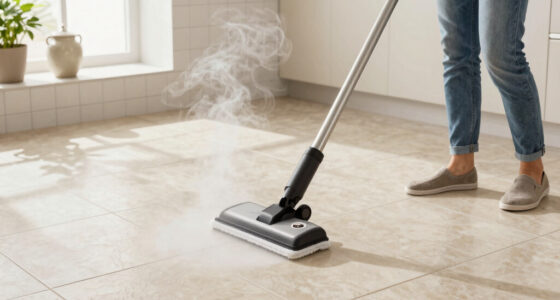
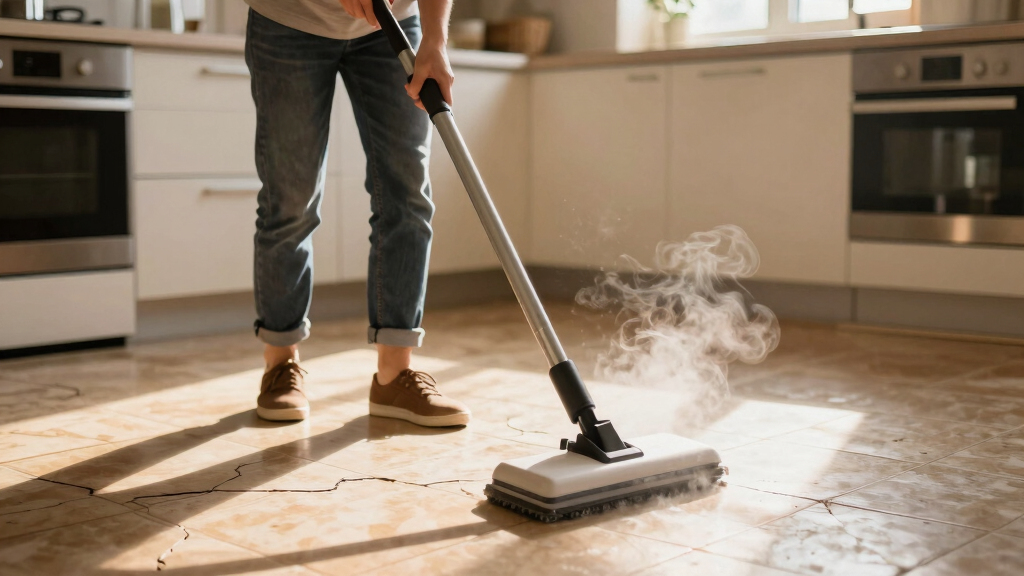
Steam mopping cracked tiles often risks worsening damage due to high heat and moisture. Carefully assess crack severity and tile type before cleaning, and consider safer alternatives to protect your floors.
Imagine the rich, steamy aroma wafting up as you clean your tiles. But what if those tiles are cracked? Many homeowners wonder if steam mopping—an easy, quick way to sanitize—can be safely used on damaged surfaces. The truth is, cracked tiles are more vulnerable than you think.
This guide breaks down what you need to know about steaming over cracked tiles—whether it’s safe, what risks you face, and smarter cleaning options. Because when it comes to damaged floors, a cautious approach saves money and stress.
Steam mopping on cracked tiles can cause further damage, especially on large or structural cracks.
Natural stone and vinyl floors are more vulnerable to steam heat and moisture, making steam cleaning risky or outright unsafe.
Always test a small hidden area before steaming to see if your tiles can handle the heat without damage.
Regular grout repairs and sealing can help prevent moisture infiltration and reduce damage risk.
Gentle damp mopping and spot cleaning are safer alternatives for cracked or fragile tiles.
Does Steam Mopping Actually Weaken Cracked Tiles?
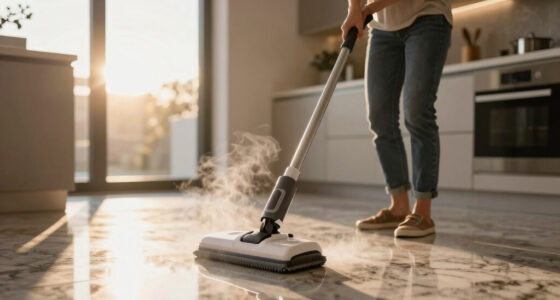
Yes, steam mopping can weaken cracked tiles if they are already compromised. The high-temperature steam, often around 212°F (100°C), can seep into cracks and under tiles, especially if the cracks are large or the grout is damaged.
Understanding why this matters is crucial. When tiles are cracked, their structural integrity is compromised. The heat and moisture from steam can cause these weak points to expand or shift, leading to further cracking or even dislodgement. This doesn’t just mean more visible damage; it can result in tiles loosening or falling out, which might necessitate costly repairs or replacements. So, while steam cleaning might seem like an effective sanitation method, on compromised tiles, it can turn a minor issue into a major one.
For example, in an older home with cracked ceramic tiles, using a steam mop without testing could cause tiles to pop loose or crack further, increasing repair costs and inconvenience.
As an affiliate, we earn on qualifying purchases.
How Different Tile Types React to Steam on Cracked Surfaces
| Tile Type | Resistance to Steam | Risk of Damage |
|---|---|---|
| Porcelain & Ceramic | Generally resistant, but caution still needed | Low to moderate, especially if cracked |
| Natural Stone (marble, limestone) | More vulnerable to moisture and heat | Higher, risk of staining or cracking |
| Vinyl or LVP | Not suitable; heat can cause warping | High, avoid steam altogether |
Porcelain and ceramic tiles are tough but not invincible. Natural stone, like marble, absorbs moisture quickly, risking staining or cracking when exposed to steam. Vinyl or luxury vinyl plank (LVP) floors can warp or peel under heat.
Understanding these differences is vital because choosing the wrong cleaning method can accelerate damage, especially when tiles are already cracked. For instance, natural stone’s porosity makes it much more susceptible to moisture infiltration, which can cause internal cracking or staining that’s not immediately visible. Vinyl floors, on the other hand, are designed for gentle cleaning; exposing them to steam can cause warping or bubbling, leading to uneven surfaces and potential trip hazards. Always consult manufacturer guidelines to avoid unintended consequences and protect your investment.
natural stone tile cleaning steam mop
As an affiliate, we earn on qualifying purchases.
As an affiliate, we earn on qualifying purchases.
What Happens When You Use a Steam Mop on Cracked Grout & Tiles?
Steam can penetrate through cracks in grout, reaching beneath tiles and weakening the adhesive bond. Over time, this can cause tiles to loosen or fall out. Think of grout as the mortar holding bricks—if it’s cracked or damaged, moisture seeps in and causes more damage.
Why this matters is because grout acts as both a sealant and a stabilizer. When compromised, moisture intrusion accelerates deterioration, which can lead to a domino effect: loose tiles, increased cracks, and eventually, the need for complete replacement. For example, in a kitchen with old, cracked grout, steam cleaning might temporarily clean well but could make cracks worse, leading to loose tiles and bigger repairs down the line. This potential for hidden damage underscores the importance of inspecting and repairing grout before any steam cleaning. Ignoring this step can trap moisture underneath tiles, making future repairs more complex and costly.
Therefore, understanding how steam interacts with grout and the underlying substrate highlights the need for a cautious approach. Properly sealing or repairing grout before steaming can significantly reduce the risk of further damage, preserving the longevity of your floors.
As an affiliate, we earn on qualifying purchases.
How to Safely Clean Cracked Tiles Without Making Things Worse
- Assess the cracks: Are they tiny surface cracks or large, structural splits? This helps determine if steam could worsen the damage or if gentler methods suffice.
- Test a small, hidden area with steam: Wait 24 hours to check for damage. This step is essential because it provides a real-world indication of how your specific tiles respond, considering variations in tile material, crack size, and existing damage.
- If safe, use the lowest steam setting and hold the mop slightly above the surface—never directly on cracked areas. This minimizes direct heat exposure, reducing the risk of expanding cracks or loosening tiles.
- Opt for damp mopping with a mild cleaner for regular maintenance. This approach avoids the risks associated with high heat and moisture, particularly on compromised tiles.
- Regularly inspect tiles and grout, repairing cracks promptly with epoxy or grout repair kits. Addressing issues early prevents moisture from seeping in and causing further damage, which is especially important if you prefer using steam in the future.
For instance, a homeowner with minor superficial cracks found that gentle steaming on a low setting didn’t cause further damage after testing. Still, they preferred damp mopping for weekly cleaning because it’s safer for fragile surfaces. This cautious approach, combining inspection, testing, and gentle cleaning, helps extend the life of your tiles and prevents costly repairs.
Remember, understanding your specific situation and adjusting your cleaning method accordingly is key to maintaining durable, beautiful floors.
As an affiliate, we earn on qualifying purchases.
Alternatives to Steam Mopping for Cracked Tiles
- Damp mopping with a soft cloth or mop and mild detergent—this method provides effective cleaning without the risks associated with high heat and moisture, especially on compromised tiles.
- Using a microfiber mop for gentle cleaning—microfiber’s soft fibers trap dirt effectively while minimizing abrasion and stress on fragile surfaces.
- Regular grout repairs and sealing to prevent moisture infiltration—these preventive measures reinforce the integrity of your tiles and reduce the likelihood of cracks worsening over time.
- Spot-cleaning with a sponge or soft brush for stubborn dirt—targeted cleaning avoids excessive moisture exposure and helps maintain the condition of cracked or fragile areas.
Imagine gently wiping away dirt on a delicate, cracked ceramic vase—this is what gentle cleaning feels like for your tiles. It minimizes stress on fragile surfaces and avoids worsening cracks. Prioritizing these safer methods can help preserve your floors’ appearance and structural integrity for years to come.
Proper maintenance, including gentle cleaning and timely repairs, can keep your floors looking good without risking further damage, saving you money and stress in the long run.
What Manufacturers Say About Steaming Cracked Tiles
Many tile manufacturers advise caution or outright recommend against steam cleaning cracked surfaces. They warn that the heat and moisture can weaken grout and tile adhesion, potentially voiding warranties or causing damage. This guidance matters because manufacturers base their recommendations on the specific properties of their tiles and their testing for durability under various conditions.
For example, some porcelain tile brands specify that steam cleaning is safe only on intact, sealed tiles. Ignoring this advice could lead to warranty voids or damage that isn’t covered. It’s important to recognize that manufacturers’ instructions are designed to protect your investment and ensure longevity. When in doubt, consulting a professional or doing a spot test can help you avoid costly mistakes and preserve your floors’ condition.
Ultimately, respecting manufacturer advice and understanding the implications of steam on damaged tiles will help you make informed decisions that safeguard your flooring investment.
Frequently Asked Questions
Is it safe to use a steam mop on cracked tiles?
Generally, it’s best to avoid steaming cracked tiles, especially if cracks are large or structural. Steam can worsen existing damage by loosening tiles or expanding cracks. Opt for gentler cleaning methods instead.
Can steam cleaning cause tiles to crack further?
Yes, high heat and moisture from steam can make cracks worse, especially in fragile or old tiles. This risk increases with large or deep cracks and in natural stone surfaces. Understanding this helps you weigh the benefits of steam cleaning against potential damage.
What are safer cleaning options for cracked tiles?
Use damp mops with mild cleaners, soft brushes, or microfiber cloths. Regular grout repairs and sealing also help prevent moisture from penetrating cracks, reducing the risk of further damage. These methods prioritize preserving your tiles’ integrity.
Should I repair cracks before cleaning?
Yes, repairing cracks with epoxy or grout repair kits before cleaning helps stabilize the surface and prevent further deterioration. For extensive damage, professional replacement might be necessary to ensure the longevity of your floors.
When should I consult a professional about my cracked tiles?
If cracks are large, structural, or worsening, a professional can assess whether steam cleaning is safe or if repairs are needed. This step helps prevent accidental damage and costly repairs later, ensuring your floors remain durable and safe.
Conclusion
Cracked tiles aren’t a green light for steam mopping. The heat and moisture can turn small cracks into big problems. Instead, focus on gentle cleaning and timely repairs to keep your floors safe and beautiful.
When in doubt, a quick test or a professional opinion can save you headaches—and money—down the line. Your floors will thank you for it.
Fall Picks
fall essentials
As an affiliate, we earn on qualifying purchases.