TL;DR

Get cleaning gear delivered free with Prime
- Fast, free delivery on millions of items
- Prime Video, Amazon Music and more included
- Member-only deals all year
Steam mopping glued-down vinyl flooring can weaken adhesives and cause damage. Always check manufacturer instructions and consider gentler cleaning methods for long-lasting floors.
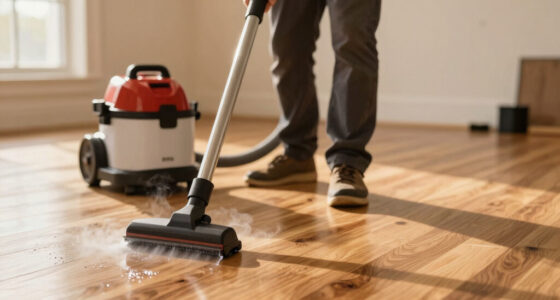
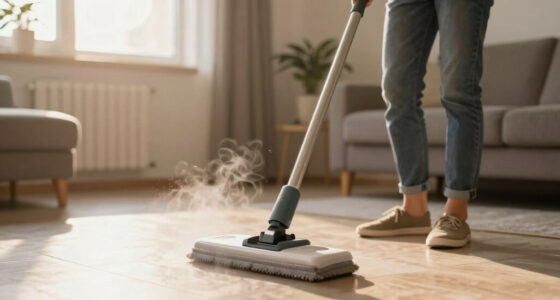
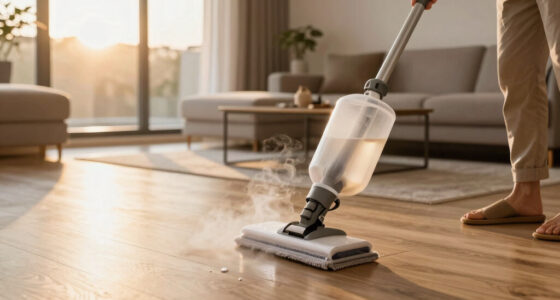
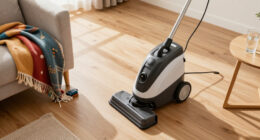
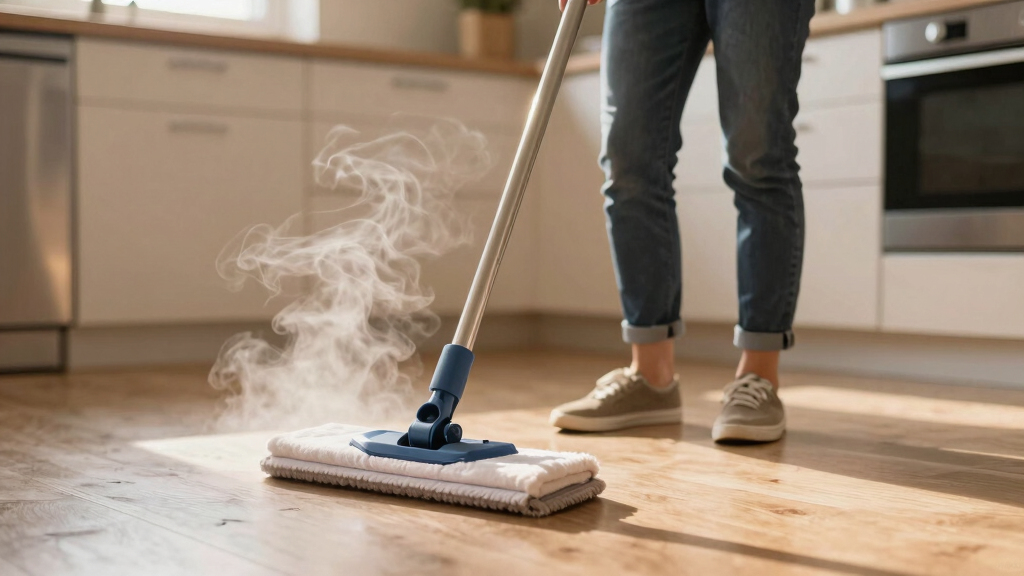
Imagine steam rising from your mop, promising a quick, chemical-free clean. But when it comes to glued-down vinyl, that steam can be a double-edged sword. Many floors are labeled ‘not suitable for steam cleaning,’ and for good reason. High heat and moisture can weaken adhesives, causing bubbling or lifting. Yet, with the right knowledge, you can avoid damage and keep your floors looking fresh.
This guide walks through what you need to know before reaching for that steam mop. We’ll cover risks, manufacturer advice, safer alternatives, and how to tell if your vinyl can handle a bit of steam. Think of it as a safety checklist for a sparkling, damage-free floor.
Most vinyl flooring manufacturers advise against steam mopping because high heat and moisture can weaken adhesives.
Always check the manufacturer’s care instructions and perform a small test before using steam on glued-down vinyl.
Gentle damp mopping with water and a mild cleaner is usually safer and just as effective for regular cleaning.
Modern vinyl adhesives are more water-resistant, but caution is still recommended unless explicitly approved for steam cleaning.
Prioritize preventive care—regular sweeping and quick spill cleanup extend your vinyl’s lifespan without risking damage.
Can You Steam Mop Glued-Down Vinyl?
Steam promises fast, chemical-free cleaning, but glued-down vinyl has one vulnerable layer: the adhesive. High heat and moisture can soften glue, seep into seams, and leave floors bubbling, lifting, or warped.
Use steam only when your flooring maker explicitly says it is safe.
Why Most Vinyl Floors Say No
Glued-down vinyl is designed to stay bonded to the subfloor. Steam cleaning attacks that bond with the exact combination manufacturers worry about: heat plus moisture.
Adhesive Softening
Steam mops often operate above 200°F, which can soften or weaken the glue layer beneath vinyl tiles and planks.
Seam Intrusion
Vapor can work into seams, edges, and tiny gaps, increasing the risk of bubbling or lifting over repeated cleanings.
Warping & Dulling
Heat can stress the wear layer, especially on products that are not rated for steam or have older adhesive systems.
Steam Decision Flow
The safest answer comes from the exact floor installed in your home, not from a steam mop setting or a general cleaning claim.
Find Care Guide
Look for explicit steam-cleaning approval in the manufacturer instructions.
Identify Product
Check labels, product codes, installer notes, or retailer records.
Check Adhesive
Modern water-resistant adhesives help, but they are not automatic steam approval.
Patch Test
Try a hidden spot and wait 24 hours for lifting, bubbling, or warping.
Choose Safer
When in doubt, use microfiber, mild cleaner, and minimal water.
Steam Mop vs. Safer Cleaning
Steam is powerful, but glued vinyl rewards restraint. For regular maintenance, a gentle damp mop usually cleans well without challenging the adhesive bond.
| Feature | Steam Mop | Gentle Cleaning Method |
|---|---|---|
| Moisture Level | ✗High vapor can penetrate seams and edges. | ✓Minimal moisture from a well-wrung microfiber mop. |
| Heat | ✗Often above 200°F, which can stress vinyl and glue. | ✓Room-temperature or warm water keeps stress low. |
| Adhesive Risk | ✗Can weaken adhesive over time and cause lifting. | ✓Protects the bond and reduces premature failure. |
| Convenience | ~Fast and chemical-free, but risky if not approved. | ✓Slightly more manual, but controlled and reliable. |
| Best For | ~Only floors specifically approved for steam cleaning. | ✓Regular maintenance, spills, and long-term floor care. |
Risk Profile at a Glance
Most damage pathways come from moisture volume, heat intensity, and repeated exposure. Safer methods reduce all three.
Cleaning Method Risk
Heat & Moisture Spectrum
Key insight: modern vinyl adhesives are increasingly water-resistant, but most manufacturers still caution against steam mopping unless the specific product is approved.
Default to no steam.
Steam mopping glued-down vinyl can weaken adhesives and cause damage. Manufacturer approval is the difference between a calculated choice and an avoidable repair bill.
Why Most Vinyl Floors Say No to Steam Mops
Glued-down vinyl is crafted to stay put, with adhesive that bonds the vinyl firmly to the subfloor. But this glue isn’t a fan of high heat or excess moisture. When you use a steam mop, the intense heat—often above 200°F—can soften or break down the adhesive layer.
For instance, many manufacturers warn that steam can cause bubbling, lifting, or warping of vinyl tiles or planks. It’s like trying to iron a delicate fabric with a too-hot iron—risking permanent damage.
According to an anonymous researcher, repeated exposure to steam can reduce adhesive strength by up to 30% over time, increasing the chance of lifting or bubbling. This degradation isn’t just superficial; it affects the long-term integrity of your floor, leading to costly repairs or replacements. The heat can also cause the surface layer of vinyl to soften or warp, especially if the vinyl isn’t designed to withstand such conditions. The bottom line is that the adhesive and surface are sensitive to the combination of heat and moisture, which can compromise the floor’s durability and appearance. Recognizing these risks helps you weigh the potential damage against the convenience of steam cleaning, prompting a more cautious approach.
Furthermore, the implications extend beyond immediate damage. Weakened adhesives can cause the vinyl to lift over time, creating tripping hazards and uneven surfaces. The surface warping can diminish the aesthetic appeal, making your floor look aged and poorly maintained. These issues often require professional repairs, which can be costly and disruptive. Therefore, understanding how heat and moisture interact with vinyl components underscores why manufacturers advise caution—it’s about preserving the floor’s structure and appearance for years to come.
As an affiliate, we earn on qualifying purchases.
How to Identify If Your Vinyl Floor Can Handle Steam Cleaning
- Check the manufacturer’s care instructions—look for explicit mention of steam cleaning. Manufacturers often include specific guidance because vinyl formulations vary widely; some are designed to tolerate moisture, while others are not. Knowing this helps prevent accidental damage.
- Inspect your vinyl—newer products with advanced, water-resistant adhesives are more tolerant, but this doesn’t mean they are invulnerable. Understanding the specific type of vinyl and adhesive used can inform your cleaning choices, especially if the product’s documentation isn’t available.
- Test a small, hidden area—use your steam mop on a corner or closet floor first. Wait 24 hours to observe any changes like bubbling, lifting, or warping. This cautious trial helps you gauge the vinyl’s resilience without risking the entire floor.
- Contact the installer or retailer—ask if the flooring type is compatible with steam cleaning. Their insights, based on the product’s specifications and installation method, can provide valuable guidance and prevent costly mistakes.
- Look for labels or product codes—some brands specify whether steam is safe. Recognizing these labels simplifies the decision process, especially if you want to avoid guesswork or potential damage.
Taking these steps is more than just due diligence; it’s a way to protect your investment. Understanding the specific properties of your vinyl, and testing before a full-scale clean, can save you money and frustration. For example, a homeowner discovering that their vinyl was labeled ‘not suitable for steam’ avoided costly repairs after a cautious test confirmed the risk.
In addition, understanding the nuances of your vinyl’s composition can help you make informed decisions. Some vinyl floors are manufactured with special coatings or adhesives that resist moisture and heat better than older or cheaper varieties. Recognizing these differences can be the key to safe cleaning practices. It’s worth taking the time to research or consult with professionals, especially if your flooring has a unique finish or installation method that might influence its resilience to steam cleaning.
As an affiliate, we earn on qualifying purchases.
Compare Your Cleaning Options: Steam Mop vs. Safer Alternatives
| Feature | Steam Mop | Gentle Cleaning Method |
|---|---|---|
| Moisture Level | High—can penetrate seams and edges, risking adhesive weakening or surface damage | Minimal—damp cloth or microfiber mop with water or mild cleaner, reducing risk of moisture-related damage |
| Heat | Above 200°F, variable—this high temperature can cause vinyl to soften or warp, especially if used repeatedly or improperly | Room temperature or warm water—less likely to cause surface or adhesive damage, preserving the floor’s integrity |
| Adhesive Risk | High—can weaken or dissolve glue over time, leading to bubbling or lifting | Low—gentle cleaning methods preserve the adhesive’s strength and prevent premature failure |
| Time & Effort | Quick, chemical-free, but with potential long-term risks if misused | Requires more manual effort but offers a safer, more controlled cleaning process that maintains your floor’s longevity |
| Best For | Not recommended unless explicitly approved by the manufacturer | Regular maintenance, spot cleaning, and preserving floor condition without risking damage |
Think of steam mops as a powerful tool—great for tile or sealed hardwood, but risky on glued vinyl. The high heat and moisture they deliver can compromise the adhesive bonds and surface integrity. In contrast, gentle damp mopping with a microfiber cloth and a mild cleaner offers a safer alternative. This method minimizes the risk of damage while still effectively cleaning dirt and grime, ensuring your vinyl stays intact and beautiful for years.
Furthermore, opting for gentle cleaning methods allows you to maintain the longevity of your vinyl flooring without risking the subtle damage that high heat and moisture can cause. While steam mops might seem like a quick fix, the potential for long-term harm outweighs the short-term convenience. By choosing a more cautious approach, you preserve your investment and keep your floors looking pristine for years to come.
As an affiliate, we earn on qualifying purchases.
Frequently Asked Questions
Can I use a steam mop on vinyl flooring that’s glued down?
Most manufacturers recommend avoiding steam mops on glued-down vinyl because high heat and moisture can weaken the adhesive, causing bubbling or lifting. Always check your flooring’s care instructions first.How do I clean glued-down vinyl floors without damaging them?
Use a microfiber mop dampened with water and a mild, pH-neutral cleaner. Regular sweeping or vacuuming also helps keep your floors in top shape without risking adhesive damage.Are there any vinyl floors that can handle steam cleaning?
Some newer vinyl products with water-resistant adhesives are more tolerant. But always verify with the manufacturer or product specs before using a steam mop.What signs show my vinyl floor can’t handle steam?
Look for manufacturer warnings, or test a small hidden area with your steam mop. If you see bubbling, warping, or lifting, stop immediately.What’s the best way to maintain glued-down vinyl floors long-term?
Stick to regular sweeping, damp mopping with safe cleaners, and quick spill cleanup. Avoid excessive moisture and heat to preserve the adhesive’s strength.As an affiliate, we earn on qualifying purchases.
Conclusion
When it comes to glued-down vinyl, a cautious approach beats a risky shortcut. Your best move is to stick with gentle, water-based cleaning methods that respect the adhesive and surface. A little patience now prevents costly repairs later—and keeps your floors looking flawless.
Think of your vinyl as a delicate fabric—gentle handling keeps it looking fresh for years. So, before grabbing that steam mop, ask: is this really the safest choice? If in doubt, opt for safer methods, and enjoy the shiny, bubbling-free floors you deserve.
Halloween Picks
halloween
As an affiliate, we earn on qualifying purchases.