TL;DR

Get cleaning gear delivered free with Prime
- Fast, free delivery on millions of items
- Prime Video, Amazon Music and more included
- Member-only deals all year
Steam mops are generally safe for glazed ceramic tiles when used correctly. They effectively sanitize and clean, but excessive steam or improper use can damage grout or tiles. Always follow manufacturer instructions and test in a hidden spot first.
Imagine the rich, clean scent filling your home, the gleam of freshly cleaned tiles beneath your feet. You grab your steam mop, aiming to hit every corner with ease. But wait — is this a safe move for your ceramic floors? Many homeowners wonder if steam cleaning might harm their tiles or grout. The truth is, when used thoughtfully, steam mops can be a powerful, chemical-free cleaning tool. This guide will explore what makes steam mops both a friend and a potential foe for ceramic floors, so you can make safe, informed choices.
You’ll learn how these devices work, the types of ceramic tiles they suit best, and the steps to avoid damage. Whether you’re tackling stubborn grime or seeking an eco-friendly way to disinfect, understanding the nuances helps you keep your floors shining without risking cracks or discoloration. Ready to clear up the confusion? Let’s get started.
Always check your tile type—glazed ceramic is safer for steam cleaning than unglazed or porous tiles.
Use adjustable steam settings and move the mop continuously to prevent damage.
Test in a hidden spot first and wait 24 hours to spot any issues before full cleaning.
Regularly maintain your grout with sealing to prevent moisture damage from steam.
Follow manufacturer instructions and avoid excessive steam pressure to keep floors safe.
Is a Steam Mop Safe for Ceramic Tile Floors?
Steam mops are generally safe for glazed ceramic tiles when used correctly. The winning formula is simple: identify the tile type, choose gentle steam, keep the mop moving, and protect grout from repeated moisture stress.
TL;DR: Safe for most glazed ceramic floors, risky for porous or damaged surfaces, and best used with adjustable settings plus a hidden-spot test.
Clean heat can be a friend, but pressure and dwell time decide the outcome.
Modern steam mops with adjustable output reduce risk, especially on sealed glazed ceramic. Older grout, cracked tile, or unglazed surfaces need a slower, more cautious approach.
For glazed ceramic tile in good condition.
Weak or unsealed grout absorbs moisture first.
Check a hidden spot before cleaning the full floor.
Or as needed based on traffic and soil level.
Why Steam Works So Well
Heat and moisture loosen stuck-on dirt, lift grime from grout lines, and sanitize without chemical cleaners. The benefit is strongest on sealed, glazed ceramic surfaces that resist water absorption.
Breaks down grime
Steam softens grease, mud, and everyday buildup so the pad can lift residue instead of smearing it across the floor.
Sanitizes with heat
Correct use can significantly reduce common bacteria on ceramic surfaces without relying on harsh cleaners.
Glazed tile wins
The glass-like finish on glazed ceramic resists moisture, making it the safest ceramic tile type for steam cleaning.
Safety Spectrum
The question is less “steam or no steam” and more “how much steam, on what surface, for how long?” Use the chart as a quick risk map.
Tile Risk Meter
Glazed, sealed ceramic sits in the safer zone. Porous tile, damaged grout, or cracked installations move toward caution quickly.
What Raises Risk?
Glazed vs. Unglazed Ceramic
Tile finish changes everything. Glazed ceramic is usually the friendly match; unglazed or porous ceramic needs testing, lower steam, and less frequent cleaning.
| Tile type | Steam compatibility | Primary concern | Best practice | Verdict |
|---|---|---|---|---|
| Glazed ceramic | ✓ Highly suitable | Surface dulling from overuse | Use low to medium steam and keep moving | ✓ Safe with correct use |
| Unglazed ceramic | ~ Use with caution | Moisture absorption and discoloration | Test hidden area, use low steam, limit frequency | ~ Conditional |
| Cracked or loose tile | ✗ Poor match | Steam entering weak points | Repair before steam cleaning | ✗ Avoid |
| Old or unsealed grout | ~ Caution required | Weakening, staining, crumbling | Seal grout and avoid excess pressure | ~ Prep first |
Safe Steam Cleaning Flow
Follow the sequence to get the clean, glossy result without forcing heat and water into vulnerable spots.
Identify
Confirm whether the floor is glazed, unglazed, sealed, cracked, or recently repaired.
Sweep
Remove grit first so the mop pad does not drag abrasive debris across the tile.
Test
Steam a hidden area, then wait 24 hours for dulling, stains, or grout changes.
Glide
Use low to medium steam and keep the head moving across the surface.
Maintain
Reseal grout regularly and reduce frequency if the floor shows wear.
Expert Tips at a Glance
Adjustable steam settings, safety locks, automatic shut-off, and tile-safe attachments all make modern steam mops easier to control.
Check tile type first. Glazed ceramic is safer than unglazed, porous, cracked, or poorly installed tile.
Use adjustable steam. Start low, increase only if needed, and avoid concentrated steam pressure.
Keep the mop moving. Lingering in one spot can stress tiles and push moisture into grout.
Protect grout. Sealing grout lines helps prevent moisture infiltration, staining, and deterioration.
Follow manufacturer guidance. Match the steam mop instructions with the tile and grout recommendations.
Reader Questions
Short answers for the common concerns homeowners have before pressing the steam trigger.
Can steam damage glazed ceramic?
It is unlikely when you use proper settings, avoid lingering, and follow product instructions.
Is porous ceramic safe?
Only with caution. Test first, use low steam, and stop if you see dulling or discoloration.
How do I protect grout?
Keep it sealed, avoid excessive pressure, and do not steam over cracked or crumbling lines.
How often is reasonable?
Once a week or as needed is usually enough for typical household traffic.
Traceability Chain
How Effective Is a Steam Mop on Ceramic Tiles? Think deep clean, no chemicals needed
Steam mops excel at lifting dirt, grime, and bacteria from ceramic tiles—especially glazed ones—without harsh cleaners. The heat and moisture break down stubborn stains and sanitize surfaces, making them a popular choice for busy households. Imagine a kitchen after spaghetti sauce spills or a muddy hallway—steam can cut through grease and mud with ease.
For example, a homeowner notices her glazed ceramic kitchen tiles look dull from everyday traffic. After a quick pass with a steam mop, the tiles look brighter, and the grout lines appear cleaner. That’s because steam penetrates cracks and pores in the tile surface, reaching dirt that mops or sweepers miss.
Research shows that steam cleaning can eliminate up to 99% of common bacteria, including E. coli and Salmonella, making it a safe, chemical-free option for health-conscious households. But effectiveness depends on proper technique and tile type.
Understanding why steam is so effective helps you appreciate its role in everyday cleaning. The combination of high temperature and moisture kills germs and loosens dirt at a microscopic level, which traditional mops might miss. However, this power comes with the tradeoff that if misused—such as holding the steam in one spot or using excessive pressure—it can lead to damage, especially on delicate or unsealed surfaces. Therefore, knowing how to harness this cleaning power safely is key to achieving a deep clean without harm.
As an affiliate, we earn on qualifying purchases.
What Are the Risks? When steam might weaken grout or crack tiles
While steam mops are powerful, they carry inherent risks that can compromise your flooring if not used carefully. Excessive moisture and high heat can cause grout lines—especially older, poorly sealed ones—to weaken over time. Think of grout as the mortar in a brick wall; if it’s compromised, water seeps in, leading to discoloration, crumbling, or even structural damage. This is especially problematic in areas where grout is already cracked or deteriorated, as steam can accelerate these issues.
Moreover, improper use—such as holding the steam nozzle in one spot for too long—can cause localized stress on tiles, leading to cracks or surface pitting. For instance, a homeowner notices new cracks appearing after several months of regular steam cleaning; this often results from concentrated heat on fragile spots. The implications are significant: cracks can harbor dirt and bacteria, making future cleaning more difficult, and grout deterioration can lead to costly repairs.
Additionally, unglazed or porous tiles are more susceptible to damage because their surfaces absorb moisture more readily. This absorption can cause tiles to swell, discolor, or develop surface dullness, especially if the steam is too hot or used too frequently. The tradeoff here is between the convenience of deep cleaning and the potential for long-term damage, which can be mitigated by understanding your tile type, using proper settings, and avoiding prolonged exposure to steam in vulnerable spots.
As an affiliate, we earn on qualifying purchases.
Matching Your Tile Type: Glazed vs. Unglazed Ceramic Floors
| Tile Type | Steam Mop Compatibility | Best Practices |
|---|---|---|
| Glazed ceramic | Highly suitable | Use low to medium steam, avoid holding in one spot, ensure the surface is sealed |
| Unglazed or porous | Use with caution | Test in a hidden area, opt for lower steam settings, limit frequency |
Glazed tiles feature a glass-like surface that naturally resists moisture and heat, making them more forgiving during steam cleaning. Think of the glossy bathroom tiles that maintain their shine after regular steaming—they’re designed to handle the heat and moisture without damage. Unglazed tiles, like some quarry or natural stone tiles, absorb moisture more easily, which means using steam over them without caution can lead to discoloration, surface dulling, or even cracking. The porous nature of unglazed tiles makes them more vulnerable to water infiltration, which can cause swelling or deterioration over time.
Therefore, understanding your specific tile type is crucial. Testing a small inconspicuous area first allows you to observe any adverse reactions before committing to full cleaning. If discoloration or surface dullness occurs, it indicates that your tile may not be suitable for steam cleaning or that settings need adjustment. Properly matching your cleaning method to your tile type not only preserves its appearance but also extends its lifespan, preventing costly repairs and maintaining value.
As an affiliate, we earn on qualifying purchases.
Frequently Asked Questions
Can steam cleaning damage my glazed ceramic tiles?
Glazed ceramic tiles are quite resistant to steam cleaning when used with proper settings. Avoid holding the steam in one spot and always follow manufacturer advice to prevent dulling or minor surface damage.Is it safe to steam clean unglazed or porous ceramic tiles?
Unglazed or porous tiles are more susceptible to moisture absorption, so use caution. Test in an inconspicuous corner, keep steam pressure low, and limit cleaning frequency to avoid damage.How can I prevent grout damage when using a steam mop?
Ensure grout is properly sealed and avoid excessive steam pressure. Regular sealing of grout lines helps prevent moisture infiltration and deterioration over time.How often should I steam clean my ceramic floors?
Once a week or as needed is usually safe, depending on foot traffic and dirt levels. Observe your floors for signs of wear and adjust frequency accordingly.What safety features should I look for in a steam mop for ceramic tiles?
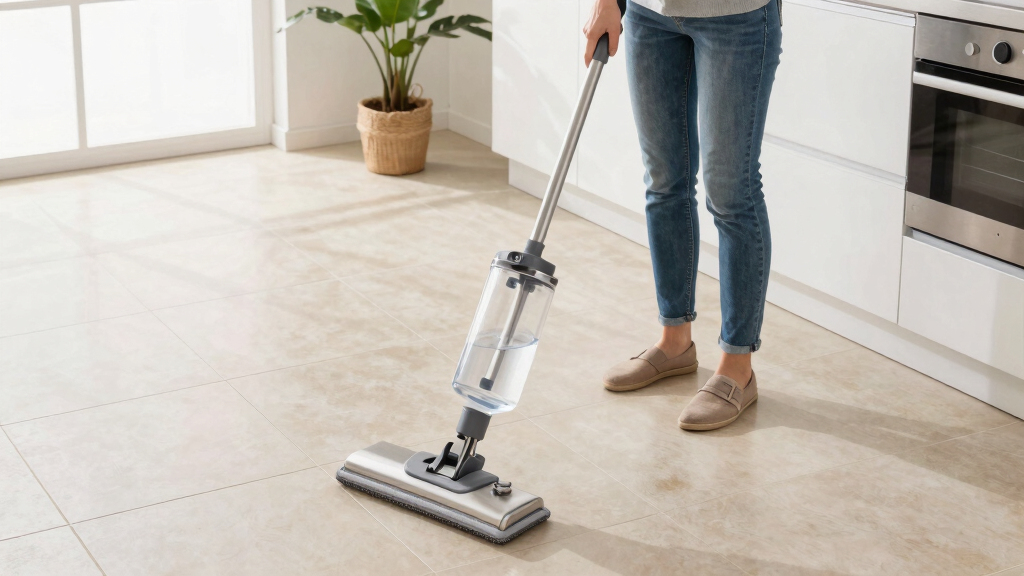
Look for models with adjustable steam controls, safety locks, automatic shut-off, and good reviews for tile safety. These features help prevent accidents and surface damage.steam mop with gentle steam settings
As an affiliate, we earn on qualifying purchases.
As an affiliate, we earn on qualifying purchases.
Conclusion
Steam mops can be a safe, effective tool for keeping ceramic floors spotless—if you use them wisely. Gentle settings, proper prep, and a cautious approach turn a potentially risky device into a cleaning ally. Think of your floors as a canvas: a little care preserves their beauty for years to come.
Next time you reach for that steam mop, remember: moderation and awareness are your best tools. Your ceramic tiles, and your peace of mind, will thank you.
Halloween Picks
halloween
As an affiliate, we earn on qualifying purchases.