TL;DR

Get cleaning gear delivered free — and shop member deals
- Fast, free delivery on millions of items
- Access to Prime Big Deal Days deals on October 6–7
- Prime Video, Amazon Music and more included
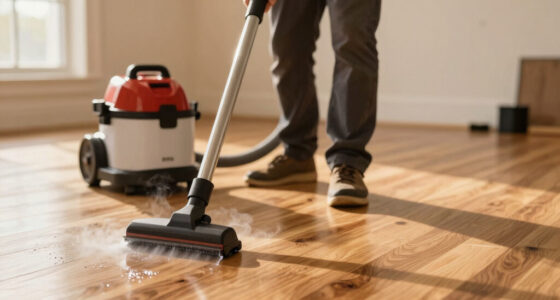
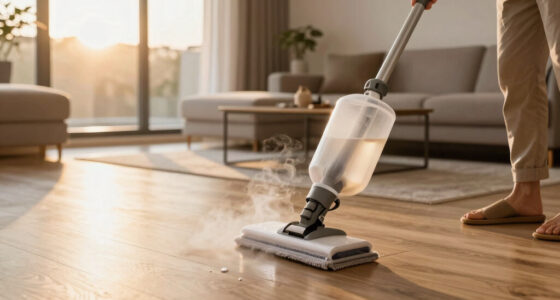
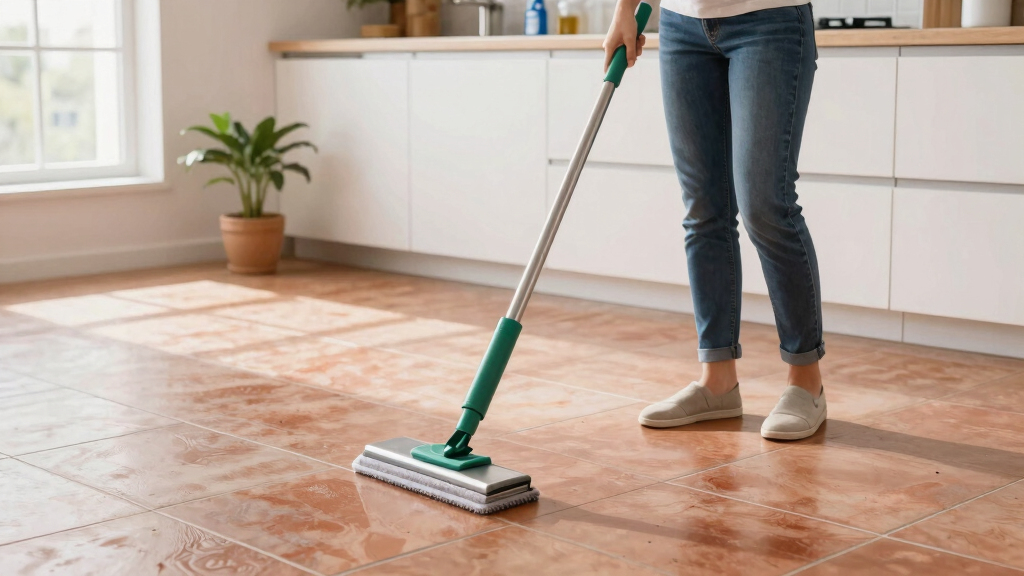
Steam mopping Saltillo tile can be safe if the surface is properly sealed and steam is used at low levels. Without sealing, excess moisture can stain or warp the porous terracotta. Regular maintenance with gentle methods remains the safest choice.
Saltillo tile’s warm, earthy tones add rustic charm to any home — but does that beauty hold up against steam cleaning?
If you’ve considered using a steam mop, you’re not alone. It’s quick, chemical-free, and effective at disinfecting. But for porous terracotta like Saltillo, the question isn’t just about cleanliness — it’s whether the heat and moisture could cause more harm than good.
In this guide, you’ll learn what makes Saltillo tile delicate, how steam cleaning interacts with its porous surface, and what steps you can take to keep your floors pristine without risking damage.
Always test your Saltillo tile’s sealing status before attempting steam cleaning.
Proper sealing creates a moisture barrier, making steam cleaning safer and more effective.
Use low steam settings and keep the mop moving—avoid holding it in one spot.
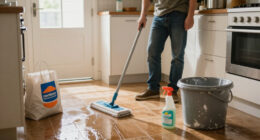
For unsealed or poorly sealed Saltillo, stick to sweeping and damp mopping with mild cleaners.
Resealing every 1-3 years helps maintain moisture resistance and protects your investment.
Why Saltillo Tile Needs Gentle Care — Not Just Hot Steam
Saltillo tile is a soft, porous terracotta known for its rich, rustic look. Its porous nature means it acts like a sponge, readily absorbing liquids and moisture. This porosity is what gives Saltillo its charm but also makes it inherently vulnerable to damage from excessive moisture and heat. When moisture penetrates deeply, it can cause staining, warping, or even cracking over time, especially if the tile isn’t sealed properly. The heat from steam increases the risk because it can drive moisture into those delicate pores faster and more forcefully than traditional cleaning methods.
Understanding this is crucial because it highlights why seemingly harmless cleaning techniques can have unintended consequences. For example, unsealed or poorly sealed Saltillo is more susceptible to moisture infiltration, which can lead to long-term damage that’s costly to repair. Using high-temperature steam without proper precautions essentially risks turning your beautiful floor into a damaged surface, compromising both its visual appeal and structural integrity. This underscores the importance of evaluating your tile’s porosity and sealing status before opting for steam cleaning, as the tradeoff between convenience and potential damage can be significant.
Saltillo tile sealant for porous terracotta
As an affiliate, we earn on qualifying purchases.
As an affiliate, we earn on qualifying purchases.
How Sealing Turns Saltillo Into a Damp-Resistant Wonder
Sealing Saltillo tile is more than just an aesthetic choice; it’s a vital protective step that transforms its porous surface into a barrier against moisture intrusion. Think of sealing as applying a specially formulated coating that penetrates deep into the terracotta’s tiny pores, filling them and creating a semi-permanent shield. This barrier prevents water and steam from seeping in, thereby significantly reducing the risk of staining, warping, or structural damage caused by excess moisture.
Choosing the right sealant is essential. High-quality penetrating sealants are designed to bond with the tile’s surface without altering its natural appearance. They last between 1 to 3 years, depending on foot traffic and cleaning habits, making regular resealing a key part of maintenance. When properly sealed, Saltillo becomes more resilient to the effects of steam cleaning, especially if you use low heat and keep the mop moving steadily.
It’s important to note that sealing isn’t a one-time fix. Over time, sealants can wear thin or develop micro-abrasions, which diminish their protective qualities. Regular resealing refreshes this barrier, ensuring your tile remains resistant to moisture and easier to clean without risking damage. This process is an investment in the longevity of your tile, preserving its natural beauty while reducing the vulnerability to damage from steam and other moisture-based cleaning methods.
As an affiliate, we earn on qualifying purchases.
Assessing Your Saltillo Tile’s Condition Before Cleaning
Before deciding on any cleaning method, it’s crucial to evaluate the current condition of your Saltillo tiles. A simple water test can help determine if your tiles are sealed or need resealing. Sprinkle a few drops of water onto the surface — if the water beads up and remains on top, your sealant is still effective. If the water quickly soaks into the tile, it’s a sign that the protective sealant has worn down and your tiles are vulnerable to moisture damage.
In addition to testing, inspect your tiles for signs of damage such as discoloration, cracks, or soft spots. These are indicators that moisture has penetrated the surface, and you should proceed with caution. If your tiles show signs of wear or damage, it’s best to reseal them before attempting any steam cleaning. Proper assessment helps prevent accidental damage and ensures you choose the safest cleaning method for your specific situation.
Remember, the goal is to preserve the beauty and integrity of your Saltillo tile for years to come. Taking the time to evaluate its condition can save you from costly repairs and help you make informed decisions about cleaning and maintenance.
damp mopping Saltillo tile cleaning kit
As an affiliate, we earn on qualifying purchases.
As an affiliate, we earn on qualifying purchases.
Applying and Maintaining Your Sealant
Once you’ve determined that your Saltillo tiles need resealing, choosing the right product and applying it correctly is key. Use a high-quality penetrating sealant designed for terracotta or natural stone. Ensure the surface is clean and dry before application. Follow the manufacturer’s instructions carefully—usually, this involves applying the sealant with a brush or roller, allowing it to penetrate for a specified time, and then wiping off any excess.
After sealing, it’s important to maintain the protective barrier through regular resealing. Depending on foot traffic and cleaning practices, you should reseal your Saltillo every 1 to 3 years. This ongoing maintenance keeps the surface resistant to moisture and makes future cleaning, including steam cleaning, safer and more effective. Remember, a well-maintained sealant not only prolongs the life of your tile but also helps preserve its natural appearance and rustic charm.
As an affiliate, we earn on qualifying purchases.
Frequently Asked Questions
Is it safe to use a steam mop on Saltillo tile?
It can be safe if your Saltillo is properly sealed and you use the steam mop at a low setting. Always test a small hidden area first and avoid holding the mop in one place for too long.How do I know if my Saltillo tile needs sealing?
Perform a simple water test: sprinkle a few drops of water on the tile. If the water beads up, it’s sealed. If it soaks in quickly, it’s time to reseal for better moisture resistance.Can I use vinegar or harsh chemicals on Saltillo?
No. Acidic cleaners like vinegar can damage the porous surface. Stick with pH-neutral cleaners and gentle mops for routine maintenance.How often should I reseal Saltillo tile?
Typically every 1 to 3 years, depending on foot traffic and exposure. Resealing keeps moisture out and preserves the natural look.What are signs my Saltillo tile is damaged?
Discoloration, cracking, soft spots, or stains that won’t lift are signs moisture has penetrated. Stop steam cleaning and consider sealing or professional repair.Conclusion
Steam mopping Saltillo tile isn’t a one-size-fits-all answer. With proper sealing and cautious use, it can be a safe cleaning method. But if you’re unsure about your tile’s condition, gentle damp mopping remains the safest way to preserve that warm, rustic charm.
Think of your Saltillo as a treasured piece of art—gentle care keeps it beautiful for years to come. When in doubt, ask a professional or test a small area first. Your floors will thank you.
Halloween Picks
halloween
As an affiliate, we earn on qualifying purchases.