TL;DR

Get cleaning gear delivered free with Prime
- Fast, free delivery on millions of items
- Prime Video, Amazon Music and more included
- Member-only deals all year
Steam mopping can effectively clean vinyl floors, but it often risks warping or peeling the surface. Most manufacturers advise avoiding it or using models with adjustable steam. Safer options include damp mopping and vinyl-specific cleaners.
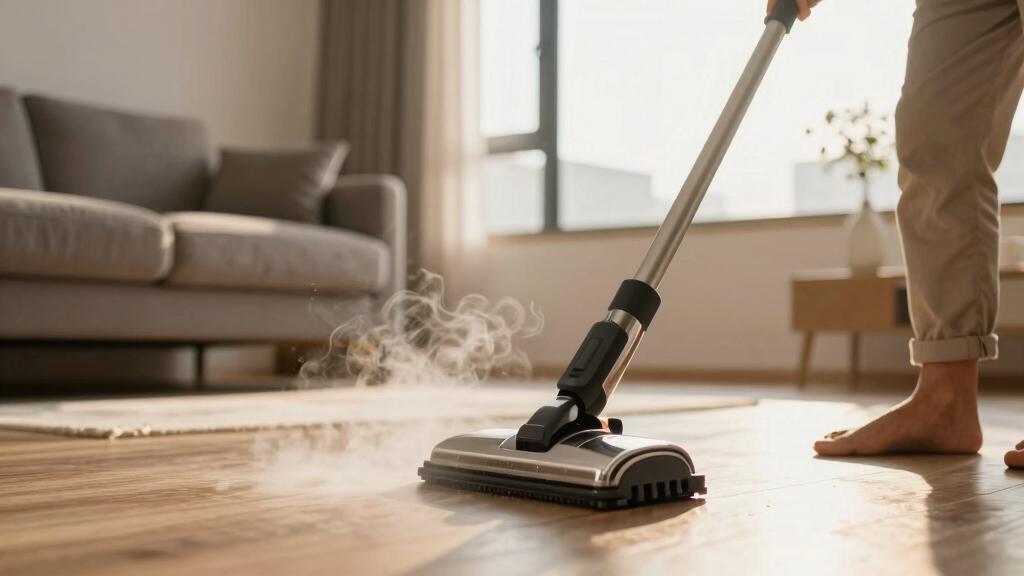
Imagine a steaming, fluffy cloud hovering over your vinyl floor, promising deep cleaning with a single swipe. It sounds tempting, right? But before you grab that steam mop, take a breath. Vinyl floors are delicate, and heat and moisture can turn your shiny new surface into a bubbling, warped mess. This guide walks you through whether steam mopping is a smart move or a costly mistake, helping you make decisions that protect your floors—and your wallet.
In the next few minutes, you’ll learn how steam behaves on vinyl, the risks involved, and the best ways to keep your floors spotless without damage. Whether you’re a busy parent or a DIY enthusiast, understanding these facts will save you headaches and costly repairs down the line.
Most vinyl floors should never be cleaned with a steam mop unless explicitly approved by the manufacturer.
Excessive heat and moisture from steam can cause vinyl to bubble, warp, or peel—damage that’s costly to repair.
Always test a small, hidden area before using a steam mop on vinyl floors, and keep steam settings low if you proceed.
Damp mopping with a microfiber cloth and vinyl-safe cleaner is a safer alternative that still delivers a clean surface.
Read your flooring’s guidelines carefully—protect your investment with the right cleaning approach.
Steam Mopping Vinyl Floors: Smart Move or Costly Mistake?
Steam promises a deep, chemical-free clean, but vinyl floors are vulnerable to heat and moisture. The safest answer is usually simple: follow the manufacturer’s guidance, damp mop by default, and treat steam as a cautious exception.
Most vinyl floors should not meet steam unless the product guide clearly says they can.
High temperatures can soften layers and weaken adhesive bonds.
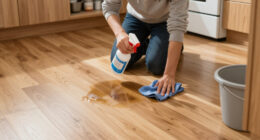
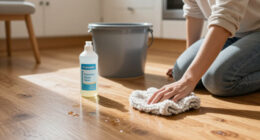
Microfiber plus vinyl-safe cleaner cleans well with less exposure.
Many brands advise avoiding steam unless vinyl-safe use is explicit.
Wait a full day after testing a hidden area for lifting or discoloration.
If steam is allowed, use the lowest heat and pressure possible.
Bubbling, warping, peeling, and discoloration are warning signs.
Regular sweeping and gentle damp mopping protect finish and seams.
Cleaning Power vs. Floor Protection
Steam can loosen grime and help sanitize, but vinyl’s weak points are heat, moisture, seams, and adhesive. The practical question is not whether steam cleans; it is whether the clean is worth the risk.
Steam Loosens Grime
Heated vapor can lift dirt without harsh chemicals, which makes it appealing for homes with kids, pets, or frequent messes.
Moisture Finds Gaps
Steam can push moisture into seams, edges, and worn spots, increasing the chance of bubbling or weakened layers.
Condition Matters
Newer, approved vinyl may tolerate careful low steam. Older, loose, or scratched vinyl should stay with damp mopping.
Method Comparison
The safest maintenance plan keeps water controlled, avoids prolonged heat, and uses products made for resilient flooring.
| Cleaning Method | Cleaning Strength | Vinyl Safety | Best Use | Watchout |
|---|---|---|---|---|
| Low adjustable steam | ✓ Strong grime lift | ~ Only if approved | Rare, brief cleaning on compatible vinyl | Never hold steam in one place |
| Standard steam mop | ✓ High heat clean | ✗ Risky for most vinyl | Better suited to approved hard surfaces | Can warp, bubble, or peel floors |
| Damp microfiber mop | ✓ Reliable routine clean | ✓ Safest default | Weekly maintenance and everyday spills | Avoid soaking the floor |
| Vinyl-specific cleaner | ✓ Good finish care | ✓ Designed for vinyl | Dirt, residue, and dull spots | Follow dilution directions |
| Wet mop with excess water | ~ Mixed results | ✗ Moisture-heavy | Not recommended for seams or older floors | Water can seep below planks or sheets |
If You Must Use Steam, Use a Risk-Control Workflow
Steam cleaning vinyl is a cautious exception, not a routine habit. Control heat, reduce exposure, and stop immediately if the surface changes.
Read the Floor Guide
Confirm that your exact vinyl product allows steam cleaning before plugging in the mop.
Choose Adjustable Steam
Use a model with low output and temperature control for delicate surfaces.
Test a Hidden Spot
Clean a small area, then wait 24 hours for lifting, haze, or bubbling.
Keep It Moving
Make quick passes and avoid lingering on seams, corners, or worn patches.
Limit Frequency
Save steam for rare situations; routine care should stay gentle and damp.
Bubbles are not cosmetic.
A raised spot can signal layer separation or moisture intrusion. More steam can turn a small problem into replacement work.
Repeated heat causes cumulative damage.
Even if one session looks fine, repeated exposure can weaken adhesives and accelerate peeling over time.
Risk Spectrum by Floor Condition
Your floor’s age, seam quality, finish condition, and manufacturer approval change the risk profile dramatically.
Manufacturer-approved vinyl, intact finish, quick low-steam pass, tested first.
Unknown warranty status, occasional seams, or repeated cleaning temptation.
Older flooring, peeling edges, bubbles, scratches, loose planks, or high steam output.
Trace the Damage Path
The issue is usually not one dramatic cleaning session. It is heat plus moisture finding weak points and compounding over time.
Hot vapor loosens grime and raises surface temperature.
Moisture can reach edges, gaps, and worn finish areas.
Heat can soften layers and stress adhesive bonds.
Bubbles, warping, peeling, haze, or discoloration appear.
Affected sections may need replacement, not just cleaning.
Fast Answers for Vinyl Floor Owners
When in doubt, the protective choice is boring in the best way: sweep, vacuum, damp mop, and keep water controlled.
Is steam mopping safe for vinyl floors?
Usually no, unless your flooring instructions explicitly say steam is safe. Heat and moisture can cause warping, bubbling, or peeling.
Can I use a steam mop without damage?
Only with caution: adjustable steam, the lowest setting, constant motion, and a hidden 24-hour test first.
What signs show steam damage?
Look for raised bubbles, curled edges, soft spots, discoloration, shiny patches, peeling, or boards that no longer sit flat.
What is the safest cleaning method?
Regular sweeping or vacuuming followed by damp microfiber mopping with a vinyl-safe cleaner is the best everyday approach.
Does Steam Mopping Actually Clean Better Than Traditional Methods?
Steam mops use heated vapor to loosen dirt and bacteria, promising a deep, chemical-free clean. But on vinyl floors, the real question isn’t just cleaning power—it’s whether that steam can harm the surface. In many cases, damp mopping with a microfiber cloth and a gentle cleaner matches steam’s effectiveness without risking damage.
For example, a family with kids and pets might prefer steam for sanitizing. However, if the vinyl is aged or already showing signs of wear, steam could accelerate deterioration. Testing a small, hidden section first can help you gauge the results before committing to full cleaning.
It’s important to recognize that while steam can kill germs and loosen grime, the key issue is the potential for moisture and heat to penetrate the vinyl’s surface or underlying layers. This can weaken the material, leading to warping or bubbling over time. So, even if steam seems more effective initially, the long-term implications might outweigh the short-term benefits, especially on delicate or older vinyl floors.
Understanding these nuances helps you weigh the tradeoffs: a quick deep clean versus the risk of irreversible damage. The decision hinges on your floor’s condition, your cleaning priorities, and your willingness to accept potential repair costs down the line. Often, the safer route is to stick with traditional methods that are less invasive but still effective.
As an affiliate, we earn on qualifying purchases.
Why Most Vinyl Flooring Makers Say ‘No’ to Steam Cleaners
Vinyl flooring is sensitive to heat and moisture. Excessive steam can make the material warp, bubble, or peel over time. According to many manufacturers, even low steam settings can be risky if used repeatedly or left in one spot too long.
For instance, a homeowner noticed a small bubble forming after a few steam sessions. That bubble grew, and soon the floor needed costly repairs. This isn’t just about immediate damage; repeated exposure to steam accelerates deterioration by weakening the structural integrity of the vinyl. The heat causes expansion and contraction cycles, which can create microscopic cracks or weaken the adhesive bonds holding the layers together. Over time, these small issues compound, leading to visible warping or bubbling that is often irreversible. Recognizing these vulnerabilities emphasizes why manufacturers recommend avoiding steam cleaning altogether—because once the damage is done, the repair costs and inconvenience can be substantial, often requiring replacement of entire sections of flooring.
Understanding these risks underscores the importance of adhering to manufacturer guidelines, which are based on the material’s inherent vulnerabilities. Ignoring these recommendations can lead to costly repairs and a shortened lifespan of your floors. Therefore, treating vinyl floors with gentle, proven cleaning methods is a prudent choice to preserve their appearance and structural integrity.
As an affiliate, we earn on qualifying purchases.
How to Safely Use a Steam Mop on Vinyl Floors (If You Must)
- Choose a model with adjustable steam settings, allowing you to control heat and moisture output. This helps minimize the risk of excessive exposure that can damage the floor. Having control over steam intensity is crucial because it allows you to tailor the cleaning process to your specific vinyl type, reducing the likelihood of damage caused by high heat or moisture levels.
- Set the steam to the lowest heat and pressure possible. The lower the temperature and moisture, the less chance of warping or bubbling. This cautious approach helps mitigate the risk of damage while still providing some sanitizing benefits.
- Test on a hidden area first—wait 24 hours to check for any signs of damage or discoloration. This step is vital because different vinyl types and finishes react differently to heat and moisture. A small test spot can reveal how your specific floor responds, preventing widespread damage.
- Keep the steam moving; don’t hold it in one spot. Constant motion prevents prolonged heat and moisture from accumulating in one area, reducing the risk of localized damage. This technique ensures the heat and moisture are dispersed evenly, minimizing potential harm.
- Limit steam sessions to brief, infrequent cleaning, especially if your floor is older or more delicate. Regular cleaning should be gentle and minimal to preserve the integrity of the vinyl. Overuse, even with cautious settings, can still cause cumulative damage over time, so moderation is key.
For example, if you notice your vinyl is in good shape, a quick pass with a low-steam setting might be okay. Just remember: less is more. The goal is to clean without risking warping or bubbling, which can happen even with careful use if the material is vulnerable. Always prioritize gentle methods and avoid overexposing your floors to heat and moisture. Think of it as a risk management strategy: control and moderation are your best tools to protect your investment.
As an affiliate, we earn on qualifying purchases.
Frequently Asked Questions
Is steam mopping safe for vinyl floors?
Most vinyl flooring manufacturers advise against using steam mops unless explicitly stated as safe. Excessive heat and moisture can cause warping, bubbling, or peeling. Always check your floor’s guidelines before trying.Can I use a steam mop on vinyl floors without damage?
If you choose to try, use a model with adjustable steam settings, keep the steam low, and test on a hidden area first. Even then, proceed with caution—damage can still occur over time.What are the signs my vinyl floor has been damaged by steam?
Look for bubbling, warping, peeling, or discoloration. Damage might appear as small bumps or shiny patches that catch your eye later on.What are the safest ways to clean vinyl floors?
Regular sweeping or vacuuming and damp mopping with a microfiber cloth and vinyl-safe cleaner are the safest methods. They keep your floors clean without risking damage.Are there vinyl-specific steam mops?
Few, if any, are designed specifically for vinyl floors. Most experts recommend avoiding steam cleaning altogether for vinyl surfaces, unless explicitly approved by the manufacturer.As an affiliate, we earn on qualifying purchases.
Conclusion
Steam mopping on vinyl floors is a risky gamble. While it can seem like a quick, effective clean, the potential for warping or bubbling makes it a costly mistake in many cases. Your best bet? Stick with gentle, traditional cleaning methods—your floors will thank you for it.
Think of your vinyl as a delicate canvas: a little care goes a long way. When in doubt, always check your manufacturer’s advice, test first, and choose safer cleaning options to keep your floors looking fresh for years.
Fall Picks
fall essentials
As an affiliate, we earn on qualifying purchases.