TL;DR
Listen free for 30 days with Audible
Thousands of audiobooks and originals — cancel anytime.
Start your free trialAs an affiliate, we earn on qualifying purchases.
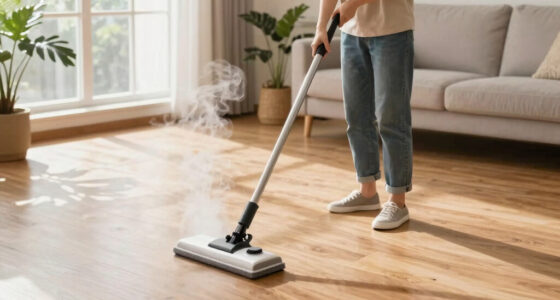
Steam mopping sealed hardwood floors can be safe if you use low steam settings, move the mop constantly, and follow manufacturer instructions. Proper technique prevents damage and keeps floors looking new.
Imagine the rich, warm scent of a freshly cleaned hardwood floor, free of dirt and grime. But you also want to avoid the damaging effects of too much moisture or heat. Steam mopping can be a safe, effective choice—if you know exactly how to do it with care. This guide walks you through the safest ways to steam mop sealed hardwood without risking warping, finish damage, or scratches.
You’ll learn practical tips, common pitfalls, and the latest technology to keep your floors pristine. With a few simple steps, you can harness the power of steam while still protecting your investment in beautiful hardwood.
Use a steam mop with adjustable, low-heat settings for sealed hardwood floors.
Always test a small, hidden area before full cleaning to check for adverse reactions.
Keep the mop moving constantly—don’t hold it in one spot—to prevent moisture buildup.
Allow the floor to dry completely before walking on it to avoid warping.
Regularly maintain your steam mop to keep it working safely and effectively.
What Makes Sealed Hardwood Different from Other Floors?
Sealed hardwood floors have a protective finish—like polyurethane—that shields the wood from moisture, stains, and scratches. This finish makes them more durable than raw wood but still sensitive to excessive water or heat. Unlike tile or vinyl, they require gentler cleaning methods.
For example, a sealed hardwood floor in a busy kitchen might face spills and dirt daily. Regular sweeping and gentle cleaning keep it looking new, but using a steam mop requires caution. Knowing what’s underneath that glossy surface helps you decide how much steam is safe.
Understanding this distinction is crucial because the finish acts as a barrier—if it’s compromised, moisture can seep into the wood, leading to warping, discoloration, or even structural damage over time. The tradeoff is that while the finish allows for some cleaning flexibility, it’s not impervious; aggressive cleaning methods can quickly undo its protective qualities, making careful technique essential.
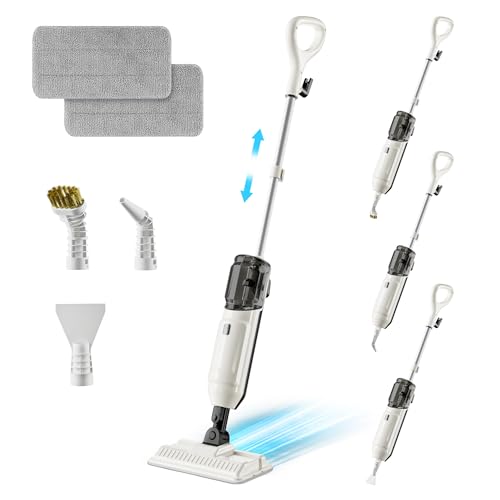
Steam Mop for Floor Cleaning, Multi-Purpose Steam Cleaner with Handheld Steamer & Accessories, Deep Cleaning Floor Steamer for Hardwood and Tile, Pet-Friendly Steam Mop for Home
- Rapid High-Temperature Steam: Releases 260°F steam in 15 seconds
- Effective Stain Removal: Dissolves grease and dirt without chemicals
- Eco-Friendly Deep Cleaning: Kills 99.9% of common germs and stains
As an affiliate, we earn on qualifying purchases.
As an affiliate, we earn on qualifying purchases.
Choose the Right Steam Mop — What Features Keep Your Floors Safe
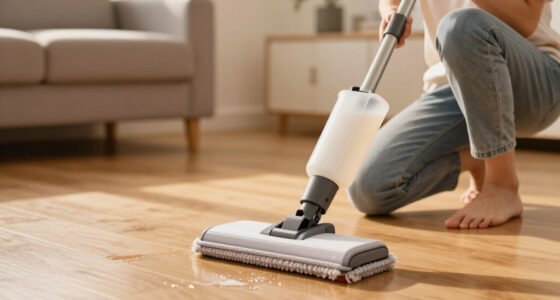
Not all steam mops are created equal—especially for hardwood. Look for models with adjustable steam controls and low-heat settings. These features are critical because they allow you to tailor the steam output to the delicate nature of sealed hardwood, reducing the risk of heat-related damage. A microfiber pad is best—soft, non-abrasive, and gentle on finishes, ensuring that you clean effectively without scratching the surface.
For example, a popular model might have a dial for steam intensity. Setting it to low or eco mode minimizes the amount of moisture and heat applied, decreasing the chance of warping or finish peeling. Avoid mops with continuous, high-heat steam options—they can generate enough heat and moisture to compromise the integrity of your floor’s finish, especially if used improperly or held in one spot for too long.
Remember—your goal isn’t to sterilize the floor but to clean it gently. Always check the manufacturer’s recommendations for your specific brand and finish because improper settings can have long-term consequences that might not be immediately visible.

Shark Steam Mop for Sealed Hard Floors with 2 Dirt Grip Pads, White, S1000
- Chemical-Free Sanitization: Removes grease with steam only
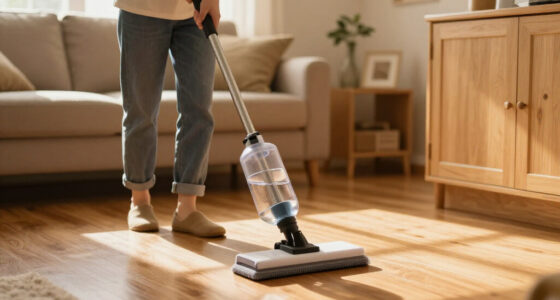
- Removable Water Tank: Easy to refill for continuous cleaning
- Lightweight Design: Under 5 lbs for easy handling
As an affiliate, we earn on qualifying purchases.
As an affiliate, we earn on qualifying purchases.
Prep Your Floor — The Critical First Step
Before steaming, sweep or vacuum thoroughly. Loose dirt and debris can scratch or embed into the finish if left behind, especially when moisture is introduced. For instance, a quick run with a soft broom can remove sand particles that might damage the surface during mopping, and prevent them from acting as abrasives under the microfiber pad.
Next, test a small hidden area—like under a cabinet or along a closet wall—to see if the finish reacts negatively. Wait a few minutes and inspect for dullness, discoloration, or warping. This step is vital because some finishes or wood types are more sensitive than others; a successful patch test helps prevent costly damage. If all looks good, proceed with confidence.
Preparation is your best defense against accidental damage—skipping this step increases the risk of unintended harm. It’s a small effort that can save you from expensive repairs or refinishing later.
Shark Steam Mop for Sealed Hard Floors with 2 Dirt Grip Pads, White, S1000
- Chemical-Free Sanitization: Removes grease with steam only
- Removable Water Tank: Easy to refill for continuous cleaning
- Lightweight Design: Under 5 lbs for easy handling
As an affiliate, we earn on qualifying purchases.
As an affiliate, we earn on qualifying purchases.
Master the Technique — How to Steam Mop Carefully in 5 Steps
- Set your steam mop to the lowest heat and steam setting. Double-check your manufacturer’s guidance to ensure compatibility with hardwood surfaces.
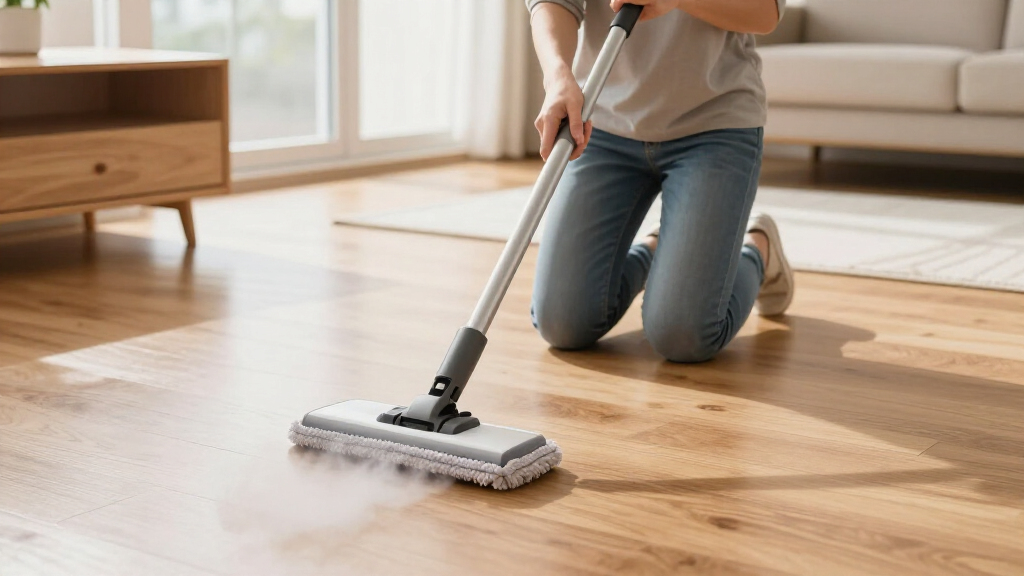
- Start in a corner, keeping the mop moving steadily. Don’t hold it in one spot—let the steam do the cleaning. This prevents moisture from pooling and minimizes the risk of warping or finish erosion.
- Maintain a slight angle, letting the microfiber pad touch the floor without pressing down hard. Gentle contact ensures effective cleaning without excessive moisture or heat transfer.
- Work in small sections—about 3 to 4 feet at a time—so the floor doesn’t get overly wet. The goal is to clean without saturating the wood or finish, which can lead to swelling or damage.
- Finish with a quick pass in each area, then turn off the mop and let the floor air dry completely before walking on it. This allows residual moisture to evaporate, preserving the integrity of the finish and preventing warping.
For example, imagine gently gliding the mop across your hardwood, like petting a delicate surface—no heavy pressure, just a smooth, continuous motion. This technique helps distribute steam evenly and reduces the chance of moisture buildup, which is critical for maintaining the floor’s appearance and longevity.
Following these steps ensures you harness steam’s cleaning power without risking warping, finish peeling, or other damage. The key lies in patience, moderation, and awareness of your floor’s sensitivity.
Shark Steam Mop for Sealed Hard Floors with 2 Dirt Grip Pads, White, S1000
- Chemical-Free Sanitization: Removes grease with steam only
- Removable Water Tank: Easy to refill for continuous cleaning
- Lightweight Design: Under 5 lbs for easy handling
As an affiliate, we earn on qualifying purchases.
As an affiliate, we earn on qualifying purchases.
Post-Cleaning Care — Keep Your Floor Beautiful
Allow the floor to air dry completely—at least 30 minutes—before walking on it. This prevents moisture from seeping into seams or causing warping, which can be exacerbated by foot traffic. For example, in a busy household, scheduling steaming after dinner and waiting overnight ensures thorough drying, reducing the risk of long-term damage.
Wash microfiber pads regularly—preferably after each use—to remove dirt, bacteria, and residual cleaning solutions. This maintains their effectiveness and prevents grime from scratching or spreading over time, which could dull the finish or cause micro-abrasions.
And remember, avoid applying wax or oil-based products after steaming; these can dull the finish, cause buildup, or interfere with future cleaning. Proper post-cleaning maintenance preserves the integrity of your floor’s protective layer and keeps it looking its best.
Compare Your Options: Steam Mop Settings & Risks
| Feature | Low Setting | High Setting |
|---|---|---|
| Steam Output | Minimal, gentle steam | Strong, continuous steam |
| Risk of Damage | Very low | Higher risk of warping or finish peeling |
| Best For | Sealed hardwood, delicate finishes | Tile, heavy-duty cleaning |
Always opt for the lowest effective setting. Modern steam mops with adjustable controls give you the flexibility to clean safely. This choice balances effective cleaning with the preservation of your hardwood’s finish, reducing the risk of long-term damage caused by excessive heat or moisture.
Common Mistakes That Can Damage Your Hardwood Floors
Using high heat or excessive steam is the biggest mistake. It can cause the finish to peel or the wood to warp. For example, holding the mop in one spot for too long can trap moisture and lead to swelling, which may be invisible initially but causes serious issues over time. The tradeoff here is that while higher heat might seem efficient, it accelerates damage, compromising the protective finish and risking costly repairs.
Another mistake is skipping the test patch—your floors might look fine initially, but damage appears later when the finish dulls or the wood warps. Additionally, applying steam without a microfiber pad can cause scratches or scrub the finish, especially if debris is present. These micro-abrasions weaken the protective layer, making the floor more vulnerable to moisture and wear.
Always follow the manufacturer’s instructions and stay cautious—less is more when it comes to steam on hardwood. The implications of neglecting these precautions include irreversible damage that shortens the lifespan of your flooring and leads to expensive refinishing or replacement.
Why this matters: Excessive steam or heat can compromise the integrity of your hardwood’s protective finish, leading to costly repairs or refinishing. The finish acts as a barrier—if it gets damaged, moisture can penetrate deeper, causing warping or discoloration. The tradeoff is between thorough cleaning and potential long-term harm; understanding this helps you make informed decisions about cleaning frequency and settings.
Alternatives to Steam Mopping for Gentle Cleaning
If you’re nervous about steam, traditional damp mopping with a microfiber cloth and a pH-neutral cleaner works just as well. For example, a lightly damp microfiber cloth can wipe away dirt without any risk of moisture damage, providing a gentle yet effective cleaning method that preserves your finish.
Vacuuming regularly also helps prevent dirt buildup that can scratch or weaken the finish over time. Remember—less water, more care. These methods are less aggressive but equally effective at maintaining your floors’ beauty and longevity.
Steam is a powerful tool, but gentle cleaning methods often suffice, especially for routine maintenance. Over-reliance on steam can introduce unnecessary risks, so understanding when and how to use it is key to long-term floor health.
Keep Your Steam Mop in Shape — Maintenance Tips
Regularly descaling your steam mop prevents mineral buildup that can damage your floors. Use manufacturer-recommended cleaning solutions or vinegar solutions for descaling, which help maintain consistent steam output and prolong the lifespan of your device.
Replace microfiber pads frequently—at least weekly if used often—to maintain cleaning effectiveness and prevent abrasive dirt from scratching your finish. Clean pads thoroughly after each use to remove trapped debris and bacteria, ensuring optimal performance and preventing cross-contamination.
Follow your model’s user manual for water tank cleaning and filter replacement to keep steam output steady and safe. Proper maintenance not only extends your mop’s lifespan but also ensures it operates at the safest settings for your floors, reducing the risk of accidental damage over time.
Frequently Asked Questions
Is steam mopping safe for all sealed hardwood floors?
Generally yes, as long as your floor is properly sealed and you use the lowest steam setting. Always check your flooring manufacturer’s guidance first. Testing a small area helps ensure no damage occurs.
How often can I steam mop my hardwood floors?
Once a week or as needed is usually safe. Avoid overdoing it—excessive moisture or heat can harm the finish or cause warping over time.
Can steam mops cause warping or finish peeling?
Yes, if used improperly—especially with high heat or prolonged contact in one spot. Always keep the mop moving and use the lowest effective steam setting.
What are the best practices to avoid damaging my hardwood floors?
Use low steam settings, keep the mop moving, avoid excessive moisture, and follow your floor’s manufacturer instructions.
Are there safer alternatives to steam mopping?
Yes, traditional damp mopping with a microfiber cloth and pH-neutral cleaner is a gentle, effective option for sealed hardwood.
Conclusion
Steam mopping sealed hardwood floors can be safe and effective—if you approach it with caution. Use low settings, keep moving, and follow your manufacturer’s guidance. A gentle touch today preserves your floors’ beauty for years to come.
Think of your hardwood as a delicate fabric—clean it with care, and it will reward you with lasting warmth and shine.
Labor Day sales Picks
labor day deals
As an affiliate, we earn on qualifying purchases.