TL;DR
Steam mopping basement floors can trap moisture, leading to warping or mold if not done carefully. Use only on sealed surfaces, ensure ventilation, and dry thoroughly to stay safe.
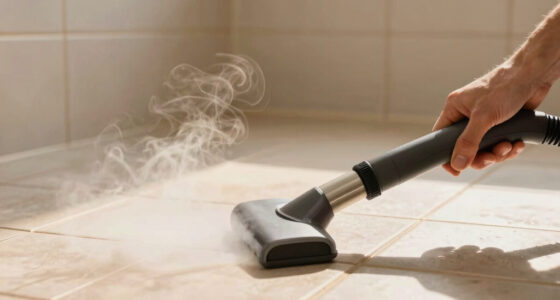
Imagine a freshly cleaned basement, the scent of clean vinyl or sealed concrete lingering in the air. But beneath that shiny surface lurks a hidden danger: trapped moisture from steam mopping. While steam cleaning offers chemical-free sanitation, in damp basement environments, it can turn into a moisture trap, fostering warping, swelling, or mold growth. Knowing when and how to safely use a steam mop in your basement makes all the difference between a spotless, healthy space and one riddled with moisture problems.
This guide walks you through the real risks, recent tech improvements, and practical steps to keep your basement floors safe from moisture damage while still achieving a thorough clean.
Always verify your basement floor’s material and sealant status before using a steam mop.
Use the lowest steam setting and keep the mop moving to prevent moisture from pooling.
Ventilate well and dry the area immediately after steaming to avoid mold growth.
Sealing porous floors makes steam cleaning safer and reduces moisture absorption.
In highly damp basements, dry cleaning methods may be safer than steam mopping.
What Makes Basement Floors a Moisture Minefield for Steam Mopping?
Basements are naturally prone to higher humidity and moisture. When you use a steam mop here, you’re adding a burst of hot vapor that can seep into porous surfaces or get trapped underneath. For example, unsealed concrete absorbs moisture like a sponge, which can lead to swelling, cracking, or mold. Even sealed floors aren’t immune if the sealant is compromised or worn out.
Think of it this way: steam cleaning is like watering a plant. If the soil is already damp or poorly ventilated, the excess water just lingers, causing problems instead of cleaning. In basements, moisture tends to linger longer because of limited air circulation. This means that improper use of steam mops can turn a sparkling floor into a mold-friendly environment.
As an affiliate, we earn on qualifying purchases.
How Modern Steam Mops Reduce Moisture Risks — Do They Really Help?
Today’s steam mops come with features like adjustable steam levels, sealed water tanks, and vapor control. These improvements help minimize excess moisture. For example, models with adjustable steam let you dial down vapor output, preventing oversaturation in sensitive environments like basements.
According to an anonymous researcher, using a steam mop with low steam settings and a controlled vapor release significantly cuts down the risk of trapping moisture beneath floors. Some models even include indicators to alert you when the steam level is too high for delicate surfaces.
But remember: technology alone isn’t enough. Proper ventilation, quick drying, and surface prep remain vital to prevent moisture from seeping into your floors.
adjustable steam mop for basement floors
As an affiliate, we earn on qualifying purchases.
As an affiliate, we earn on qualifying purchases.
The Top 5 Moisture Risks of Using a Steam Mop in Your Basement
Here’s what you need to watch for:
- Trapped moisture beneath porous floors: Unsealed concrete or natural stone can absorb vapor, leading to swelling or cracking.
- Increased humidity fostering mold: Excess moisture that lingers encourages mold growth, especially in poorly ventilated areas.
- Warping and swelling of floorboards: Wooden or laminate floors can warp if exposed to prolonged steam.
- Damage to sealants or coatings: Over time, steam can degrade protective surface layers, exposing flooring to moisture.
- Hidden moisture pockets: Steam can penetrate into cracks or under floor edges, creating unseen damage over time.
For instance, a homeowner noticed their basement vinyl floor warped after repeated steam cleaning, even though the floor was sealed. The moisture trapped beneath caused the warping, demonstrating that even sealed surfaces aren’t always safe if not used properly.
ventilated steam mop for damp areas
As an affiliate, we earn on qualifying purchases.
As an affiliate, we earn on qualifying purchases.
Step-by-Step: How to Safely Use a Steam Mop in Your Basement
- Check your floor type: Confirm it’s sealed and non-porous. If unsure, test a small hidden area first.
- Prepare the space: Clear out furniture, open windows, and turn on fans or dehumidifiers.
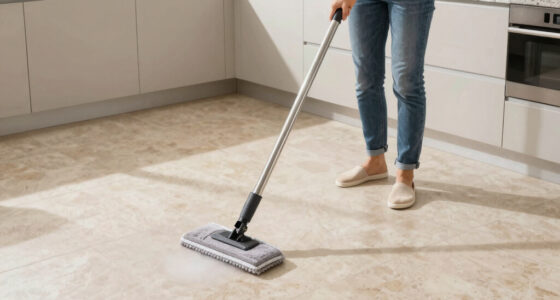
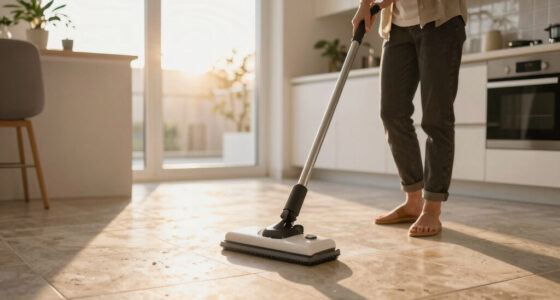
- Set your steam mop: Use the lowest steam setting and keep the mop moving—don’t hold it in one spot.
- Work in sections: Clean small areas at a time, and avoid excessive moisture buildup.
- Dry and ventilate: After steaming, wipe the floor with a dry cloth and keep the area ventilated for at least 30 minutes.
- Regular maintenance: Check your floors for signs of moisture or damage over time.
Imagine steaming a corner of your basement floor for a minute, then immediately wiping it dry. That quick wipe prevents excess moisture from seeping in. It’s all about controlled, mindful cleaning.
As an affiliate, we earn on qualifying purchases.
Sealing Floors First? Why It Matters Before Steam Cleaning
Sealing your basement floors creates a barrier that prevents moisture from soaking in. For porous concrete or stone, a good sealant makes steam cleaning safer and more effective. It’s like putting a raincoat on your floor.
For example, a homeowner applied a high-quality epoxy sealant on their basement concrete, then steamed lightly. The result? Cleaner floors with less risk of warping or mold. Regular sealing can be a game-changer if you plan to steam clean often.
Always choose a sealant compatible with your flooring and follow application instructions carefully. Testing a small spot first is a smart move.
Alternative Cleaning Methods for Damp Basements That Keep Moisture at Bay
If your basement is already damp or you’re worried about moisture, consider other cleaning options. Dry mopping, vacuuming with a HEPA filter, or using damp cloths with minimal water often do the trick without risking moisture buildup.
For instance, a homeowner with a naturally humid basement found that dry sweeping and occasional vacuuming kept their floors spotless without adding extra moisture. Using specialized cleaning products designed for damp environments can also help.
Remember, sometimes less water is more, especially when moisture control is your priority.
Frequently Asked Questions
Is steam mopping safe for all basement floors?
No, only for sealed, non-porous surfaces like finished concrete or vinyl. Avoid unsealed concrete or natural stone, which can absorb moisture and get damaged.Can steam mopping cause mold growth in my basement?
Yes, if moisture gets trapped or ventilation is poor, excess humidity can promote mold. Always ensure good airflow and dry the area thoroughly afterward.How do I prevent moisture problems when steam cleaning?
Use low steam settings, keep the mop moving, open windows, and run a fan or dehumidifier during and after cleaning to ensure proper drying.Should I seal my basement floors before steaming?
Sealing porous floors creates a protective barrier, reducing moisture absorption. It’s especially helpful if you plan to steam clean regularly or in areas prone to dampness.What safer cleaning options exist for damp basements?
Dry mopping, vacuuming, or using damp cloths with minimal water are safer choices that avoid adding excess moisture, helping keep your basement dry and mold-free.Conclusion
Steam mopping basement floors isn’t a one-size-fits-all solution. When used carefully—on sealed surfaces, with good ventilation, and proper drying—it can be safe. But ignoring moisture risks risks turning a clean floor into a moldy mess.
Think of your basement like a delicate sponge—moisture is lurking, and your job is to keep it from absorbing too much. A cautious approach keeps your space fresh, safe, and mold-free.