
TL;DR

Get cleaning gear delivered free with Prime
- Fast, free delivery on millions of items
- Prime Video, Amazon Music and more included
- Member-only deals all year
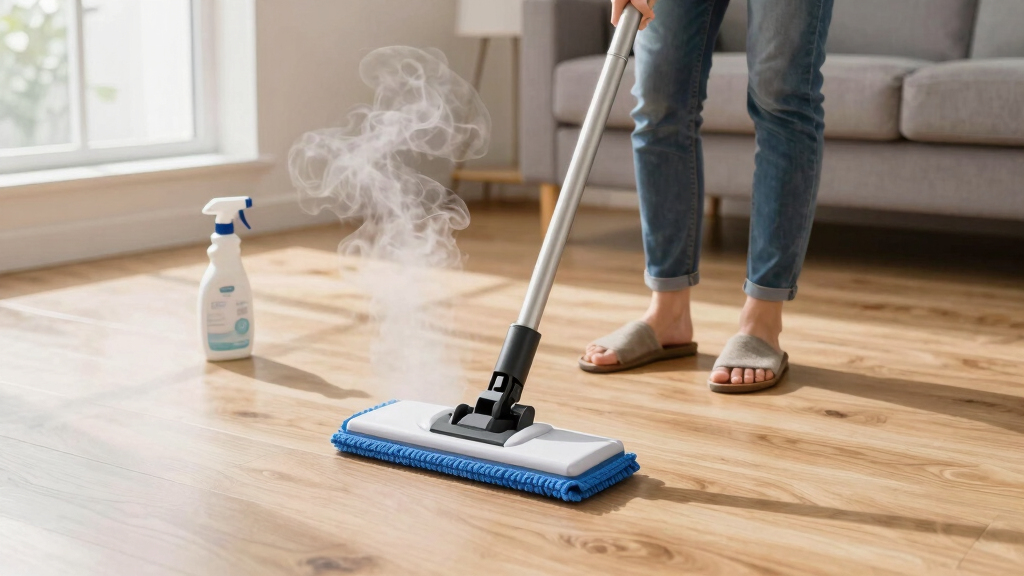
Steam mopping frequency varies by floor type. Usually, once a month for hardwood, weekly for tile, and less often for laminate, with adjustments based on foot traffic and household needs. Always check manufacturer guidance to avoid damage.
Imagine walking into your home, the scent of freshly steamed floors filling the air. You wonder if you should steam mop every week or just once a season. The truth is, how often you steam mop isn’t one-size-fits-all. It’s about balancing cleanliness with protecting your floors. This guide will help you figure out the right rhythm for your household, so you can keep your floors sparkling without risking damage.
Steam mopping is a powerful way to sanitize and clean. But overdoing it on delicate surfaces or not enough on high-traffic areas can lead to problems. Let’s explore what influences the perfect schedule and how you can adapt it to your home’s unique needs.
Match your steam mop frequency to your floor type—less for hardwood, more for tile.
High-traffic areas need weekly or bi-weekly steaming, while quiet rooms can wait longer.
Always test on a small area before full cleaning to prevent damage.
Use the correct steam level and avoid excessive moisture, especially on sensitive surfaces.
Check your floor and steam mop manufacturer’s instructions to stay safe and effective.
What Floor Type Really Matters for Steam Mopping Frequency
Not all floors are born equal when it comes to steam cleaning. For hardwood, the moisture can warp or damage the wood if you go overboard. Think of it like watering a plant—too much water, and it suffers. For tile and vinyl, these surfaces tolerate steam better, so more regular mopping is fine. Laminate floors? They’re like sensitive skin—moisture can cause swelling or warping if you’re not careful.
Understanding these differences is crucial because each material reacts uniquely to moisture and heat. For example, hardwood floors often have a protective sealant, but continuous exposure to moisture can still cause the wood to swell or develop cracks over time. Tile and vinyl, being more resistant, can handle frequent cleaning, but even they have limits—excessive steam might loosen grout or degrade adhesives. Laminate, with its layered construction, is especially vulnerable; moisture can seep between layers, leading to warping or bubbling. Recognizing these nuances helps you avoid unintended damage and extends the life of your floors.
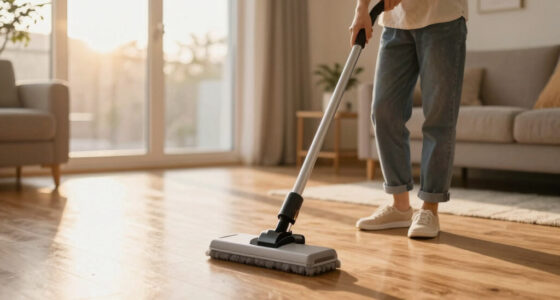
Picture yourself cleaning your living room’s hardwood floor. You notice it looks shiny and new after a gentle monthly wipe. In contrast, your kitchen’s tile floor stays spotless with weekly steaming, thanks to its resistance and constant foot traffic. Adjusting your cleaning schedule based on these insights ensures you maintain both cleanliness and the integrity of your surfaces.
best steam mop for hardwood floors
As an affiliate, we earn on qualifying purchases.
As an affiliate, we earn on qualifying purchases.
How Foot Traffic and Household Factors Change Your Steam Schedule
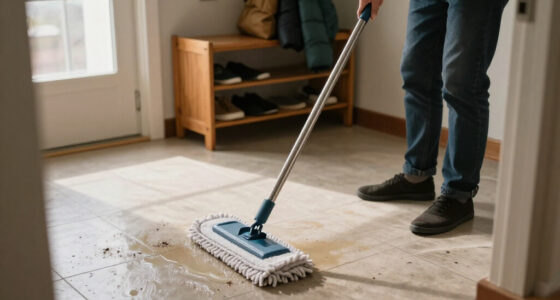
The number of people, pets, and even shoes in your house influences how often you should steam mop. High-traffic zones like the entryway or kitchen need more regular attention—think weekly or even twice a week if you have kids or pets. In quieter rooms, once a month might suffice.
Why does this matter? Because dirt, dander, and germs accumulate faster in busy areas, and neglecting them can lead to poor indoor air quality and potential health issues. Regular steaming in these spaces not only keeps floors looking clean but also helps eliminate allergens, bacteria, and viruses. Conversely, rooms with minimal foot traffic, like guest bedrooms or storage areas, naturally gather less dirt and can be cleaned less frequently without sacrificing hygiene.
For example, if you have a busy family with two dogs and three kids, your floors pick up dirt, dander, and germs fast. Steaming once a week helps keep allergens at bay and maintains a fresh feel. On the flip side, a seldom-used guest bedroom can wait for a gentle monthly clean. Recognizing these patterns allows you to allocate your cleaning efforts efficiently, preventing over-cleaning that could damage delicate surfaces and under-cleaning that could compromise hygiene.
As an affiliate, we earn on qualifying purchases.
Smart Tips for Safe and Effective Steam Mopping on Different Floors
To keep your floors in top shape, follow these simple tips:
- Test first: Always try a small hidden area before full cleaning. This helps identify how your floor reacts to steam and prevents damage.
- Use the right steam level: Lower for delicate surfaces, higher for tough grime. Adjusting steam output ensures effective cleaning without excess moisture.
- Limit moisture: Don’t hold the mop in one spot too long; keep it moving. Prolonged contact can lead to water seeping into surfaces, especially on unsealed or layered floors.
- Follow manufacturer guidance: Check your floor’s care instructions and your steam mop’s manual. Adhering to these recommendations minimizes risks and prolongs the lifespan of both your floors and equipment.
Imagine pulling out your steam mop, adjusting the steam dial on a tile floor, hearing the gentle hiss, and feeling confident it’s safe. That’s the peace of mind you want for every cleaning session. Proper technique and awareness of your floor’s needs make all the difference in maintaining its beauty and durability.
As an affiliate, we earn on qualifying purchases.
Comparison Table: How Often Should Different Floors Be Steam Mopped?
| Floor Type | Recommended Frequency | Notes |
|---|---|---|
| Hardwood | Once a month or less | Use low steam, ensure floors are sealed. Frequent steaming on unsealed hardwood can cause warping or damage, so understanding your floor’s finish is key. |
| Tile & Vinyl | Weekly or bi-weekly | Resistant to moisture, ideal for high traffic. Regular steaming in these areas helps prevent buildup of dirt and germs, but excessive moisture can weaken grout or adhesives over time. |
| Laminate | Every 1-2 months | Limit moisture, test first. Laminate floors are layered and sensitive to water infiltration, which can cause swelling or bubbling if overexposed. |
As an affiliate, we earn on qualifying purchases.
What Happens if You Steam Too Often or Not Enough?
Overdoing it can cause warping, peeling, or swelling, especially on sensitive floors like hardwood or laminate. Excessive steam can penetrate protective finishes, leading to deterioration or cracking over time. On the other hand, infrequent steaming allows dirt, germs, and allergens to linger longer, which can compromise indoor air quality and pose health risks. Think of it like brushing your teeth—too little leads to plaque buildup, while too much can damage enamel. Striking the right balance ensures your floors stay pristine without harm.
Imagine a homeowner who steamed weekly on unsealed hardwood floors. The repeated moisture exposure caused tiny cracks and discoloration, diminishing their beauty and structural integrity. Conversely, another household only steamed once every six months, and their floors felt sticky and grimy, harboring dirt and allergens. These examples highlight how improper frequency can lead to costly repairs or health issues, emphasizing the importance of understanding your floor’s specific needs and adjusting your routine accordingly.
Frequently Asked Questions
Is steam mopping safe for all types of floors?
No, not all floors respond well to steam. It’s safest on sealed tile, vinyl, and certain sealed hardwood. Avoid or limit steam on unsealed wood or laminate, as moisture can cause damage.Can I steam mop every day?
Typically, daily steaming isn’t necessary and might harm sensitive floors. Use it weekly or as advised, always following manufacturer instructions for your specific surface.Does steam mopping replace traditional mopping?
Steam mopping can supplement regular cleaning but may not fully replace traditional mopping, especially for removing stubborn stains or deep cleaning.Are there health benefits to frequent steam mopping?
Yes, regular steaming reduces dust, bacteria, and allergens, contributing to a cleaner, healthier indoor environment, especially for allergy sufferers.How do I prevent damage when steam mopping?
Use the appropriate steam level, test on a hidden area first, avoid excessive moisture, and stick to manufacturer recommendations for your floors.Conclusion
Keeping your floors clean doesn’t mean endless steaming. It’s about knowing when and how often to use your steam mop safely. A gentle, regular approach tailored to your surfaces will give you sparkling floors without risking damage.
Picture your home’s floors as a canvas—clean, shiny, and well-cared-for. That’s a habit worth building. When in doubt, stick to cautious, manufacturer-approved routines, and your floors will thank you.
Fall Picks
fall essentials
As an affiliate, we earn on qualifying purchases.