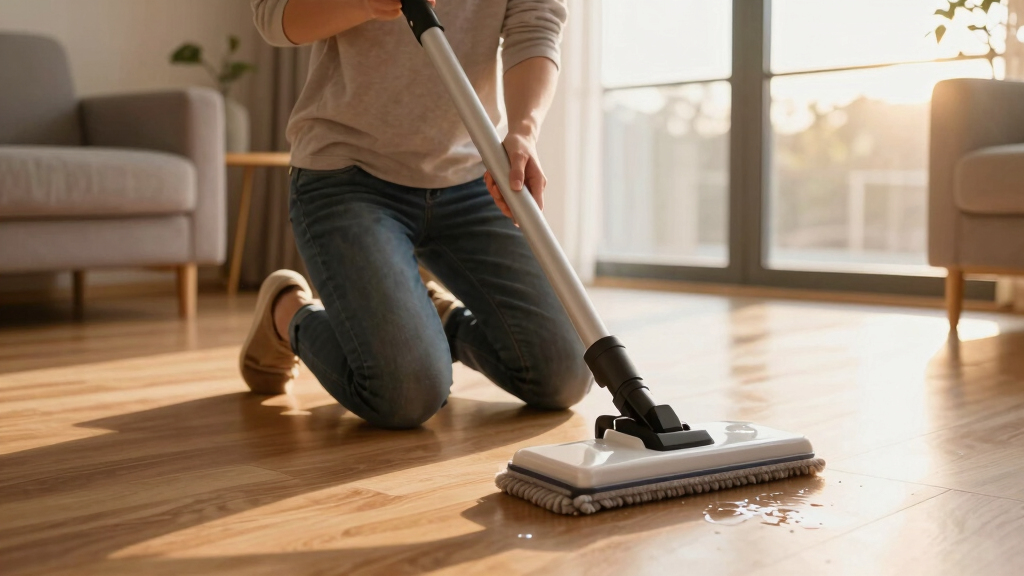
TL;DR

Get cleaning gear delivered free — and shop member deals
- Fast, free delivery on millions of items
- Access to Prime Big Deal Days deals on October 6–7
- Prime Video, Amazon Music and more included
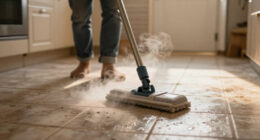
Prepping your floor before steam mopping involves clearing debris, verifying surface compatibility, and ensuring dryness. This step maximizes cleaning power while protecting your floors from moisture damage.
Imagine splashing your favorite coffee on a pristine hardwood floor. It’s tempting to reach for the steam mop immediately. But rushing in can cause more harm than good. Properly prepping your floor before steam mopping guarantees a cleaner surface and avoids costly damage.
This guide walks you through practical steps to get your floors ready—so your cleaning doesn’t just look good but also keeps your surfaces safe. Whether you’re dealing with tile, laminate, or hardwood, these tips make a real difference in how well your steam mop works and how long your floor stays beautiful.
Always clear the floor of furniture, rugs, and objects before steaming.
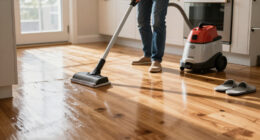
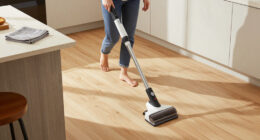
Vacuum or sweep to remove loose dirt that can scratch or smear during cleaning.
Check your floor’s material compatibility and test a hidden area first.
Pre-treat stubborn stains to avoid excessive steaming and streaking.
Ensure the floor is dry and residue-free to prevent damage and achieve a spotless result.
Clear the Area for a Complete, Unobstructed Clean
The first step is removing everything from your floor—furniture, rugs, toys, and even small objects. Think of it as giving your floor a fresh canvas. This allows your steam mop to glide freely, covering every inch without bumping into obstacles. For example, if you have a coffee table or area rug, move them to the side.
Clearing the space also prevents accidental damage. Heavy furniture might scratch or dent delicate surfaces if left in place. Plus, it’s easier to spot stubborn stains or grime when nothing blocks your view.
Leaving objects in place can also create uneven cleaning. Larger items might block steam from reaching the floor underneath, leading to inconsistent results. Moving everything aside ensures a uniform clean and helps you identify areas that need special attention.
As an affiliate, we earn on qualifying purchases.
Sweep or Vacuum — Your First Line of Defense Against Dirt
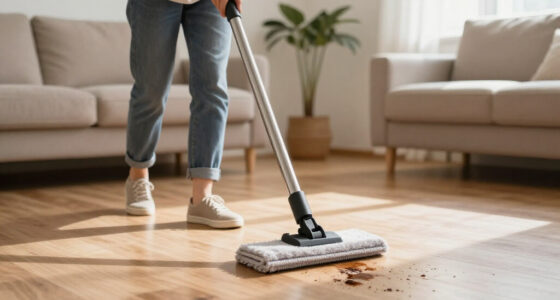
Dust, crumbs, pet hair—these tiny particles lurk on floors and can get mashed into your surface when you steam. Sweeping or vacuuming first lifts away loose debris, preventing it from being pressed into the flooring or causing scratches. This step is critical because steaming alone can spread dirt around if not removed beforehand.
For example, on a laminate floor, a quick 2-minute sweep with a soft-bristled broom removes grit that could scratch when you steam. If you have pets, vacuuming also picks up hair that might clog your steam mop or cause streaks. Neglecting this step can lead to streaks, residue, or even damage to your cleaning equipment over time. Properly removing loose debris ensures that the steam can penetrate more effectively and that your floor remains scratch-free, prolonging its lifespan.
As an affiliate, we earn on qualifying purchases.
Verify Your Floor Surface Is Compatible with Steam
Not all floors love steam cleaning. Hardwood, especially if unsealed, can warp or swell with excess moisture, leading to costly repairs or premature aging. Laminate and vinyl are more tolerant but still have limits; excessive moisture can cause swelling, warping, or delamination over time. Understanding these differences helps you avoid unintended damage.
For example, check your manufacturer’s instructions. A sealed hardwood might handle a gentle steam setting, but an unsealed one may not. When in doubt, test in a small, hidden corner first. If the wood swells or warps after testing, it indicates that steam is not suitable for that surface. This precaution prevents irreversible damage and extends the life of your floors. Recognizing the nuances of your specific flooring material allows you to tailor your cleaning approach, balancing cleanliness with preservation.
hardwood floor steam mop attachment
As an affiliate, we earn on qualifying purchases.
As an affiliate, we earn on qualifying purchases.
Pre-Treat Tough Spots to Save Time and Effort
Stubborn stains or sticky spots don’t always come up with steam alone. Pre-treat these areas with a damp cloth or a minimal amount of approved cleaner. For instance, a greasy spot on kitchen tiles might need a dab of gentle degreaser before steaming. This targeted approach ensures that dirt and grime are loosened effectively, making steam cleaning more efficient.
Pre-treating tough spots is crucial because it prevents the need for excessive steaming, which can lead to streaks, moisture buildup, or damage to sensitive surfaces. When dirt is loosened beforehand, steam can work more efficiently, reducing the risk of smearing or spreading grime around. Additionally, this step minimizes the risk of residual cleaning agents or moisture causing long-term damage or discoloration. Carefully addressing these spots ensures a more thorough clean and helps preserve the integrity of your flooring over time.
floor cleaning accessories for steam mop
As an affiliate, we earn on qualifying purchases.
As an affiliate, we earn on qualifying purchases.
Ensure the Floor Is Dry and Residue-Free Before Steaming
Before you turn on the steam mop, make sure the floor is dry and free of any cleaning residues or waxes. Residues can trap dirt or interfere with steam penetration, leading to less effective cleaning and potential buildup. For example, if you used a spray cleaner earlier, wipe it dry with a clean cloth to prevent streaks or residue that could affect your results.
Moisture trapped under the steam can cause warping or swelling, especially on wood or laminate surfaces. A quick visual check and a dry cloth can help you confirm the surface is ready for steaming. This step might seem minor, but it’s vital because residual moisture or cleaning products can compromise your floor’s appearance and durability over time. Ensuring the surface is completely dry helps the steam work more effectively, reduces the risk of long-term damage, and results in a cleaner, shinier surface.
Compare Different Floor Types and Their Steam Mopping Needs
| Floor Type | Steam Suitability | Recommended Settings |
|---|---|---|
| Sealed Hardwood | Yes, with caution | Low steam, quick passes |
| Laminate | Yes, but avoid excess moisture | Low steam, minimal water |
| Tile | Yes, ideal | High steam, longer passes |
| Vinyl | Yes, safe | Moderate steam, steady pace |
| Unsealed Wood | No | Do not steam |
Follow These Simple Steps to Prepare Your Floor
- Clear everything off the surface.
- Sweep or vacuum thoroughly.
- Check your floor’s compatibility and test in a hidden spot.
- Pre-treat any stains or grime.
- Make sure the surface is dry and residue-free.
Following this sequence guarantees your floor is ready for a safe, effective steam clean.
Frequently Asked Questions
Can I steam mop all types of floors?
No, not all floors are suitable. Check your manufacturer’s guidelines. Sealed tile, vinyl, and sealed hardwood can usually handle steam, but unsealed hardwood or certain laminates might be damaged by moisture.
How do I prevent water damage when steam mopping?
Use the lowest effective steam setting, avoid lingering over one spot, and always dry the floor afterward. Following manufacturer instructions helps prevent over-saturation and warping.
Should I sweep or vacuum before steam mopping?
Yes. Removing loose dirt and debris first prevents scratches and streaks, making your steam cleaning more effective and gentle on your floors.
Can I add cleaning solutions to my steam mop?
Most steam mops are designed for water only. Check your device’s instructions. Using approved solutions sparingly, if at all, can improve cleaning without risking damage.
How often should I steam mop my floors?
It depends on household traffic, but once a week works well for most homes. Adjust frequency based on your needs and floor condition.
Conclusion
Taking a few minutes to prep your floor properly makes a big difference. It’s like warming up before exercise—preparation sets the stage for a safe, effective clean that preserves your floors’ beauty.
Remember: good prep isn’t just about cleaning — it’s about protecting what you value. A clean, healthy home starts with a thoughtful, cautious approach to steam mopping.
Halloween Picks
halloween
As an affiliate, we earn on qualifying purchases.