TL;DR
Many steam mops effectively clean floors without rinsing, especially with high-quality pads and proper technique. Using the right water and maintenance ensures residue-free, hygienic results—saving time and effort.
Imagine cleaning your floors with a steam mop and walking away to a spotless, dry surface—no rinsing needed. It sounds too good to be true, but many modern steam mops are designed to leave floors clean and residue-free without extra rinsing. Whether you’re tidying up after kids or just want a quick refresh, knowing how to maximize your steam mop’s potential can save you time and hassle.
In this guide, you’ll learn the secrets behind using a steam mop that doesn’t require rinsing afterward. We’ll cover what makes some models better at this, how to use them properly, and what surfaces you should watch out for. Plus, practical tips to keep your floors shining without adding steps or chemicals.
Use distilled or demineralized water to prevent mineral buildup and residues.
Choose steam mops with antimicrobial microfiber pads and adjustable steam settings.
Pre-clean floors to remove loose debris, maximizing steam cleaning efficiency.
Regularly wash or replace microfiber pads to maintain dirt-trapping power.
Always test on a small, hidden area if uncertain about surface compatibility.
Why Some Steam Mops Don’t Need Rinsing — And Why That Matters
Some steam mops are designed to leave floors clean and dry without rinsing. They utilize advanced microfiber pads that are engineered to trap dirt, bacteria, and even some germs effectively. This is significant because it minimizes the need for additional cleaning steps, saving you time and reducing chemical use. The importance lies in the fact that residues from cleaning products or mineral deposits can accumulate over time, leading to dull or streaked floors. By choosing a model with these features, you reduce the risk of such buildup, maintaining a cleaner, healthier environment.
For example, antimicrobial microfiber pads are treated or constructed with properties that actively inhibit bacterial growth and trap dirt more effectively than standard pads. According to research from Steam Mop List, these pads can capture up to 98% of dirt and germs, which underscores their efficiency. When used correctly, these pads lift contaminants off the surface rather than spreading them around, meaning less need for rinsing or chemical disinfectants. This approach not only simplifies cleaning routines but also supports healthier indoor air quality by reducing chemical residues.
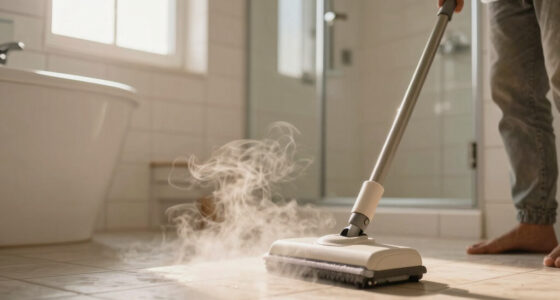
However, the effectiveness of residue-free cleaning depends heavily on the quality of the steam mop’s components. High-temperature steam (around 212°F/100°C) ensures bacteria and germs are killed, which is a crucial factor in achieving a truly hygienic clean. Moreover, quality pads and proper maintenance are vital. Without them, residues from mineral deposits or dirt can still linger, negating the benefits. Therefore, understanding these features helps you select a steam mop that truly minimizes or eliminates the need for rinsing, leading to more efficient and healthier cleaning routines.
microfiber steam mop pads antimicrobial
As an affiliate, we earn on qualifying purchases.
As an affiliate, we earn on qualifying purchases.
How to Use Your Steam Mop to Avoid Rinsing—Step-by-Step
- Pre-clean the floor by sweeping or vacuuming to remove loose debris. This initial step reduces the amount of dirt and dust that can be stirred up or smeared during steaming, which is crucial for achieving a residue-free finish. Allowing loose particles to be removed beforehand prevents dirt from settling into the microfibers or sticking to the surface, which could otherwise require rinsing or scrubbing to remove.
- Fill the water tank with distilled or demineralized water. This choice is critical because tap water, especially hard water, contains minerals that can deposit on floors and inside the steam mop. These deposits can cause streaks, white residues, or reduce the efficiency of the steam generator over time. Using purified water ensures that the steam remains free of mineral particles, which maintains both the cleaning effectiveness and the longevity of your device.
- Set your steam mop to the appropriate level — usually high for deep cleaning, lower for regular maintenance. Adjusting steam levels according to the surface type and soil level helps prevent excess moisture and residue. For example, delicate surfaces or sealed hardwoods benefit from lower steam settings to avoid warping or streaking, while heavily soiled areas might require higher steam output for thorough sanitation.
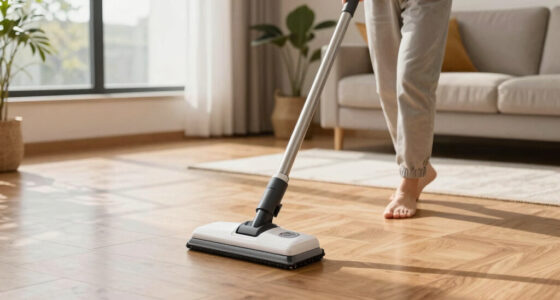
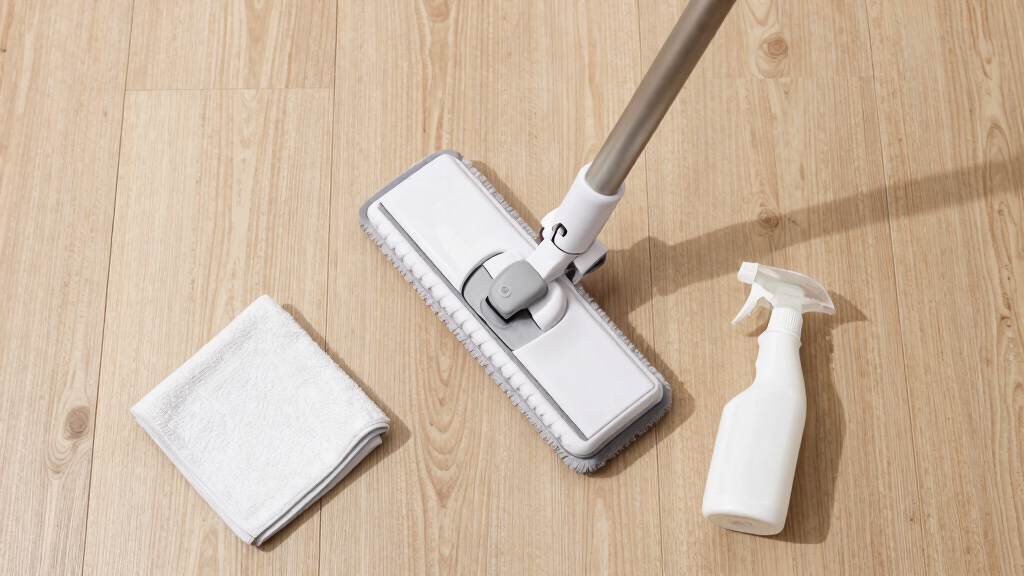
- Start mopping in a slow, overlapping motion. Let the microfiber pad do the work, lifting dirt as you go. Moving slowly allows the microfiber to absorb and trap dirt effectively, reducing the need for rinsing or additional chemical cleaning. Overlapping passes ensure comprehensive coverage, especially in corners and edges, leading to a more uniform, residue-free clean.
- Check the pad frequently. Replace or wash it when visibly dirty to maintain cleaning power. Dirty pads can redeposit dirt or leave streaks, defeating the purpose of a residue-free finish. Regular maintenance of the pads ensures consistent performance and prevents the buildup of residues that could require rinsing to remove.
For instance, a homeowner in Florida found that switching to distilled water and using a microfiber pad with antimicrobial properties made her weekly routine faster. No rinsing, no streaks, just a quick wipe that looks fresh and feels dry.
Consistent maintenance—like cleaning the pads regularly—keeps the system efficient and residue-free. Remember, overuse of steam or using the wrong water can leave moisture or residue, so paying attention to these details maximizes your results and prolongs your equipment’s lifespan.
best steam mop for residue-free cleaning
As an affiliate, we earn on qualifying purchases.
As an affiliate, we earn on qualifying purchases.
Compare Common Features of Steam Mops That Don’t Need Rinsing
| Feature | Benefit | Best For |
|---|---|---|
| Antimicrobial microfiber pads | Trap dirt and kill bacteria, reducing need for rinsing. They help maintain a hygienic surface by actively suppressing bacteria growth, which is especially valuable in households with children or pets. This reduces the frequency of rinsing or chemical disinfecting, making cleaning quicker and safer. | Everyday cleaning of sealed floors where hygiene and convenience are priorities |
| Self-cleaning systems | Flush out mineral deposits and bacteria automatically, preventing buildup that can cause residues or streaks. This feature ensures that the device remains effective over time, reducing maintenance and the need for rinsing to clear deposits. | Frequent use in hard water areas or households with high cleaning demands |
| Adjustable steam control | Optimize steam level for different surfaces, reducing excess moisture and residues. By tailoring steam output, you can prevent over-saturation of floors, which can cause streaks or lingering moisture that might necessitate rinsing or additional drying steps. | Mixed floor types and surfaces requiring delicate handling |
steam mop with adjustable steam settings
As an affiliate, we earn on qualifying purchases.
As an affiliate, we earn on qualifying purchases.
Maintaining Your Steam Mop for Rinse-Free Results
Use only distilled or demineralized water. This is crucial because mineral deposits from tap water can quickly accumulate inside the steam generator and on the surface of your floors, leading to unsightly streaks and potential damage over time. Regularly cleaning or replacing microfiber pads—at least after 3-5 uses—is essential because dirty pads can trap dirt and bacteria, which may then be redeposited onto your floors, creating streaks or residues that negate the benefits of steam cleaning. Proper maintenance of these pads ensures that they continue to trap dirt effectively, supporting a residue-free finish.
Follow manufacturer instructions for descaling your steam mop. Hard water areas accelerate mineral buildup, which can clog internal components and reduce steam quality. Descaling every 1-2 months helps keep the system operating at peak performance, ensuring consistent, residue-free cleaning. Neglecting this maintenance can lead to decreased steam output and increased residues, forcing you to rinse or scrub more often.
Imagine a friend who cleans her laminate floors weekly with a microfiber pad, using only distilled water. Her floors stay shiny, dry, and residue-free, with minimal effort. This routine prolongs the lifespan of her floors and equipment while maintaining a hygienic environment.
As an affiliate, we earn on qualifying purchases.
Are There Surfaces That Still Need Rinsing or Special Care?
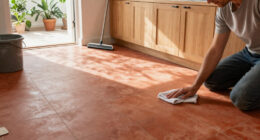
Yes. While sealed, non-porous floors like tile, vinyl, and sealed hardwood usually don’t need rinsing after steaming, porous or unsealed surfaces might. For example, unsealed wood or natural stone can absorb moisture or residues, which can lead to staining, warping, or damage over time. On such surfaces, residues from mineral deposits or cleaning residues can become trapped, potentially causing discoloration or surface deterioration. Therefore, a quick damp cloth wipe after steaming can help remove any residual moisture or deposits, preventing long-term damage.
Always check your floor manufacturer’s recommendations. If you’re unsure, test a small, discreet area first to observe how the surface reacts to steam. When in doubt, a light wipe with a damp cloth after steaming can prevent streaks, prevent moisture absorption, and extend the life of delicate surfaces. This extra step ensures that you’re not unintentionally damaging or discoloring your floors, especially in cases where the surface isn’t fully sealed or is naturally porous.
Imagine your friend with a vintage hardwood floor. She learned that steaming helps remove dirt but avoids excess moisture to prevent warping or staining. A quick post-clean wipe preserves her beautiful floors and keeps them looking their best over time.
Frequently Asked Questions
Can I use a steam mop on hardwood floors without rinsing?
Yes, if your hardwood is sealed and you use the correct settings. Always check the manufacturer’s guidance, and test a small hidden spot first. Using a microfiber pad and avoiding excessive steam prevents damage or moisture absorption.
How often should I replace or wash the microfiber pads?
Follow the manufacturer’s instructions, but generally every 3-5 uses or when visibly dirty. Clean pads maintain their dirt-trapping ability and prevent streaks or residues.
What water is best for my steam mop to avoid residues?
Distilled or demineralized water is best. It prevents mineral deposits, reduces streaks, and prolongs your steam mop’s lifespan. Hard water can cause mineral buildup that might leave spots or residues.
Are there risks of residual moisture or streaks?
Yes, if you overuse steam or use poor-quality water. Proper technique, high-quality equipment, and regular pad maintenance minimize these risks. Floors should feel dry and streak-free after steaming.
Conclusion
Modern steam mops can do wonders without rinsing, as long as you pick the right equipment and follow simple steps. Keep your floors shiny, clean, and dry with minimal fuss—no rinse needed.
Next time you clean, remember: good tools, proper water, and a gentle technique make all the difference. Why settle for residues or extra steps when a quick, residue-free clean is just a mop away?