TL;DR

Get cleaning gear delivered free — and shop member deals
- Fast, free delivery on millions of items
- Access to Prime Big Deal Days deals on October 6–7
- Prime Video, Amazon Music and more included
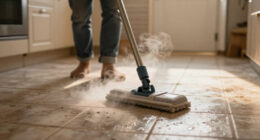
The best frequency for steam mopping varies: weekly for tile, bi-weekly for vinyl, and infrequently for hardwood or laminate. Always follow your floor manufacturer’s advice to avoid damage while maintaining cleanliness.
Imagine this: you’re scrubbing your floors, wondering if you’re cleaning too often or not enough. The truth is, the perfect schedule isn’t one-size-fits-all. It all depends on your floors’ material, how much foot traffic they see, and what your household needs.
In this guide, you’ll learn how to tailor your steam mopping routine to keep your floors spotless without risking damage. We’ll break down what works best for different surfaces and situations — so your home stays fresh and safe.
Check your floor type and manufacturer guidelines before steaming.
Tile and vinyl usually need weekly or bi-weekly cleaning; hardwood and laminate less often.
Always sweep or vacuum first to prevent scratches and damage.
Signs of overdoing it include warping, swelling, or dullness.
Adjust frequency based on household traffic, pets, and cleanliness needs.
What’s the safest way to use a steam mop on different floors?
Steam mops are versatile, but not all floors are created equal. For hardwood, use caution—frequent steam cleaning can cause warping by penetrating the wood’s surface and weakening its structure over time. Tile and vinyl are tougher and generally handle weekly mopping well, but even these can suffer if the mop is used improperly or too aggressively. Always check your manufacturer’s guidelines before steaming, as some surfaces have specific temperature or moisture restrictions that, if ignored, could lead to damage or reduced lifespan of your flooring.
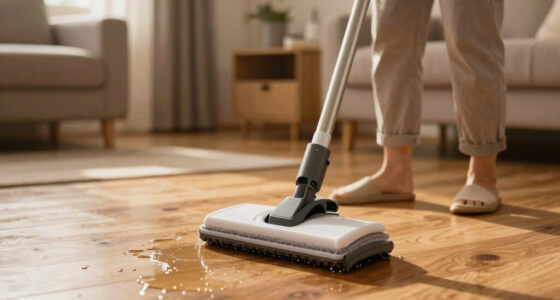
For example, a homeowner with shiny oak floors notices swelling and discoloration after too many steam sessions. A quick test on a hidden spot shows that infrequent, gentle steaming preserves the wood’s beauty and prevents long-term harm. Understanding how your floor material reacts to moisture helps you balance cleanliness with longevity, avoiding costly repairs or replacements down the line.
As an affiliate, we earn on qualifying purchases.
How often should you steam mop your floors? The practical answer
Here’s a detailed look at why these recommendations matter: Regularly cleaning floors with a steam mop is about more than just appearance; it’s about maintaining the structural integrity and safety of your surfaces. Tile and vinyl are durable and resist moisture well, making weekly or bi-weekly cleaning effective at removing germs and dirt without risking damage. However, for laminate and hardwood, frequent exposure to moisture can lead to warping, swelling, or discoloration—issues that compromise both appearance and safety, such as creating uneven surfaces or mold growth.
Choosing the right frequency involves understanding the tradeoffs: more frequent cleaning keeps germs at bay but increases the risk of surface damage, especially on sensitive floors. Less frequent cleaning may preserve your floor’s lifespan but might allow dirt and bacteria to accumulate, potentially affecting indoor air quality and overall hygiene. High-traffic areas like kitchens and entryways naturally require more attention, but always consider the specific needs of your flooring material and the manufacturer’s recommendations. Remember, a thorough sweep or vacuum before steaming is essential; it reduces debris that could scratch or damage the surface during cleaning.
As an affiliate, we earn on qualifying purchases.
Signs you’re overdoing it with steam cleaning
Using too much steam or cleaning too often can cause more than just surface dullness; it can fundamentally weaken the material of your floors. Warping occurs when excessive moisture penetrates the surface, leading to swelling and deformation, especially on porous materials like hardwood and laminate. Discoloration can happen if the heat or moisture causes chemical reactions within the floor’s finish or underlying material. Swelling or bubbling indicates that the moisture has compromised the structural integrity, which can lead to costly repairs. If the floor feels damp or sticky long after mopping, it’s a sign that you’re applying too much steam or not allowing enough drying time—both of which can accelerate damage.
For example, a homeowner notices their laminate looks dull, with edges that appear slightly lifted or warped after frequent steam mopping. This signals that the surface is absorbing too much moisture, leading to swelling and potential long-term damage. Recognizing these signs early helps prevent irreversible harm. Always test a small, hidden area first, and adhere to recommended settings to minimize risks. Understanding the tradeoff between cleanliness and damage is key; overdoing it can shorten the lifespan of your floors and lead to costly replacements, whereas cautious, informed cleaning preserves both appearance and durability.
As an affiliate, we earn on qualifying purchases.
How to adjust your routine for pets and children
Pets and kids often mean more dirt, spills, and germs. Steam mopping weekly can help keep allergens down, but don’t go overboard. Use lower steam settings on delicate floors and ensure thorough drying to prevent moisture damage.
For instance, a family with a puppy and young children mops the kitchen floor twice a week, focusing on high-traffic spots, using a gentle setting, and always drying thoroughly afterward. This approach balances effective sanitation with the need to protect sensitive surfaces from excess moisture, which could cause swelling or warping over time. Additionally, frequent cleaning reduces allergen buildup, making the home healthier for everyone—especially those with respiratory sensitivities. However, over-mopping or using too much steam can lead to moisture seeping into the flooring, so moderation and proper drying are crucial to prevent long-term damage while maintaining hygiene.
This balance keeps the home healthy without risking floor damage or deterioration, ensuring a safe environment for your loved ones.
As an affiliate, we earn on qualifying purchases.
How to tell if your floor needs a steam clean now
If your floors look dull, feel sticky, or smell musty, it’s probably time. These signs indicate that dirt, germs, and moisture have accumulated beyond what regular cleaning can handle. Additionally, if you notice more dust or pet hair after sweeping, a quick steam session can sanitize and refresh the surface—especially in high-traffic or pet areas where bacteria and allergens tend to settle. Regularly evaluating your floors helps you catch when cleaning is needed before damage occurs. Trust your senses—visual dullness, tactile stickiness, or odors are all signals that your floors could benefit from a thorough steam cleaning. Following your manufacturer’s recommended cleaning intervals is wise, but listening to your home’s unique needs ensures optimal maintenance and longevity.
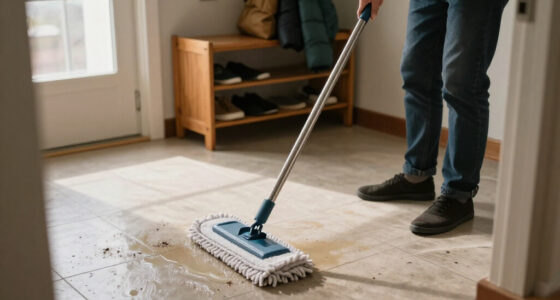
For example, after a busy weekend with family and pets, a homeowner notices their tile kitchen floor is visibly dirtier than usual. A steam clean restores its shine and fresh scent in minutes, preventing the buildup of grime that could cause long-term issues. Staying attentive to these signs and adjusting your routine accordingly helps you maintain a healthy, beautiful floor surface.
Frequently Asked Questions
Is it safe to use a steam mop on hardwood floors?
Most hardwood floors should be steamed sparingly, if at all. Excess moisture can cause warping or swelling by penetrating the surface and weakening the wood’s fibers. Always check your flooring’s care instructions—many recommend only dry or damp mopping instead of steam cleaning—and consider using a cleaning method that minimizes water exposure to prolong the life of your floors.
How often should I steam mop my kitchen floors?
In a busy kitchen, once a week or bi-weekly is typical. High-traffic areas accumulate dirt, grease, and bacteria quickly, so regular steaming helps maintain sanitation and cleanliness. However, adjusting the frequency based on actual foot traffic, spills, and household habits ensures optimal floor health without unnecessary wear. Using a gentle setting and drying thoroughly after each session will also help prevent moisture damage in this vulnerable area.
Can I use a steam mop on laminate floors?
It depends on your laminate’s manufacturer. Some laminates are sensitive to moisture and could warp or swell if exposed to too much steam or water. Always check the care instructions provided by the manufacturer, and perform a patch test in a hidden area before proceeding with regular cleaning. When in doubt, opt for dry or damp mopping methods to ensure your floors stay in good condition.
How do I know if I’m overdoing it?
Signs include warped edges, discoloration, or sticky residue that persists after mopping. If your floors start to look dull, feel damp long after cleaning, or show swelling or bubbling, you’re likely overdoing it. These are clear indicators that moisture has penetrated the surface and is causing damage. To prevent this, follow manufacturer recommendations, use appropriate settings, and allow adequate drying time after each cleaning session.
Are there health benefits to frequent steam mopping?
Yes, steam effectively kills most germs, bacteria, and dust mites, contributing to a healthier indoor environment. Regular steaming reduces allergens like pet dander and mold spores, which can be particularly beneficial for allergy sufferers or those with respiratory issues. However, overdoing it on delicate surfaces can cause damage, so balance is key: frequent, gentle cleaning maintains hygiene without compromising your floors’ lifespan.
Conclusion
The right rhythm for steam mopping isn’t set in stone. It’s about balancing cleanliness with care. Watch your floors, follow your manufacturer’s advice, and keep moisture in check.
Think of your floors as a living part of your home—treat them with respect, and they’ll serve you well for years to come. Regular, mindful cleaning means fewer worries and a brighter, healthier space.
Halloween Picks
halloween
As an affiliate, we earn on qualifying purchases.