TL;DR
Listen free for 30 days with Audible
Thousands of audiobooks and originals — cancel anytime.
Start your free trialAs an affiliate, we earn on qualifying purchases.
Winter brings snow, salt, and mud that quickly soil entryway floors. Regular, careful cleaning using proper tools and techniques keeps floors safe and looking good, especially with mats, gentle solutions, and prompt drying.
Imagine stepping inside after a snowy day, only to find your entryway floor a muddy, salty mess. It’s a common scene during winter, but it doesn’t have to be part of your daily routine. The goal is simple: keep that dirt and salt outside or contained, then clean what comes in quickly and safely.
In this guide, you’ll learn how to tackle the toughest winter grime with practical tips. From choosing the right tools to quick-drying techniques, you’ll discover ways to make your entryway safe, clean, and inviting—even during the coldest months.
Use high-quality mats outside and inside to trap 80% of tracked-in dirt and moisture.
Dry the floor immediately after cleaning to prevent slips and long-term damage.
Regularly clean mats and entry surfaces to stop salt and mud buildup.
Avoid harsh chemicals; opt for vinegar solutions or eco-friendly cleaners.
Check your flooring manufacturer’s guidance before using steam mops or sealants.
Why Winter Dirt Is a Bigger Problem Than You Think
Winter dirt isn’t just mud and snow; it’s a mix of road salt, sand, and grime that can damage your floors over time. Salt causes staining and can erode some surfaces, especially if left untreated. Moisture from snow and salt increases the risk of slips, which is a major safety concern for households with children or elderly family members. Additionally, salt and grime can cause long-term deterioration of flooring materials, leading to costly repairs or replacements. Understanding these risks emphasizes why prompt and thorough cleaning isn’t just about appearance but essential for preserving your floors’ integrity and safety. Neglecting these issues can result in irreversible damage, increased cleaning difficulty, and potential safety hazards that could be prevented with proper maintenance and timely intervention.
As an affiliate, we earn on qualifying purchases.
Choose Your Weapons: The Best Tools for Winter Floor Cleaning
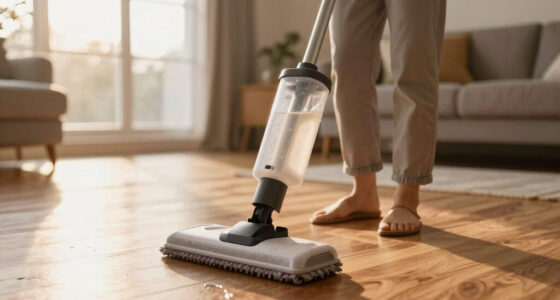
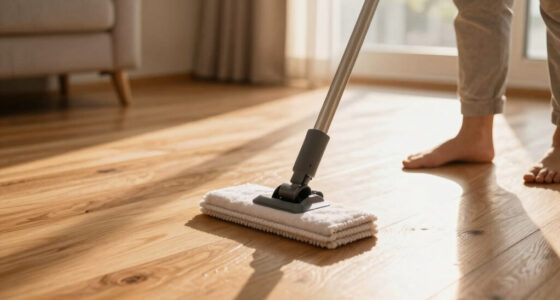
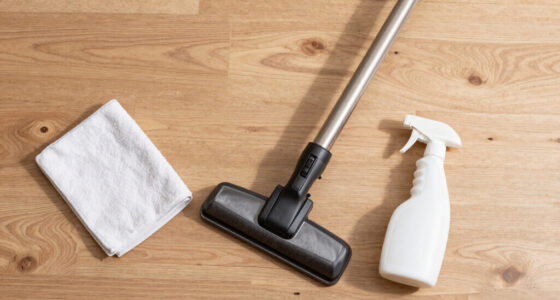
Getting your entryway spotless starts with selecting the right tools. A sturdy broom with firm bristles effectively sweeps away loose dirt and salt without scratching delicate surfaces. A microfiber mop is excellent for picking up fine particles and residues without leaving streaks. A good vacuum, especially one with a strong suction and brush attachment, helps remove embedded dirt from carpets or rugs. Outside, a heavy-duty mat traps the bulk of the dirt and moisture before it reaches your floors, reducing cleaning frequency and protecting your surfaces. Inside, layering mats with waterproof backing creates a barrier that prevents salt and water from seeping into the flooring. For stubborn salt or mud, a scrub brush paired with a gentle cleaner can make all the difference. Using warm water mixed with mild detergent or vinegar ensures effective cleaning without risking damage. Avoid harsh chemicals, as they can degrade your floor’s finish or surface over time, especially with repeated use. Choosing the right tools and solutions is about balancing effectiveness with safety, ensuring your floors stay intact and slip-free.
As an affiliate, we earn on qualifying purchases.
Step-by-Step: How to Clean Your Entryway Floor in Winter
- Remove all loose debris with a broom or vacuum. This initial step is crucial because sweeping or vacuuming first prevents scratching the surface when you start wet cleaning. It also minimizes the amount of salt and grit that can embed into the flooring during mopping, reducing long-term damage.
- Shake out or wash your mats regularly to prevent salt buildup, which can accelerate deterioration and make cleaning more laborious later. Clean mats also prevent salt from spreading inside your home, maintaining a healthier environment.
- Sweep or vacuum again to pick up remaining dirt and salt residue that may have been loosened during initial cleaning. This ensures a cleaner surface before applying water-based cleaning solutions.
- Prepare a cleaning solution: warm water with a few drops of mild detergent or vinegar. This mixture is gentle enough for most floors yet effective at breaking down salt and grime. Using a mild solution helps preserve your flooring’s finish and prevents chemical damage.
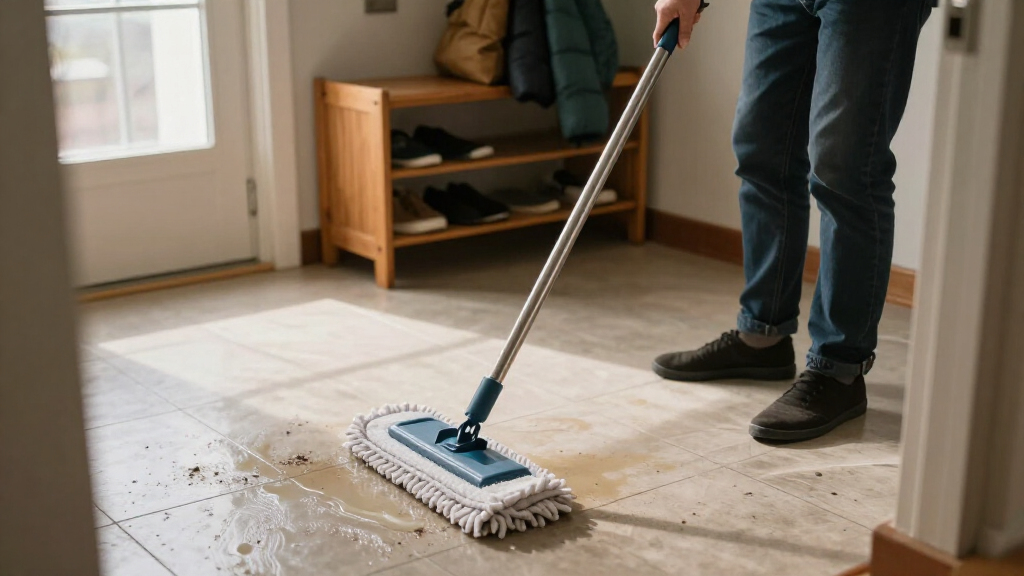
- Mop thoroughly, paying special attention to grout lines and corners where dirt tends to hide. Proper coverage ensures no salt or mud remains, which could cause staining or surface damage if left to sit.
- For stubborn spots, scrub with a brush dipped in your cleaning solution. This targeted action helps lift ingrained salt stains and mud, reducing the risk of long-term staining or surface erosion.
- Dry the floor immediately with a clean towel or dry mop. Prompt drying prevents moisture from seeping into seams or under flooring, significantly reducing slip hazards and preventing water damage or warping.
microfiber mop for hardwood floors
As an affiliate, we earn on qualifying purchases.
As an affiliate, we earn on qualifying purchases.
Quick-Drying Tricks to Keep Your Floor Safe
Moisture is the enemy in winter because it can cause slips and contribute to long-term damage like warping, especially on wooden or laminate floors. After mopping, drying your floor quickly is essential. Use a microfiber cloth or a dry mop to absorb excess water, which not only shortens drying time but also prevents streaks and water spots. For larger areas, employing a fan or opening windows speeds up evaporation, reducing the window of slip risk. Think of it like baking cookies: removing excess moisture ensures a safe, slip-free surface. Prompt drying not only improves safety but also helps maintain the integrity of your flooring materials, preventing issues like warping, swelling, or mold growth that can occur if moisture persists. The goal is to create a dry, secure environment immediately after cleaning, especially during the cold, damp winter months.
As an affiliate, we earn on qualifying purchases.
How Often Should You Really Clean?
During winter, the frequency of cleaning should be dictated by outdoor conditions. Aim to sweep and mop at least once daily during heavy snow or muddy rain days. This prevents salt and mud from accumulating and settling into the flooring, which can cause staining, erosion, or long-term damage. Regular cleaning also reduces the need for intensive deep cleans later, saving time and effort. Think of it as a preventive measure—much like brushing your teeth prevents cavities. Consistent, short cleaning sessions keep your entryway in good shape, maintain safety by reducing slip hazards, and prolong the life of your flooring. Neglecting this routine can lead to stubborn salt stains and embedded dirt that are harder to remove and can accelerate wear and tear, leading to costly repairs down the line.
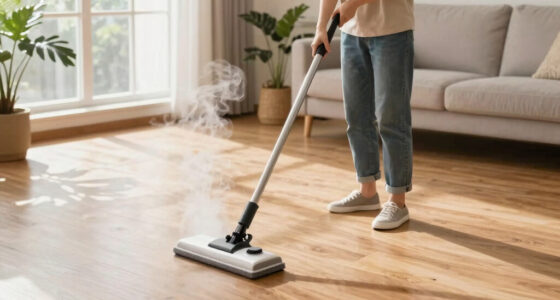
Comparison Table: Traditional Cleaning vs. Steam Mopping in Winter
| Method | Pros | Cons |
|---|---|---|
| Traditional Mop & Detergent | Good for deep cleaning, affordable, versatile | Requires more effort, longer drying time, chemical use |
| Steam Mopping | Sanitizes without chemicals, quick drying, effective on tile | Potential damage to hardwood or laminate, depends on manufacturer guidance |
Protect Your Floors From Winter Damage
Prevention saves time and money. Use high-quality mats both outside and inside to trap dirt, moisture, and salt before they reach your floors. Consider applying a protective sealant on your floors—especially if you have tile or laminate—to create a barrier that resists salt and water infiltration. This sealant acts like a shield, preventing salt and moisture from penetrating and causing deterioration. Regular cleaning combined with sealing prolongs your flooring’s lifespan, reduces costly repairs, and keeps your surfaces looking fresh. Think of it as giving your floors a protective armor that withstands winter’s assault, preserving their appearance and structural integrity over time.
By investing in preventative measures now, you reduce the need for extensive repairs later, ensuring your home remains safe and visually appealing despite the harsh winter conditions.
Eco-Friendly and Safe Cleaning Tips for Winter
You don’t need harsh chemicals to handle winter messes. Vinegar, baking soda, and eco-friendly cleaners are effective and safe options. For example, a mixture of vinegar and warm water can tackle salt stains without risking damage to your floors. Baking soda acts as a natural abrasive and deodorizer, helping lift grime and neutralize odors without harmful fumes. Using these eco-friendly solutions not only protects your flooring finishes but also ensures a healthier environment for your family. They are gentle on your skin, safe for children and pets, and reduce your chemical footprint. These alternatives exemplify sustainable cleaning—effective, safe, and environmentally responsible—making them ideal choices for winter maintenance routines.
Frequently Asked Questions
How often should I clean my entryway floor during winter?
Aim to sweep and mop daily during heavy snow or mud days. Regular cleaning prevents salt buildup and keeps your floors safe and looking their best.Can I use a steam mop on my hardwood or laminate entryway floor?
It depends. Steam mops are safe on tile but can damage hardwood or laminate if not used carefully. Always check your manufacturer’s guidance and test in a hidden spot first.What’s the best way to remove salt stains from my floor?
Mix warm water with white vinegar or use a commercial salt remover. Gently scrub with a brush, rinse well, then dry thoroughly to prevent staining or damage. This approach is effective because vinegar breaks down salt deposits without harsh chemicals, helping to preserve your flooring while ensuring safety and cleanliness.How can I prevent my entryway floor from getting so dirty in winter?
Use high-quality mats outside and inside, remove shoes before entering, and clean mats regularly. These habits significantly reduce the amount of dirt, salt, and moisture tracked inside, minimizing cleaning effort and protecting your floors from damage.Are eco-friendly cleaning options effective for winter grime?
Yes. Vinegar, baking soda, and green cleaners effectively remove salt and mud without harsh chemicals, protecting your floors and your family. Their gentle yet effective action helps maintain a safe, healthy environment while keeping your entryway pristine.Conclusion
Keeping your entryway clean during winter is all about quick action and good habits. Regular sweeping, prompt mopping, and drying protect your floors and keep everyone safe. Think of your entryway as the first line of defense—keep it clear, dry, and inviting.
A little effort now saves you from costly repairs later. When winter’s chaos hits, you’ll be ready—your floors will thank you, and so will your feet.
Flea & tick season Picks
flea and tick prevention
As an affiliate, we earn on qualifying purchases.