TL;DR

Get cleaning gear delivered free — and shop member deals
- Fast, free delivery on millions of items
- Access to Prime Big Deal Days deals on October 6–7
- Prime Video, Amazon Music and more included
Cleaning floors when you have allergies and pets demands a consistent routine using hypoallergenic products, HEPA-filtered vacuums, and pet hygiene. Hard surfaces like vinyl and hardwood are easier to keep allergen-free than carpets. Regular cleaning greatly reduces airborne allergens, improving your home’s air quality and your health.
If you share your home with pets and suffer from allergies, keeping your floors clean can feel like a perpetual battle. Pet hair, dander, dust mites—these tiny invaders hide in every corner, waiting to trigger your sneeze reflex or asthma flare-up.
But cleaning isn’t just about scrubbing or vacuuming. It’s about doing it smartly—using the right tools, products, and routines that protect your health without stressing your surfaces or your pets. This guide will walk you through practical, safe strategies to keep your floors allergen-free and pet-friendly, backed by recent technological advances and expert insights.
Hard surfaces like vinyl, tile, and hardwood are easiest to keep allergen-free and require less intensive cleaning than carpets.
Vacuum with a sealed HEPA filter at least twice a week, and mop with hypoallergenic, fragrance-free solutions to cut airborne allergens.
Regular pet grooming and outside baths reduce pet dander that settles on floors and furniture.
Use portable HEPA air purifiers in main living areas to trap airborne allergens and improve indoor air quality.
Always test cleaning methods on hidden areas first to avoid damaging delicate surfaces like hardwood or laminate.
How to Clean Floors When You Have Allergies and Pets
Pet hair, dander, and dust mites hide in every corner. Cleaning smart — with HEPA filtration, hypoallergenic products, and a consistent routine — protects your health without stressing your surfaces or your pets.
Choose Floors That Make Cleaning Easier
Hard surfaces like hardwood, tile, vinyl, and laminate are easier to clean and trap far fewer allergens than carpets. Smooth floors mean no deep fibers hiding pet hair or dust mites — one homeowner swapped a shaggy rug for vinyl plank and saw less dust buildup and fewer allergy flare-ups.
first.
Always check manufacturer instructions and test any cleaning method — especially steam — on a hidden area. Excess moisture can warp hardwood and delaminate some floors. One homeowner skipped this step and faced costly repairs.
Set Up a Routine That Keeps Allergens at Bay
Vacuum at least twice a week with a sealed HEPA filter — slow, thorough passes remove more debris. Mop with warm water plus a few drops of hypoallergenic, fragrance-free cleaner. A family with two dogs found that vacuuming every three days and mopping weekly kept allergen levels — and symptoms — way down.
Vacuum Slowly
Sealed HEPA vacuum, 2× weekly minimum. Deliberate passes trap fine dander.
Mop Gently
Warm water + fragrance-free hypoallergenic cleaner. Rinse tools frequently.
Sanitize with Steam
Steam mops kill germs without chemicals — pet hair loosens easily, floors dry fast.
Purify the Air
Portable HEPA purifiers in main living areas trap airborne dander and dust mites.
Sealed HEPA + Quiet Motor
Strong suction is crucial; a brush roll that turns off and quiet operation keeps cleaning stress-free for noise-sensitive pets.
Microfiber or Steam
Microfiber traps debris without spreading it. Steam sanitizes with heat and moisture alone — no chemicals needed.
HEPA Air Purifier
Size the purifier to your room. Whisper-quiet models let it run near pet zones and bedrooms without disruption.
Compare Cleaning Options by Surface
Different floors demand different methods. Match your cleaning approach to your surface to avoid damage and maximize allergen removal.
| Surface | Best Cleaning Method | Notes | Pet / Allergy Fit |
|---|---|---|---|
| Hardwood | Microfiber mop + gentle cleaner | Test first; avoid excessive water | ✓ Excellent |
| Tile & Vinyl | Steam mop or damp microfiber | Durable, easy to sanitize | ✓ Excellent |
| Laminate | Dry microfiber + light damp mop | Heat and moisture can warp — always test | ~ Use caution |
| Low-Pile Carpet | HEPA vacuum + periodic deep clean | Professional cleaning keeps it allergen-free | ~ Manageable |
| Plush / Shag Carpet | Not recommended for allergy homes | Traps dander deep in fibers | ✗ Avoid |
Keep Pet Dander — Not Your Effort — Under Control
Grooming is half the battle. Bathe thick-coated pets weekly (others every two weeks), brush daily, and groom outside whenever possible to keep dander out of your home in the first place. Meanwhile, avoid these cleaning mistakes that stir allergens back into the air.
Groom Outside
An outside grooming table means loose hair and dander never reach your floors — milder symptoms, cleaner home.
Bathe on Schedule
Weekly for dogs and cats with thick coats; every two weeks for others. Always outside when weather allows.
Dry sweeping
Sends dust and dander airborne — use a sealed HEPA vacuum instead.
Unsealed, filterless vacuums
Old unsealed models spread dust around rather than removing it.
Rushed vacuuming
Fast passes leave debris behind — slow, deliberate strokes trap more.
Dirty mop water
Never rinse mops — you’ll redistribute dirt and dander across floors.
Frequently Asked Questions
The essentials, answered.
Best flooring for allergy homes?
Hard surfaces like vinyl, tile, and hardwood — they trap fewer allergens and clean thoroughly. Carpets hold hair and dander deep in fibers.
How often to vacuum and mop?
Vacuum at least twice a week with a HEPA-filtered vacuum; mop weekly with fragrance-free, allergen-reducing solutions.
Safe products for pets and allergies?
Hypoallergenic, fragrance-free, plant-based cleaners. Avoid ammonia and bleach — they irritate airways and pets’ skin.
Reduce dander besides cleaning?
Groom outside, bathe pets weekly, maintain good ventilation, and run HEPA air purifiers in main living areas.
Choose Floors That Make Allergy and Pet Cleaning Easier
The first step? Think about your flooring. Hard surfaces like hardwood, tile, vinyl, or laminate are easier to clean and trap fewer allergens than carpets. Imagine sweeping or mopping a smooth floor—no deep fibers hiding pet hair or dust mites.
In contrast, carpets—especially plush, shaggy types—can trap allergens and pet dander deep within their fibers. If you love carpets, opt for low-pile styles and vacuum frequently. Regular professional cleaning can also help keep them allergen-free.
For example, a homeowner with mild allergies swapped their shaggy rug for a sleek vinyl plank floor. The result? Less dust buildup, easier cleaning, and fewer allergy flare-ups.
HEPA filter vacuum cleaner for pet dander
As an affiliate, we earn on qualifying purchases.
As an affiliate, we earn on qualifying purchases.
Set Up a Routine That Keeps Allergens at Bay
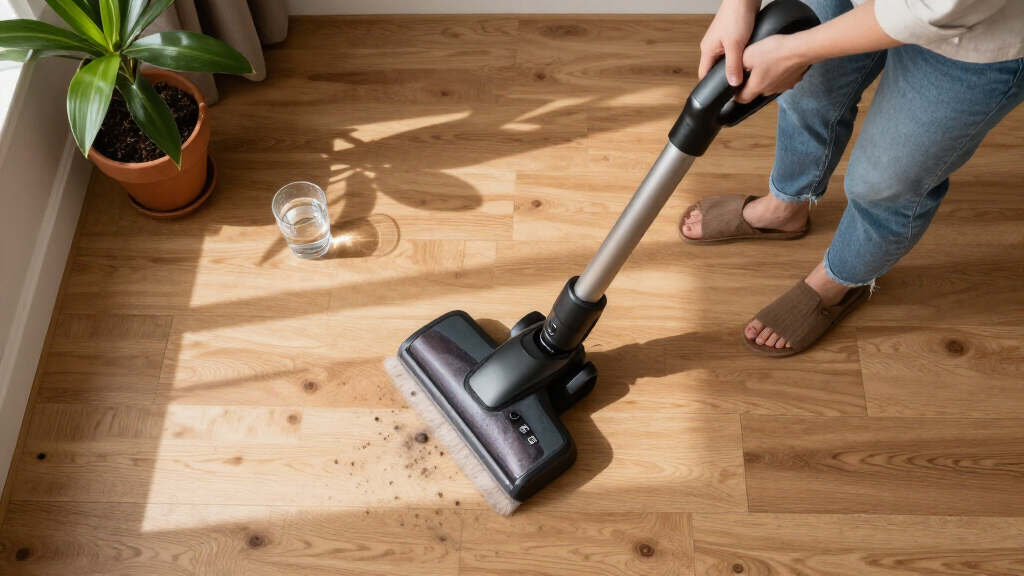
Consistent cleaning is your best ally. Vacuum at least twice a week using a vacuum with a HEPA filter, which traps tiny allergens like pet dander and dust mites. Don’t rush—slow, thorough passes remove more debris.
For mopping, use warm water with a few drops of hypoallergenic, fragrance-free cleaner. Avoid harsh chemicals that can irritate your respiratory system or harm your pets.
For example, a family with two dogs and allergies found that vacuuming every three days and mopping weekly kept their indoor allergen levels way down, easing allergy symptoms significantly.
hypoallergenic floor cleaner for hardwood
As an affiliate, we earn on qualifying purchases.
As an affiliate, we earn on qualifying purchases.
Use the Right Tools for Pet-Friendly, Allergen-Free Floors
Invest in tools designed for allergy-prone homes. A vacuum with a sealed HEPA filter and strong suction is crucial. Look for models with a brush roll that can turn off—some pets hate the noise or vibration, so quiet models make cleaning less stressful for everyone.
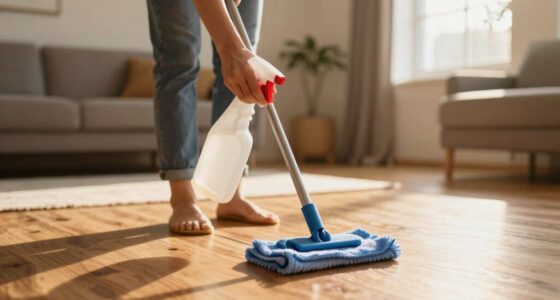
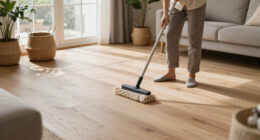
Pair that with a microfiber mop or steam mop for hard floors. Steam mops can sanitize surfaces without chemicals, killing germs and reducing allergens. Just remember to test your floor with manufacturer instructions first—some surfaces like hardwood may need special care.
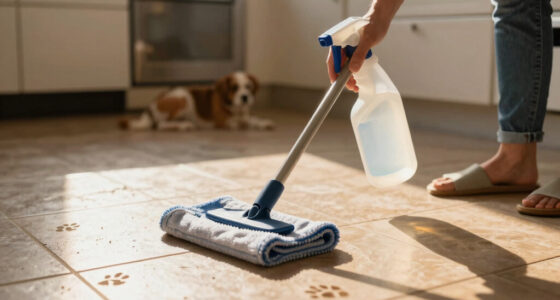
Imagine running a steam mop across your vinyl floor—no chemicals, just heat and moisture. Pet hair and dander loosen easily, and the floor dries quickly, ready for the next round of playtime.
portable HEPA air purifier for living room
As an affiliate, we earn on qualifying purchases.
As an affiliate, we earn on qualifying purchases.
Compare Cleaning Options for Different Surfaces
| Surface | Best Cleaning Method | Notes |
|---|---|---|
| Hardwood | Microfiber mop + gentle cleaner | Test first; avoid excessive water |
| Tile & Vinyl | Steam mop or damp microfiber | Durable, easy to sanitize |
| Carpet | HEPA vacuum + periodic deep clean | Opt for low-pile |
As an affiliate, we earn on qualifying purchases.
Keep Pet Dander and Hair Under Control
Pet grooming plays a key role. Bathe your pets regularly—once a week for dogs and cats with thick coats, or every two weeks for others. Brushing daily removes loose hair and reduces dander that ends up on your floors.
Groom pets outside if possible. It keeps dander out of your home and limits airborne allergens during grooming sessions.
Imagine your pet sitting on a grooming table outside, coat shiny and dander reduced—your floors stay cleaner, and your allergy symptoms stay milder.
Air Purifiers: Your Hidden Ally
Air purifiers with HEPA filters are game-changers. Place one near your main living area or where your pets spend the most time. They trap pet dander, pollen, and dust mites in the air, giving you relief from airborne allergens.
Choose a model rated for your room size—larger rooms need higher-capacity purifiers. Some models are whisper-quiet, so they won’t disturb your sleep or daily life.
For example, a portable HEPA purifier in the living room reduced airborne pet dander enough for a family member with asthma to breathe easier.
Avoid Common Cleaning Mistakes That Make Allergies Worse
Many people unknowingly stir up allergens while cleaning. Avoid dry sweeping or using overly dusty vacuums without filters—these can send allergens into the air. Dust and dander become airborne when disturbed, which can trigger allergy symptoms or asthma attacks.
Always vacuum slowly and with a sealed HEPA vacuum. When mopping, rinse your tools frequently to prevent redistributing dirt and dander. Rushing or using improper tools can cause allergens to settle back into the air or onto surfaces, prolonging exposure and aggravating symptoms.
Imagine vacuuming quickly with an old, unsealed vacuum—you’re just spreading dust around rather than removing it. Slow, deliberate passes with the right tools trap more debris and keep your home healthier.
Test Before You Commit: Protect Your Surfaces
Always check manufacturer instructions before using any cleaning method, especially steam cleaning. Test a hidden area first—some hardwoods or laminate floors can warp or discolor with excess moisture or heat. This step is crucial because different surfaces react uniquely to cleaning methods. For example, too much moisture can cause hardwood to swell or warp, and certain laminates may delaminate or discolor.
For example, a homeowner tried steam cleaning their laminate floor without testing first, leading to warping that required costly repairs. Testing small, inconspicuous areas helps you avoid these costly mistakes and ensures you select the safest cleaning method for your specific flooring.
Taking this small step saves time, money, and frustration, ensuring your floors stay beautiful and safe.
Frequently Asked Questions
What is the best flooring for allergy and pet-friendly homes?
Hard surfaces like vinyl, tile, and hardwood are best because they trap fewer allergens and are easier to clean thoroughly. Carpets tend to trap pet hair and dander deep in fibers, making them harder to keep allergen-free.
How often should I vacuum and mop my floors?
Vacuum at least twice a week with a HEPA-filtered vacuum, and mop weekly with allergen-reducing, fragrance-free solutions. This routine keeps airborne allergens low and surfaces sanitized.
Are there safe cleaning products for homes with pets and allergies?
Yes. Look for hypoallergenic, fragrance-free, and plant-based cleaners. Avoid harsh chemicals like ammonia or bleach, which can irritate both your respiratory system and your pets’ skin.
How can I reduce pet dander besides cleaning?
Regular grooming outside, bathing your pets weekly, and maintaining good ventilation help reduce dander levels. Combining these with your cleaning routine maximizes relief.
Do air purifiers really help with pet allergen allergies?
Absolutely. HEPA air purifiers effectively capture pet dander, pollen, and dust mites, significantly improving indoor air quality and easing allergy symptoms.
Conclusion
Keeping floors clean when you have allergies and pets isn’t about perfection. It’s about consistency, the right tools, and smart choices. With a bit of effort, you can breathe easier and enjoy your home more.
Think of your home as a safe haven—clean, healthy, and welcoming. Every sweep, vacuum, and pet grooming step adds up to a calmer, allergy-free space you and your pets can enjoy together.
Fall Picks
fall essentials
As an affiliate, we earn on qualifying purchases.