TL;DR

Get cleaning gear delivered free with Prime
- Fast, free delivery on millions of items
- Prime Video, Amazon Music and more included
- Member-only deals all year
Regular, gentle cleaning with pH-neutral products and protective measures prevents damage in high-traffic areas. Use minimal water, avoid harsh chemicals, and tailor methods to your floor type for lasting beauty.
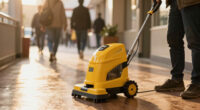
Imagine your busiest hallway—shoes scuffing, dirt grinding into the surface, every step wearing down the finish. It’s easy to think that cleaning high-traffic floors means brute force or heavy chemicals, but that’s a recipe for damage. The goal isn’t just cleanliness, it’s preservation. You want floors that stay looking fresh and intact, even after years of constant use.
Today, I’ll show you how to clean those busy surfaces without wrecking them. We’ll cover surface-specific tips, the best products, and simple routines that protect your floors while keeping them spotless. Whether you have hardwood, vinyl, or tile, these practical tips will help you extend their lifespan and maintain their beauty.
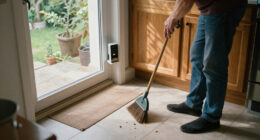
Regular sweeping and dusting prevent dirt from scratching surfaces.
Use pH-neutral cleaners and test before applying to delicate floors.
Avoid soaking floors with excess water—damp mop and dry thoroughly.
Protect floors with mats and furniture pads to cut down wear.
Deep clean and reseal periodically to extend lifespan and restore shine.
How to Clean High-Traffic Floors Without Wrecking Them
The smartest clean is gentle, frequent and floor-specific. Remove abrasive grit, use minimal water and protect the finish before constant footsteps turn everyday dirt into permanent damage.
of damage in busy areas is linked to dirt and grit grinding against the surface.
A well-wrung microfiber mop cleans without flooding seams, finishes or adhesives.
Know what is underfoot
The same technique can refresh one floor and ruin another. Check the manufacturer’s guidance, identify the finish and test every unfamiliar product in a hidden spot.
Hardwood
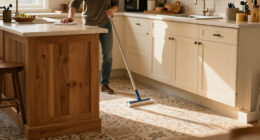
Vacuum with a hard-floor head, then use a barely damp microfiber mop. Standing water can swell boards and cloud the finish.
Best move: minimal moisture + immediate dryingVinyl & Laminate
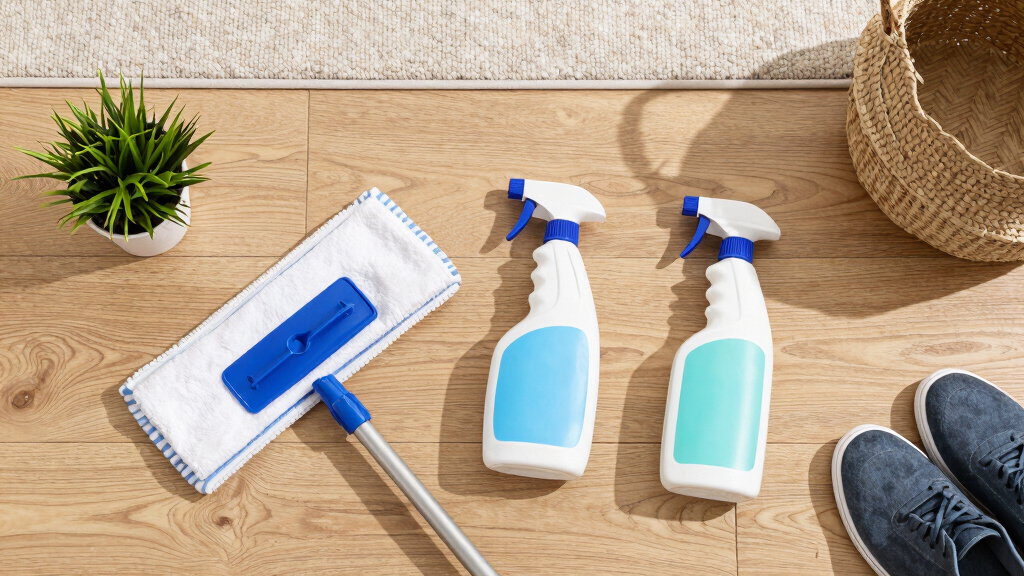
Use a pH-neutral solution and soft tools. Avoid abrasive pads; water entering joints can weaken cores or adhesives.
Best move: light solution + well-wrung mopTile & Grout
Sweep first so grit does not scratch glazed surfaces. Use steam only when the tile, grout and sealant are confirmed compatible.
Best move: soft brush + sealed groutThree steps that keep floors looking new
Consistency beats aggressive deep cleaning. Remove particles before they can act like sandpaper under every passing shoe.
Sweep or vacuum
Lift dirt, grit and loose debris before adding moisture. Use a hard-floor attachment without a rotating abrasive brush.
Frequency / dailyTrap fine dust
Run a clean microfiber dust mop over the surface. Its fibres capture particles that ordinary sweeping leaves behind.
Frequency / weeklyDamp mop smartly
Apply diluted pH-neutral cleaner with a well-wrung mop. Work in small zones and dry any lingering moisture.
Rule / never soakClean the dirt, not the finish
Powerful does not mean appropriate. Bleach, ammonia and abrasive powders can dull coatings, discolor materials and create micro-scratches that collect even more grime.
| Cleaner or tool | Floor-safe verdict | Best for | Main warning |
|---|---|---|---|
| pH-neutral cleaner | ✓ Recommended | Hardwood, vinyl, laminate, tile | Test first and follow dilution directions |
| Microfiber mop | ✓ Recommended | Routine dusting and damp cleaning | Use a clean pad to avoid redistributing grit |
| Steam mop | ~ Conditional | Compatible sealed tile surfaces | Heat and moisture may damage seams or finishes |
| Bleach or ammonia | ✗ Avoid | Rare, manufacturer-approved spot use only | Can strip, cloud or discolor the finish |
| Abrasive powder or pad | ✗ Avoid | Not suitable for routine floor care | Likely to scratch and permanently dull surfaces |
Damage prevention impact
Relative priority for busy-floor care, based on the mechanisms that cause recurring wear.
Steam safety spectrum
Confirm the floor is steam-safe, test a hidden area, use the lowest output, keep moving and dry afterward.
Prevention is cheaper than repair
Place mats at entrances, add felt pads beneath furniture, clean spills immediately and schedule periodic deep cleaning or resealing for surfaces that need it.
Gentle and regular beats harsh and occasional.
Remove grit daily, choose pH-neutral products, use the least water possible and match every method to the floor. Add mats, furniture pads and periodic resealing to preserve both appearance and lifespan.
Know Your Floor Type—The First Step to Gentle Cleaning
Each flooring material needs its own care. Hardwood floors, for example, have a delicate finish that can scratch or swell if you use the wrong cleaner or too much water. Vinyl and laminate are more resilient but can still suffer from abrasive scrubbing or harsh chemicals.
Check the manufacturer’s guidance before cleaning. Look for words like “water-resistant” or “sealed surface”—these tell you what products and methods are safe. When in doubt, test a small hidden spot first, especially on hardwood or laminate.
For example, a homeowner with a busy commercial lobby found that using an overly wet mop on their hardwood caused swelling. Switching to a damp microfiber cloth kept the floor looking pristine without damage.
pH-neutral floor cleaner for hardwood
As an affiliate, we earn on qualifying purchases.
As an affiliate, we earn on qualifying purchases.
The 3-Step Routine to Keep Floors Looking New
- Sweep or vacuum daily. Remove dirt, grit, and loose debris that can scratch surfaces. Dirt and grit are abrasive enemies; they act like tiny sandpaper particles that, over time, dull the finish and create scratches that compromise the floor’s protective coating. Regular removal prevents these tiny particles from embedding into the surface, which is especially important in high-traffic areas where the wear is constant.
- Dust mop with microfiber. Once a week, run a microfiber dust mop over the surface. Microfiber is effective because it traps fine dust and dirt particles that regular sweeping might miss, reducing the risk of scratching during subsequent cleaning. This step is crucial because accumulated dust can be abrasive, especially when combined with foot traffic, and can accelerate wear and dullness.
- Damp mop smartly. Use a well-wringed mop dampened with pH-neutral cleaner. Excess water can seep into seams or under finishes, causing swelling, warping, or staining—particularly on hardwood or laminate floors. The damp mop removes residual dirt without risking water damage. This routine preserves the integrity of the finish and prevents the buildup of grime that can become ingrained and harder to remove over time.
For instance, a busy retail store applies this routine daily. They notice that sticking to it prevents the dulling and scratches that used to accumulate after just a few months. Consistency in cleaning not only maintains appearance but also extends the lifespan of their flooring investment, proving that simple routines have long-term benefits.
microfiber floor mop for high-traffic areas
As an affiliate, we earn on qualifying purchases.
As an affiliate, we earn on qualifying purchases.
Choosing the Right Cleaning Products for Busy Floors
Not all cleaners are created equal, especially for high-traffic floors. Aim for pH-neutral cleaners—these are gentle yet effective at breaking down dirt without stripping finishes. The importance of choosing the right product lies in its ability to clean thoroughly without compromising the protective seal on your floors. Using harsh chemicals may seem effective initially, but over time, they can dull the surface, cause discoloration, or even degrade the finish, leading to costly repairs or refinishing.
Avoid bleach, ammonia, or abrasive powders. They might remove stains temporarily but can cause long-term damage, such as dulling the shine or creating micro-scratches that invite dirt accumulation. For example, a school switching to a mild, pH-balanced cleaner saw their vinyl floors stay shiny and scratch-free for years longer. This demonstrates that investing in the right product can significantly extend the aesthetic and structural integrity of high-traffic floors.
Here’s a quick comparison:
| Type of Cleaner | Best For | Warnings |
|---|---|---|
| PH-neutral, gentle cleaner | Hardwood, vinyl, laminate | Always test first on a hidden patch |
| Harsh chemicals (bleach, ammonia) | Stubborn stains (occasionally) | Can damage finishes and cause discoloration |
| Heavy-duty abrasives | Industrial spills | Likely to scratch or dull surfaces |
floor protection mats for entryways
As an affiliate, we earn on qualifying purchases.
As an affiliate, we earn on qualifying purchases.
How to Use a Steam Mop Without Damaging the Surface
Steam mops are great for quick, chemical-free cleaning but can harm certain floors if used improperly. The key is understanding the limitations of your flooring and the potential risks of steam cleaning. Excessive moisture from steam can seep into seams or under finishes, causing swelling, warping, or discoloration—especially in hardwood or laminate floors that aren’t sealed properly. Using steam on incompatible surfaces can compromise the protective layer, leading to increased wear and quicker deterioration.
Follow these steps to minimize risks:
- Check manufacturer instructions. Confirm if your floor type is steam-safe. Many hardwood and laminate floors are not suitable for steam cleaning because the heat and moisture can break down adhesives or finishes, leading to damage that is often not immediately visible but accumulates over time.
- Test first. Use a small, hidden section and wait a few hours. If no warping, discoloration, or other issues appear, it’s likely safe to proceed. This cautious approach prevents costly mistakes and helps you understand your floor’s tolerance.
- Use the right setting. Opt for the lowest steam level and avoid holding the mop in one spot for too long. Keeping the steam moving reduces moisture buildup and minimizes the risk of damage.
- Keep it dry. Wipe the floor with a dry microfiber cloth afterward to remove excess moisture, preventing water from seeping into seams or under finishes. This step is essential to preserve the integrity of the surface.
A busy office with high foot traffic found that steam cleaning once a month kept the tiles sparkling without damaging the grout or surface finish. Proper use of steam mops, combined with manufacturer guidelines, ensures cleanliness without compromising durability.
Amazonfurniture pads for hardwood floors
As an affiliate, we earn on qualifying purchases.
As an affiliate, we earn on qualifying purchases.
Protect Floors From Wear and Tear—Smart Tips That Save Money
Prevention is better than repair. Use mats at entrances, especially in muddy or snowy weather, to catch dirt and moisture. These mats act as initial barriers, preventing abrasive debris from being tracked onto your floors. Without them, grit and moisture can quickly wear down the finish, leading to dullness and scratches. Place felt pads under furniture legs to prevent scratches from shifting chairs or tables. These pads distribute weight and reduce point contact, which is crucial in high-traffic zones where furniture is moved frequently. Without such protections, even minor shifts can cause micro-scratches that accumulate and degrade the surface over time.
Encourage staff or family members to remove shoes in busy areas. Soft-soled shoes reduce scuffs and preserve the finish longer than hard-soled shoes that can drag debris or cause scratches. Implementing these simple habits creates a proactive approach to maintenance, significantly extending the lifespan and appearance of your floors.
For example, a restaurant installed durable mats at every entrance. They reduced tracked-in dirt by 70% and kept their hardwood floors looking new for years, despite thousands of daily footsteps. This preventive strategy demonstrates how small investments in protective measures can yield long-term savings and maintain aesthetic appeal.
Deep Clean and Refinish—When and How to Do It Right
Deep cleaning isn’t a weekly chore—it’s a periodic necessity. For hardwood floors, professional stripping and resealing every 3-5 years restore shine and protect the surface by removing embedded dirt and worn finishes that regular cleaning can’t address. Vinyl and tile floors benefit from professional sealing or sealing touch-ups every few years, especially in high-traffic zones, to maintain their resistance to wear and staining. Neglecting this step can lead to a dull appearance and increased vulnerability to damage, which may require costly repairs or full refinishing.
Don’t wait until floors look dull or scratched. Regular inspections help you catch wear early, preventing minor issues from escalating. When applying sealants or finishes, follow manufacturer instructions carefully. More coats aren’t always better—over-sealing can lead to peeling or uneven surfaces, compromising both appearance and durability. Properly executed, deep cleaning and resealing can rejuvenate tired floors, restoring their original luster and creating a resilient surface capable of withstanding daily traffic.
A busy hotel corridor had their floors professionally resealed after noticing dull patches and scuffs. The result? A fresh, durable surface that withstood thousands of footsteps daily, extending the life of their flooring investment and reducing the need for early replacement.
Frequently Asked Questions
Can I use a steam mop on hardwood floors in high-traffic areas?
Steam mops may be safe for sealed hardwood if the manufacturer approves. Always test a small hidden area first and use the lowest steam setting. If unsure, opt for damp, microfiber cleaning instead.
How often should I deep clean or reseal my high-traffic floors?
Hardwood floors typically need resealing every 3-5 years, while vinyl and tile can often go longer between deep cleans. Regular inspections help determine when a professional deep clean or resealing is needed.
What products are safest for vinyl or laminate floors?
Use pH-neutral, non-abrasive cleaners specifically labeled for vinyl or laminate. Avoid harsh chemicals like bleach or ammonia, which can dull or damage the surface finish.
How can I prevent scratches in high-traffic areas?
Place entry mats, use felt pads under furniture, and enforce shoe removal policies. These steps significantly reduce dirt, grit, and scuffs, prolonging the life of your floors.
What should I avoid doing when cleaning my busy floors?
Avoid excessive water, harsh chemicals, and abrasive tools. These can cause swelling, dulling, or scratches, especially on delicate surfaces like hardwood or laminate.
Conclusion
Keeping busy floors in top shape doesn’t mean sacrificing their integrity. With gentle routines, proper products, and smart preventive measures, you can enjoy spotless, damage-free surfaces for years. Remember: a little care goes a long way in preserving the beauty of your high-traffic floors.
Think of your floors as a long-term investment—treat them like treasures, and they’ll reward you with their lasting shine and durability.
HALLOWEEN Halloween Picks
halloweenhalloween
As an affiliate, we earn on qualifying purchases.