TL;DR

Get cleaning gear delivered free with Prime
- Fast, free delivery on millions of items
- Prime Video, Amazon Music and more included
- Member-only deals all year
Using a steam mop on certain floors can void the warranty if it causes damage. Always check your manufacturer’s guidelines, and opt for safer cleaning methods if unsure. Proper use and testing are key to protecting your floors.
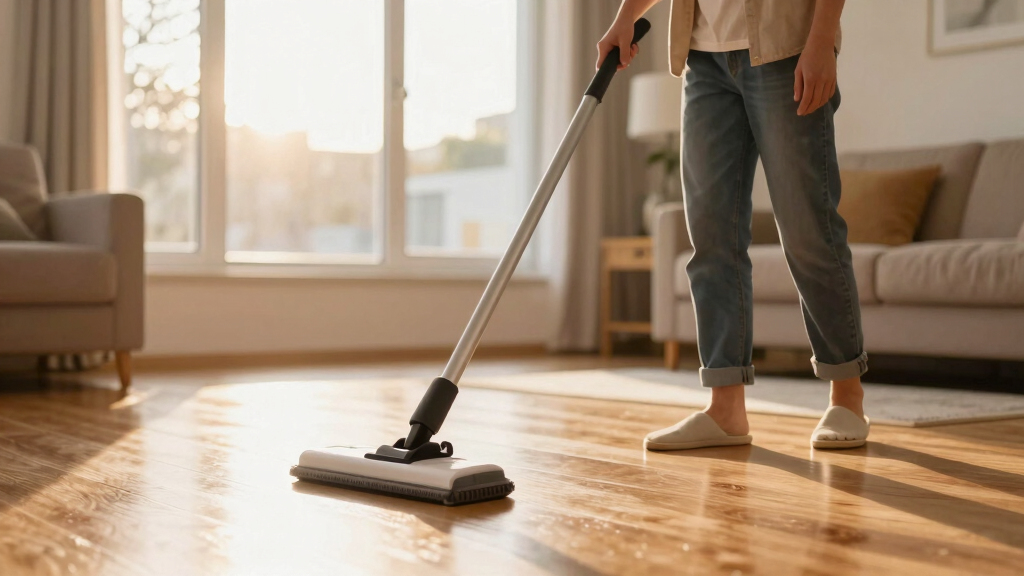
Imagine scrubbing your hardwood or laminate floor with a steam mop, expecting a sparkling shine. But did you know that doing so might secretly void your warranty? Many homeowners overlook the fine print in their flooring warranties, risking costly repairs or replacements. In this guide, you’ll learn exactly when and how steam mopping can threaten your flooring’s coverage, and what safer practices you should follow.
Whether you’re a cleaning enthusiast or just want the quickest way to banish dirt, knowing the risks helps you protect your investment. We’ll explore the types of floors that tolerate steam, what manufacturers say, and how to clean safely without voiding your warranty.
Always read your flooring’s manufacturer care instructions before using a steam mop.
Using a steam mop on unapproved surfaces can void your warranty and cause damage.
Adjust steam settings to the lowest level and test on a hidden area first.
Vinyl, sealed tiles, and some laminates are more resistant but still require caution.
Traditional damp mopping remains the safest choice for delicate floors.
Will Steam Mopping Void Your Flooring Warranty?
Using a steam mop can be harmless on approved sealed surfaces, but risky on moisture-sensitive floors. The warranty question usually comes down to one thing: did the manufacturer allow steam cleaning, and did the damage come from heat or moisture?
Steam is not just “hot water.” It is heat, moisture, pressure, and warranty fine print arriving at the same time.
Steam use usually voids coverage when it causes swelling, warping, bubbling, or delamination.
Manufacturer care instructions outrank generic cleaning advice every time.
Modern steam mops reduce risk with gentle modes, but they do not make every floor steam-safe.
Microfiber and mild cleaner remain the safest route for delicate flooring.
Floor Material Matters More Than the Mop
Heat and moisture behave differently across flooring systems. A sealed tile floor may shrug off steam, while laminate edges or hardwood seams can absorb moisture and fail months after cleaning.
Hardwood
Steam can push moisture into seams and finishes, raising the risk of cupping, swelling, and warping. Many hardwood warranties warn against steam cleaning.
Laminate
Laminate cores can swell or delaminate when exposed to concentrated heat and moisture, especially near edges or damaged seams.
Vinyl & Tile
Sealed vinyl and ceramic tile are generally more resistant, but grout, adhesive, edges, and product-specific warranty terms still matter.
Steam Compatibility by Floor Type
The safest answer is specific to your product. Use this as a risk map, then verify the actual warranty and care guide before cleaning.
| Floor Type | Steam Mop Compatibility | Warranty Risk | Best Practice |
|---|---|---|---|
| Vinyl Plank | ✓ Generally safe | ~ Medium | Confirm sealed surface and avoid lingering heat near seams. |
| Ceramic Tile | ✓ Safe | ✓ Low | Check grout condition and keep steam moving. |
| Sealed Laminate | ~ Possible | ~ Medium to High | Use lowest steam, test hidden area, and follow manufacturer limits. |
| Engineered Wood | ✗ Usually not recommended | ✗ High | Use damp microfiber unless the maker explicitly approves steam. |
| Hardwood | ✗ Not recommended | ✗ Very High | Avoid steam; water and heat can cause warping. |
What Actually Voids Coverage?
Most warranty language focuses on misuse, excessive moisture, and unapproved cleaning methods. Steam mopping becomes a problem when it creates a traceable path from cleaning method to damage.
Risk Rises When Heat Meets Fine Print
Manufacturers include steam warnings because high-temperature moisture can subtly weaken flooring structure. Damage may not appear immediately, which makes documentation and care compliance important.
Damage Clues to Watch
- 01
Bubbling or raised areas near seams, edges, or plank joints.
- 02
Swelling, soft spots, cupping, or boards that no longer sit flat.
- 03
Finish clouding, peeling, or a dull patch after repeated steam exposure.
- 04
Delamination on laminate or engineered flooring layers.
Six Steps for Lower-Risk Steam Cleaning
If your flooring maker allows steam, cautious technique matters. The goal is short contact, low moisture, and ongoing inspection.
Read
Check care instructions and warranty exclusions before using steam.
Test
Try a small hidden area first and wait for signs of swelling.
Lower
Use the gentlest steam setting your mop provides.
Move
Keep the mop moving and never let it sit in one spot.
Limit
Steam only sealed, moisture-resistant areas approved by the maker.
Inspect
Look for bubbling, warping, or edge swelling after cleaning.
Risk Level by Cleaning Choice
Independent tests and manufacturer guidance point to the same pattern: more heat and more moisture create more risk on delicate floors.
Quick Answers Homeowners Ask
The warranty-safe answer is rarely universal. It depends on floor type, sealing quality, product construction, and the exact wording from the manufacturer.
Does steam automatically void the warranty?
Not always. It depends on your flooring type and terms. Steam becomes a warranty issue when it is unapproved or causes covered damage to be denied.
Can I use steam on hardwood?
Most hardwood floors are not rated for steam. Unless your manufacturer clearly says it is safe, choose damp microfiber cleaning instead.
What if damage already happened?
Stop steaming, photograph the damage, gather receipts and warranty documents, then contact the manufacturer or installer for next steps.
What is the safest alternative?
A barely damp microfiber mop with a gentle approved cleaner is the safest routine for moisture-sensitive floors.
Trace the Warranty Logic
Protecting your floor is a chain of decisions. Break the chain at the cleaning step, and the warranty claim may break with it.
Why Your Floor Material Matters More Than You Think
Not all floors react the same to heat and moisture. Hardwood floors can warp or swell if exposed to steam or excess water—some manufacturers warn against steam mopping altogether. Laminate is even more sensitive; the layers can delaminate or swell with just a few seconds of high heat or moisture. Vinyl and tile are generally more resistant, but it’s still best to check your specific product’s guidance.
For example, a homeowner in Ohio used their steam mop on a sealed vinyl plank floor. It looked fine at first, but after a few months, they noticed bubbling and warping—damage that voided their warranty. Always read your flooring’s care instructions, or better yet, contact the manufacturer.
best steam mop for hardwood floors
As an affiliate, we earn on qualifying purchases.
As an affiliate, we earn on qualifying purchases.
What Your Warranty Really Says About Steam Cleaning
Many warranties explicitly state that using unapproved cleaning methods, like steam mops, can void your coverage. Check your warranty document—it might mention ‘moisture-sensitive surfaces’ or caution against ‘high-temperature cleaning devices.’ Some brands specify that steam cleaning can cause warping or delamination, and void the warranty if damage occurs.
Understanding this is crucial because it highlights the importance of reading the fine print. Manufacturers include these warnings because high heat and moisture can subtly compromise the structural integrity of certain flooring materials over time. Ignoring these warnings and using a steam mop might seem harmless initially but can lead to hidden damages that surface months later, making repairs costly and warranty claims impossible. This knowledge empowers you to make informed choices, balancing cleanliness with longevity and warranty protection.
flooring warranty safe steam cleaner
As an affiliate, we earn on qualifying purchases.
As an affiliate, we earn on qualifying purchases.
How Modern Steam Mops Reduce Risk — But Not Zero
Today’s steam mops often come with adjustable steam levels, sealed water tanks, and safety features designed to protect your floors. Using the lowest steam setting minimizes moisture and heat exposure, making it less likely to cause damage. But even with these features, if your floor isn’t rated for steam, damage can still happen.
For example, a user with a sealed laminate floor tried a low-heat steam mop. It worked fine for months, but eventually, they noticed slight warping near the edges—damage that the manufacturer’s guidelines warned about. Always verify if your specific model is ‘safe’ for your flooring type.
This is because, despite advancements, no steam mop can guarantee absolute safety on all surfaces. The risk depends on the floor’s construction, finish, and sealing quality. Manufacturers include these safety features to help reduce risk, but they cannot eliminate it entirely. Therefore, understanding your specific flooring’s tolerance and following manufacturer recommendations remain essential to prevent long-term damage.
As an affiliate, we earn on qualifying purchases.
The Top 5 Floors That Usually Survive Steam Mopping
| Floor Type | Steam Mop Compatibility | Notes |
|---|---|---|
| Vinyl | Generally safe | Check for a sealed surface |
| Ceramic Tile | Safe | Low risk of damage |
| Sealed Laminate | Possible, with caution | Use low steam, test first |
| Engineered Wood | Usually not recommended | Check manufacturer advice |
| Hardwood | Not recommended | Water and heat can cause warping |
Always test a hidden corner first, regardless of floor type. For example, a homeowner used a steam mop on sealed vinyl with no issues. But on unsealed hardwood, damage appeared within weeks.
As an affiliate, we earn on qualifying purchases.
Steps to Safely Use a Steam Mop Without Voiding Your Warranty
- Read your flooring’s care instructions thoroughly.
- Test your steam mop on a small, hidden area first.
- Use the lowest steam setting available.
- Keep the mop moving — don’t let it sit in one spot.
- Limit steam exposure to areas that are sealed and moisture-resistant.
- Regularly inspect your floors for signs of damage.
For example, a DIY enthusiast followed these steps on their laminate floor. Months later, they saw no warping, and their warranty stayed intact. It’s all about cautious, informed use.
What to Do if Damage Happens Despite Caution
If you notice warping, bubbling, or swelling after steam cleaning, stop immediately. Document the damage with photos and contact your flooring manufacturer or installer. Many warranties won’t cover damage caused by improper cleaning, but some brands have repair or replacement programs if damage is recent and the cause is clear.
For instance, a homeowner’s laminate warped after a few months of steam mopping. They contacted the manufacturer, provided photos, and learned that the damage was not covered because they hadn’t followed care instructions. Always keep your receipts and warranty info handy.
Frequently Asked Questions
Does using a steam mop automatically void my flooring warranty?
Not always. It depends on your flooring type and manufacturer. Always check your warranty terms and manufacturer guidelines before steaming.Can I use a steam mop on hardwood floors?
Most hardwood floors aren’t rated for steam cleaning. Check your flooring’s care instructions or contact the manufacturer to be sure.What flooring types are safe for steam mopping?
Vinyl, sealed ceramic tiles, and some laminate floors are generally more resistant—yet always verify your specific product’s guidelines.How can I tell if my floor is safe for steam cleaning?
Consult your flooring’s manufacturer or read the care label. When in doubt, test a small, hidden area first.Are there safer alternatives to steam mopping?
Yes. Damp microfiber cloths with gentle cleaning solutions are safer for delicate surfaces and won’t risk voiding your warranty.Conclusion
Steam mopping sounds quick and easy, but it can quietly damage your floors—and your warranty. The best move? Always check your manufacturer’s advice first. When in doubt, stick to gentle, damp cleaning methods that won’t risk warping or delaminating your investment.
Remember, protecting your floors means knowing what they can handle. After all, a well-maintained floor isn’t just about looks — it’s about safeguarding your home’s value for years to come.
Halloween Picks
halloween
As an affiliate, we earn on qualifying purchases.