TL;DR

Get cleaning gear delivered free with Prime
- Fast, free delivery on millions of items
- Prime Video, Amazon Music and more included
- Member-only deals all year
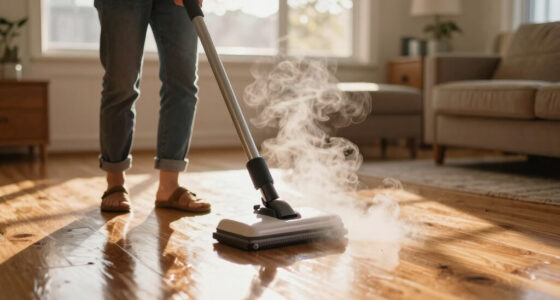
Steam mops can damage laminate floors due to heat and moisture. Always check manufacturer guidance and use low settings if permitted, or opt for safer cleaning methods like damp mopping.
Imagine the rich, dark sheen of your laminate floor, sparkling after a quick clean. You reach for your steam mop, thinking it’s an easy fix for stubborn dirt. But wait—does steam cleaning risk ruining all that good work? Many wonder if they can safely use a steam mop on laminate floors without causing long-term damage. This guide breaks down what you need to know, so you can keep your floors looking pristine without the risk of warping or delamination.
Understanding the compatibility of steam mops with laminate flooring can save you from costly repairs. You’ll learn what factors matter, recent technological advancements, and safer alternatives that still get your floors shining. Because, when it comes to laminate, a cautious approach always pays off.
Most laminate flooring brands advise against using steam mops because of potential damage from heat and moisture.
Choose a steam mop with adjustable settings, and always follow the manufacturer’s safety instructions if you decide to use one.
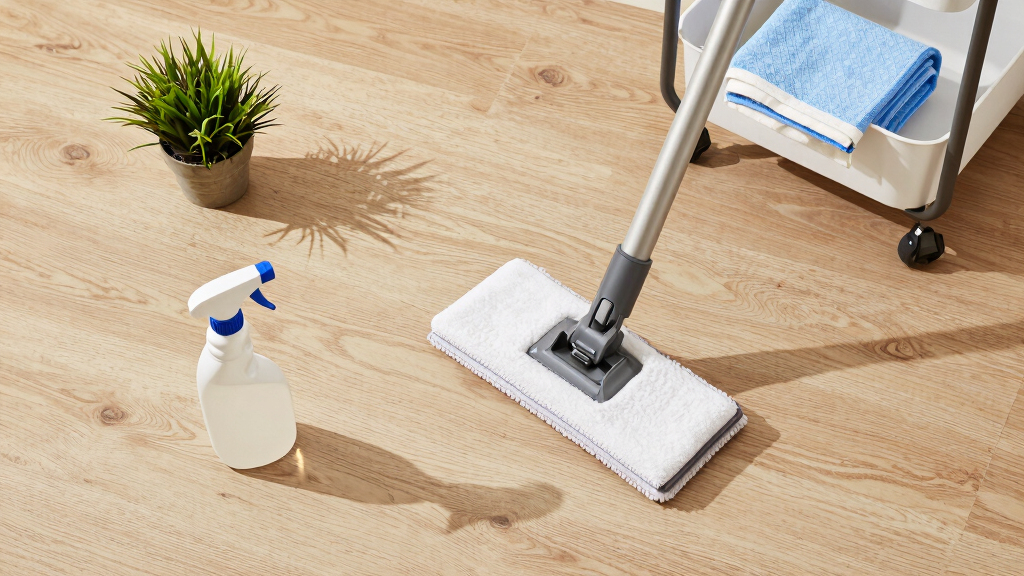
Regular cleaning with dry or damp microfiber mops is safer and effective for maintaining laminate floors.
Always test cleaning methods in a hidden spot before applying widely to avoid surprises.
When in doubt, opt for laminate-specific cleaning solutions or gentle dry cleaning to extend your floor’s lifespan.
Can You Use a Steam Mop on Laminate Floors Without Ruining Them?
TL;DR: Steam mops can damage laminate floors because heat and moisture can seep into seams, weaken adhesive layers, and trigger swelling, warping, or delamination. Check the floor manufacturer first; when approval is unclear, damp microfiber cleaning is the safer shine strategy.
Key Insight
Most laminate flooring manufacturers advise against steam mops because the risk is not always instant. Damage can build quietly beneath the surface before buckling, clouding, or peeling appears.
Always check the manual or brand website before using steam.
Water plus heat can penetrate seams and stress the fiber core.
A well-wrung microfiber mop handles regular dirt with less risk.
Try any cleaner in a hidden corner and wait for visible change.
Why Laminate Says No to Steam
Laminate looks tough because the decorative surface is protected by a clear wear layer. The weak point is what sits beneath: layered material, seams, and adhesives that dislike repeated heat and moisture.
Layered, not solid
Laminate uses a photographic layer and protective overlay, so water intrusion can affect hidden layers before the surface looks damaged.
Adhesives can weaken
High temperatures may soften or stress bonding layers, creating cloudy patches, bubbling, peeling, or long-term delamination.
Seams invite swelling
Steam can settle into plank edges. Once the core absorbs moisture, buckling and warped boards are difficult to reverse.
Relative Risk by Cleaning Method
If Steam Is Allowed, Use a Controlled Process
Some newer steam mops offer adjustable steam, sealed tanks, better temperature regulation, and moisture sensors. Those features help, but they do not override flooring guidance.
Verify
Confirm that your laminate brand permits steam cleaning and note any model or setting limits.
Prep
Sweep or vacuum first so grit does not scratch when moisture is introduced.
Lower
Use the gentlest steam setting with a clean microfiber pad.
Move
Keep passes short and continuous. Never park the mop on one board.
Inspect
Test a hidden area and wait for signs of clouding, swelling, or edge lift.
Best-case steam setup
A safer steam mop has adjustable output, a sealed water tank, moisture control, temperature regulation, and a soft microfiber pad. Even then, use quick passes only when the floor maker permits it.
Cleaning Options Compared
The practical question is not whether steam can make laminate look clean today. It is whether the method protects the floor after dozens of cleaning cycles.
| Cleaning method | Moisture level | Safety for laminate | Effectiveness | Best use |
|---|---|---|---|---|
| Steam mop | High if uncontrolled | ✗ Risky unless approved | Strong surface cleaning | Only with manufacturer approval and low steam |
| Damp microfiber mop | Low to medium | ✓ Very safe | Effective for everyday dirt and spills | Routine maintenance |
| Dry sweeping or vacuuming | Minimal | ✓ Safest | Good for dust and grit | Daily upkeep before damp cleaning |
| Laminate-specific cleaner | Minimal | ✓ Very safe | Good shine with low moisture | Periodic deeper cleaning |
| Wet mop or soaking | Very high | ✗ Avoid | Can leave streaks and swelling | Not recommended |
Dry sweep
Minimal moisture, best for grit control.
Damp mop
Balanced cleaning with a well-wrung pad.
Steam mop
Convenient, but heat and vapor raise risk.
Wet mop
Too much water for laminate seams.
Trace the Damage Path
Steam damage is usually a chain reaction: a small cleaning shortcut becomes a material problem when repeated moisture reaches vulnerable layers.
Heat
High temperature softens the margin for error.
Vapor
Moisture settles at seams and plank edges.
Core
Hidden layers absorb stress and swell.
Surface
Clouding, bubbling, or buckling becomes visible.
Warranty
Unapproved cleaning can complicate coverage.
- Use dry or damp microfiber mops for regular cleaning.
- Choose gentle products labeled for laminate floors.
- Place mats at entry points to reduce grit and wear.
- Use less moisture than feels necessary and dry any wet spots quickly.
Can I ever use steam?
Only if your flooring manufacturer allows it and your mop can run on a low, controlled setting.
What is the safest routine?
Sweep or vacuum first, then use a well-wrung microfiber mop with a laminate-safe cleaner.
What should I watch for?
Cloudy finish, lifted seams, swollen edges, soft spots, peeling, or boards that no longer sit flat.
Why Most Laminate Floors Say No to Steam Mops
Laminate flooring consists of a photographic layer topped with a clear protective overlay. This design makes it look like real wood, but it’s more sensitive to moisture and heat. Many manufacturers warn against using steam mops because the high temperature and moisture can cause the surface to swell, warp, or even delaminate over time. Imagine a wooden veneer absorbing too much water—same principle, just more delicate.
For example, if you use a steam mop with high heat on laminate, you might notice a slight buckling or a cloudy appearance developing within months. That’s because the adhesive layers beneath the surface can weaken, leading to peeling or bubbling. So, even if your floors seem sturdy, the invisible damage can quietly happen beneath the surface.
Always check your flooring’s manual or manufacturer’s website. Some brands, like Pergo or Armstrong, explicitly prohibit steam cleaning. Others may permit it only with specific models or settings. Ignoring this advice can void warranties and cause costly repairs down the line.
As an affiliate, we earn on qualifying purchases.
What Features Make a Steam Mop Safer for Laminate?
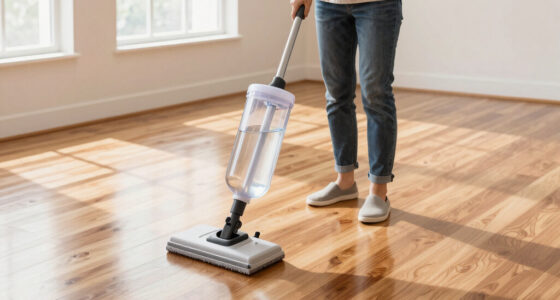
If you’re set on using a steam mop, choose one with features that minimize risks. Look for models with adjustable steam controls—the lower, gentler settings are less likely to cause damage. Some newer models even include sensors that prevent overexposure to moisture, acting like a safeguard for your floors.
For example, a steam mop with a sealed water tank reduces the chance of excess water spilling onto your laminate. Microfiber pads help absorb moisture while preventing scratches. It’s like giving your floor a gentle, controlled steam bath instead of a heavy steam shower.
Remember, even with the best features, always follow the manufacturer’s guidance. If they recommend avoiding steam cleaning, it’s safer to stick with alternative methods.
microfiber mop for laminate floors
As an affiliate, we earn on qualifying purchases.
As an affiliate, we earn on qualifying purchases.
How to Safely Use a Steam Mop on Laminate Floors (If Allowed)
- Check your flooring’s manufacturer guidelines before starting. If they approve steam cleaning, proceed with caution.
- Use a steam mop with adjustable steam settings. Set it to the lowest, gentlest level.
- Attach a clean microfiber pad designed for delicate cleaning.
- Before steaming, sweep or vacuum thoroughly to remove loose dirt and debris. Dirt particles can scratch or embed into the surface when wet.
- Keep the mop moving—don’t leave it in one spot too long. Short, overlapping passes prevent prolonged exposure to heat and moisture.
- Test in a hidden corner first. Wait a few hours to check for any signs of damage like warping or clouding.
For example, if you have a sealed, high-quality laminate floor and a steam mop with adjustable settings, this method can work. But always prioritize gentle, quick passes over heavy steaming.
Remember: when in doubt, opt for damp mopping or laminate-specific cleaners to keep your floors safe and shiny.
As an affiliate, we earn on qualifying purchases.
Compare: Steam Mop Use on Laminate vs. Other Cleaning Options
| Cleaning Method | Moisture Level | Safety for Laminate | Effectiveness |
|---|---|---|---|
| Steam Mop | High (if not controlled) | Generally risky unless manufacturer approves | Spotless, but potential long-term damage risk |
| Damp Microfiber Mop | Low to Medium | Very safe | Effective for regular dirt and spills |
| Dry Sweeping | Minimal | Safe as can be | Good for daily maintenance |
| Laminate-specific Cleaners | Minimal | Very safe | Deep cleaning without moisture risk |
This comparison shows that damp mopping or laminate-friendly cleaners often provide safer, equally effective cleaning—especially if your flooring isn’t approved for steam.
As an affiliate, we earn on qualifying purchases.
Recent Tech and What It Means for Your Floors
Modern steam mops now come with features that could make them safer for laminate floors—if used carefully. Some models include adjustable steam levels, sensors, and sealed tanks that reduce excess moisture. Think of these as the ‘smart’ options that help prevent damage.
For instance, a recent review highlighted steam mops with temperature sensors that cut off at a safe level, mimicking a gentle steam bath rather than a boiling kettle. Such tools are promising, but still require cautious use and adherence to manufacturer advice.
Meanwhile, research shows that even the most advanced steam technology can’t fully eliminate the risk if the manufacturer explicitly warns against steam cleaning. So, technology helps, but doesn’t replace good judgment.
Quick Tips for Keeping Laminate Floors Safe and Clean
- Stick to dry or damp microfiber mops for regular cleaning.
- Always test any cleaning method in a hidden corner first.
- Use gentle cleaning products designed for laminate floors.
- If using a steam mop, choose models with adjustable steam and follow manufacturer instructions.
- Place mats at entry points to trap dirt and reduce wear.
For example, a quick sweep followed by a damp microfiber cloth can keep your laminate looking fresh without risking damage from excess moisture. Remember, less is more when it comes to moisture and heat.
Frequently Asked Questions
Can I use a steam mop on laminate floors without damaging them?
It depends on your flooring’s manufacturer guidelines and the features of your steam mop. Generally, caution is advised, especially if the mop lacks adjustable settings or manufacturer approval. Always check before steaming.
What are the risks of using a steam mop on laminate flooring?
The main risks include swelling, warping, delamination, and damage to the protective surface layer. Excess heat and moisture can gradually weaken the floor’s structure over time.
Are there safe alternatives to steam mops for laminate floors?
Yes. Damp microfiber mops, laminate-specific cleaning solutions, and dry sweeping methods are safer and often just as effective for regular maintenance.
How can I clean my laminate floors effectively without risking damage?
Regularly sweep or vacuum to remove dirt, then damp mop with a microfiber cloth and a gentle cleaner. Avoid excessive water or heat, and always test first.
What should I look for in a steam mop if I decide to use one?
Opt for models with adjustable steam controls, sealed water tanks, and manufacturer approval for laminate floors. Use low settings and move quickly to minimize risks.
Conclusion
Using a steam mop on laminate floors isn’t a one-size-fits-all answer. If your manufacturer approves, and you use it with care—low steam, quick passes—it can work. Otherwise, sticking to damp mopping or laminate-friendly cleaners remains your safest bet.
Think of your laminate flooring as a delicate canvas—gentle cleaning preserves its beauty and durability. When in doubt, choose the safest, most cautious approach. Your floors will thank you for it, shining bright for years to come.
Halloween Picks
halloween
As an affiliate, we earn on qualifying purchases.