TL;DR

Get cleaning gear delivered free with Prime
- Fast, free delivery on millions of items
- Prime Video, Amazon Music and more included
- Member-only deals all year
Steam mops work great on sealed, non-porous floors but can damage delicate surfaces like unsealed wood, porous stone, and vintage tiles. Always check manufacturer guidelines and test first to avoid costly harm.
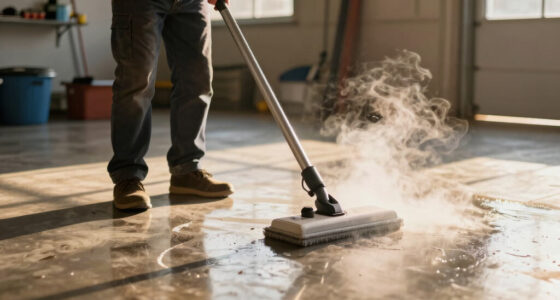
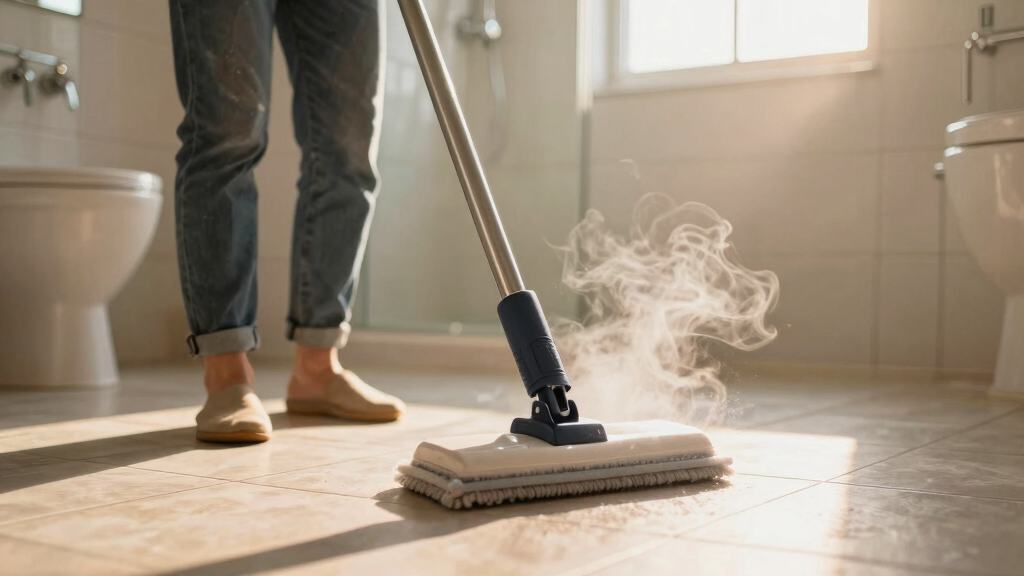
Imagine steam rising from your mop, cleaning away dirt and germs with a satisfying hiss. Sounds perfect, right? But not all floors welcome this fiery, moisture-rich treatment. Some surfaces, especially delicate or porous ones, can suffer permanent damage from steam cleaning. Knowing which floors to avoid isn’t just about protecting your investment — it’s about avoiding hidden costs and repairs that could stretch into the hundreds.
This guide cuts through the hype, offering clear, practical advice. You’ll learn which surfaces are safe, which are risky, and how to keep your floors pristine without risking warping, discoloration, or cracking. Because when it comes to your home’s foundation, caution beats hasty cleaning every time.
Never use a steam mop on unsealed hardwood, porous stone, vintage tiles, unsealed laminate, or vinyl floors.
Always check the manufacturer’s cleaning instructions and test a small area first.
High temperatures and moisture can cause warping, cracking, staining, or bubbling on sensitive surfaces.
For delicate floors, opt for traditional cleaning methods like damp microfiber mops and gentle solutions.
Regularly inspect your floors for early signs of damage and adjust your cleaning routine accordingly.
The Floors You Should Never Touch With a Steam Mop
Steam mops can be excellent on sealed, non-porous floors, but high heat and moisture can quietly ruin delicate surfaces. Unsealed wood, porous stone, vintage tile, weak laminate, vinyl, and linoleum can warp, stain, crack, bubble, or peel when exposed to steam.
Fast cleaning is not worth a floor repair bill. Match the mop to the material first.
Best suited to ceramic, porcelain, and approved sealed surfaces.
Water vapor slips into pores, seams, cracks, and weak finishes.
Warping, bubbling, discoloration, and cracking are red flags.
Check a hidden patch after a low-steam test before cleaning fully.
The high-risk floor list
These materials are vulnerable because steam combines heat, moisture, and pressure. The damage may start below the surface, so problems often appear after the clean is already done.
Unsealed hardwood
Why: moisture penetrates the grain and seams, causing swelling, warping, cracks, and long-term structural damage.
Porous stone
Why: unpolished marble, limestone, and similar stone absorb water, leading to stains, erosion, and finish loss.
Vintage tiles
Why: older or delicate tiles may crack, chip, fade, or discolor from rapid temperature changes.
Vinyl or linoleum
Why: heat can soften adhesives and cause bubbling, peeling, warping, or surface deterioration.
Poorly sealed laminate
Why: moisture can reach the core, weakening the floor and triggering swelling or delamination.
Heat plus water is the problem
The more porous, old, or weakly sealed the surface, the more cautious your cleaning method should be.
Steam mop compatibility table
Use this as a practical sorting tool. Manufacturer guidance always wins, especially when warranties or specialty finishes are involved.
| Floor Type | Steam Status | Why It Is Risky | Likely Damage | Safer Method |
|---|---|---|---|---|
| Unsealed hardwood | ✗ Avoid | Moisture easily enters the surface. | Warping, swelling, cracks, structural damage. | Damp microfiber mop and wood-safe cleaner. |
| Porous stone | ✗ Avoid | Stone absorbs water and may react to heat. | Staining, erosion, dullness, finish loss. | pH-neutral stone cleaner and soft cloth. |
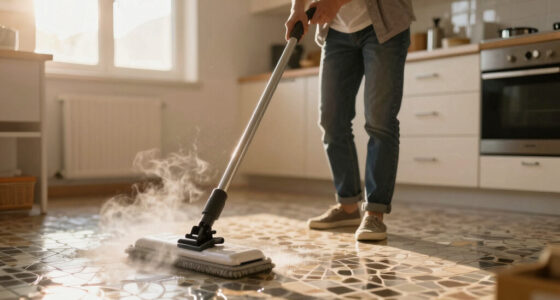
| Vintage or delicate tile | ✗ Avoid | Rapid temperature shifts stress old materials. | Chipping, cracking, fading, pattern damage. | Soft brush, mild cleaner, minimal water. |
| Vinyl or linoleum | ~ Check first | High heat may soften adhesives. | Bubbling, peeling, warping, surface wear. | Damp mop with gentle solution. |
| Sealed ceramic or porcelain | ✓ Usually safe | Non-porous surfaces resist moisture better. | Low risk if grout and seal are intact. | Lowest steam setting and steady motion. |
The 4-step decision flow
Before the mop heats up, use this quick chain. It turns a guess into a controlled test and gives delicate floors a safer fallback.
Identify the material
Confirm whether the floor is wood, stone, vinyl, laminate, tile, or a specialty surface.
Read the instructions
Check manufacturer guidance for steam cleaning approval and warranty limits.
Test a hidden patch
Use the lowest steam setting, wait 24 hours, then check for bubbling, warping, or color change.
Choose the gentler route
If there is any doubt, use a damp microfiber mop, soft brush, or surface-specific cleaner.
What steam damage looks like
Look for lifted edges, cloudy finish, swollen seams, loose adhesive, fine cracks, dull patches, and uneven texture. Early signs are easier to manage than full floor failure.
- 01Never hold steam in one spot on a sensitive floor.
- 02Do not steam old, unsealed, delicate, or unknown surfaces.
- 03Use dry vacuuming or sweeping for routine upkeep.
- 04Reserve steam for floors verified as sealed and non-porous.
Moisture risk spectrum
The safest floors resist both water and heat. The riskiest floors absorb moisture, react to heat, or have seams where vapor can slip underneath.
Fast answers before you clean
When the floor type is uncertain, caution is the cheaper option. A gentle method may take longer, but it protects the finish, seams, adhesive, and structure.
Can sealed hardwood be steamed?
Only if the seal is intact and the manufacturer approves. Test a hidden area first and watch it for 24 hours.
Which floors are safest?
Ceramic tile, porcelain, and approved sealed vinyl or linoleum usually tolerate steam better than porous surfaces.
What should I use instead?
Choose damp microfiber, a soft brush, vacuuming, dry mopping, or a gentle cleaner matched to the floor material.
Why Some Floors Say ‘No’ to Steam Mops — And What Happens If You Ignore Them
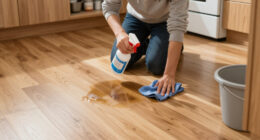
Steam mops emit high-temperature vapor, often exceeding 200°F (93°C). This heat combined with moisture can be a disaster for certain materials. For example, unsealed hardwood can absorb water, causing it to swell, warp, or crack over time. Vintage tiles or delicate marble can stain or crack from the sudden temperature change. Even vinyl or linoleum might bubble or peel if exposed to too much steam.
Think of it like exposing a sponge to boiling water — it quickly loses its shape and integrity. Sensitive floors are similarly vulnerable; the heat causes expansion or contraction, and excess moisture can seep into pores or cracks, leading to long-term damage. This isn’t always immediately visible; damage can develop gradually, making it harder to diagnose and fix. If you ignore these risks, you might end up with warped planks, discolored tiles, or cracked surfaces that require costly repairs or replacements. Understanding these implications helps you weigh the tradeoff: a quick clean now could mean expensive fixes later. Knowing your material and its tolerance levels is crucial — a small oversight might compromise the entire floor’s durability and appearance.
Before you reach for your steam mop, always check the material and manufacturer’s instructions. When in doubt, test a small hidden patch. Better safe than replacing a whole floor.
best microfiber mop for delicate floors
As an affiliate, we earn on qualifying purchases.
As an affiliate, we earn on qualifying purchases.
The Top 5 Floors That Should Never Meet a Steam Mop
| Floor Type | Why It’s Risky | What Could Happen |
|---|---|---|
| Unsealed Hardwood | Moisture easily penetrates the surface | Warping, swelling, cracks, and long-term structural damage |
| Porous Stone (like unpolished marble or limestone) | Absorbs water, leading to staining and erosion | Discoloration, surface erosion, and loss of finish |
| Vintage or Delicate Tiles | Susceptible to cracks and discoloration from rapid temperature change | Chipping, cracking, fading, and permanent damage to intricate patterns |
| Vinyl or Linoleum | High heat causes bubbling, warping, and peeling | Surface deterioration requiring replacement or repair |
| Unsealed or Poorly Sealed Laminate | Moisture penetrates beneath the surface, weakening the core | Swelling, delamination, warping, and possible need for full replacement |
Imagine walking on a fragile antique tile that suddenly cracks from a burst of steam — it’s a real risk. Each of these surfaces has vulnerabilities that, if compromised, can lead to costly repairs or irreversible damage. Recognizing these risks is essential because it helps you make informed decisions about cleaning methods. The tradeoff is clear: sacrificing a quick clean for the safety of your floors can save you hundreds in repairs and preserve their aesthetic appeal for years to come. Always verify your floor’s material and consider whether the potential damage outweighs the convenience of steam cleaning.
steam mop safe for sealed hardwood floors
As an affiliate, we earn on qualifying purchases.
As an affiliate, we earn on qualifying purchases.
How To Know If Your Floor Can Handle a Steam Mop — And What To Do Instead
Not sure if your floor is safe? Here’s a simple step-by-step:
- Check the manufacturer’s cleaning instructions—most specify whether steam is okay. Ignoring these can void warranties or cause damage that isn’t covered.
- Test a small, hidden area with the lowest steam setting. Wait 24 hours and observe for any signs of damage such as warping, discoloration, or bubbling. This cautious approach helps you assess your floor’s tolerance and avoid surprises.
- If you notice any adverse effects, avoid steam cleaning on that surface. Instead, opt for gentler methods.
- For delicate floors, switch to gentle cleaning methods: damp microfiber cloths, soft brushes, or mild cleaning solutions suitable for the material. These methods minimize the risk of moisture-related damage and are often sufficient for routine cleaning.
- Finally, consider using a regular vacuum or dry mop for routine upkeep, reserving steam cleaning for surfaces that are verified as safe.
For example, a homeowner with sealed ceramic tiles can confidently steam, but their unsealed wooden porch needs a gentle sweep instead. The key is cautious testing and following manufacturer advice — understanding your floor’s specific needs helps you choose the best cleaning approach and prolongs its lifespan.
gentle floor cleaning solutions for vintage tiles
As an affiliate, we earn on qualifying purchases.
As an affiliate, we earn on qualifying purchases.
The Real Risks of Ignoring These Rules — And How to Avoid Them
Using a steam mop on the wrong floor isn’t just a minor mishap — it can lead to costly repairs and even compromise the structural integrity of your flooring. Warped planks, peeling vinyl, and stained marble aren’t just cosmetic issues; they can weaken the entire surface and reduce its lifespan significantly. Damage caused by moisture infiltration can accelerate wear and tear, leading to a need for early replacement and increased expenses. According to an anonymous researcher, damage from moisture can reduce a floor’s lifespan by 50% or more, emphasizing how critical proper cleaning methods are.
To avoid this, always match your cleaning method to the floor type. Regularly inspect your surfaces for early signs of wear, such as discoloration, warping, or bubbling, and address issues promptly. Remember, a quick check now can save you hundreds later. Being proactive about maintenance and understanding your floor’s specific needs help you extend its life and preserve its appearance.
Be cautious: if your floor is old, delicate, or unsealed, skip the steam mop altogether. Instead, opt for a damp microfiber cloth, soft brush, or gentle cleaning solutions tailored to your surface. These safer alternatives help maintain your floors’ integrity without risking moisture damage, ensuring longevity and beauty for years to come.
As an affiliate, we earn on qualifying purchases.
Frequently Asked Questions
Can I use a steam mop on sealed hardwood floors?
Sealed hardwood floors are generally safe for steam cleaning if the seal is intact and the manufacturer approves. Always check the specific guidelines and test a small area first.What floors are safest for steam mops?
Floors like ceramic tile, porcelain, and sealed vinyl or linoleum are usually safe. These surfaces resist moisture and high heat better than porous or unsealed materials.How do I test if my floor can handle steam cleaning?
Apply a small amount of steam on a hidden spot. Wait 24 hours. If no warping, discoloration, or bubbling occurs, it’s likely safe to proceed with steam cleaning.Are there safer alternatives for delicate floors?
Yes, use a damp microfiber cloth with mild cleaning solutions or dry dusting. These methods are gentler and avoid moisture-related damage.What are the signs my floor was damaged by steam?
Look for warping, discoloration, bubbling, or a change in texture. These signs indicate moisture has penetrated and caused damage.Conclusion
When it comes to protecting your floors, a cautious approach pays off. Steam cleaning isn’t a one-size-fits-all solution — knowing what surfaces to avoid keeps your home looking pristine without risking costly repairs.
Think of your floors as the foundation of your home’s beauty and value. Treat them with care, and they’ll reward you with years of durability and shine. Next time you reach for the steam mop, ask yourself: is this surface really ready for a steam bath?
Halloween Picks
halloween
As an affiliate, we earn on qualifying purchases.