TL;DR

Get cleaning gear delivered free with Prime
- Fast, free delivery on millions of items
- Prime Video, Amazon Music and more included
- Member-only deals all year
Steam mopping peel-and-stick vinyl tiles often damages the adhesive and warps the surface. Stick to gentle cleaning with mild solutions and avoid steam to keep your floors intact and looking fresh longer.
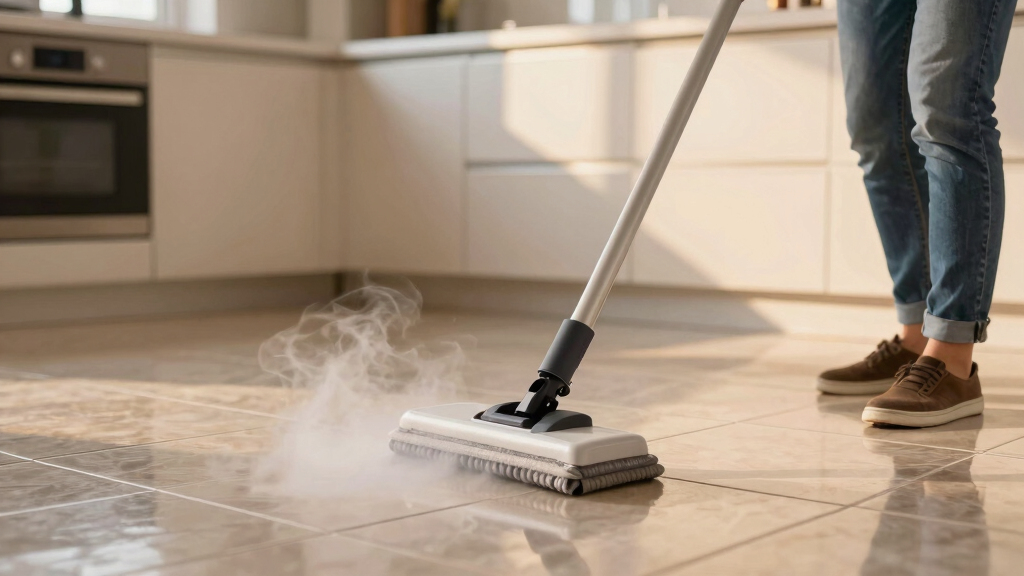
Picture this: you’ve just put in new peel-and-stick vinyl tiles, and they look perfect. Then someone suggests using a steam mop for quick cleaning. That’s when a quiet alarm should go off in your head. Steam mops seem like magic—quick, sanitize, and spotless. But when it comes to vinyl tiles, they can be the sneaky enemy.
This guide will show you why steam mopping can cause serious damage to peel-and-stick vinyl floors, and what you should do instead. If you want your floors to stay vibrant, smooth, and durable, read on. It’s about protecting your investment and keeping your home safe, one gentle wipe at a time.
Most peel-and-stick vinyl tiles are not designed to withstand steam cleaning, and doing so risks lifting, warping, or discoloring them.
Always check your manufacturer’s guidelines before using any steam cleaning device on vinyl floors.
Use a damp microfiber mop with a mild, pH-neutral cleaner for safe, effective cleaning that prolongs your vinyl’s life.
Test a small, hidden area if you believe your vinyl might be steam-resistant—don’t assume, verify first.
If tiles lift or warp, stop steam cleaning immediately and consult a professional for repair or replacement.
Steam Mopping Peel-and-Stick Vinyl Tiles: Don’t Make This Mistake
Steam feels fast, clean, and satisfying, but peel-and-stick vinyl depends on a pressure-sensitive adhesive that dislikes heat and trapped moisture. One aggressive cleaning session can start the quiet chain reaction: softened glue, curled edges, bubbles, warping, and replacement costs.
Skip the steam. Use a damp microfiber mop, mild pH-neutral cleaner, and minimal water to keep tiles flat, bonded, and fresh.
Why These Tiles Are Sensitive
Peel-and-stick vinyl is durable for daily living, but its installation depends on a sticky backing. Steam attacks the weak point beneath the visible surface.
PVC Face
The visible vinyl layer handles normal foot traffic and damp cleaning, but rapid heat can encourage expansion, dulling, warping, or discoloration.
Adhesive Back
High heat softens the glue that keeps tiles anchored. Once that bond weakens, edges can curl and seams can open.
Subfloor Contact
Steam-driven moisture can settle under tile edges, creating bubbles, uneven spots, and potential mildew concerns.
The Damage Chain
What looks like a cleaner floor can become a hidden failure path. The problem is not only steam on top; it is steam moving into seams and softening what holds the floor down.
Heat Hits
Steam mop output can reach temperatures that adhesives were never designed to tolerate.
Moisture Seeps
Vapor enters seams, edges, and tiny gaps, especially on older or imperfectly sealed tiles.
Glue Softens
The backing loses grip, creating lifted corners, bubbles, or loose patches underfoot.
Surface Warps
The vinyl can expand, contract, curl, or discolor, often leaving replacement as the only clean fix.
Cleaner Showdown
The best method is not the most forceful one. Peel-and-stick vinyl rewards low moisture, low heat, and patient routine care.
| Method | Adhesive Risk | Surface Risk | Manufacturer Fit | Best Use |
|---|---|---|---|---|
| Damp microfiber mop | ✓ Low | ✓ Low | ✓ Usually recommended | Weekly maintenance with mild cleaner. |
| Steam mop | ✗ High | ✗ High | ✗ Usually warned against | Avoid unless manufacturer explicitly approves. |
| Soaking wet mop | ✗ High | ~ Medium | ✗ Poor fit | Avoid standing water and over-saturation. |
| Harsh chemical cleaner | ~ Medium | ✗ High | ✗ Often discouraged | Avoid bleach, ammonia, abrasive powders, and solvents. |
| Hidden corner steam test | ~ Controlled | ~ Controlled | ~ Only if approved | Use low heat, minimal exposure, and inspect after 24 hours. |
The Safer Cleaning Formula
Use just enough moisture to lift dirt, not enough to challenge the tile backing. Gentle cleaning protects both appearance and bond strength.
Heat Threshold
Steam can push cleaning temperatures into the danger zone for adhesive-backed floors.
Loose grit scratches. Excess water seeps. A soft mop, warm water, and a small amount of pH-neutral cleaner solve most messes without stressing the floor.
Traceability: From Choice to Consequence
Use this quick chain when deciding whether a cleaning tool belongs on peel-and-stick vinyl.
Can I use a steam mop?
Most manufacturers advise against it. Heat and moisture can weaken the adhesive and cause lifting, warping, or discoloration.
What if the tile says steam-safe?
Verify the manufacturer’s care sheet, use the lowest setting if permitted, and test a hidden area before cleaning the full room.
What should I use instead?
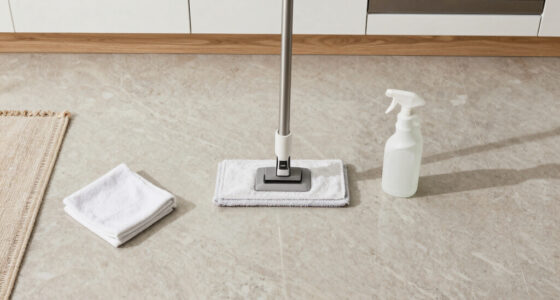
A soft microfiber mop, warm water, and a mild pH-neutral cleaner are the safest default for regular cleaning.
What if tiles already lifted?
Stop using steam or excess moisture immediately. Contact the manufacturer or a flooring professional; damaged tiles may need replacement.
What Makes Peel-and-Stick Vinyl Tiles Sensitive to Steam?
Peel-and-stick vinyl tiles are like delicate paintings—made from PVC with a sticky backing that holds them in place. They’re durable but not invincible. High heat and moisture from steam can weaken the adhesive, causing tiles to lift or warp. Think of it like melting a wax seal—once the glue softens, the tile’s grip is compromised.
For example, a homeowner in Florida used a steam mop on new vinyl tiles, only to find several edges curling within weeks. The heat and steam had penetrated the adhesive, breaking down its bond. That’s a common story when people forget that not all floors are created equal.
Understanding this vulnerability matters because it highlights the importance of choosing cleaning methods that respect the material’s limits. The adhesive used in peel-and-stick tiles isn’t designed to withstand high temperatures or excess moisture. When these elements are applied, they trigger chemical and physical changes—softening the glue and causing the tile to lose its grip. Over time, this can lead to uneven surfaces, trip hazards, and costly repairs. Recognizing these implications helps homeowners make informed decisions about cleaning routines, ultimately preserving the longevity and appearance of their floors.
As an affiliate, we earn on qualifying purchases.
The Hidden Dangers of Steam Mopping Your Vinyl Floors
Steam mops produce intense heat—often over 200°F (93°C)—and moisture that can seep into vinyl surfaces. This combination causes the adhesive underneath to soften or detach, leading to tiles lifting, warping, or discoloring. Over time, this damage can become permanent, turning a sleek floor into a patchwork of lifted tiles and dull patches.
For instance, a family in Ohio noticed their vinyl floor starting to bubble and lift after just a few months of steam cleaning. Their contractor confirmed that the heat had compromised the adhesive, and the damage was irreversible without replacing the tiles.
Delving deeper, the damage caused by steam isn’t just surface-level. The high temperature can cause the vinyl itself to expand and contract rapidly, leading to warping and cracking. Moisture trapped beneath the surface can promote mold growth and degrade the backing material, further weakening the entire floor structure. The implications are significant: what seems like a quick cleaning solution can actually accelerate the need for costly replacements, and in some cases, compromise indoor air quality if mold develops. Recognizing these hidden dangers underscores why avoiding steam mops is crucial for maintaining the integrity and safety of vinyl flooring over time.
As an affiliate, we earn on qualifying purchases.
How to Spot a Vinyl Tile That Might Be Steam-Resistant
Some newer vinyl tiles claim to be ‘steam-safe,’ but it’s rare. To avoid costly mistakes, check the manufacturer’s label or technical specifications. Look for terms like ‘water-resistant’ or ‘heat-tolerant.’ Still, even these tiles often come with caveats—meaning you should test a small, hidden area first.
For example, if you’ve bought a premium vinyl tile labeled as ‘suitable for steam cleaning,’ test a corner with a steam mop on low heat. Wait 24 hours to see if the adhesive or surface shows any signs of damage. Better safe than sorry.
It’s important to understand that claims of ‘steam resistance’ are often marketing tactics rather than guarantees. Manufacturers may use different formulations or backing materials that claim to withstand higher temperatures, but these are not universally fail-proof. The only way to truly safeguard your investment is to perform a cautious test. This involves applying minimal heat and moisture in a concealed area, then monitoring for any signs of deterioration. This process helps you avoid unintended damage, which could be costly and time-consuming to repair. Recognizing the nuances of these product claims allows homeowners to make smarter choices and extend the life of their floors.
As an affiliate, we earn on qualifying purchases.
The Best Cleaning Method for Peel-and-Stick Vinyl Floors
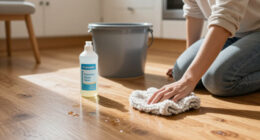
The safest way to keep vinyl tiles looking fresh? Use a damp microfiber mop or cloth with a mild, pH-neutral cleaner. Think of it as giving your floor a gentle hug—clean, but not aggressive. Avoid soaking the floor or using harsh chemicals that can degrade the adhesive.
For example, a resident in California swears by a simple routine: sweep first, then damp-mop with warm water and a tiny drop of dish soap. No scrubbing, no steam. Their vinyl still looks brand new after two years.
Choosing gentle cleaning methods is crucial because they minimize the risk of damaging the adhesive or the surface layer. Harsh chemicals or excessive moisture can weaken the glue bond or cause the surface to discolor or warp. Gentle cleaning preserves the floor’s structural integrity, preventing issues like lifting, bubbling, or surface scratches. This approach doesn’t just keep your floors looking good; it extends their functional lifespan, saving you money and hassle in the long run. The tradeoff is clear: patience and gentle care today mean fewer repairs tomorrow, making it a smarter, safer cleaning strategy.
floor cleaning tools for vinyl tiles
As an affiliate, we earn on qualifying purchases.
As an affiliate, we earn on qualifying purchases.
Frequently Asked Questions
Can I use a steam mop on peel-and-stick vinyl tiles?
Most manufacturers advise against it. The high heat and moisture from steam can weaken the adhesive, causing tiles to lift or warp. Always check your product’s guidelines before attempting steam cleaning.
What is the safest way to clean vinyl tiles?
Use a soft mop or cloth dampened with warm water and a mild, pH-neutral cleaner. Avoid soaking the floor or using harsh chemicals. Regular sweeping helps keep debris off and prevents scratches.
Are there vinyl tiles that can handle steam cleaning?
Some newer products claim to be ‘steam-safe,’ but verify with the manufacturer first. Even then, a quick test on a hidden corner is wise to prevent surprises.
What should I do if my vinyl tiles lift or warp after cleaning?
Stop using heat or steam immediately. Contact the manufacturer or a flooring professional. Often, damaged tiles need replacing; trying to fix them yourself might worsen the problem.
How often should I clean my vinyl tiles?
Regularly sweep or vacuum to remove dirt, then damp-mop weekly with a gentle cleaner. This routine keeps your floors looking good without risking damage from excessive moisture or heat.
Conclusion
Steam mopping peel-and-stick vinyl tiles is a tempting shortcut, but it often leads to costly damage. Keep your floors looking fresh with gentle, consistent cleaning methods, and always verify manufacturer guidance.
Imagine your floor as a canvas—careful cleaning preserves its vibrant design and sturdy adhesive. The secret? Treat your vinyl like a delicate treasure, not a surface that can handle high heat and excess moisture.
Halloween Picks
halloween
As an affiliate, we earn on qualifying purchases.