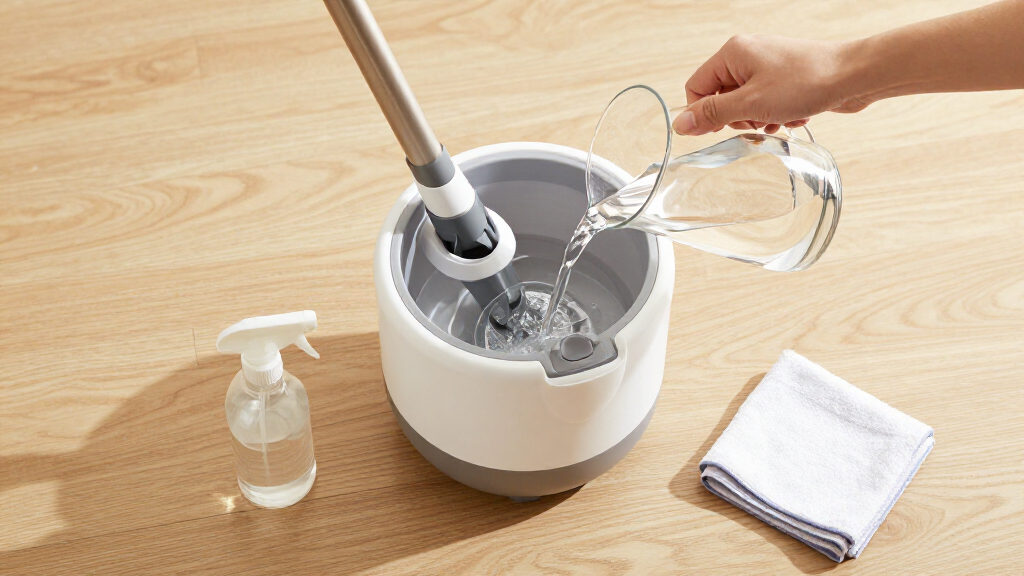

TL;DR
Refilling a steam mop mid-clean is safe if you understand your model’s design. For boiler models, turn off and cool down first. For continuous-fill types, you can top up instantly. Always use recommended water types and follow manufacturer instructions.
Mid-clean refills can seem tricky — but they don’t have to be. The biggest risk? Opening a hot, pressurized tank and getting splashed with boiling water or steam. Understanding your model’s design makes all the difference. Whether you’re in the middle of a deep clean or just noticed the water’s running low, knowing how and when to refill keeps your floors safe and your cleaning efficient.
In this guide, you’ll learn the key differences between boiler and continuous-fill steam mops, the safest refill techniques, and how to avoid common mistakes. Let’s make refilling quick, safe, and hassle-free so you can get back to sparkling floors.
Always identify if your steam mop has a boiler or continuous-fill tank before refilling.
Turn off and cool down boiler models for at least 10–15 minutes before opening.
Use distilled or demineralized water to prevent mineral build-up.
Never add cleaning chemicals, vinegar, or oils unless the manufacturer says it’s safe.
Continuous-fill models let you refill instantly, saving time during cleaning.
How to Refill a Steam Mop Mid-Clean
The biggest risk isn’t running out of water — it’s opening a hot, pressurized tank and getting splashed with boiling water or steam. Know your mop’s design first, and refilling becomes quick, safe, and hassle-free.
Two Tank Designs, Two Very Different Answers
“Can I just add more water?” depends entirely on whether your mop pressurizes its tank. Check your manual or model number before grabbing the water bottle.
Hot Soup With a Lid
The tank itself is pressurized. Opening it hot releases scalding steam and spitting water — cool-down is mandatory.
- Cannot refill during use
- Needs 10–15 min cool-down
- Cap resists when hot — never force it
Refill Like a Water Bottle
An unpressurized reservoir feeds a separate hot boiler — the boiler stays hot while you top up in seconds.
- Refill while on, or briefly paused
- Zero cool-down required
- Detachable tanks carry straight to the sink
steam mop refill kit
As an affiliate, we earn on qualifying purchases.
As an affiliate, we earn on qualifying purchases.
Refilling a Pressurized Tank, Step by Step
Patience here prevents scalds, tank rupture, and costly repairs. Rushing saves minutes and risks the machine — and you.
Turn Off & Unplug
Hot water and live steam are a burn hazard. Kill the power first.
Wait 10–15 Minutes
Let the tank cool and release pressure naturally.
Loosen Cap Slowly
Use a cloth to guard against spray. Never force a resistant cap.
Fill With Distilled Water
Add slowly, stay under the max line, avoid splashing.
Seal & Reheat
Seat the cap tightly, plug in, and resume once steam returns.
Improper refilling doesn’t just risk burns — pressure buildup can rupture or leak the tank, damaging the mop and shortening its lifespan. The wait is the warranty.
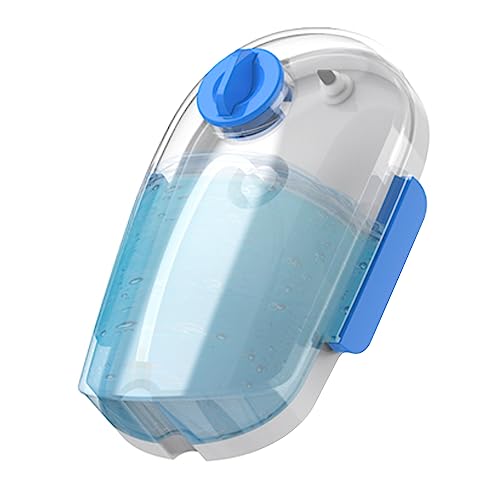
Removable Water Tank 15.2oz 450ml for Neugo NE033 NE033M Series Steam Mop Handheld Steamer Cleaner for Whole Home Cleaning Use
Removable Water Tank 15.2 oz / 450 ml for Neugo NE033 NE033M Series Steam Mop Handheld Steamer Cleaner…
As an affiliate, we earn on qualifying purchases.
As an affiliate, we earn on qualifying purchases.
Back to Cleaning in Under a Minute
Designed for mid-clean refills — but proper sealing and correct water levels still matter for performance.
Pause the Steam
Turn steam off; unplug only if your manual requires it.
Open or Detach the Tank
Flip-top or removable reservoir — carry it to the sink.
Fill to the Max Line
Don’t overfill — excess water causes sputtering and puddles.
Reseal & Resume
Check the seal is tight, then continue cleaning immediately.
continuous fill steam mop accessories
As an affiliate, we earn on qualifying purchases.
As an affiliate, we earn on qualifying purchases.
What One Fill Actually Buys You
Steam settings drain the tank at very different rates — and top-ups before empty protect the heating element.
Practical tip: high steam drains the tank fastest. Use a lower setting for maintenance cleaning to extend runtime and cut refills. Sputtering steam or an indicator light is your low-water cue — top up before the tank runs fully dry.
steam mop safety gloves
As an affiliate, we earn on qualifying purchases.
As an affiliate, we earn on qualifying purchases.
Refill Rules by Mop Type
| Model Type | Refill During Use? | Cooling Needed? | Water Type | Ease of Refill |
|---|---|---|---|---|
| Boiler (older Bissell) | ✗ No | ~ Yes, 10–15 min | Distilled | Slow — unplug & wait |
| Continuous-fill (Shark Genius) | ✓ Yes | ✓ None | Tap often OK — check manual | Instant top-up |
| Canister continuous-fill (McCulloch, Dupray) | ✓ Yes | ✓ Zero cool-down | Distilled preferred | Reservoir fills anytime |
| Steam-vac hybrid (CrossWave-style) | ~ Part of normal use | ✓ None | Per manufacturer + formula | Separate clean/dirty tanks |
| Anti-scale cartridge models (Vax, Kärcher) | ~ Varies by unit | ~ Check manual | Tap OK — cartridge softens it | Easy, cartridge reduces scaling |
Common Mid-Clean Refill Mistakes
Most refill damage comes from three habits — each one is easy to fix.
Opening a Hot Boiler Cap
Sudden pressure release spits boiling water and steam — the top cause of refill burns.
Overfilling Past the Max Line
Excess water causes puddles, sputtering, watery floors, and weaker steam.
Ignoring Low-Water Cues
Running dry strains the heating element and shortens the unit’s life.
Water Type Matters More Than You Think
Hard tap water deposits minerals in the boiler and nozzles — clogs and weak steam follow. The right water is cheap insurance for your device.
Do
Small habits that extend your mop’s lifespan.
- Use distilled or demineralized water
- Follow your brand’s manual — Shark may allow tap, Bissell may not
- Top up before the tank runs fully dry
- Replace anti-scale cartridges on schedule
Don’t
Additives that corrode seals and void warranties.
- Never add cleaning chemicals or detergents
- No vinegar unless the manual explicitly approves it
- No fragrances or essential oils
- Don’t assume tap water is fine for every brand
From Low-Water Signal to Safe Refill
The takeaway: refilling mid-clean is safe when you match the technique to the design. Boiler models demand patience; continuous-fill models reward momentum. Either way, distilled water and a firm seal keep your floors — and your mop — in top shape.
Know Your Steam Mop’s Design — It’s the Key to Safe Refilling
Before grabbing that water bottle, identify whether your steam mop has a pressurized boiler or a continuous-fill tank. This info is your safety and efficiency map. Pressurized boilers, like older Bissell PowerFresh models, need cool-down time before refilling—think of them as hot soup that can spill if you open it too soon. Continuous-fill models, like newer Shark Genius or McCulloch units, let you top up without waiting, almost like refilling a water bottle at a stream.
Checking your manual or model number online can save you from dangerous mistakes. Most brands now clearly specify if you can refill mid-clean or if you must wait.
Understanding these differences is crucial because each design impacts how quickly and safely you can replenish water during cleaning. For example, attempting to refill a boiler model while hot can cause pressure to escape suddenly, risking burns or damage. Conversely, knowing that your continuous-fill system allows for quick top-ups enables you to maintain cleaning momentum without unnecessary delays. Recognizing these distinctions allows you to weigh the convenience against safety, making smarter choices during your cleaning routine.
How to Safely Refill a Boiler-Type Steam Mop During Cleaning
- Turn off and unplug the unit. Safety first — hot water and steam can cause serious burns.
- Wait at least 10–15 minutes. This gives the tank time to cool down and release pressure naturally.
- Carefully loosen the cap. Use a cloth if needed to avoid spray or spitting.
- Slowly add distilled or demineralized water to avoid splashing or overfilling. Never force the cap if it resists.
- Secure the cap tightly. Double-check it’s seated properly before plugging in again.
- Resume cleaning once the unit re-heats, which typically takes a few minutes.
This method prevents scalds and tank rupture. It’s not just about avoiding burns; improper refilling can also lead to pressure buildup, which might cause the tank to rupture or leak, damaging your mop and creating safety hazards. The tradeoff here is between the inconvenience of waiting and the risk of damage or injury—waiting ensures safety and prolongs your device’s lifespan. Rushing the process might save time momentarily but can lead to costly repairs or safety incidents. Therefore, patience during this step is essential to maintain both safety and device integrity.
Refilling a Continuous-Fill or Refillable Model in Seconds
With models designed for instant top-up, refilling mid-clean is straightforward. Simply turn off the steam, unplug if necessary, and open the water reservoir or detach the tank. Fill with clean water up to the indicated level. Many units, like the McCulloch or Vapamore, allow you to do this with the unit still on or after a quick pause.
Don’t overfill — excess water can cause sputtering or puddles. Check that the tank is resealed tightly before resuming. This quick process keeps your cleaning routine smooth and uninterrupted.
The ability to refill instantly is a significant advantage because it minimizes downtime and allows you to respond quickly to low water levels without disrupting your cleaning flow. However, it’s important to understand that this convenience depends on the design — attempting to refill a continuous-fill model improperly can cause leaks or reduce efficiency. Adequate sealing and correct water levels are essential to maintain optimal performance. Recognizing the tradeoff, this feature offers a balance between convenience and the need for proper handling, ensuring you don’t compromise safety or function for quickness.
Water Types and Why They Matter
Most manufacturers recommend using distilled or demineralized water. Hard tap water can leave mineral deposits in the boiler and nozzles, causing blockages or reduced steam. For example, using tap water in a Shark model might be acceptable, but in a Bissell, it could shorten the lifespan.
Always check your manual. Never add cleaning chemicals, vinegar, or oils unless explicitly approved. These can corrode seals or damage internal parts, turning your cleaning tool into a costly mistake.
The type of water you choose directly affects your device’s longevity and performance. Hard water contains minerals that deposit inside the heating elements and nozzles, leading to clogs and reduced steam output over time. Using distilled water minimizes these risks, ensuring consistent steam quality and preventing costly repairs. The tradeoff is that distilled water can be more expensive or less convenient, but it’s a small price for prolonging your device’s lifespan and maintaining cleaning efficiency. Also, adding unapproved chemicals can cause internal corrosion or clogging, which might void warranties and compromise safety—so always follow manufacturer guidance here.
Common Mistakes When Refill Mid-Clean (and How to Avoid Them)
Overfilling is the top culprit. Too much water can cause puddles and sputtering. Not waiting for cool-down on boiler models is dangerous. Rushing to refill without checking your model’s instructions risks leaks or damage.
Also, ignoring signs of low water—like sputtering or no steam—can strain the unit. Always listen for these cues and top up accordingly. Testing a small amount in a hidden corner first helps prevent spills or damage.
Understanding these mistakes and their implications helps you maintain your device’s performance and safety. For instance, overfilling can cause water to leak onto floors or damage internal components, leading to costly repairs. Rushing to refill a hot boiler risks sudden pressure release, which can cause burns or damage. Ignoring low-water cues may result in inefficient cleaning or strain on the device, reducing its lifespan. Recognizing these issues and taking corrective actions—like stopping to cool or carefully checking water levels—are essential for safe, effective cleaning. The tradeoff is between quick fixes and long-term device health; prioritizing safety and proper handling ensures your investment lasts longer and performs better.
Quick Comparison: Refill Tips for Different Types of Steam Mops
| Model Type | Refill During Use? | Cooling Needed? | Water Type | Ease of Refill |
|---|---|---|---|---|
| Boiler (e.g., older Bissell) | No | Yes, wait 10–15 min | Distilled recommended | Moderate — turn off, cool, then refill |
| Continuous-fill (e.g., Shark Genius) | Yes | No — can refill instantaneously | Tap water often acceptable | Easy — just open and top up |
| Hybrid or steam/vacuum combos | Varies | Depends on design | Check manual | Varies — follow specific instructions |
Understanding these differences helps you decide the best approach for your specific model. Recognizing the safety implications and operational tradeoffs allows you to optimize your cleaning routine while minimizing risks. For example, choosing a continuous-fill model can significantly reduce downtime, but requires careful handling to prevent leaks. Conversely, boiler models, while more cumbersome to refill, often provide more consistent steam quality once properly cooled and refilled. The key is to balance convenience with safety and device longevity based on your cleaning needs.
Avoid Mid-Clean Refill? Yes, Sometimes. Here’s Why
If possible, plan your water fill before starting. Fully fill the tank and use lower steam settings for longer cleaning stretches. This reduces the need to stop mid-clean and minimizes risks.
For quick touch-ups, refilling can be a lifesaver, but always follow safety steps. Remember, rushing or ignoring safety can lead to damage or injury. Sometimes, a quick zone-by-zone approach is better than trying to squeeze in a refill mid-stream.
Strategic planning of your cleaning session can greatly reduce the need for risky mid-clean refills. By filling the tank fully at the start and managing steam settings wisely, you minimize safety hazards and prevent damage to your device. This approach might mean slightly longer initial setup time but pays off by ensuring smoother, safer cleaning with fewer interruptions. Weighing the convenience of quick refills against the potential risks emphasizes why thoughtful planning is essential—sometimes, patience and preparation outweigh the desire for immediate results.
Frequently Asked Questions
Can I refill my steam mop while it’s still hot?
No, not if your model has a pressurized boiler. Always turn off, unplug, and wait 10–15 minutes for it to cool before opening or refilling.
How do I know when to refill during cleaning?
Listen for sputtering, no steam, or check the water indicator if your model has one. These signals mean it’s time to top up.
Can I use tap water or should I stick with distilled?
Most manufacturers recommend distilled or demineralized water to prevent mineral buildup, especially in hard-water areas. Check your manual for specific guidance.
Is it safe to add cleaning chemicals or essential oils?
Only if your manual explicitly says so. Commonly, adding chemicals or oils can damage seals, clog nozzles, and void warranties.
Will refilling mid-clean affect cleaning performance?
If done correctly, no. Continuous-fill models maintain performance. Boiler models need proper cool-down and careful refilling to avoid issues.
Conclusion
Refilling your steam mop mid-clean doesn’t have to be a hassle or safety risk. Knowing your model’s design, following proper steps, and using the right water keeps your floors shining without damage or danger. With a little prep, you can pause, top up, and get back to a spotless home in seconds.
Next time you’re in the middle of cleaning and see the water level dip, remember: safety and technique are your best tools. Keep these tips in mind, and your floors—and your hands—will thank you.