
TL;DR

Get cleaning gear delivered free with Prime
- Fast, free delivery on millions of items
- Prime Video, Amazon Music and more included
- Member-only deals all year
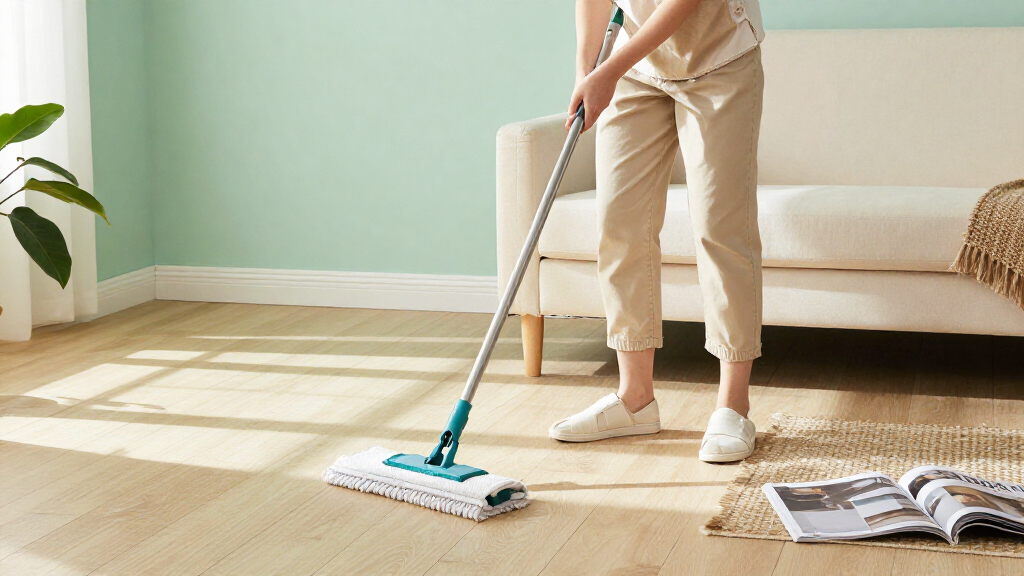
Livingetc’s Style Pulse report for spring/summer 2027 identifies mint green as an emerging interior design color, following its appearance in recent fashion collections and at Milan Design Week. Designers quoted by the publication recommend using it as a measured accent and pairing it with warmer or deeper shades; the report is a trend forecast, not evidence of widespread adoption.
Livingetc has identified mint green as an emerging color for interiors in its Style Pulse report for spring/summer 2027, citing designers’ use of the shade in furnishings and room schemes. The forecast points to a move beyond the olives and sages currently prominent in the publication’s account, but it does not establish how widely homeowners or the design industry will adopt mint.
The report describes mint as an “oxygenated green” that combines associations with nature and digital culture. Color expert Amy Moorea Wong, quoted by Livingetc, links its futuristic quality to mid-century space-age design as well as contemporary screens and apps. She says its pale, bright character can add energy without the intensity of a fluorescent color.
Livingetc editor Hugh Metcalf said he had seen the shade repeatedly at Milan Design Week, describing it as disruptive enough to animate a room while remaining softer than an acidic green. The report also points to recent runway appearances: mint features in Fendi’s Spring/Summer 2026 collection, Chanel designs from Matthieu Blazy’s first drop for the house, and Loewe’s 2027 spring ready-to-wear show. Those fashion examples provide context for the forecast, rather than proof that the color is already widespread in homes.
Interior designers quoted in the report describe ways to use the hue. Samantha Hauvette of Paris-based Hauvette & Madani says mint can serve as a deliberate burst of color alongside turquoise. Chicago designer Jennifer Sucher describes grounding mint with earth tones or deeper muted colors; in one family room, she paired it with burgundy. The article also recommends trying the shade in small doses, such as a lamp, or using it on larger surfaces where the surrounding palette provides balance.
A Brighter Alternative to Sage
The forecast offers readers a specific color to watch when planning paint, furnishings, or accessories for the coming season. Mint’s appeal, as presented by the designers, is that it can make a scheme feel fresh without requiring a room to be built around a highly saturated color. An accent chair, lamp, or ceiling can introduce the shade while leaving existing finishes in place.
The advice also signals that the proposed trend is not simply about choosing a particular green. The designers emphasize how mint is balanced: burgundy, terracotta, pink, rust, and earth tones can temper its brightness or make it read as part of a considered palette. For homeowners, that distinction matters because a color forecast is inspiration, not a requirement to repaint or replace furnishings.
Products Worth Considering

LEVOIT Vital 200S-P Smart Air Purifier for Large Rooms

Levoit Core 600S-P Smart Air Purifier for Large Rooms

Bose SoundLink Flex (2nd Gen) Portable Bluetooth Speaker
As an affiliate, we earn on qualifying purchases.
From Runway to Room Schemes
Livingetc frames mint as a change in emphasis within a broader, continuing interest in green. The report contrasts it with olive and sage, shades it characterizes as currently prominent, and treats mint as a fresher, more unexpected direction for SS27. This is the publication’s trend assessment, not a measured account of sales or consumer preferences.
The article builds its case through references across design and fashion. It cites mint at Milan Design Week and in collections by Fendi, Chanel, and Loewe, then connects those appearances to interior examples and designer comments. Color consultant Harriet Slaughter says the shade can evoke the 1930s through 1950s and suit bathrooms, kitchens, and other bright spaces. Taken together, these examples explain why Livingetc sees the color as timely; they do not establish that the trend will persist or become dominant.
““Its light-filled pastel teeters on the brink of a bright, almost neon, which makes it feel weightless, synthetic, and unearthly.””
— Amy Moorea Wong, color expert, quoted by Livingetc
How Far the Color Will Spread
The report is a seasonal trend forecast, and its examples and designer opinions do not show how many homes currently use mint or whether demand is rising. Livingetc provides no sales figures, survey results, or comparison data establishing adoption. It is also unclear whether the shade will remain associated with SS27 or continue into later seasons. The report’s claims about the color’s mood and visual effect are designers’ interpretations, not objective measures.
Watch for SS27 Design Examples
The next indications will come as spring/summer 2027 interiors are presented and more designers, brands, and retailers show their seasonal work. Readers can compare those examples with Livingetc’s forecast to see whether mint appears across products and rooms, rather than only in selected projects. The source report does not give a specific next announcement, sales milestone, or forecast update date.
Key Questions
What is the reported interior color trend for SS27?
Livingetc’s Style Pulse report identifies mint green as an emerging interior color for spring/summer 2027. It presents this as a forecast, not a confirmed industry-wide shift.
How do designers recommend using mint green?
The designers quoted by Livingetc suggest using mint as a measured accent, such as a lamp or chair, or balancing it with other colors if it appears on a larger surface.
Which colors can be paired with mint?
The report mentions earth tones, burgundy, turquoise, terracotta, rust, rosy pink, and cherry as possible partners. The right choice depends on the room and the effect a designer wants.
Is mint green already a proven widespread home trend?
No. The source offers a trend prediction supported by design examples and expert comments, but it gives no adoption or sales data showing how widespread mint is in homes.
Source: livingetc.com