TL;DR

Get cleaning gear delivered free — and shop member deals
- Fast, free delivery on millions of items
- Access to Prime Big Deal Days deals on October 6–7
- Prime Video, Amazon Music and more included
Steam mops with a glider can refresh low-pile carpets, reduce allergens, and sanitize surfaces. Proper technique and careful testing are key to avoiding damage. Always follow manufacturer guidance.
Imagine a quick way to breathe new life into your carpets—without harsh chemicals or expensive professional cleaning. Using a steam mop with a glider attachment offers a simple, chemical-free refresh. But it’s not just about turning on the device; it’s about knowing how to do it safely and effectively, protecting your investment and your home’s health.
In this guide, you’ll discover the secret to cleaning your carpets with steam—a method that’s gentle, sustainable, and surprisingly effective. We’ll walk through what equipment works best, how to prepare, and the best techniques to avoid damage. Ready to turn your steam mop into a carpet-cleaning ally? Let’s dive in.
Use a steam mop with a glider only on low-pile or Berber carpets to avoid damage.
Always test a small hidden area first and wait 24 hours to check for adverse effects.
Set steam levels low to medium; avoid holding the mop in one spot to prevent over-saturation.
Allow plenty of time for drying, with good ventilation, to prevent mold or fiber damage.
Regular vacuuming before steaming improves results and prolongs carpet life.
What Exactly Is a Steam Mop with a Glider? And Why Use It on Carpet?
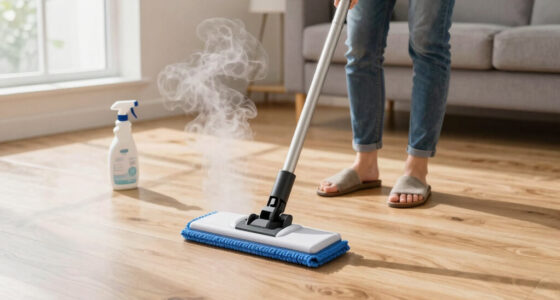
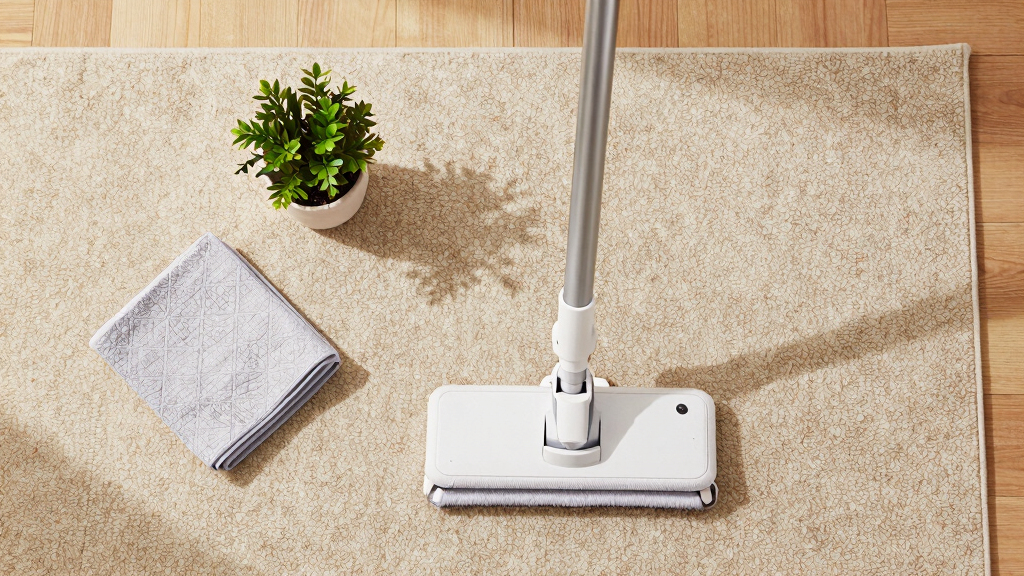
A steam mop with a glider is a household tool designed primarily for hard floors but adaptable for light carpet refreshment. The glider is a specially designed pad or attachment that helps the steam mop glide smoothly over carpet fibers. Think of it as a gentle brush that helps distribute steam evenly without soaking your carpet.
This combination is popular because it offers a quick, chemical-free way to reduce dust, allergens, and bacteria lurking in your carpet fibers. But it’s essential to match the right carpet type and use proper technique to avoid damage.
As an affiliate, we earn on qualifying purchases.
Which Carpets Are Safe for a Steam Mop with a Glider? Spot the Winners and Losers
Not every carpet loves the steam mop treatment. Low-pile and Berber carpets tend to be safe bets. Their short fibers and firm structure handle moisture better, making them more resistant to potential damage from light steam. Think of them as the sturdy, resilient types that can handle a gentle refresh without losing their shape or texture.
However, this doesn’t mean all low-pile carpets are automatically safe. The construction materials, backing, and existing condition can influence how well they tolerate steam. Conversely, high-pile, shaggy, or plush carpets trap moisture within their deep fibers, increasing the risk of mold growth, fiber matting, or fiber degradation. These carpets are more delicate; the moisture can linger longer and cause irreversible damage if not carefully managed.
Always check your carpet’s care label or consult the manufacturer to understand its compatibility with steam. When in doubt, testing a small, inconspicuous area first provides insight into how your specific carpet responds, allowing you to weigh the benefits against potential risks.
low-pile carpet steam cleaning attachment
As an affiliate, we earn on qualifying purchases.
As an affiliate, we earn on qualifying purchases.
Step-by-Step: How to Safely Use Your Steam Mop on Carpet with a Glider
- Vacuum thoroughly. Removing loose dirt and debris is crucial because any residual grit can scratch fibers or embed dirt deeper when combined with moisture. Think of it as preparing a clean canvas—failure to do so can lead to dirt being pressed into fibers or causing abrasion during steaming.
- Attach the glider pad securely. Ensure it’s clean, free of lint or debris, and in good condition. A worn or dirty pad can snag fibers or unevenly distribute steam, leading to patchy results or damage.
- Fill the steam mop with distilled or filtered water. Tap water contains minerals that can accumulate inside the device, reducing its efficiency and possibly leaving mineral deposits on your carpet, which can cause staining or fiber degradation over time.
- Set the steam level to low or medium—according to your carpet type and manufacturer instructions. Higher settings increase moisture and heat, which might be effective for some but risky for delicate fibers. Using the right setting balances cleaning effectiveness with safety.
- Begin with slow, deliberate passes. Keep the mop moving steadily—holding it in one spot can lead to over-saturation, fiber swelling, or even mold if the moisture lingers. Moving continuously helps distribute heat and moisture evenly.
- Focus on small sections, overlapping each pass slightly to ensure even coverage. This prevents streaks or missed spots, which can leave uneven cleaning results or moisture pockets.
- Let the carpet dry completely—this might take several hours. Adequate ventilation with fans or open windows accelerates drying, reducing the risk of mold growth or fiber damage caused by residual moisture. Patience here preserves your carpet’s integrity.
Imagine walking on a fresh, clean cloud—careful, gentle passes will give you that feeling without risking damage. Taking your time and respecting the drying process ensures the longevity of your carpet and the safety of your home environment.
As an affiliate, we earn on qualifying purchases.
Adjusting Steam Settings and Glider Tips for Best Results
Modern steam mops often have adjustable steam controls—use them! For carpets, stick to the lowest setting unless your manufacturer explicitly states otherwise. Excessive steam can saturate fibers, leading to issues like mold, fiber weakening, or texture distortion. Understanding the tradeoff is key: too much steam may temporarily clean but can cause long-term damage.
Choose a microfiber or absorbent glider if available. These pads help lift dirt and moisture gently, acting like a soft sponge that absorbs excess water rather than spreading it. When gliding, keep the pressure light—think of gently petting your carpet, not pressing down hard. Excessive pressure can push moisture deeper into fibers or cause fiber matting.
Test first on a small patch. If the fibers feel damp or sticky afterward, reduce steam or stop immediately. Remember: the goal is to refresh and sanitize, not soak or damage. Proper adjustment minimizes risks, preserves carpet texture, and ensures your cleaning effort results in a clean, healthy surface.
chemical-free carpet refresh tools
As an affiliate, we earn on qualifying purchases.
As an affiliate, we earn on qualifying purchases.
Post-Cleaning: How to Dry and Care for Your Carpet After Steam
Once you’ve finished steaming, patience is key. Allow the carpet to air out for at least a few hours—preferably longer in humid conditions. Opening windows, using fans, or running a dehumidifier helps accelerate the drying process by removing excess moisture from the air and carpet fibers. Think of this as giving your carpet a mini spa day—time to rejuvenate naturally.
Walking on damp fibers can cause shifting, fiber matting, or uneven wear, so avoid foot traffic until fully dry. Regular vacuuming afterward helps lift fibers back into place, maintaining the carpet’s appearance and prolonging its life. Additionally, periodic inspection ensures no hidden moisture pockets remain.
Clean your steam mop and glider thoroughly after each use. Mineral deposits from water can clog the device, and residual dirt or fibers can transfer back onto your carpet if not removed. Proper maintenance of your equipment ensures it functions efficiently and safely for future use, preserving both your investment and your home’s cleanliness.
Latest Trends: What’s New in Steam Mops for Carpet Care?
Advancements in steam technology now offer adjustable steam levels, making it safer for delicate carpets by allowing customized moisture and heat application. Some brands have developed hybrid models that combine steam with vacuum functions, enabling simultaneous cleaning and drying—great for quick refreshes without waiting for extensive drying times.
Eco-conscious consumers are increasingly drawn to models that use filtered water or are designed to operate with minimal energy consumption. Additionally, some glider attachments are now made from antimicrobial microfiber, which not only helps clean but also actively reduces bacteria and odors, enhancing overall hygiene.
These innovations aim to balance cleaning power with safety and environmental impact, making steam cleaning more accessible and less risky for various carpet types. Understanding these trends helps consumers choose equipment that aligns with their needs, ensuring effective and safe maintenance routines.
Frequently Asked Questions
Can I use a steam mop on shaggy or plush carpets?
Not recommended. High-pile and plush carpets trap moisture easily, risking mold or fiber damage. The deep fibers hold onto moisture longer than low-pile types, making it difficult to dry thoroughly and increasing the chance of fiber degradation or mold growth. For these delicate surfaces, traditional vacuuming or professional cleaning methods are safer options, as they remove dirt without introducing excess moisture that can linger and cause long-term damage.
How often can I safely steam clean my carpet?
Most households should aim for once every 6 to 12 months. Overdoing it can lead to over-saturation, weakening fibers, or accelerated wear. Frequent steaming, especially if not carefully controlled, risks moisture buildup and fiber damage. Monitoring your carpet’s condition and response to cleaning helps determine the optimal frequency. In high-traffic areas, more frequent light treatments may be beneficial, but always ensure the carpet dries completely afterward to prevent mold or deterioration.
What’s the best way to test if my carpet can handle steam?
Choose a small, hidden corner of your carpet. Lightly apply steam at the lowest setting for a few seconds, then observe the area over the next 24 hours. Look for color changes, fiber distortion, or any odor development. If the fibers remain intact, color stays consistent, and no unpleasant smells appear, your carpet is likely suitable for regular steaming. If you notice any issues, it’s better to stick with vacuuming or seek professional advice to avoid damage.
Do I need special equipment for steaming carpets?
Use a steam mop with adjustable steam settings and a compatible glider pad designed for light carpet use. Ensure the device is suitable for the type of carpet you have, and always follow the manufacturer’s instructions. Testing on a small area first helps prevent damage. Avoid using devices that generate excessive heat or moisture without proper controls, as they can cause irreversible harm to delicate fibers or backing materials.
How long does it take for the carpet to dry after steaming?
Typically, it takes several hours—usually between 2 to 6 hours—depending on room humidity, temperature, and ventilation. In humid conditions or poorly ventilated spaces, drying may take longer. Using fans, opening windows, or running a dehumidifier accelerates the process by removing excess moisture from the air and fibers. Patience is essential; walking on damp carpets can cause fiber shifting or matting, so ensure complete dryness before resuming normal use for best results and to prevent mold growth.
Conclusion
Steam mops with a glider can be a gentle, eco-friendly way to keep your carpets fresh and allergen-free—if used with care and attention. Always choose the right carpet type and follow a careful process. With patience, you’ll enjoy a cleaner, healthier home.
Remember, a light touch and proper testing make all the difference. Your carpets will thank you—and so will your lungs.
Halloween Picks
halloween
As an affiliate, we earn on qualifying purchases.