
TL;DR

Get cleaning gear delivered free — and shop member deals
- Fast, free delivery on millions of items
- Access to Prime Big Deal Days deals on October 6–7
- Prime Video, Amazon Music and more included
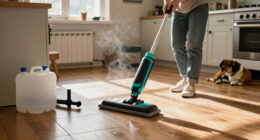
Most steam mops have tanks holding 200-400 ml of water. Fill to the recommended level, usually marked, and avoid overfilling. Using the right amount ensures effective cleaning and prevents damage.
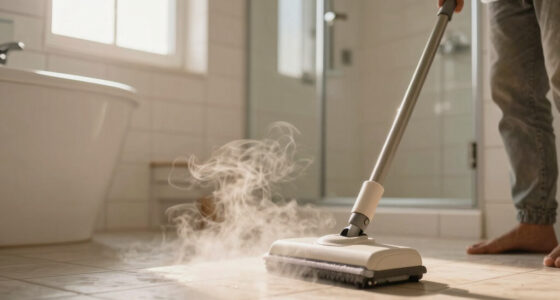
Steam mops are a quick, chemical-free way to clean floors, but getting the water level right makes all the difference. Too little water? The steam won’t be hot enough or last long enough. Too much? You risk leaks, damage, or inefficient cleaning.
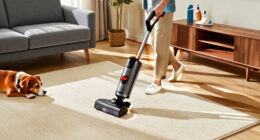
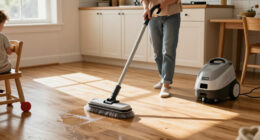
Knowing exactly how much water to put in your steam mop can seem small, but it impacts safety, effectiveness, and how long your device lasts. This guide will walk you through how to fill your steam mop properly, what recent tech changes mean, and how to avoid common pitfalls.
Always follow your specific steam mop’s filling instructions to prevent leaks or damage.
Most models use between 200-400 ml of water; plan your cleaning around this range.
Use distilled or demineralized water to cut down on mineral buildup and extend device lifespan.
Refill only when the tank is empty or nearly so, and always turn off and cool down the device first.
Modern models with larger tanks and adjustable settings can save water and time.
Follow Your Manufacturer’s Exact Water Level Instructions for Safe Best Results
The first rule? Always check your steam mop’s manual. Each model has a specific water capacity and filling line. For example, a typical handheld steam mop might have a 200 ml tank, while larger units can hold 400 ml or more.
If you overfill, water can leak or damage internal parts. Underfill? You might not get enough steam to clean effectively. Always fill to the marked maximum, and never exceed it.
Imagine filling your mop and noticing water spilling out—this is a clear sign you’ve gone too far. Keeping within the recommended range guarantees safety and performance.
As an affiliate, we earn on qualifying purchases.
How Much Water Do Most Steam Mops Actually Use? The Numbers
Most steam mops feature tanks holding between 200 ml and 400 ml. But understanding what this means in practical terms is key. For instance, a 250 ml tank might seem small, but it’s designed to deliver a specific amount of steam over a cleaning session. If you fill it beyond the maximum line, you risk leaks or damaging internal components, which can shorten your device’s lifespan. Conversely, underfilling reduces steam output, leading to poor cleaning results.
For example, if your cleaning area is around 150 square feet, a properly filled tank usually provides enough steam to cover that space without needing a refill. Knowing your tank’s capacity helps you plan your cleaning session efficiently, avoiding mid-clean interruptions or overuse that can cause wear.
Here’s a quick comparison:
| Model Type | Water Tank Capacity | Approximate Coverage per Fill |
|---|---|---|
| Compact handheld | 200 ml | 100-150 sq ft |
| Standard upright | 250-300 ml | 200-300 sq ft |
| Heavy-duty | 400 ml+ | 350-500+ sq ft |
Understanding these numbers helps you optimize your cleaning process—filling the tank just right ensures you get maximum steam power without risking leaks or damage. Overfilling can cause internal issues or messes, while underfilling results in inconsistent steam and less effective cleaning. Balancing these factors extends your device’s lifespan and improves cleaning efficiency.
As an affiliate, we earn on qualifying purchases.
Use the Right Water: Why Distilled Matters More Than You Think
Using plain tap water might seem convenient, but it can cause mineral deposits inside your mop over time. These deposits—white, chalky buildup—clog the steam vents and reduce efficiency. Over the long term, this buildup can lead to costly repairs or even the need to replace your device sooner than expected.
Switching to distilled or demineralized water dramatically cuts down on mineral buildup—by up to 90%, according to some experts. This reduction in mineral deposits means your steam mop maintains optimal performance longer, with fewer interruptions for cleaning or maintenance. Additionally, it minimizes the need for frequent descaling, saving you time and money.
For example, if you live in an area with hard water, using distilled water isn’t just a minor tip—it’s a crucial step to prolong your device’s lifespan and ensure consistent cleaning power. The tradeoff is minimal: distilled water may cost a bit more but offers significant long-term benefits.
best steam mop for hardwood floors
As an affiliate, we earn on qualifying purchases.
As an affiliate, we earn on qualifying purchases.
Refilling Your Steam Mop: Keep It Simple and Safe
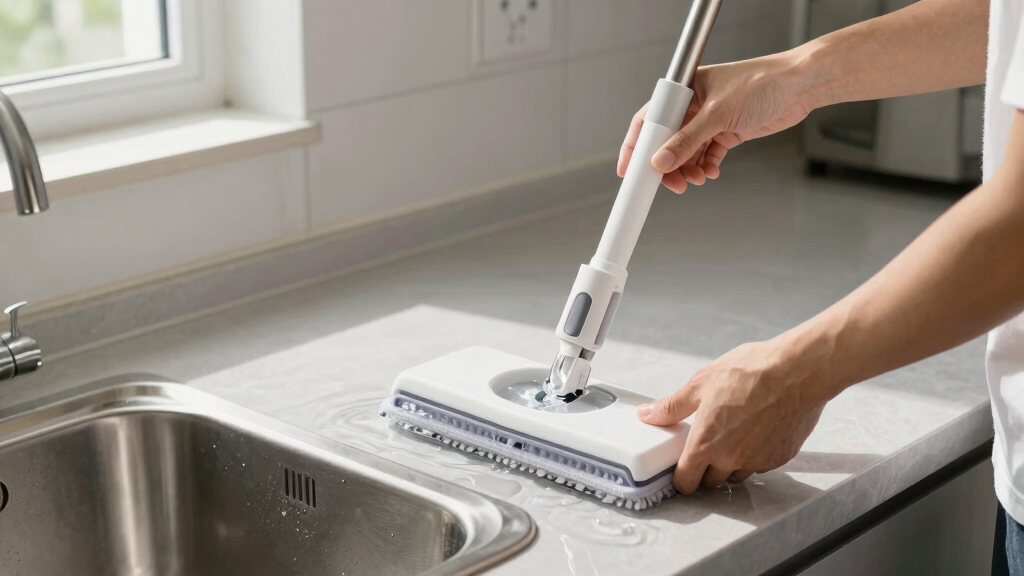
Refilling your steam mop during cleaning is straightforward but requires caution. Always turn off and unplug the device first. Wait until it cools down—hot steam and water can cause burns or other injuries.
Remove the water tank carefully, and add water up to the designated fill line. Avoid overfilling, which can cause leaks, damage internal components, or trigger safety shut-offs. Regularly inspect the tank for mineral buildup or mold, which can hinder performance or cause odors. Cleaning with vinegar or a mild cleaner helps maintain hygiene and functionality.
For example, if you’re cleaning a large kitchen floor, plan to refill once you’ve used about half the tank. Monitoring the water level during use prevents running out mid-clean and ensures consistent steam power throughout your session.
steam mop with adjustable water level
As an affiliate, we earn on qualifying purchases.
As an affiliate, we earn on qualifying purchases.
What Happens If You Overfill or Underfill? The Risks and Rewards
Overfilling your steam mop can cause water to leak out of the vents, risking damage to internal electrical components and posing safety hazards such as electrical shorts or shocks. It can also trigger safety shut-offs designed to prevent damage, which interrupts your cleaning process. Additionally, excess water can seep into sensitive internal parts, leading to corrosion or malfunction over time. This not only shortens the lifespan of your device but also increases the likelihood of costly repairs.
Underfilling? You won’t get enough steam to loosen dirt effectively, leading to poor cleaning results. The steam may be weak, inconsistent, or insufficient for deep cleaning tasks. This can result in needing to go over the same area multiple times, wasting time and energy. Moreover, inadequate water levels can cause the device to overheat or shut off prematurely, as many models have safety features to prevent damage from running dry.
For instance, filling a 250 ml tank to 300 ml might cause spillage and mess, while filling only 150 ml might leave you wanting more steam halfway through your cleaning. The key is to always fill to the marked maximum line. Doing so balances safety, performance, and efficiency, ensuring you get the best results without risking damage or inconvenience.
Latest Tech Changes That Help You Use Less Water and Still Get Great Results
Modern steam mops now feature larger tanks—up to 400 ml or more—meaning fewer refills and less interruption during cleaning. They also include adjustable steam settings, so you can tailor the water output to different surfaces or cleaning needs, which conserves water without sacrificing effectiveness.
Some models have built-in filters that allow use of tap water without mineral buildup, saving you from frequent tank cleaning and descaling. Faster heating times—sometimes as quick as 30 seconds—mean you can start cleaning almost immediately, using less water overall and increasing efficiency. These technological advances make steam cleaning more sustainable, cost-effective, and user-friendly.
Imagine a mop that heats up in half a minute and automatically adjusts steam output based on the surface—this is the future of smarter, more efficient cleaning, helping you save water while achieving superior results.
Frequently Asked Questions
Can I use tap water in my steam mop?
It depends on your model. Many modern steam mops can handle tap water, but using distilled or demineralized water is safer. It prevents mineral buildup, which can clog vents and reduce steam power over time.
How often should I refill the water tank?
Refill when the water level drops to the minimum mark or before starting a new cleaning session. Monitoring the water level during use helps avoid running out mid-clean.
Is it safe to leave water in the tank between uses?
Most manufacturers recommend emptying the tank after each use to prevent mold, bacteria growth, and mineral buildup. Always unplug and let it cool first.
What if I accidentally overfill or underfill?
Overfilling can cause leaks or damage. Underfilling results in weak steam and less effective cleaning. Always fill to the recommended maximum line for best results.
Can I add cleaning solutions or essential oils to the water?
Most manufacturers advise sticking to plain water. Adding solutions or oils can damage internal parts or clog vents, reducing cleaning power.
Conclusion
Getting the water level right in your steam mop isn’t just about safety—it’s about cleaning smarter. Fill it to the line, use the right water, and keep an eye on your tank during each session.
That simple step guarantees your floors get the best clean without risking damage or wasting water. A well-maintained steam mop makes every sweep smoother and safer—your floors and your wallet will thank you.
Halloween Picks
halloween
As an affiliate, we earn on qualifying purchases.