TL;DR
Cleaning your floors after a party requires quick action and the right methods. Remove debris first, then use surface-appropriate cleaners and gentle techniques to restore your floors safely and effectively.
Parties leave more than just memories—they leave a trail of spills, sticky residues, and scattered debris. It’s tempting to think you can just vacuum or mop and call it a day, but the real challenge is restoring your floors without causing damage or using harmful chemicals.
In this guide, you’ll learn how to assess your mess, choose the right cleaning methods, and make your floors look like new—fast. Whether you have hardwood, tile, vinyl, or laminate, each surface needs a tailored approach to get the job done right.
Always assess your floor type and mess before starting to avoid damage.
Remove large debris and spills immediately to prevent smearing or staining.
Use surface-appropriate cleaners—avoid harsh chemicals on delicate floors.
Dry floors thoroughly after cleaning to prevent mold and warping.
Implement simple preventative measures to keep future parties easier to clean.
Identify Your Floor’s Type and Mess Before Starting
The first step in cleaning after a party is knowing what kind of floor you’re dealing with and what mess you need to fix. Hardwood, tile, laminate, vinyl—each has its quirks. For example, hardwood can stain easily and needs gentle cleaning, while tile can handle more aggressive scrubbing.
Check for spilled drinks, food crumbs, or sticky residues. Take a quick walk through the room, and make a mental note of the worst spots. This helps you plan your cleaning—no wasted effort on areas that don’t need it.
For instance, if you notice a bright red wine spill on your oak hardwood, you’ll want to act fast with a damp cloth and maybe a gentle cleaner. On the other hand, a layer of crumbs on your vinyl floor? Sweeping or vacuuming might be enough before a quick mop.
Understanding your floor type and the nature of the mess is crucial because it influences the choice of cleaning agents and techniques. Using the wrong approach can lead to damage—such as warping, staining, or dulling—shortening the lifespan of your floors. Moreover, recognizing the severity of stains helps prioritize treatment; some spills require immediate, gentle action to prevent permanent damage, while minor crumbs can wait until later.
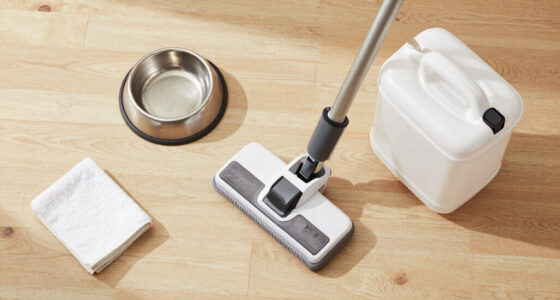
steam floor cleaner for hard floors
As an affiliate, we earn on qualifying purchases.
As an affiliate, we earn on qualifying purchases.
Clear Out Big Debris and Spills Quickly
Before you get into detailed cleaning, remove all large trash, leftover napkins, and any debris. This prevents smudging or spreading messes when you start mopping or sweeping.
If a spill is still fresh—say, a soda or juice—you want to blot it up immediately with paper towels or a clean cloth. Don’t rub; that can push the liquid further into porous surfaces or cause streaks on glossy finishes.
For example, imagine a tray of half-eaten snacks knocked over onto your laminate floor. Picking up the bigger pieces first saves you from smearing jam or crumbs when you sweep or mop later.
Removing large debris and spills promptly is vital because it reduces the risk of staining or sticky residues setting in. Quick action prevents stains from penetrating deeper into the material, which can make them much harder to remove later. It also minimizes the risk of spreading contaminants or attracting pests. This initial step ensures that subsequent cleaning efforts are more effective and less labor-intensive, ultimately saving time and preserving the integrity of your flooring.
As an affiliate, we earn on qualifying purchases.
Vacuum or Sweep to Remove Loose Dirt and Crumbs
Next, use a vacuum or a broom to clear away dirt, dust, and tiny crumbs. This step is crucial because wet cleaning over loose debris just spreads the mess around, making things worse.
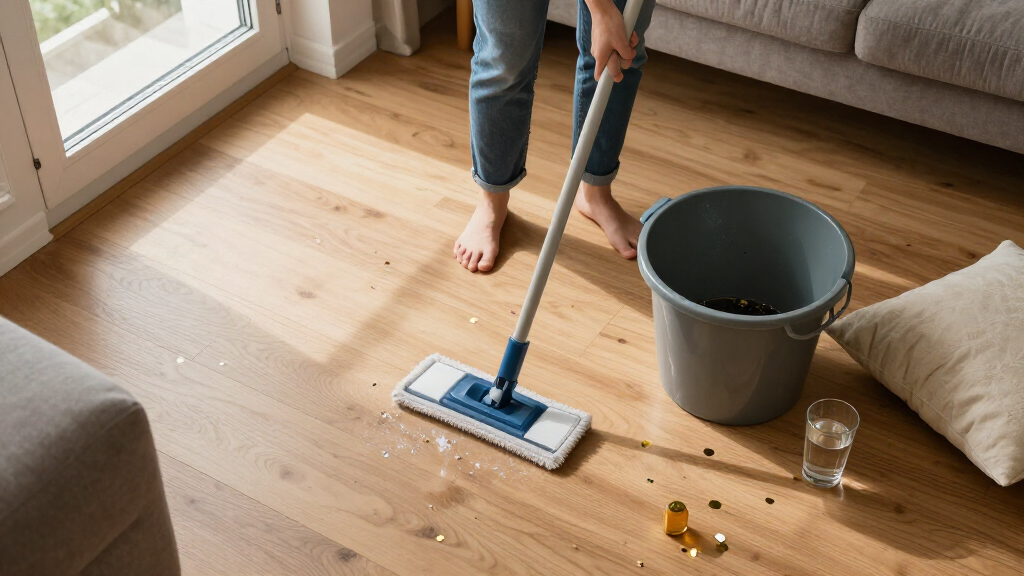
For hard surfaces, a soft-bristled broom or a vacuum with a hard-floor setting works best. For instance, imagine sweeping up glitter, confetti, or cookie crumbs—these tiny particles can hide in corners or under furniture if not thoroughly picked up.
If you’re dealing with a large, open space, a robotic vacuum can help. It’s a time-saver, especially if your floors are already cluttered post-party.
Effectively removing loose debris is essential because it prevents the spreading of dirt and grime during wet cleaning, which can lead to streaks, dullness, or scratches. Dirt particles act like abrasives when wet, causing micro-scratches that diminish the floor’s shine over time. Moreover, accumulated debris can trap moisture, encouraging mold or mildew growth on certain surfaces. By thoroughly sweeping or vacuuming, you create a clean surface that allows for more efficient and safe cleaning, ultimately extending your floors’ lifespan and maintaining their appearance.
As an affiliate, we earn on qualifying purchases.
Choose the Right Cleaning Method for Your Floor Type
Cleaning after a party is not one-size-fits-all. Hardwood, tile, vinyl, and laminate floors each need specific care. Using the wrong cleaner or technique can cause lasting damage.
For hardwood, stick to pH-neutral cleaners or plain water, and avoid excess moisture. A damp microfiber mop works well. Tile floors can handle a more thorough scrub with a mild detergent, especially if grout needs attention.
For vinyl or laminate, test cleaning solutions first on a hidden spot. Many of these surfaces resist water, but some cleaners may cause discoloration or warping if not compatible.
Imagine a spilled cocktail on a vinyl plank floor—using a gentle, vinegar-based solution followed by a damp cloth can clear it without dulling the surface.
Choosing the right cleaning method is crucial because incompatible cleaning approaches can damage your floors. For example, using excessive water on hardwood can cause swelling, warping, or staining. Conversely, harsh chemicals on tile grout can erode the material, leading to discoloration or cracks. Tailoring your cleaning approach ensures you remove stains effectively without compromising the floor’s integrity, prolonging its beauty and durability.
microfiber mop for post-party cleaning
As an affiliate, we earn on qualifying purchases.
As an affiliate, we earn on qualifying purchases.
Tackle Stains and Sticky Residues With Care
Stubborn stains or sticky residues need immediate attention. For example, spilled soda or melted candy can leave a sticky film that attracts more dirt if left untreated.
Use a soft cloth dipped in a mix of warm water and a small amount of dish soap. For tougher stains, a paste of baking soda and water gently rubbed on the area can lift residues without scratching.
Always test cleaning solutions on a hidden part of your floor first to avoid discoloration or damage. For instance, a lemon juice solution might work wonders on tile but could dull a laminate finish.
Addressing stains and sticky residues promptly is essential because these substances can quickly attract dirt and grime, making the mess worse over time. Sticky surfaces can trap dust and debris, creating an unsanitary environment and potentially damaging the floor’s finish. Using gentle, targeted cleaning methods prevents scratching or discoloration while effectively removing stubborn residues, preserving the floor’s appearance and lifespan.
Dry Floors Thoroughly to Prevent Damage
After cleaning, drying is often overlooked but is essential. Wet floors can lead to mold, warping, or slipping hazards.
Use a dry microfiber cloth or mop to absorb remaining moisture. For larger areas, open windows and turn on fans. Imagine walking on a damp tile floor, only to slip and fall—drying prevents accidents and damage.
For hardwood, a quick buff with a dry cloth keeps the finish shiny and prevents water from seeping into the wood.
Thorough drying is vital because residual moisture can penetrate into porous surfaces, causing swelling, warping, or mold growth. On unsealed or sensitive floors, trapped moisture can deteriorate the material over time. Proper drying reduces these risks, maintains the integrity of the finish, and ensures safety by preventing slips. Additionally, good air circulation accelerates evaporation, making the cleaning process more effective and preserving your floors’ appearance and structural health.
Prevent Future Messes With Simple Tips
Prevention beats cleanup any day. During your next gathering, consider laying down rugs or mats near high-traffic or messy areas. Use spill-proof cups and encourage guests to be cautious with drinks and food.
Set up designated zones for eating and drinking to contain the chaos. For example, a large tray with snacks can keep crumbs and spills confined, making cleanup easier.
Imagine a small table with a cloth cover and a few napkins—simple steps that save hours of scrubbing later.
Implementing preventive measures is crucial because it directly impacts the ease of cleanup and the longevity of your floors. Proper planning, like placing mats or using spill-proof containers, minimizes the spread of messes, reducing the amount of cleaning needed afterward. It also helps protect your floors from damage caused by moisture, stains, or scratches. These small but effective actions can significantly reduce stress during post-party cleanup and extend the life of your flooring investments.
Compare Cleaning Options for Different Floors
| Floor Type | Best Cleaning Method | Recommended Products | Notes |
|---|---|---|---|
| Hardwood | Microfiber mop + pH-neutral cleaner | Vinegar solution or store-bought wood cleaner | Avoid excess water and harsh chemicals |
| Tile | Scrub with mild detergent + brush | Tile-specific cleaner or homemade vinegar solution | Clean grout with a toothbrush |
| Vinyl/Laminate | Gentle damp mop + mild cleaner | Vinegar diluted in water or laminate-safe cleaner | Test first to avoid discoloration |
| Carpet | Vacuum + spot clean or steam clean | Carpet stain remover or steam cleaner | Deep clean for heavily soiled areas |
Frequently Asked Questions
What is the fastest way to clean spilled drinks on hardwood floors?
Blot up the spill immediately with a dry cloth, then gently wipe with a damp microfiber cloth soaked in a vinegar-water solution. Avoid over-wetting the wood, and dry it thoroughly afterward to prevent warping.
How can I remove stubborn stains from my carpet after a party?
Apply a carpet stain remover or make a paste of baking soda and water. Gently rub into the stain, then blot with a clean cloth. For deep stains, steam cleaning is effective and safe if done properly.
Are eco-friendly cleaning products safe for all floor types?
Most eco-friendly, non-toxic cleaners are safe for hard floors like tile, vinyl, and sealed hardwood. Always check manufacturer labels and test a small hidden area first to avoid discoloration or damage.
Can I use a steam cleaner on all types of flooring?
No, not all floors are suitable for steam cleaning. Hard surfaces like tile and sealed hardwood usually handle it well, but unsealed wood or laminate might warp or discolor. Always follow manufacturer guidelines.
How often should I deep clean my floors to keep them looking their best?
For high-traffic areas, aim for a deep clean once a month. Less-used rooms can wait longer, but regular sweeping and spot cleaning keep the mess manageable and floors in good shape.
Conclusion
Cleaning your floors after a party doesn’t have to be a chore. With quick action and the right techniques, you can restore your space to its pre-party shine.
Remember: the key is to act fast, use the right tools, and match your cleaning method to your floor type. Your floors will thank you, and future gatherings will be less stressful to clean up after.