TL;DR

Get cleaning gear delivered free with Prime
- Fast, free delivery on millions of items
- Prime Video, Amazon Music and more included
- Member-only deals all year
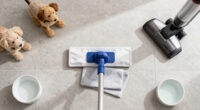
Steam mops can effectively clean pet messes and neutralize odors on sealed floors without chemicals. Proper preparation, choosing the right model, and following safety tips make this method both safe and efficient.
If you’ve ever stepped in a fresh dog accident or noticed that stubborn pet smell lingering, you know how tricky the cleanup can be. A steam mop isn’t just for floors; it’s a versatile tool that, when used correctly, can turn a messy situation into a quick, safe fix. No harsh chemicals, no fuss—just hot steam and a little know-how.
This guide will show you how to use a steam mop effectively after your dog visits. You’ll learn how to prep your floors, pick the right equipment, and keep odors at bay—all while protecting your surfaces. Let’s get your home fresh, clean, and pet-friendly.
Always remove loose debris before steaming to prevent smudges.
Use distilled water to avoid mineral deposits that clog the mop.
Adjust steam settings based on your flooring type to prevent damage.
Regularly wash microfiber pads for hygiene and effectiveness.
Ventilate and dry the area to eliminate residual odors and moisture.
How to Clean Up After Your Dog Using a Steam Mop
Turn a messy moment into a quick, chemical-free reset. Proper preparation, the right steam setting and careful drying can neutralize odors and help sanitize sealed floors—without compromising your pet’s safety or the surface beneath their paws.
Prep before the steam
Steam works best after the mess itself has been removed. Pick up solids, blot fresh liquid with disposable material, then vacuum or sweep away fur and grit. Never steam directly over urine or feces: heat may set stains or odors, and the mop pad can spread contamination.
Remove the mess
Wear gloves, lift solids and blot—do not rub—liquids. Dispose of waste safely before bringing out the mop.
Capture loose debris
Vacuum fur, dirt and outdoor grit so steam does not turn debris into streaks or push it into joints.
Confirm the seal
Check the flooring and mop manuals. Avoid unsealed wood, waxed floors, damaged seams and heat-sensitive finishes.
From accident to fresh floor
Use slow, controlled passes rather than holding the mop stationary. Keep your dog outside the work zone until the machine is stored and the floor is completely cool and dry.
Use distilled or demineralized water
Match steam output to the floor
Work slowly in overlapping passes
Open windows or run a fan
Wash the pad and inspect the mop
Balance power with surface safety
More steam is not automatically better. Begin with the lowest manufacturer-approved setting and test an inconspicuous area. High output offers deeper cleaning on durable sealed surfaces but increases heat and moisture exposure.
| Feature | Low steam | High steam | Decision cue |
|---|---|---|---|
| Best suited to | Sealed hardwood or approved laminate | Tile and sealed vinyl | ✓ Check floor guidance |
| Cleaning action | Gentle, lower moisture | Deeper heat and odor treatment | ✓ Start low |
| Surface risk | Lower when approved | Higher on seams and delicate finishes | ~ Use cautiously |
| Unsealed or damaged floor | Not recommended | Do not use | ✗ Choose another method |
Relative steam intensity
Smart mop features
- Adjustable steam control
- Removable, washable microfiber pads
- Large tank for fewer interruptions
- Clear ready-light and stable parking pad
Clean equipment keeps floors clean
Steam can reduce odor by addressing bacteria and odor-causing residue on the surface. Deep contamination in porous materials, gaps or underlayment may need a pet-safe enzyme treatment or professional assessment.
Pet-owner FAQ
The safest routine follows two sets of instructions: those supplied by the flooring manufacturer and those supplied with the steam mop.
Can I steam every type of floor?
No. Use steam only on surfaces whose manufacturer approves it. Unsealed wood, damaged flooring and some laminates can warp, swell or discolor.
Will steam remove every pet odor?
It can significantly reduce surface odors. Persistent smells may indicate residue in joints, porous materials or underlayment that requires additional treatment.
How often should I steam clean?
Weekly or bi-weekly is common, but adjust for shedding, traffic and accidents. Avoid unnecessary repeated heat exposure on sensitive flooring.
When can my dog return?
Only after the mop is unplugged and stored, and the entire floor is dry and cool. Good ventilation shortens drying time and limits residual moisture.
Is Your Floor Ready for a Steam Mop? Prep Tips You Need
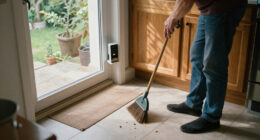
Before steaming, remove loose fur, dirt, and debris with a vacuum or broom. This step prevents dirt from smudging or sticking during the process. For example, if your dog just had an outdoor adventure, a quick sweep keeps the floor clear and ready to absorb the steam’s cleaning power.
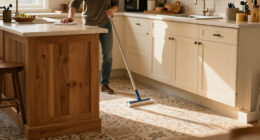
Make sure your floor is cool enough—hot floors can warp or damage some surfaces. Clear furniture and obstacles to give you room to move the mop smoothly. This prep not only improves cleaning but also reduces the risk of accidents.
As an affiliate, we earn on qualifying purchases.
Choosing the Right Steam Mop for Pet Messes and Odors
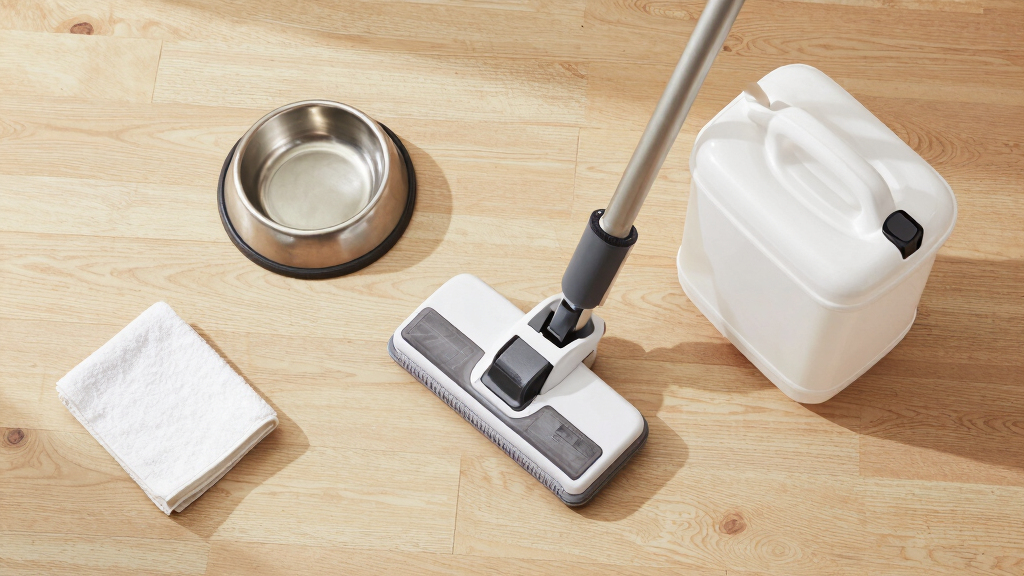
Not all steam mops are created equal. Look for models with adjustable steam settings, so you can dial down the heat on delicate floors like hardwood or laminate. This flexibility is crucial because high heat can cause warping or discoloration, especially on softer surfaces. A model with a large water tank reduces the need for frequent refills, which is beneficial when cleaning up larger or multiple messes, saving you time and effort.
Microfiber pads that are removable and washable are key. They trap fur, bacteria, and odors, making your cleaning more hygienic. For instance, some models include antimicrobial pads that sanitize surfaces without additional chemicals. Choosing the right pad impacts not just cleanliness but also the longevity of your mop and the health of your home environment.
Understanding these features helps you balance cleaning power with surface safety. For example, opting for a lower steam setting on sensitive floors prevents damage while still effectively neutralizing odors and bacteria. Recognizing the tradeoffs—like less cleaning strength at lower settings—allows you to make informed decisions based on your specific needs.
As an affiliate, we earn on qualifying purchases.
Step-by-Step: How to Use a Steam Mop on Pet Messes
- Fill the mop with distilled or demineralized water. This prevents mineral buildup that can clog the device and diminish its effectiveness over time.
- Set your steam level to match your floor type—lower for hardwood to prevent damage, higher for tile or sealed vinyl to maximize cleaning and odor neutralization.
- Slowly glide the mop over the affected area, moving in a systematic pattern to cover every inch. This ensures thorough cleaning and prevents missed spots where bacteria or odor molecules can linger.
- Pay extra attention to spots with odor or visible pet hair. The heat kills bacteria and breaks down smell molecules, but the effectiveness depends on thorough coverage and contact time.
- Finish by washing the microfiber pad and ventilating the room to dry the floor quickly, reducing the chance of mold or residual odors settling in.
As an affiliate, we earn on qualifying purchases.
How to Keep Odors Out and Floors Fresh
Steam cleaning reduces odors by killing bacteria and breaking down molecules that cause smells. However, some odors are deeply embedded or caused by ongoing issues like pet allergies or bacteria in the carpet padding, which steam alone may not fully eliminate. For persistent smells, consider combining steam with a natural odor neutralizer—like a few drops of essential oil on the microfiber pad—to enhance freshness.
Ventilating the room well after cleaning is essential. Opening windows or turning on fans speeds up drying and helps disperse any residual odors. For example, a quick 10-minute fan session can make the room smell noticeably cleaner, especially if combined with natural fresheners. This step ensures your home remains not just clean but also smelling inviting and healthy.
Understanding why odors persist helps in choosing the right approach. For instance, odors trapped in porous surfaces like carpet padding may require additional treatments beyond steam. Recognizing these implications allows you to tailor your cleaning routine for maximum freshness, balancing natural methods with thorough cleaning to avoid ongoing issues.
As an affiliate, we earn on qualifying purchases.
Compare Your Options: Steam Mop Settings for Pet Areas
| Feature | Low Steam | High Steam |
|---|---|---|
| Best for | Hardwood, laminate | Tile, sealed vinyl |
| Effectiveness | Gentle cleaning, less moisture | Deep cleaning, odor removal |
| Risk | Minimal | Use cautiously on delicate surfaces |
Maintaining Your Steam Mop After a Pet Mess
Regularly descale your device with vinegar or manufacturer-recommended solutions to prevent mineral buildup, which can clog internal components and reduce steam output. Wash microfiber pads after each use to remove pet hair, bacteria, and odors, ensuring they remain effective over time. Proper maintenance not only extends your mop’s lifespan but also guarantees consistent cleaning performance, which is vital for ongoing pet-related messes.
Check for any damage or leaks before your next use. Addressing issues early prevents larger problems and keeps your cleaning routine safe and effective. Well-maintained equipment ensures your home stays hygienic and your cleaning efforts are always at peak performance.
Neglecting maintenance can lead to decreased cleaning efficiency and potential damage to the device. For example, mineral buildup can cause clogs, and dirty pads can spread bacteria instead of eliminating it. Understanding these tradeoffs emphasizes the importance of regular upkeep for both safety and performance, especially in a pet-friendly environment where hygiene is paramount.
Frequently Asked Questions
Is it safe to use a steam mop on all types of flooring?
No, it’s safest on sealed, non-porous surfaces like tile, sealed hardwood, and laminate. Avoid unsealed or delicate surfaces, as hot steam can cause damage or warping.
Can I use cleaning solutions with my steam mop?
Many models recommend plain water for safety and surface protection. Always check your device’s instructions. Some allow specific, pet-safe cleaning solutions designed for steam mops.
How often should I steam clean after my dog?
It depends on your pet’s shedding and activity level, but generally, once a week or bi-weekly keeps your floors fresh and minimizes odors.
Does steam cleaning remove pet odors completely?
It can significantly reduce odors by killing bacteria and breaking down smell molecules. For stubborn smells, consider combining steam with natural odor neutralizers or enzyme-based cleaners.
Are there risks to using a steam mop around pets?
Yes, the hot steam can cause burns if mishandled. Always keep pets away during cleaning, and let the floor dry completely before allowing your dog back in.
Conclusion
Using a steam mop after your dog leaves a mess is a simple, safe way to keep your home clean and odor-free. The key lies in proper prep, selecting the right settings, and maintaining your equipment. With these steps, you turn a canine chaos into a fresh, healthy space.
Next time your pet has an accident, remember: a little hot steam and some quick action can make all the difference. Your floors—and your nose—will thank you.
Columbus Day / Indigenous Peoples' Day Picks
long weekend sales
As an affiliate, we earn on qualifying purchases.