TL;DR
Road salt can damage floors, but with strategic entry zones, mats, and regular cleaning, you can prevent most issues. Address salt early to avoid costly repairs and stains.
Use a layered entry system with outdoor mats, indoor rugs, and shoe removal routines to trap salt outside.
Seal or glaze floors, especially tiles and concrete, for long-term resistance to salt damage.
Clean floors regularly with sweeping, vacuuming, and damp mopping using vinegar solutions to neutralize salt residues.
Clean shoes outside with brushes and damp cloths before entering to reduce salt transfer.
Consider eco-friendly de-icers like calcium magnesium acetate to protect floors and the environment.
How to Keep Road Salt Off Your Floors All Winter
Winter’s icy grip means roads get coated in salt — and that salt doesn’t stay outside. It sneaks in on boots, spreads across your floors, and leaves stains, corrosion, and costly repairs behind. With layered entry zones, sealed surfaces, and smart cleaning habits, you can keep salt where it belongs: outside.
Road salt is primarily sodium chloride — a powerful de-icer that becomes a silent destroyer indoors. When salt dissolves in water, it forms an electrolyte that accelerates corrosion in metals and degrades organic materials like wood. The longer it sits, the more damage it does.
Tiny Crystals, Big Grind
Salt grains are abrasive and sticky. They cling to boots, then get ground into floor finishes with every step, slowly wearing down protective coatings.
Electrolyte Chemistry
Dissolved salt forms an electrolyte that corrodes metal fixtures and attacks unsealed wood, laminate, and even underlying substructures over time.
Permanent Discoloration
Ignored residue leaves a white, powdery film that can permanently discolor light-colored floors, diminishing appearance and value.
Stop Salt at the Door: The Layered Entry System
The most effective defense blocks salt before it reaches your floors. A multi-layer entry zone traps salt and moisture stage by stage — one homeowner cut tracked-in salt by over 70% with just a boot tray and brush.
Outdoor Scraper Mat
Coarse coir or rubber-backed mat scrapes off loose salt and dirt before boots even touch the threshold.
Indoor Absorbent Rug
Waterproof-backed rug catches residual moisture and salt grains — the second line of defense.
Boot Tray & Brush Zone
A dedicated mudroom or entry corner where shoes come off and get brushed clean outside.
Shoes-Off Routine
Make shoe removal a household habit. It stops salt from being ground into floors entirely.
Choose Flooring That Handles Salt Better
Salt damages unsealed surfaces far more than sealed or glazed ones. If you’re replacing flooring — or evaluating what you have — this comparison shows where to invest.
| Floor Type | Salt Resistance | Best Use |
|---|---|---|
| Tile (glazed) | ✓ High | Entryways, kitchens |
| Sealed concrete | ✓ High | Garage floors, patios |
| Vinyl | ~ Moderate | Living rooms, hallways |
| Unsealed wood / laminate | ✗ Low | Bedrooms, living areas |
The Everyday Cleaning Routine That Wins Winter
Daily maintenance is your best defense. A quick sweep picks up grains before they cause damage; a weekly vinegar mop neutralizes what’s left. One homeowner kept salt stains minimal through heavy snowfall with exactly this rhythm.
Sweep or Vacuum
Especially after snowy days. Removes salt grains before they settle into surfaces and begin staining or corroding.
Damp Mop
Plain water or a vinegar solution neutralizes remaining residue and prevents long-term buildup on finishes.
Spot Clean Stains
Don’t wait for white, powdery film to set. Early removal minimizes staining and preserves floor integrity.
How to Neutralize Salt Residue Safely
Aggressive scrubbing damages delicate surfaces and worsens the problem. A gentle, chemical-smart approach dissolves mineral deposits without harming your floors — and one homeowner saw major stain reduction on ceramic tile after just two cleanings.
The neutralizing mix: combine 1 part white vinegar with 3 parts water. Sweep first to remove loose salt, then damp mop with the solution — avoiding excess moisture on wood or laminate, which can warp. Dry the floor thoroughly afterward to prevent water damage and mold. For outdoor prevention, consider eco-friendly de-icers like calcium magnesium acetate, which are gentler on floors and the environment.
Why Road Salt Is a Hidden Enemy for Your Floors
Road salt is primarily sodium chloride, a powerful de-icer that helps melt ice and snow on roads. But once it hits your floors, it can cause serious issues. Salt is corrosive, especially to unprotected surfaces like unsealed wood or laminate. It can stain, eat away at finishes, and even weaken underlying materials over time.
Imagine stepping inside after a snowy walk, your boots crunching with salt crystals. Those tiny grains are abrasive and sticky. They cling to your shoes, then transfer onto your floors, where they slowly break down finishes or seep into porous surfaces.
Research shows that salt residue can cause corrosion in metal fixtures and damage to flooring materials if not cleaned promptly. The longer salt sits, the more damage it can do. That’s why prevention is your best bet.
Understanding the chemistry helps clarify why salt is so damaging. When salt dissolves in water, it forms an electrolyte that accelerates corrosion in metals and degrades organic materials like wood and certain plastics. This process weakens structural integrity and can lead to costly repairs. Moreover, salt’s staining potential can permanently discolor light-colored floors, diminishing their aesthetic appeal. The tradeoff? While salt is effective at melting ice, neglecting its residue can lead to long-term consequences that outweigh the short-term convenience, making proactive prevention and cleaning essential.
As an affiliate, we earn on qualifying purchases.
How to Stop Salt from Coming Inside in the First Place
The most effective way to keep salt off your floors? Block it at the door. Use a multi-layer entry system that traps salt and moisture before they reach your floors.
- Place a sturdy, absorbent mat outside—think coarse coir or rubber-backed options. These scrape off loose salt and dirt, reducing the amount tracked inside and preventing the salt from dissolving into your home’s interior environment.
- Set a high-quality rug or mat inside the door—preferably with a waterproof backing to catch residual moisture and salt grains. This layer acts as a second line of defense, preventing salt residue from reaching your flooring and minimizing the risk of stains and corrosion.
- Create a dedicated mudroom or entry zone—a small space where shoes come off and get thoroughly cleaned. This designated zone not only controls dirt and salt but also establishes a routine that reinforces good habits, significantly reducing salt transfer over time.
- Encourage family and guests to remove shoes immediately—make it part of your home routine. Explain why it’s essential. Consistent shoe removal prevents salt from being ground into your floors, decreasing the need for frequent cleaning and reducing long-term damage risks. The tradeoff? While it might seem inconvenient initially, establishing this habit saves time and money on repairs and cleaning in the long run.
For example, a homeowner found that adding a boot tray and a boot brush reduced tracked-in salt by over 70%. That simple step not only kept floors cleaner but also extended the lifespan of their flooring materials by preventing salt infiltration and accumulation.
Amazonshoe cleaning brushes for winter salt removal
As an affiliate, we earn on qualifying purchases.
As an affiliate, we earn on qualifying purchases.
Choosing Floor Materials That Handle Salt Better
If you’re planning to replace flooring or want to know which surfaces handle winter’s salt best, here’s the quick rundown. Salt damages unsealed surfaces more than sealed or glazed ones.
Floor Type Resistance to Salt Damage Best Use Tile (glazed) High Entryways, kitchens Sealed concrete High Garage floors, patios Vinyl Moderate Living rooms, hallways Unsealed wood or laminate Low Bedrooms, living areas Investing in sealed or glazed options can significantly reduce long-term maintenance costs. Sealing creates a protective barrier that prevents salt and moisture from penetrating the surface, which is critical in winter conditions. The tradeoff? Sealed floors might require periodic reapplication of sealant to maintain their protective qualities, but this investment can save money and hassle over time by preventing damage and staining. It’s a strategic choice that balances initial cost with long-term durability, especially in climates prone to winter salting.
Amazonconcrete floor sealant for salt resistance
As an affiliate, we earn on qualifying purchases.
As an affiliate, we earn on qualifying purchases.
Easy Ways to Keep Salt Off Your Floors Every Day
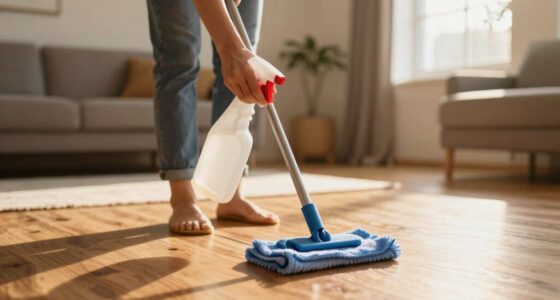
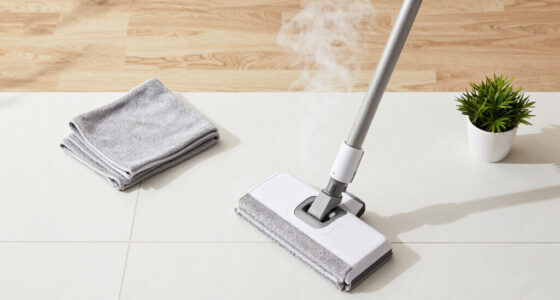
Daily maintenance is your best defense. A quick sweep or vacuum can pick up salt grains before they cause damage. Followed by a damp mop, it keeps residues in check.
- Use a broom or vacuum daily—especially after snowy days. Regular removal prevents salt from settling into the surface, reducing staining and corrosion risks.
- Wipe with a damp mop weekly—preferably with plain water or a vinegar solution. This helps neutralize any remaining salt residues and prevents buildup that could damage your floors over time.
- Spot clean salt stains immediately—don’t wait for them to set. Early removal minimizes staining and corrosion, preserving the integrity and appearance of your floors.
For example, a homeowner reports that a weekly damp mopping with a vinegar-water mix kept salt stains minimal, even during heavy snowfall months. Consistent, routine cleaning prevents long-term damage and keeps floors looking their best, making it easier to maintain a clean, damage-free home throughout winter.
Amazonvinegar floor cleaner for salt residue
As an affiliate, we earn on qualifying purchases.
As an affiliate, we earn on qualifying purchases.
How to Neutralize Salt Residue Without Damaging Your Floors
Salt residues can be tricky. They often leave behind a white, powdery film that’s hard to remove if ignored. A gentle cleaning approach works best, as aggressive scrubbing can damage delicate surfaces and worsen the problem.
- Start with sweeping or vacuuming to remove loose salt, preventing it from grinding into the surface during cleaning.
- Mix a solution of 1 part white vinegar to 3 parts water—this neutralizes salt, dissolves mineral deposits, and cuts through grime, making it easier to remove residues without damaging your flooring.
- Damp mop with this solution, avoiding excessive moisture on wood or laminate, which can cause warping or swelling.
- Dry the floor thoroughly afterward to prevent water damage and mold growth.
For example, a homeowner used vinegar solution on their ceramic tile and noted a significant reduction in salt stains after just two cleanings. This simple, natural approach preserves the integrity of your floors while effectively removing damaging residues, ensuring they stay in good condition season after season.
Protect Your Floors with Sealants and Coatings
Sealing your floors adds a barrier that prevents salt and moisture from penetrating. High-quality sealants last for years and reduce cleaning frequency.
Applying a sealant is straightforward but should be done carefully. Always follow manufacturer instructions and test in a hidden spot first. Proper application ensures the sealant bonds effectively, providing a durable protective layer that withstands winter salting and foot traffic.
Imagine a concrete porch coated with an epoxy sealant—salt sits on top, not inside. This surface remains cleaner longer, and stains or corrosion are much less likely to develop. The tradeoff? Sealants may need reapplication over time, especially after cleaning or repairs, but the ongoing protection they offer can significantly reduce maintenance costs and extend the lifespan of your floors.
Choosing the right sealant depends on your flooring material and climate. Investing in quality ensures better adhesion, durability, and resistance to salt damage, ultimately saving you money and hassle.
Smart Ideas for Removing Salt From Shoes and Boots
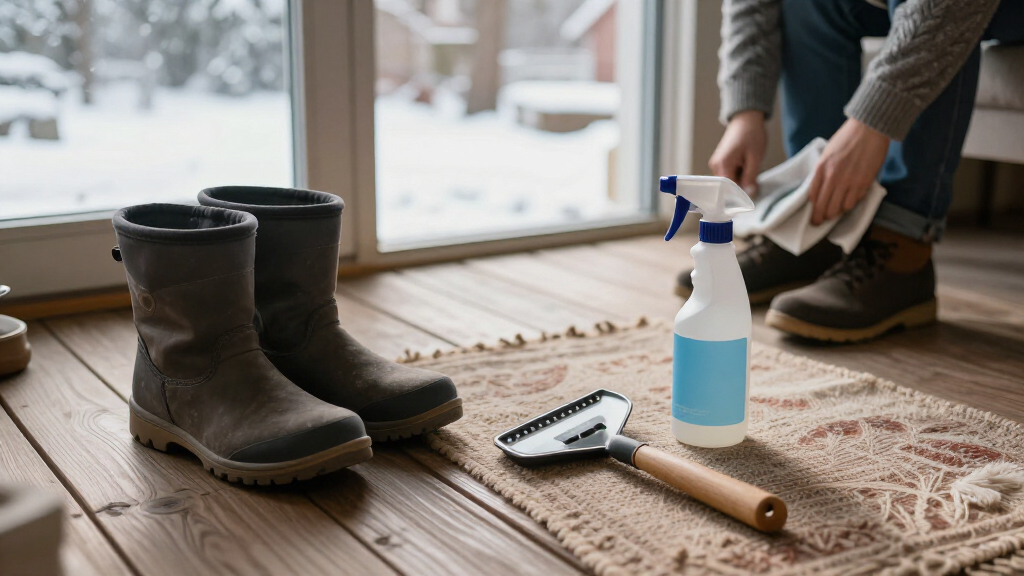
The first line of defense is cleaning shoes before they enter. A boot brush, a damp cloth, or a boot tray with absorbent material can make a big difference.
- Use a stiff boot brush outside—scrape off salt and mud before entering. This prevents large amounts of salt from being tracked inside and helps keep your floors cleaner longer.
- Wipe shoes with a damp cloth—especially the soles. This quick step removes residual salt and dirt that brushing alone might miss, reducing the risk of salt settling and staining your floors.
- Set up a boot tray with absorbent material inside the door—change it regularly. This acts as a final barrier, catching any remaining salt or moisture and preventing it from reaching your flooring.
One family swears by a boot brush and a daily wipe-down routine. Their floors stay cleaner, and their salt damage dropped significantly. Developing consistent shoe-cleaning habits is a simple yet highly effective way to minimize salt transfer, preserving your floors’ appearance and structural integrity throughout the winter.
Eco-Friendly De-Icers That Protect Your Floors
Traditional road salt is effective but harsh. Eco-friendly alternatives like calcium magnesium acetate (CMA) are gentler on floors and the environment.
Many homeowners choose CMA because it melts ice effectively without the corrosive damage caused by sodium chloride. Plus, it’s less toxic to pets and plants. Its reduced corrosiveness means less long-term damage to concrete, metal fixtures, and flooring, which can save significant repair costs over time. The tradeoff? It’s generally more expensive upfront, but the environmental and protective benefits often outweigh the initial cost. Always follow manufacturer instructions and test your floors first to prevent unforeseen reactions. Switching to CMA or similar products can be a strategic move to balance winter safety with floor longevity, especially in environmentally conscious households.
Imagine switching from plain salt to CMA—less corrosion, fewer stains, and a greener footprint, all while maintaining winter safety.
Fixing Salt Damage if It’s Already Happening
If salt damage has already set in, don’t panic. Start with a gentle cleaning to remove residues, which can halt further deterioration. For minor damage, cleaning combined with re-sealing or refinishing can restore the appearance and function of your floors. For deeper stains, corrosion, or structural damage, consider professional restoration—these specialists can address issues more thoroughly and prevent future problems.
For example, a homeowner noticed white powdery stains on their hardwood after a harsh winter. After cleaning with vinegar solution and applying a fresh coat of sealant, the damage was barely noticeable. The key is early intervention—prompt cleaning and sealing can often reverse or reduce damage significantly, saving you money and preserving your flooring’s lifespan. The tradeoff? Delayed action may lead to irreversible damage, increasing repair costs and reducing your floors’ overall durability. Regular inspections and prompt treatment are essential for maintaining your floors’ integrity in winter conditions.
Frequently Asked Questions
What’s the best way to prevent salt from reaching my floors?
Use outside mats and boot trays, and insist on removing shoes immediately after coming inside. These small steps keep most salt grains at bay.Which flooring materials handle salt the best?
Sealed tile, glazed ceramic, and sealed concrete resist salt damage much better than unsealed wood or laminate. Sealing creates a barrier that keeps moisture and salt out.How often should I clean my floors during winter?
Sweep or vacuum daily, especially after snow days, and mop weekly. More frequent cleaning prevents salt buildup and stains.Are there safe cleaning solutions for salt residue?
Yes, a mixture of one part white vinegar to three parts water works well. It neutralizes salt and cuts grime without damaging most surfaces. Always test first.Can I seal my floors to prevent salt damage?
Absolutely. Applying a high-quality sealant creates a lasting barrier, reducing salt penetration and making cleaning easier.Conclusion
The secret to a winter free of salt stains? Proactive habits. Keep salt outside where it belongs, protect your floors with sealants, and stay on top of daily maintenance. A little effort now saves you hours of cleaning and costly repairs later. Your floors—and your peace of mind—will thank you.