TL;DR

Get cleaning gear delivered free with Prime
- Fast, free delivery on millions of items
- Prime Video, Amazon Music and more included
- Member-only deals all year
Cleaning tile floors with pets requires choosing pet-safe products, regular maintenance, and quick stain removal. Sealing grout and using protective mats help keep floors fresh and stain-free without risking your pet’s health.
Pet hair, muddy paws, accidental spills—your tile floors face daily chaos. Yet, a simple, safe cleaning routine can keep your floors bright and free of odors. Want to know the best way to handle pet messes without risking damage or health hazards? You’re about to learn the proven methods that keep your home clean, your pets safe, and your sanity intact.
Forget guesswork. This guide walks you through the exact steps and smart choices that make cleaning with pets straightforward, effective, and sustainable. Ready to transform your tile maintenance routine? Let’s dive in.
Choose non-toxic, pet-safe cleaning solutions and test them first in hidden areas.
Regular sweeping or vacuuming drastically reduces pet hair and dirt buildup, easing mopping efforts.
Sealing grout lines prevents stains and makes cleanup faster and more effective.
Address pet accidents immediately with enzymatic cleaners and quick mopping to prevent odors and staining.
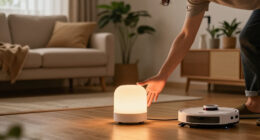
Invest in odor-neutralizing mats and consider robotic mops for hassle-free, regular cleaning.
The Best Way to Clean Tile Floors With Pets in the House
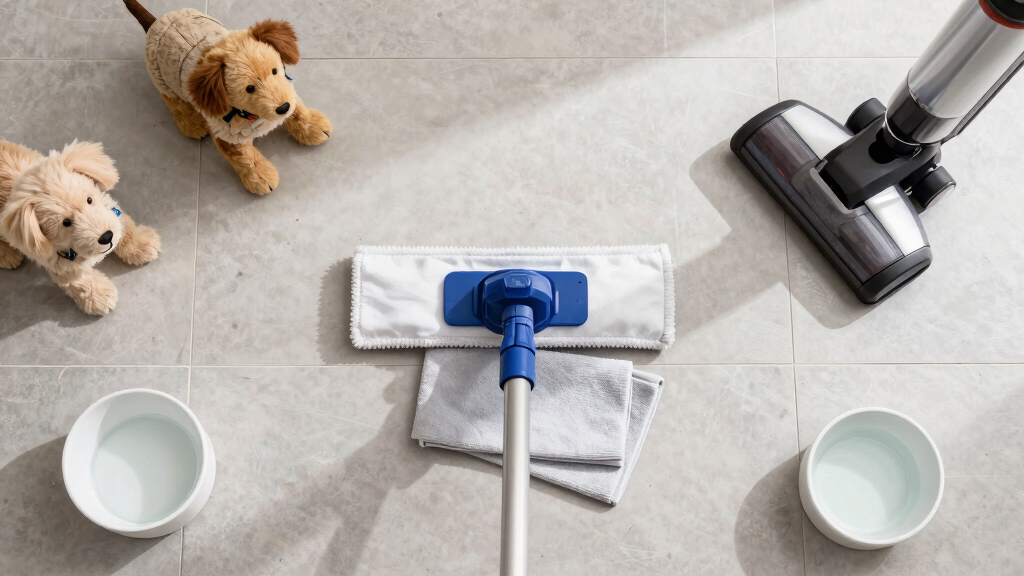
Pet hair, muddy paws and unexpected accidents do not require harsh chemicals. The winning routine is simple: remove dry debris, use a lightly damp mop, treat organic messes immediately and protect porous grout before stains settle in.
Five habits that do the heavy lifting
Most tile damage comes from accumulated grit, saturated grout and residues—not from ordinary pet traffic. A short, repeatable maintenance system reduces intensive scrubbing while supporting cleaner indoor air.
Lift hair and grit before adding water
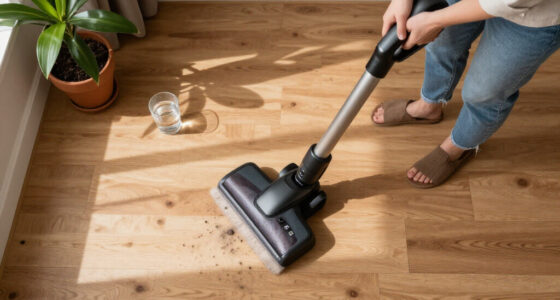
Use a soft-bristled broom or a vacuum on its hard-floor setting. Dry debris can scratch tile, lodge in grout and turn into muddy residue beneath a mop.
Read the cleaner label
Look for non-toxic, pet-safe formulas with minimal fragrance. Avoid ammonia, bleach and strongly scented products that may leave irritating residues or vapors.
Damp is enough; soaked is too much
Wring the mop thoroughly. Excess water can enter grout lines and seams, weaken bonds, increase slip risk and encourage mold in persistently damp areas.
Seal porous grout
A compatible sealant helps liquids bead on the surface instead of penetrating. This makes pet messes easier to wipe away and reduces odor retention.
Treat accidents immediately
Blot first, then apply a tile-compatible enzymatic cleaner. Enzymes break down organic matter responsible for recurring stains and odors.
Protect the busiest zones
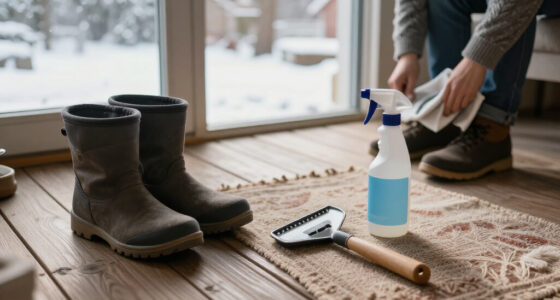
Place washable, odor-neutralizing mats at entrances, feeding stations and near pet beds. They intercept moisture and grit before it reaches the tile.
A clean floor in five controlled moves
Work in manageable sections and rinse the mop frequently. This keeps dirty water and cleaner residue from being redistributed across the room.
Clear debris
Sweep or vacuum hair, dander, litter and grit from edges and grout lines.
Mix gently
Prepare a pet-safe solution and test it in a hidden area before full use.
Mop damp
Wring well, work section by section and focus on high-traffic zones.
Rinse often
Refresh the water or mop head before it becomes visibly dirty.
Dry fully
Use a clean cloth or air-dry completely before allowing pet traffic.
Useful for many ceramic and porcelain tiles: diluted vinegar can cut grime and odors. Do not use vinegar on natural stone, and never assume a DIY mixture is compatible—check flooring guidance and test a concealed spot first.
Match the product to the mess
“Pet-safe” is the starting point, not the entire decision. Tile material, stain type, residue potential and manufacturer directions all matter.
| Cleaning option | Routine soil | Organic accident | Natural stone | Pet-home verdict |
|---|---|---|---|---|
| Pet-safe neutral cleaner | ✓ Strong fit | ~ Follow with enzyme | ✓ If stone-approved | ✓ Best routine choice |
| Diluted vinegar + water | ✓ Effective | ~ Limited breakdown | ✗ Avoid acidic cleaner | ~ Material-dependent |
| Enzymatic pet cleaner | ~ Spot use | ✓ Best targeted option | ~ Check label | ✓ Odor-focused |
| Ammonia or bleach formula | ✗ Unnecessary risk | ✗ Harsh exposure | ✗ Damage potential | ✗ Avoid for routine care |
| Undiluted fragranced cleaner | ✗ Residue risk | ✗ Masks rather than breaks | ✗ Compatibility risk | ✗ Poor choice |
Safety rule: follow the product label, ventilate the room, never mix cleaning agents and keep pets away until the tile is rinsed as directed and completely dry.
Spend minutes now, save scrubbing later
The strongest maintenance plan concentrates effort where it has the highest preventive value: sealed grout, debris removal and immediate accident response.
Relative preventive impact
Smart upgrades for pet homes
- Long-life grout treatmentsChoose a sealant compatible with the tile and reapply on the maker’s schedule.
- Robotic maintenanceUse pet-safe modes and approved solutions; supervise the first cleaning cycles.
- Plant-based formulasFavor biodegradable, low-VOC options with clear pet and surface compatibility.
- Odor-absorbing matsActivated-charcoal materials can support odor control in feeding and entry zones.
The pet-safe cleanliness chain
How to Pick Pet-Safe Cleaners That Actually Work
Choosing the right cleaning products is the first step to a healthy, clean home. Pet-safe cleaners avoid harsh chemicals like ammonia, bleach, or artificial fragrances that can harm your furry friends. Instead, opt for natural solutions such as a mix of vinegar and water or commercial cleaners specifically labeled as pet-friendly.
For example, a solution of one part white vinegar to three parts water can effectively break down grime and odors. Always test a small hidden area first. Remember, the goal is to clean without exposing your pets to toxins or irritating their sensitive noses. The importance of selecting the right cleaner goes beyond just safety—using effective, pet-safe products ensures thorough cleaning without compromising your pet’s health or causing damage to your flooring over time. Some commercial options are formulated to be just as effective as traditional cleaners but without the harmful ingredients, making them a smart investment for ongoing maintenance.
It’s also worth noting that some cleaning agents, while labeled as pet-safe, may still contain mild irritants or residues that can affect sensitive pets. Therefore, understanding ingredient labels and choosing products with minimal, natural ingredients can reduce potential risks. Additionally, consider the environmental impact of your cleaning choices; eco-friendly products tend to be gentler on both your pets and the planet, and often contain fewer volatile organic compounds (VOCs) that can linger in your indoor air.
As an affiliate, we earn on qualifying purchases.
Keep Pet Hair and Dirt Off Your Floors Before Mopping
Regular sweeping or vacuuming isn’t just about aesthetics; it directly impacts the longevity and cleanliness of your tile floors. Pet hair and dirt can embed into grout lines and tiny crevices, making deep cleaning more difficult and sometimes leading to scratches or discoloration over time. When hair and dirt are allowed to accumulate, they can also trap moisture, which may promote mold or mildew growth, especially in humid environments. By removing debris daily, you’re preventing these issues and reducing the need for harsh scrubbing later, which can wear down your tiles or grout. This proactive approach preserves the integrity of your flooring and ensures that your cleaning routine remains efficient, saving you time and effort while maintaining a healthier environment for your pets and family.
Using a soft-bristled broom or a vacuum with a hard-floor setting allows you to gently lift pet hair and dirt without scratching or damaging the surface. This small but consistent step creates a foundation for effective cleaning, reduces the need for frequent deep cleans, and helps maintain the tile’s appearance and hygiene over the long term. Additionally, regular removal of debris helps prevent the buildup of allergens and bacteria that could compromise indoor air quality or lead to skin irritations for sensitive pets or family members. The tradeoff here is the time invested in daily maintenance, but this small effort pays off by significantly reducing the frequency and intensity of intensive cleaning sessions, ultimately protecting your investment in your flooring and promoting a healthier living environment.
As an affiliate, we earn on qualifying purchases.
The Exact Steps for a Pet-Friendly, Effective Mop
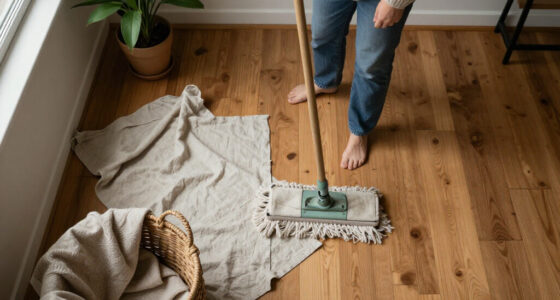
- Start with a damp mop—never soaking wet—to prevent grout damage and avoid excess water seeping into seams, which can weaken the grout over time. Using too much water can also lead to mold growth beneath tiles if not properly dried, especially in humid conditions.
- Use a gentle, pet-safe cleaning solution—like diluted vinegar or a commercial product labeled pet-friendly. This ensures effective cleaning while minimizing chemical exposure that could irritate your pet’s respiratory system. The choice of cleaning solution impacts not just immediate cleanliness but also the long-term health of your pets, as harsh chemicals may linger and cause respiratory or skin issues.
- Mop in sections, rinsing the mop frequently to prevent spreading dirt or chemicals around, which can lead to streaks or residue buildup that attract more dirt. Proper rinsing also ensures that residues of cleaning agents do not dry onto the surface, which could be ingested or licked by pets, posing health risks.
- Pay extra attention to high-traffic and accident-prone areas, like entryways or near pet beds, where messes are most common and can cause stubborn stains or odors if not thoroughly cleaned. These areas are more vulnerable to damage and odor retention, so deep cleaning here prevents long-term issues like staining and lingering smells that can affect indoor air quality.
- Dry the floor with a clean cloth or allow it to air-dry—leaving puddles or wet spots can cause slips or seep into grout, weakening its bond and promoting mold growth. Proper drying maintains safety and prolongs your tile’s lifespan. Additionally, a thoroughly dried surface discourages mold and mildew, which thrive in damp environments and can be harmful to both pets and people.
For example, after a walk, a quick mop prevents muddy paw prints from setting in. This routine keeps your tile shiny and safe for your pets to walk on barefoot or paws. Consistent, gentle cleaning preserves the appearance and durability of your tiles, reducing the need for costly repairs or replacements down the line. The tradeoff is a slight increase in daily effort, but this proactive approach pays off by extending the life of your flooring and maintaining a healthier home environment.
As an affiliate, we earn on qualifying purchases.
How Sealing Grout Saves You Time and Stains
Sealing grout is like giving your tiles a shield. It creates a barrier that prevents stains, dirt, and pet accidents from penetrating deeply into the porous surface, which is especially important in homes with active pets. When grout is unsealed, it absorbs liquids quickly, leading to stubborn stains and lingering odors that are difficult to remove. By sealing grout, you’re effectively making it hydrophobic, so liquids bead up and can be easily wiped away, reducing the need for aggressive scrubbing or chemical treatments.
Experts agree that sealed grout can reduce staining by up to 80%, but this figure varies depending on the quality of the sealant and how well it’s applied. The reduction in stains directly correlates with less time spent on intensive cleaning sessions, which can be especially beneficial after pet accidents or muddy paws. Moreover, sealed grout acts as a moisture barrier that inhibits mold and mildew growth, crucial in damp areas like bathrooms or kitchens. The tradeoff here is the need for periodic resealing—every 1-2 years—to maintain effectiveness, which adds a small ongoing maintenance task but offers substantial long-term benefits in cleanliness and durability.
Failing to seal grout can lead to increased cleaning time, higher costs for stain removal products, and potential damage to the grout itself, which may need replacement if stains become embedded or mold develops. Sealing is an investment that balances initial effort with ongoing savings and improved home hygiene.
For example, sealing grout lines in the kitchen and bathroom reduces the need for harsh scrubbing after pet accidents or muddy paws, making routine cleaning less labor-intensive and more effective. The tradeoff is minimal; applying sealant takes some time and effort initially but results in a significant reduction in cleaning challenges later.
As an affiliate, we earn on qualifying purchases.
Quick Action Tips for Pet Stains and Odors
- Act fast: Cleaning accidents immediately is crucial because allowing stains and odors to set makes them much harder to remove later. Quick response prevents the organic matter from soaking into grout and porous surfaces, which can cause lasting damage and unpleasant smells. The implication here is that delayed cleaning not only makes stains more stubborn but can also lead to permanent discoloration and persistent odors that affect indoor air quality.
- Use enzymatic cleaners: These specialized cleaners contain enzymes that break down organic compounds like urine or saliva, effectively neutralizing odors and preventing the formation of stubborn stains. Regular use of enzymatic solutions after accidents ensures that both the stain and smell are eliminated at the source, reducing the likelihood of pets re-soiling the same spot. The tradeoff is that enzymatic cleaners may be more expensive and require proper application to be effective, but their targeted action makes them invaluable for long-term odor control and stain prevention.
- Blot, don’t scrub: Gently absorbing the excess mess with paper towels or cloths prevents spreading the stain further and reduces the risk of damaging the tile or grout. Scrubbing can sometimes push the stain deeper or abrade the surface, making stains more difficult to remove and potentially damaging the flooring or grout integrity. Understanding this helps prioritize gentle, effective cleaning that preserves your floor’s condition.
- Follow with a mop: After blotting, use a pet-safe cleaning solution to thoroughly clean the area. This step ensures residual organic matter and potential odors are removed, maintaining a fresh and hygienic environment. Proper cleaning prevents bacteria buildup and lingering smells that could attract pets to re-soil the same area, creating a cycle of persistent issues. The tradeoff involves an extra step in your cleaning routine but significantly improves long-term hygiene and odor control.
- Seal the grout: Once the area is clean and dry, resealing the grout helps prevent future stains and makes cleaning easier. Regular resealing—every 1-2 years—maintains the protective barrier, especially in high-traffic zones. This ongoing maintenance is a small investment of time that yields substantial benefits in ease of cleaning and stain resistance, prolonging the lifespan of your grout and keeping your floors looking fresh.
For example, in a home with a dog that occasionally misses the pad, quick cleanup with an enzymatic spray followed by mopping keeps your floors fresh and odor-free. Prompt action limits damage and reduces ongoing cleaning efforts, creating a healthier environment for both pets and humans. The implication of this advice is that consistent, immediate responses to accidents greatly reduce the long-term cleaning burden and help maintain a more hygienic and pleasant home environment.
Smart Products and Tricks to Keep Floors Fresh Longer
Today’s pet-friendly cleaning includes innovations like odor-neutralizing mats, enzyme sprays, and robotic mops with pet-safe modes. These tools are designed to reduce the effort required for maintaining a fresh environment and to address specific challenges posed by pets. For instance, odor-absorbing mats placed at entry points act as first-line defenses, trapping smells before they spread throughout the house. Robotic mops equipped with pet-safe settings can be scheduled to run regularly, ensuring floors are maintained without constant manual effort.
Choosing products like activated charcoal bags or sprays formulated to absorb pet odors can significantly improve indoor air quality. These solutions work by capturing and neutralizing smells at their source, reducing the need for heavy chemical deodorizers that may irritate pets or humans. Incorporating such products into your routine creates a proactive approach to home hygiene, preventing odors from becoming overwhelming and reducing the frequency of deep cleans. The tradeoff involves investing in these products and setting up a regular schedule, but the payoff is a consistently fresh, odor-free environment that requires less intensive cleaning over time.
Imagine returning home to a house that smells naturally fresh and has spotless floors, thanks to a combination of robotic cleaning and odor-neutralizing products. This approach minimizes chemical use while maximizing effectiveness, making regular maintenance easier and more sustainable. The tradeoff is the initial cost and setup time, but the long-term benefits include a healthier home environment and less daily effort.
Frequently Asked Questions
What are the safest cleaning products for tile floors with pets?
Look for products labeled as non-toxic, pet-safe, and free from harsh chemicals like ammonia, bleach, or artificial fragrances. Natural options like diluted vinegar and water or commercial cleaners with natural ingredients are excellent choices. Always test in a small area first.How often should I mop my tile floors if I have pets?
Mop at least once a week, but in high-traffic or accident-prone areas, more frequent cleaning—every 2-3 days—can prevent buildup of pet hair, dirt, and odors. Adjust based on your pet’s activity level and home environment.Can I use vinegar or natural solutions to clean tile floors?
Yes, diluted vinegar and water are safe and effective for most tile surfaces, especially ceramic and porcelain. Avoid using undiluted vinegar on natural stone tiles like marble or granite, as it can etch the surface.How do I remove pet stains and odors from grout?
Use enzymatic cleaners designed for pet stains to break down organic matter. After cleaning, sealing the grout helps prevent future stains and makes regular cleaning easier. Reseal every 1-2 years for best results.What are the best ways to prevent pet accidents from damaging my tile floors?
Use mats or rugs in high-risk areas, train pets to avoid certain spots, and clean accidents immediately with enzymatic cleaners. Consistent training and quick action protect your floors and keep them looking new.Conclusion
Keeping tile floors clean with pets isn’t about harsh chemicals or endless scrubbing. It’s about smart routines, protective measures, and safe products. A quick daily sweep, sealing grout, and prompt stain cleanup create a home where your pets can roam freely and your floors stay sparkling.
Remember, a little prevention goes a long way—think of it as giving your floors and pets the best chance to live together happily and healthily. Ready to make your tile floors pet-proof and spotless? Start today, and enjoy the fresh, clean space you deserve.
Halloween Picks
halloween
As an affiliate, we earn on qualifying purchases.