
TL;DR

Get cleaning gear delivered free with Prime
- Fast, free delivery on millions of items
- Prime Video, Amazon Music and more included
- Member-only deals all year
Steam mopping parquet floors is generally risky because moisture can cause swelling or warping. For safe cleaning, stick to gentle, minimal-water methods and always check manufacturer guidelines.
Imagine the gleam of a freshly cleaned parquet floor — the geometric patterns, the rich wood textures. But then, you wonder: can steam mops really offer a quick, chemical-free clean without risking damage? The answer isn’t straightforward. While steam mopping sounds like a miracle for sanitation and ease, it’s often a risky idea for parquet floors. In this guide, you’ll learn why steam mops can harm your beautiful wood, what recent advancements mean, and safer ways to keep your floors spotless.
By understanding the hidden dangers and exploring practical alternatives, you can protect your investment and enjoy your floors for years. Let’s cut through the hype and look at what really works — safely and sustainably.
Most parquet floors are not designed to handle the moisture from steam mops, risking swelling and warping.
Modern steam mops with adjustable steam levels still pose a significant risk unless explicitly approved by your flooring manufacturer.
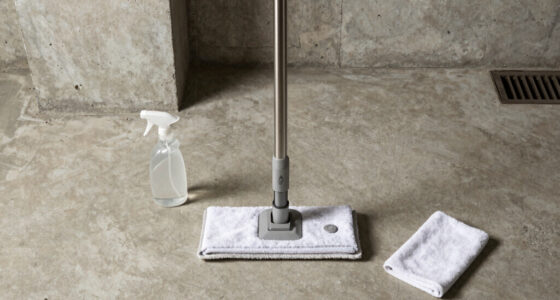
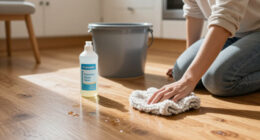
Gentle cleaning with a barely damp microfiber cloth is safer and preserves parquet’s beauty longer.
Always test any cleaning method on a hidden area first to avoid surprises.
Regular dusting and minimal water use are key to maintaining parquet floors over time.
Steam Mopping Parquet Floors: A Risky Idea?
TL;DR: Steam mopping parquet floors is generally risky because heat and moisture can seep into wood joints, weaken finishes, and trigger swelling or warping. The safer routine is simple: dust often, clean gently, use minimal water, and follow the floor manufacturer’s care guidance.
Even modern steam mop technology cannot fully remove the moisture risk for wooden parquet.
Beautiful patterns, delicate moisture pathways.
Parquet is built from small interlocked wood pieces. That geometry creates character, but it also creates seams where moisture and heat can slip beneath the protective finish.
Swelling and warping
Steam can penetrate tiny gaps, causing wood fibers to expand unevenly and distort the floor’s geometric pattern.
Dull patches and cracks
Repeated heat and moisture can degrade coatings, making the surface more vulnerable to scratches, staining, and wear.
Mold and delamination
Persistent dampness can weaken adhesive bonds and create conditions for moisture problems below the surface.
Convenience rises fast, but damage risk rises faster.
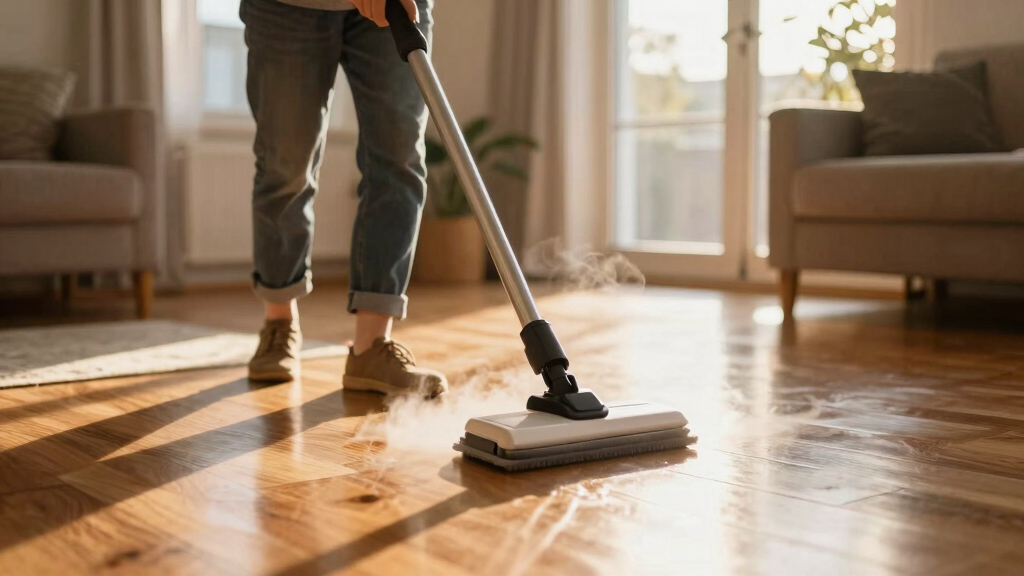
Modern steam mops may reduce pooling with adjustable settings and microfiber pads, but steam remains heat plus moisture. For parquet, that combination is the core concern.
Cleaning Method Risk
Manufacturer Caution Scale
Most experts recommend avoiding steam mops on parquet unless your specific flooring manufacturer explicitly approves them. A sealed floor is more protected, not invincible.
What to use, what to avoid, and why it matters.
Safe parquet care is less about aggressive sanitation and more about controlling moisture exposure over years of cleaning.
| Cleaning Method | Moisture Exposure | Parquet Safety | Best Use | Verdict |
|---|---|---|---|---|
| Dry dusting or sweeping | None | ✓ Best | Routine dirt and grit removal | Prevents scratches without stressing the finish. |
| Barely damp microfiber mop | Very low | ✓ Safe | Light cleaning after dusting | Use minimal water and dry promptly. |
| Specialized wood cleaner | Low | ~ Check | Approved product care | Follow finish and manufacturer directions. |
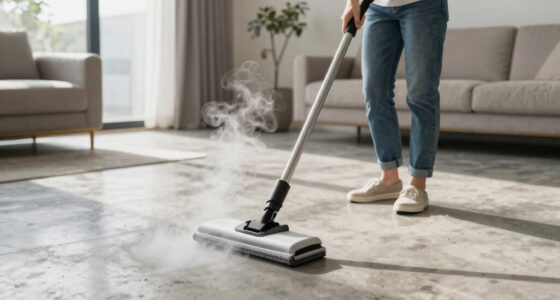
| Steam mop on low setting | Moderate heat and vapor | ✗ Risk | Only if explicitly approved | Technology helps, but does not remove the core risk. |
| Wet mop or soaking clean | High | ✗ Avoid | Not recommended | Can accelerate swelling, warping, and finish breakdown. |
A parquet-friendly routine in five moves.
The goal is to remove grit before it scratches, lift residue without soaking, and catch early warning signs before damage spreads.
Dust first
Remove grit with a soft broom, vacuum brush, or dry microfiber pad.
Check guidance
Use the cleaning method approved for your exact parquet and finish.
Test hidden
Try any cleaner or damp method in an out-of-sight area first.
Use little water
Clean with a barely damp microfiber cloth, never a saturated mop.
Dry promptly
Leave no standing moisture and watch for dull patches or lifting seams.
Fast answers for common parquet care doubts.
When the choice is between a quick steam clean and preserving a wood floor, the conservative option usually wins.
Is steam safe on sealed parquet?
Usually no. Sealing reduces moisture penetration, but repeated steam exposure can still exploit tiny breaches or older finish.
Are wood-safe steam mops common?
Few are explicitly designed for parquet. Always verify approval from both the mop maker and the flooring manufacturer.
How often could I steam mop?
The safest answer is to avoid it. If manufacturer-approved, keep it rare, low-moisture, and tested first.
What damage signs matter?
Watch for tiny cracks, swelling, warping, lifting blocks, dull patches, or areas that stop responding to gentle cleaning.
What Makes Parquet Floors So Vulnerable to Moisture?
Parquet floors are made of small, interlocked wood pieces arranged in eye-catching patterns. These tiny wood chunks are like delicate puzzle pieces, glued and finished with protective coatings. But beneath that surface, moisture can sneak in and cause trouble. Water, especially steam, can seep into the wood, leading to swelling, warping, or even delamination over time.
When moisture penetrates the wood, it causes the fibers to expand unevenly, which can distort the intricate patterns that define parquet flooring. This expansion can weaken the adhesive bonds holding the pieces together, risking separation and structural instability. Furthermore, repeated exposure to moisture accelerates the degradation of the protective finish, making the surface more vulnerable to staining, scratches, and further damage. For homeowners, this means that even minor, seemingly harmless cleaning actions can accumulate into significant long-term harm, compromising both the appearance and integrity of the floor.
For example, a homeowner in Chicago found tiny cracks forming along her parquet pattern after using a steam mop weekly. Even sealed floors aren’t invincible — seals can degrade or develop tiny breaches, letting moisture in. The high heat and moisture of steam are like a slow, persistent attack that wears down the finish and wood fibers. Understanding this, it becomes clear why cautious, minimal water use is critical; the tradeoff is between convenience and the potential for costly repairs or replacements down the line.
This vulnerability is why most experts urge caution. A quick wipe with a damp cloth is fine, but a steam mop? That’s a different story.
microfiber cleaning cloth for hardwood floors
As an affiliate, we earn on qualifying purchases.
As an affiliate, we earn on qualifying purchases.
Are Modern Steam Mops Safer for Wood Floors? Here’s the Truth
Many newer steam mops boast features like adjustable steam levels, sealed water tanks, and microfiber pads designed to limit water contact. These upgrades might sound promising, but they don’t fully eliminate the risks for parquet floors. The core issue lies in the nature of steam itself — even minimal moisture in the form of steam can penetrate tiny cracks or breaches in the finish, especially over repeated use. While these innovations reduce the likelihood of excess water pooling or spilling, they do not fundamentally change the fact that heat and moisture can still cause damage.
For instance, a homeowner using a top-rated steam mop set to low steam still noticed dull patches and tiny cracks after a few months. The subtle, cumulative nature of moisture infiltration means that even small amounts of steam, if used frequently, can lead to the same long-term issues as more aggressive cleaning. This highlights an important point: technology improvements can mitigate some risks, but they do not make steam mopping inherently safe for delicate wood surfaces. The tradeoff involves balancing convenience with the potential for unseen, gradual damage that might only become apparent after years.
Most flooring manufacturers still recommend avoiding steam mops altogether on wood or parquet floors, emphasizing gentle, dry-cleaning methods instead. The reason is simple: the risk of long-term damage outweighs the short-term benefits, especially since safer, proven cleaning techniques exist. Recognizing these limitations helps homeowners make informed choices, prioritizing preservation over convenience.
As an affiliate, we earn on qualifying purchases.
Understanding the Long-Term Impact of Steam Cleaning
While it may seem that occasional steam cleaning won’t harm your parquet, the reality is that repeated exposure can lead to cumulative damage. The heat and moisture from steam can slowly penetrate the finish, especially if the surface has tiny cracks or breaches, gradually weakening the wood’s structure. Over months or years, this can result in visible warping, cracking, or delamination, which are costly to repair.
Additionally, the protective sealants or finishes on your floors are designed to be durable but not impervious. Continuous or frequent steam exposure can degrade these coatings, making the wood more vulnerable to staining, scratches, and other surface damages. Recognizing these long-term effects underscores the importance of choosing cleaning methods that prioritize the health of your flooring over short-term convenience.
In essence, even if you don’t see immediate damage, the risk accumulates silently. Being aware of this can help you make better decisions about how to maintain your floors safely.
As an affiliate, we earn on qualifying purchases.
Frequently Asked Questions
Is it safe to use a steam mop on sealed parquet floors?
While sealing can reduce moisture penetration, most manufacturers still advise avoiding steam mops on parquet. Even sealed floors can suffer damage if exposed repeatedly or improperly. Always check your flooring’s specific care instructions.Can I use a steam mop if I regularly dry clean my parquet floors?
Dry cleaning methods, like sweeping and dusting, pose minimal risk and are best for parquet. If you want to use a damp mop, do so lightly with minimal water and avoid steam altogether.Are there any steam mops designed specifically for wood floors?
Few steam mops are made for wood or parquet floors. Most are intended for tile or laminate surfaces. Always verify with the manufacturer and look for models explicitly approved for wood before considering their use.How often can I safely steam mop my parquet floors?
Most experts recommend avoiding frequent steam mopping. If you must, limit it to once a month or less, and always test first. The best approach is to stick with non-moisture cleaning for routine maintenance.What are the signs my parquet floor is being damaged by moisture?
Look for tiny cracks, warping, or dull patches that don’t respond to cleaning. If you notice any of these after using a steam mop, it’s best to switch to safer methods immediately.As an affiliate, we earn on qualifying purchases.
Conclusion
If you value your parquet floors, steer clear of steam mops unless you’ve checked your manufacturer’s advice and taken careful precautions. The risk of long-term damage isn’t worth a quick clean. Instead, embrace gentle cleaning methods — your floors will thank you for it.
Picture your floors shining, free from scratches or warping, ready to impress. That’s the real beauty of proper care. Keep it simple, stay cautious, and your parquet’s geometric charm will last for decades.
Fall Picks
fall essentials
As an affiliate, we earn on qualifying purchases.