TL;DR

Get cleaning gear delivered free with Prime
- Fast, free delivery on millions of items
- Prime Video, Amazon Music and more included
- Member-only deals all year
Steam mops are generally safe for sealed floors if used properly, but excessive moisture can damage unsealed or porous surfaces over time. Always follow manufacturer advice and test small areas first.
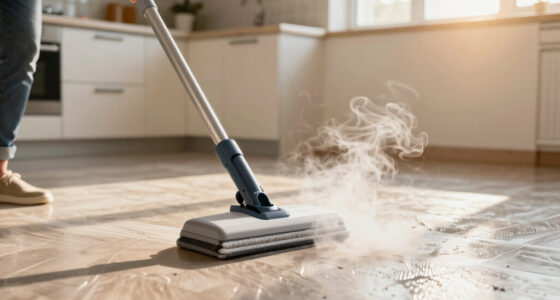
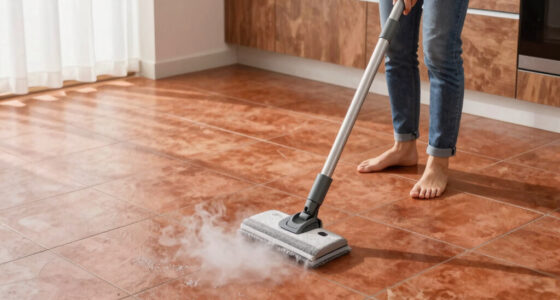
Imagine the satisfying hiss and steam rising from your mop as you glide it over your kitchen tiles. It feels like a quick fix for cleanliness, but you might wonder—could all that moisture hurt your floors in the long run? If you’re curious about whether steam mops are safe over time, you’re not alone. Many homeowners love the convenience but worry about potential damage.
This guide cuts through the hype and offers practical advice. You’ll learn which floors benefit from steam cleaning, which ones to avoid, and how to keep your floors looking great without risking warping or swelling. Let’s get into what really matters—keeping your floors safe and spotless.
Steam mops are safe for sealed floors when used properly, but pose risks to unsealed or porous surfaces.
Always test in a hidden corner and follow manufacturer instructions before regular use.
Use the lowest steam setting and avoid overuse on sensitive floors to prevent long-term damage.
Modern steam mops with adjustable steam levels help protect your floors while cleaning thoroughly.
Regularly inspect your floors for signs of warping or swelling and adapt your cleaning routine accordingly.
Are Steam Mops Safe for Different Types of Floors?
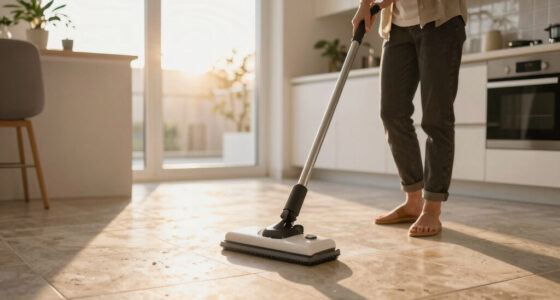
Steam mops are generally safe for sealed hardwood, tile, vinyl, and laminate floors. They use high-temperature steam to loosen dirt without harsh chemicals. However, they’re not recommended for unsealed hardwood, unglazed ceramic, or natural stone floors—moisture can seep in and cause damage.
For example, if you have a sealed bamboo floor, a steam mop can be a quick, chemical-free way to clean. But if your hardwood isn’t sealed, that same steam could cause swelling or warping over time.
Always check the manufacturer’s instructions or do a quick test in a hidden corner. If water beads or the surface looks dull afterward, it’s best to avoid steam cleaning that area.
Understanding why some floors tolerate steam while others don’t hinges on porosity and sealing. Porous surfaces like unsealed wood or natural stone can absorb water, leading to swelling, warping, or staining. Conversely, sealed surfaces create a barrier that prevents moisture intrusion, making steam cleaning safer. Recognizing these differences helps prevent unintended damage, which might only appear after months of neglect or misuse. The tradeoff is that improper use on incompatible surfaces can result in costly repairs or replacement, emphasizing the importance of proper identification and cautious testing.
best steam mop for sealed hardwood floors
As an affiliate, we earn on qualifying purchases.
As an affiliate, we earn on qualifying purchases.
How Do Long-Term Effects of Steam Mops Show Up?
Repeated use of a steam mop on incompatible floors can lead to warping, swelling, or even cracking. For example, if you use a steam mop weekly on unsealed hardwood, the moisture can penetrate the wood, causing it to expand and eventually buckle.
Some homeowners notice their vinyl or laminate floors develop bubbles or discoloration after months of steaming. This isn’t immediate but builds up over time, especially if the mop’s steam setting is too high or used excessively.
Research from surface safety experts shows that overexposure to moisture is the main culprit behind long-term damage, particularly on porous or unsealed surfaces. This damage can be subtle initially—such as slight warping or dullness—but can lead to significant deterioration, including cracking or delamination, over years of improper use. The implications are that, even if a floor appears unaffected after a few cleanings, persistent moisture intrusion can weaken its structural integrity, necessitating costly repairs or replacements. Therefore, understanding the signs—like warping, discoloration, or swelling—and adjusting your cleaning routine accordingly is crucial to preserving your floors’ lifespan.
adjustable steam mop for delicate surfaces
As an affiliate, we earn on qualifying purchases.
As an affiliate, we earn on qualifying purchases.
How to Use a Steam Mop Safely and Avoid Damage
- Check your floor type against manufacturer guidance.
- Test in a hidden spot—wait 24 hours for any signs of damage.
- Use the lowest steam setting suitable for your floor.
- Hold the mop in motion—don’t leave it in one place too long.
- Limit steam cleaning to once a week or less on sensitive surfaces.
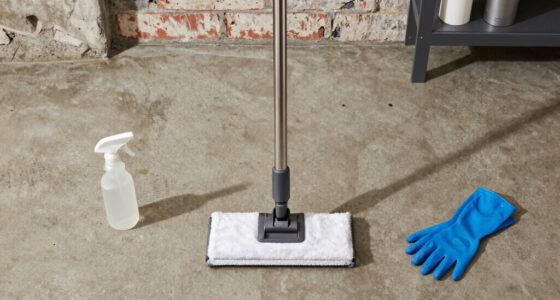
For example, if your kitchen tiles are sealed and durable, you can steam weekly. But if your hardwood is unsealed, a damp cloth or microfiber mop with a gentle cleaner might be safer.
Moderation and testing are key. Regularly clean the microfiber pad and avoid excessive water buildup. Over time, excessive moisture can seep into the flooring materials, weakening adhesives or causing the surface to swell. Ensuring proper technique minimizes these risks, extending the life of your floors and maintaining their appearance. Remember, the goal is to clean without introducing long-term vulnerabilities—gentle, cautious cleaning preserves both the aesthetic and structural integrity of your floors.
steam mop for tile and vinyl floors
As an affiliate, we earn on qualifying purchases.
As an affiliate, we earn on qualifying purchases.
Comparison Table: Which Floors Are Safe or Risky for Steam Mops?
| Floor Type | Generally Safe | Risks or Notes |
|---|---|---|
| Sealed Hardwood | Yes | Use low steam setting, test first |
| Unsealed Hardwood | No | Moisture can cause swelling |
| Tile (glazed ceramic) | Yes | Safe, but avoid excessive moisture |
| Natural Stone (unglazed) | No | Porous, can absorb water leading to staining or damage |
| Vinyl & Laminate | Yes | Check manufacturer instructions and avoid excessive steam |
safe steam mops for laminate flooring
As an affiliate, we earn on qualifying purchases.
As an affiliate, we earn on qualifying purchases.
What Modern Steam Mops Do to Minimize Long-Term Damage
Advances in steam mop technology now let you control steam output precisely. Many models feature adjustable steam levels, so you can dial down on delicate floors. Some include antimicrobial pads or HEPA filters to boost hygiene without extra chemicals.
For example, a recent model might have a ‘low’ setting perfect for sealed hardwood, while a ‘high’ setting tackles stubborn dirt on tiles. These innovations help extend your floor’s lifespan while keeping cleaning effective.
Research indicates that controlled steam use, combined with proper maintenance, significantly reduces risks of long-term damage. Additionally, these modern features allow homeowners to tailor their cleaning approach based on floor sensitivity, thus balancing hygiene, cleanliness, and preservation. This flexibility is crucial because it minimizes unnecessary moisture exposure, which is the main cause of long-term damage, especially on porous surfaces. The tradeoff lies in understanding your floor’s specific needs and choosing a model with appropriate settings to ensure safe, effective cleaning.
Practical Tips to Protect Your Floors Long-Term
- Always follow manufacturer instructions for your specific floor type.
- Test in a small, hidden area before full cleaning.
- Use the lowest effective steam setting.
- Limit frequency—once a week or less for sensitive floors.
- Keep microfiber pads clean and replace them when worn.
If you’re cleaning a delicate hardwood or natural stone, consider alternative gentle cleaning methods. Regularly inspecting your floors for signs of warping or discoloration helps catch issues early. By doing so, you can identify subtle signs of moisture damage—such as slight warping, dullness, or discoloration—that might develop gradually. Addressing these issues promptly prevents them from worsening, saving you money and preserving the integrity of your flooring over the long term. Remember, cautious and informed cleaning practices are the best way to maintain your floors’ beauty and durability.
Frequently Asked Questions
Are steam mops safe for hardwood floors?
Steam mops are safe for sealed hardwood floors if used with caution, on low steam settings, and after testing in a hidden spot. Avoid using them on unsealed or unfinished hardwood, as moisture can cause warping or swelling over time.
Can using a steam mop damage my floors over time?
Yes, if used excessively or on incompatible surfaces, moisture from steam can lead to warping, swelling, or deterioration. Follow manufacturer guidance and limit use on delicate or porous floors.
What floor types should I avoid with a steam mop?
Unsealed hardwood, unglazed ceramic, natural stone, and porous surfaces are best avoided. For these, consider damp mopping with a microfiber cloth and gentle cleaner instead.
How often should I use a steam mop?
It depends on foot traffic and floor type, but generally once a week or as needed is enough. Overusing can increase the risk of long-term damage, especially on sensitive surfaces.
Do steam mops kill germs effectively?
High-temperature steam can disinfect surfaces effectively when used properly. Ensure the mop reaches the recommended temperature and is used on suitable surfaces for maximum hygiene.
Conclusion
Steam mops can be a handy, chemical-free way to keep floors clean—if you respect their limits. Always match your cleaning method to your floor type and use the lowest effective steam setting. That way, your floors stay beautiful and damage-free for years to come.
Think of steam cleaning as a gentle hug—warm, effective, but not too tight. Keep that in mind, and your floors will thank you with lasting beauty.
Fall Picks
fall essentials
As an affiliate, we earn on qualifying purchases.