TL;DR

Get cleaning gear delivered free with Prime
- Fast, free delivery on millions of items
- Prime Video, Amazon Music and more included
- Member-only deals all year
Steam mopping can be safe on radiant heated floors if the flooring is non-porous and sealed, and if you follow proper techniques. Always check your manufacturer’s advice before proceeding.
Always verify your flooring and heating system’s manufacturer guidelines before using a steam mop.
Sealed, non-porous surfaces like tile and stone are generally safer for steam cleaning over radiant heat.
Use the lowest steam setting and keep the mop moving to prevent moisture buildup.
Recent steam mop models with adjustable settings are safer and more controlled for delicate floors.
If in doubt, safer options like dry mopping or damp microfiber cleaning can protect your floors and heating system.
Is Steam Mopping Safe Over Radiant Heated Floors?
TL;DR: Steam mopping can be safe on radiant heated floors when the surface is sealed, non-porous, and approved by the manufacturer. The risk rises quickly when moisture, high heat, or vulnerable materials like wood and laminate enter the picture.
Sealed, non-porous materials usually tolerate controlled steam better than moisture-sensitive floors.
Adjustable output and constant movement reduce moisture buildup and heat stress.
Controlled steam on sealed, compatible floors carries minimal risk; unsupported materials can warp, swell, discolor, or compromise warranties.
Check manufacturer guidance before steaming.
Sealed tile, stone, and ceramic are safer candidates.
Infiltration can damage surfaces or heating components.
Dry or damp cleaning avoids excess heat and steam.
Can Your Floor Handle Steam?
Compatibility depends on three linked variables: floor material, seal condition, and radiant system design. A surface that looks durable can still fail if seams, cracks, or porous finishes let moisture move below the top layer.
Sealed Tile, Stone, Ceramic
These materials resist moisture and heat better when properly sealed. Use low steam, move continuously, and dry the surface after cleaning.
Sealed Vinyl or Specialty Floors
Some products tolerate gentle steam, but only when the manufacturer explicitly allows it and the surface is intact.
Wood, Laminate, Damaged Seals
Moisture and heat can trigger swelling, warping, buckling, bubbling, or discoloration, especially with repeated sessions.
Material Risk Matrix
Use this comparison as a first-pass screen. It does not replace the written instructions for your specific floor, heating system, or steam mop.
| Floor Type | Steam Suitability | Moisture Risk | Best Practice | Warranty Concern |
|---|---|---|---|---|
| Sealed tile | ✓ Safer | Low when grout and seals are sound | Lowest setting, quick passes, dry finish | ~ Verify |
| Natural stone | ✓ Safer | Low to medium depending on sealant | Confirm stone sealer compatibility | ~ Verify |
| Sealed vinyl | ~ Conditional | Medium if seams or adhesive are vulnerable | Only if product documentation allows steam | ~ Likely |
| Hardwood | ✗ Avoid | High risk of swelling and warping | Use dry mop or lightly damp microfiber | ✗ High |
| Laminate | ✗ Avoid | High risk at seams and edges | Vacuum, dry mop, or barely damp cloth | ✗ High |
Safe Steam Sequence
A good steam mop is only half the equation. Technique controls how much heat and moisture reaches the floor, and that is what protects the finish and the heating system below.
Read Guidance
Confirm both flooring and radiant system instructions.
Inspect Seal
Look for cracks, gaps, lifted edges, or damaged grout.
Test Hidden Spot
Use the lowest output on a small area first.
Keep Moving
Use gentle passes and never park steam in one place.
Limit Moisture
Switch to damp microfiber for stubborn marks.
Dry Thoroughly
Leave no standing dampness after cleaning.
What Changes the Risk?
Recent steam mop designs are more controlled, but the safest result still comes from matching technology to the floor’s tolerance.
Steam Intensity Spectrum
Adjustable steam levels, sealed reservoirs, and precise temperature controls reduce accidental oversaturation. Even so, the recommended operating zone for radiant heated floors is the lowest effective steam setting.
Key Risks to Respect
The biggest problems are slow-building: moisture infiltration, surface distortion, warranty conflicts, and reduced heating-system efficiency after repeated improper cleaning.
Moisture Below the Surface
If steam reaches seams, cracks, or poorly sealed areas, it may migrate toward radiant heating components and create long-term damage.
Warping, Buckling, Bubbling
Wood, laminate, and vulnerable vinyl can react poorly to heat and moisture, especially when the mop is held still or steam output is too high.
Traceability Chain
The safest answer is not simply yes or no. It is a linked decision that starts with documentation and ends with a drying step.
Common Questions
When uncertainty remains, choose the gentler cleaning method. Dry mopping, vacuuming, and damp microfiber cleaning are lower-risk options for radiant heated floors.
Is it safe to use a steam mop on radiant heated floors?
It depends on floor type and manufacturer guidance. Tile and stone are generally safer than wood or laminate.
Can steam damage the radiant heating system?
Yes. Moisture infiltration can damage components over time, especially when the floor is cracked, porous, or poorly sealed.
How do I tell if my floor is suitable?
Check product instructions, inspect for porosity or damage, and test a hidden spot with minimal steam.
What should I do if I am unsure?
Skip steam and use dry mopping, vacuuming, or a damp microfiber cloth to protect both the floor and heating system.
Can Your Floors Handle Steam? Know the Compatibility First
Steam mopping over radiant heated floors isn’t a one-size-fits-all answer. The first step is checking if your flooring material, combined with the heating system, can tolerate moisture and heat. Tile and stone tend to be more forgiving. They’re sealed, non-porous, and usually designed to handle moisture.
In contrast, wood and laminate floors are often sensitive. Excess moisture can cause swelling, warping, or discoloration. For example, a homeowner tried steam mopping her hardwood floor and found it warped within weeks—an expensive lesson.
Always verify with your flooring manufacturer’s guidelines before using a steam mop. Many brands specify whether their floors are compatible with steam cleaning. If in doubt, test a small, hidden area first. Recognizing the material’s response to moisture and heat is crucial because it directly impacts the longevity and appearance of your floors. Mismatched expectations—like assuming all sealed floors are safe—can lead to costly repairs or replacements, making it essential to understand the nuances of your specific flooring type.
adjustable steam mop for sealed tile floors
As an affiliate, we earn on qualifying purchases.
As an affiliate, we earn on qualifying purchases.
The Risks of Steam on Radiant Heated Floors — What You Need to Know
Steam over radiant heated floors can pose risks if not done carefully. Excess moisture might seep into the heating system, especially if the floor isn’t fully sealed. Over time, this can lead to damage like corrosion or system failure. Such damage could not only be costly but also compromise the efficiency and safety of your heating system, leading to higher energy bills or even system breakdowns.
High heat and steam pressure can also cause warping, buckling, or discoloration of sensitive flooring materials. For instance, a homeowner with vinyl floors noticed bubbling and warping after a few steam sessions—damage that was costly to repair. These issues often result from using excessive steam or neglecting the importance of proper sealing and technique, which can create micro-damages that worsen over time.
According to an anonymous researcher, the key is controlling the steam output—using the lowest effective setting and ensuring the floor’s sealed and in good condition. The implications are significant: improper use not only damages the surface but can also impair the heating system, leading to long-term costs and inconvenience. Understanding these risks emphasizes why cautious, informed use of steam mops is essential for maintaining both your floors and your system’s integrity.
best steam mop for radiant heated floors
As an affiliate, we earn on qualifying purchases.
As an affiliate, we earn on qualifying purchases.
How Modern Steam Mops Minimize Damage — What’s New?
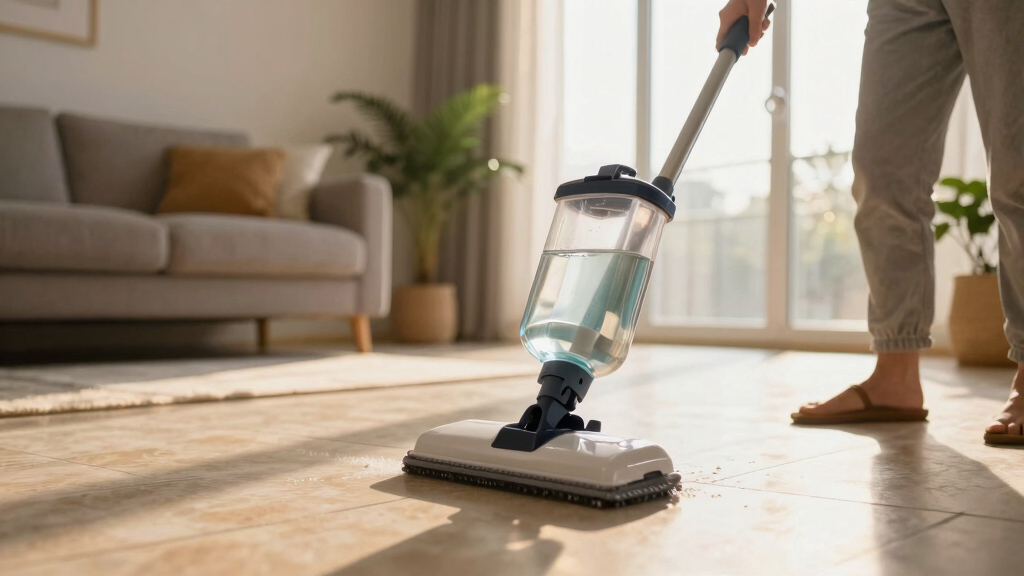
Newer steam mops are designed with safety in mind. They feature adjustable steam levels, precise temperature controls, and sealed systems that limit excess moisture. These advancements help reduce the risk of damage on sensitive floors. The ability to fine-tune steam output allows users to match the cleaning needs with the floor’s tolerance, minimizing unnecessary exposure to heat and moisture.
For example, some models allow you to set a gentle steam mode, perfect for delicate surfaces. Others have sealed reservoirs that prevent leaks or oversaturation. These design improvements mean that the risk of over-steaming or accidental leaks is significantly reduced, especially when users follow manufacturer instructions. The implication here is that investing in these advanced models can make steam cleaning a safer option for a broader range of flooring types, including some radiant heated floors, provided proper technique is used.
Manufacturers are also updating guidelines based on recent testing, emphasizing proper technique and low steam settings. Always choose a model with adjustable controls for better safety. This technological evolution reflects a growing understanding of how to balance effective cleaning with floor and system safety, making modern steam mops a more reliable tool for homeowners concerned about radiant heat systems.
safe steam mops for stone and tile surfaces
As an affiliate, we earn on qualifying purchases.
As an affiliate, we earn on qualifying purchases.
How to Safely Steam Over Radiant Heated Floors — Step-by-Step
- Check your flooring and heating system’s manufacturer guidelines.
- Test a small, hidden section of the floor with the lowest steam setting.
- Ensure your floor is sealed and free of cracks or damage.
- Use a steam mop with adjustable settings and set it to the lowest heat and steam level.
- Maintain a gentle, sweeping motion—don’t hold the mop in one spot too long.
- Avoid excessive moisture—use a damp microfiber cloth if needed for stubborn spots.
- After cleaning, ensure the floor dries thoroughly to prevent moisture infiltration.
Following these steps is essential because it minimizes the risk of moisture seeping into the heating system or causing surface damage. The key is to understand that even with the best equipment, technique matters. Properly executed, these steps help preserve both your floors’ appearance and the functionality of your heating system, avoiding costly repairs and ensuring longevity.
microfiber steam mop for sealed floors
As an affiliate, we earn on qualifying purchases.
As an affiliate, we earn on qualifying purchases.
Frequently Asked Questions
Is it safe to use a steam mop on radiant heated floors?
It depends on your floor type and manufacturer guidance. Tile and stone usually handle steam well, but wood and laminate are more vulnerable. Always check your flooring’s instructions before steaming.Can steam damage my radiant heating system?
Yes, if moisture seeps into the system, it can cause damage over time. That’s why sealing, proper technique, and low steam settings are critical. The implications include potential system breakdowns, costly repairs, and reduced heating efficiency, which can affect your comfort and energy bills.What floors are safest for steam cleaning over radiant heat?
Sealed tile, stone, and certain sealed vinyl or ceramic floors are generally safe. Always verify with your flooring manufacturer first, as improper use can lead to surface damage or system issues.How do I tell if my floor is suitable for steam cleaning?
Check the manufacturer’s guidelines. Look for signs of porosity, previous damage, or warping. When in doubt, perform a test spot with minimal steam. Recognizing these signs helps prevent accidental damage and ensures the longevity of your floors and heating system.Are there safer alternatives to steam mopping?
Yes, dry mopping, vacuuming, or using damp microfiber cloths are gentler options that pose less risk to radiant heated floors. These methods can effectively clean without introducing moisture that might harm sensitive systems or materials.Conclusion
A careful approach makes all the difference. When used properly, steam mopping over certain radiant heated floors can be safe—saving time without risking damage. Think of it as giving your floors a gentle, controlled shower, not a soak. Remember: check the specs, set the lowest steam level, and keep moving. Your heated floors will thank you with long-lasting beauty and function.Halloween Picks
halloween
As an affiliate, we earn on qualifying purchases.