TL;DR

Get cleaning gear delivered free with Prime
- Fast, free delivery on millions of items
- Prime Video, Amazon Music and more included
- Member-only deals all year
Steam mopping peel-and-stick vinyl tiles can weaken the adhesive and warp the surface. Stick to gentle cleaning methods like sweeping and damp mopping with mild cleaners to protect your floors long-term.
Imagine sprucing up your kitchen floor, steam mop in hand, thinking you’re making it spotless. But that quick-cleaning move could be secretly sabotaging your vinyl tiles. Peel-and-stick vinyl flooring is designed for gentle care, not high heat or excess water. This guide uncovers the common mistake many homeowners make—using steam mops—and explains how it can lead to costly repairs. We’ll also share practical, safe cleaning tips to keep your floors looking new for years.
Never use a steam mop on peel-and-stick vinyl tiles unless the manufacturer explicitly says it’s safe.
High heat and moisture from steam mops weaken adhesives, causing tiles to lift or warp.
Regular sweeping and damp mopping with a gentle cleaner preserve vinyl floors best.
Inspect your floor periodically for signs of damage like bubbling or lifting edges.
Choose eco-friendly, low-VOC cleaners to keep your vinyl looking good without harming indoor air quality.
Steam Mopping Peel-and-Stick Vinyl Tiles: Don’t Make This Mistake
Steam mopping can weaken adhesive, soften the vinyl surface, trap moisture below the tile, and shorten the life of your floor. The safer routine is simple: sweep often, damp mop lightly, and use a mild pH-neutral cleaner.
Key insight: most vinyl tile makers advise against steam cleaners unless the product label explicitly says they are safe.
Repeated heat and moisture exposure can accelerate adhesive and surface breakdown.
Gentle cleaning protects the adhesive layer and keeps edges from lifting.
Fast steam cleaning can become an expensive shortcut.
Heat plus moisture attacks the two things vinyl needs most.
Peel-and-stick vinyl depends on a stable surface layer and a strong pressure-sensitive adhesive underneath. Steam challenges both at once: heat can soften or discolor the tile, while moisture can migrate into seams and loosen the bond below.
Warping and bubbling
High temperature can soften the vinyl face, causing ripples, bubbles, or uneven areas that become more visible over time.
Lifting edges
Moisture beneath the tile weakens the adhesive bond, especially around seams, corners, and high-traffic zones.
Trip hazards
Curling or raised tiles create uneven surfaces that are unsightly and can become a household fall risk.
Steam hits tile
Heat and moisture concentrate on seams.
Vinyl softens
The surface can dull, discolor, or ripple.
Water seeps in
Edges and corners absorb moisture first.
Adhesive weakens
The bond loses grip below the tile.
Tiles lift
Repairs become harder and more costly.
Steam looks efficient, but the damage curve is steep.
Manufacturer guidance, adhesive chemistry, and real-world floor damage all point to the same conclusion: only use steam if the exact product instructions approve it.
Steam mopping vs. gentle cleaning for vinyl.
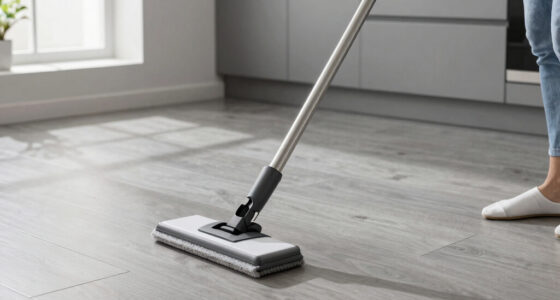
The safest cleaning method is the one that removes grit without flooding seams or heating the adhesive. Damp microfiber cleaning wins because it is controlled, mild, and easy to repeat.
| Feature | Steam Mopping | Gentle Cleaning | Better Choice |
|---|---|---|---|
| Heat and moisture | ✗High heat plus wet vapor at seams. | ✓Low moisture with no thermal shock. | Gentle cleaning |
| Risk of damage | ✗Can warp, discolor, bubble, or loosen tiles. | ✓Protects the surface and adhesive layer. | Gentle cleaning |
| Manufacturer approval | ~Usually discouraged unless label says safe. | ✓Commonly recommended for vinyl care. | Check label first |
| Ease of use | ~Fast, but risky for peel-and-stick floors. | ✓Simple routine: sweep, damp mop, dry. | Gentle cleaning |
| Long-term impact | ✗Potential repairs and shorter floor lifespan. | ✓Supports a 10-20 year service life. | Gentle cleaning |
How to clean without ruining the adhesive.
Treat peel-and-stick vinyl like a durable surface with one delicate boundary: the seams. Keep water controlled, avoid harsh chemicals, and remove grit before it scratches the wear layer.
- Sweep or vacuum first to remove loose dirt and grit.
- Use a microfiber mop dampened with plain water or mild pH-neutral cleaner.
- Keep the mop damp, not wet, so water does not seep below tile edges.
- Spot-clean stubborn marks with a soft cloth, then wipe with clean water.
- Choose low-VOC cleaners to support healthier indoor air quality.
Stay in the green zone.
For peel-and-stick vinyl, the ideal cleaning zone is low moisture, low heat, and mild chemistry. That combination cleans the surface while preserving the adhesive underneath.
Red flags to catch before repairs spread.
Damage may not appear immediately after one steam session. Inspect high-traffic areas, kitchens, bathrooms, and entryways for early signs that heat or moisture has reached the adhesive layer.
Peeling or curling
Raised corners mean the adhesive bond may be weakening below the tile.
Bubbling patches
Air or moisture pockets can form when steam compromises the layer underneath.
Shade changes
Discoloration can signal heat stress, trapped moisture, or surface wear damage.
Quick answers for everyday floor care.
When in doubt, prioritize the manufacturer label. The correct care method protects both the visible tile and the hidden adhesive that keeps the floor flat.
Can I use a steam mop?
Usually no. Use one only if the manufacturer explicitly says the specific tile is steam-safe.
What is the best cleaner?
A mild, pH-neutral vinyl floor cleaner or plain water on a damp microfiber mop.
Are the tiles waterproof?
They are water-resistant, not fully waterproof. Prolonged moisture can still cause lifting.
Can I replace one tile?
Yes. Individual damaged tiles can often be replaced if the subfloor and surrounding adhesive are sound.
Skip the steam. Keep the floor.
A peel-and-stick vinyl floor can stay attractive for years when you avoid heat, avoid excess water, and clean with a light hand.
The mistake is simple: treating vinyl like tile grout.
Steam belongs nowhere near most peel-and-stick vinyl floors. Sweep, damp mop, dry quickly, and inspect edges before small bubbles turn into replacement work.
Why Steam Mopping Can Ruin Your Vinyl Tiles
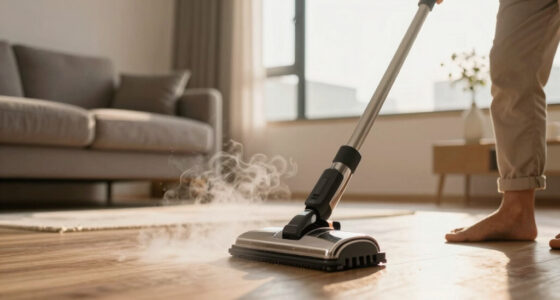
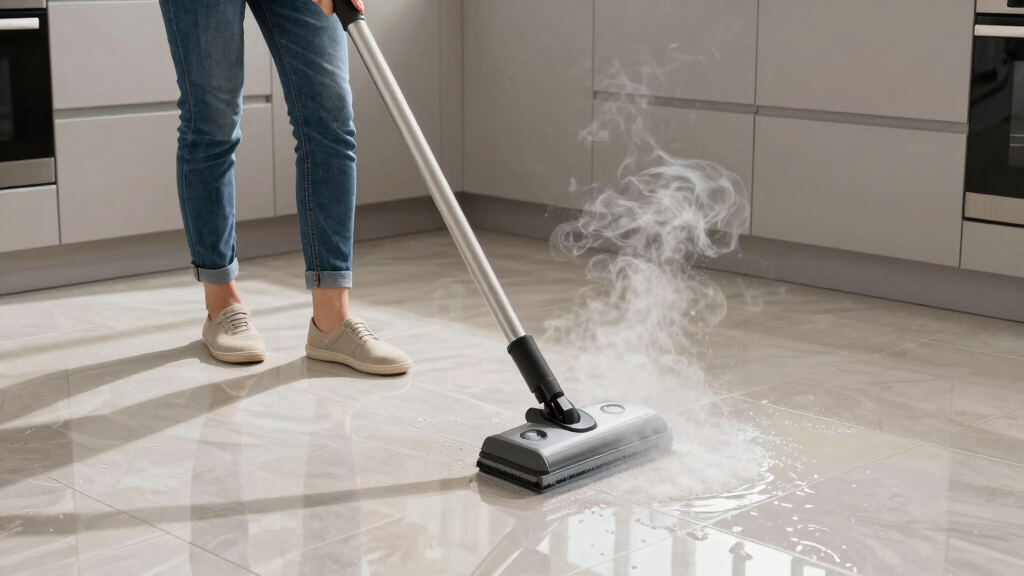
Steam mops produce intense heat and moisture, which can damage peel-and-stick vinyl tiles faster than you think. The heat causes the vinyl to soften and warp, leading to discoloration or bubbling, which compromises the visual appeal and structural integrity of your floor. Moisture penetrates beneath the surface, weakening the adhesive bonds that keep tiles securely in place. When adhesive fails, tiles can lift, curl, or bubble—creating uneven surfaces that are not only unsightly but also dangerous, as they increase the risk of trips and falls. Additionally, the high temperatures can accelerate chemical breakdown of the adhesive, making repairs more difficult and costly over time. Recognizing these risks emphasizes why following manufacturer guidelines isn’t just about warranties—it’s about maintaining a safe, durable, and attractive floor. Choosing safer cleaning methods preserves the floor’s longevity and saves money in the long run.
peel and stick vinyl floor cleaner
As an affiliate, we earn on qualifying purchases.
As an affiliate, we earn on qualifying purchases.
What Happens When You Use a Steam Mop on Vinyl? Real Damage Examples
Using a steam mop on vinyl tiles can lead to a cascade of damage that might not be immediately visible but will worsen over time. For instance, the high heat can soften the vinyl surface, causing it to warp or develop discoloration that diminishes the aesthetic appeal. Moisture trapped beneath the tiles can weaken the adhesive, resulting in edges curling or tiles lifting entirely. One homeowner observed her floor developing bubbling patches a few months after steam cleaning—these were signs that the adhesive was compromised. Such damage not only ruins the appearance but also creates safety hazards—trip points or uneven surfaces that can lead to falls. Repeated exposure to steam can accelerate the deterioration of the adhesive, reducing the floor’s lifespan significantly. These real-world examples underscore the importance of understanding that what seems like a quick fix—steam cleaning—can have long-lasting detrimental effects, making it essential to adopt safer cleaning practices to preserve your investment.
As an affiliate, we earn on qualifying purchases.
How to Safely Clean Vinyl Tiles Without Ruining Them
Follow these steps to keep your vinyl floors pristine without risking damage:
- Start with a thorough sweep or vacuum to remove loose dirt and debris, preventing scratching during mopping.
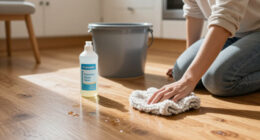
- Use a microfiber mop or cloth dampened with plain water or a mild, pH-neutral cleaner specifically formulated for vinyl flooring. These cleaners are designed to clean effectively without compromising the adhesive or surface integrity.
- Avoid soaking the floor—stick to damp, not wet, mops. Excess water can seep into seams or edges, weakening the adhesive over time and potentially causing tiles to lift or bubble.
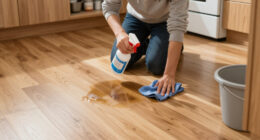
- For stubborn spots, gently scrub with a soft cloth dipped in cleaner, then rinse with a clean damp cloth. This method minimizes the risk of surface damage and avoids aggressive scrubbing that could loosen adhesive or scratch the vinyl.
Think of your vinyl floor as delicate fabric—clean it gently, with minimal water and gentle cleaners, to preserve both its appearance and adhesion. Regularly using these safe cleaning techniques helps prevent the gradual breakdown of the adhesive and surface, ensuring your floors stay beautiful and intact for years. Neglecting proper care or using harsh methods can lead to premature damage, costly repairs, and replacement needs. Taking the time to clean carefully preserves both the visual appeal and structural integrity of your flooring, safeguarding your investment over the long term.
As an affiliate, we earn on qualifying purchases.
Comparison Table: Steam Mopping vs. Gentle Cleaning for Vinyl
| Feature | Steam Mopping |
|---|---|
| Heat & Moisture | |
| Risk of damage | High — can warp, discolor, weaken adhesive, and cause bubbling or lifting |
| Manufacturer approval | Usually no — check product label for specific guidance |
| Ease of use | Fast, convenient for deep cleaning but risky for vinyl |
| Long-term impact | Potential for costly repairs, reduced lifespan of flooring |
As an affiliate, we earn on qualifying purchases.
How to Spot If Your Vinyl Floor Has Been Damaged
Look for signs like peeling edges, bubbling, warping, or discoloration. A common scenario: after a steaming session, you notice a section of tiles lifting or changing shade. These are red flags that moisture or heat has compromised the surface or adhesive. Early detection is crucial because the longer damage goes unnoticed, the more difficult and expensive it becomes to repair. Regular inspections—especially in high-traffic or moisture-prone areas—allow you to catch issues before they spread. When you see early signs like loose edges or slight bubbling, addressing them promptly by re-adhering or replacing affected tiles can prevent extensive re-flooring. Recognizing and acting on these signs preserves the safety and appearance of your floor, while also saving money and effort in repairs.
Frequently Asked Questions
Can I use a steam mop on peel-and-stick vinyl tiles?
Most manufacturers advise against it unless explicitly stated. The heat and moisture can weaken the adhesive and damage the surface, reducing your floor’s lifespan.What’s the best way to clean vinyl tiles safely?
Sweep or vacuum regularly, then mop with a damp cloth and a mild, pH-neutral cleaner. Avoid excess water or harsh chemicals to keep the adhesive intact.Are peel-and-stick vinyl tiles waterproof?
They are water-resistant but not fully waterproof. Prolonged exposure to moisture can cause issues like lifting or warping.How long can I expect my vinyl tiles to last?
With proper care, you can expect 10-20 years of good service, but neglecting gentle cleaning can shorten that lifespan.Can I replace individual damaged tiles easily?
Yes, if the adhesive is still good. Carefully lift the damaged tile and replace it with a new one, matching the pattern and adhesive surface.Conclusion
Protect your vinyl floors by sticking to gentle cleaning methods. Think of your peel-and-stick tiles as delicate artwork—clean them with care, and they’ll reward you with years of beauty. Remember: a quick steam session might seem like a shortcut, but it’s a costly mistake waiting to happen. Keep your floors safe, and enjoy their fresh look for a long time.
Halloween Picks
halloween
As an affiliate, we earn on qualifying purchases.