TL;DR

Get cleaning gear delivered free — and shop member deals
- Fast, free delivery on millions of items
- Access to Prime Big Deal Days deals on October 6–7
- Prime Video, Amazon Music and more included
Steam mopping rubber gym flooring can be safe if you use low-temperature steam and follow manufacturer guidelines. Overheating or prolonged exposure risks damage, so caution and proper technique are key.
Imagine a shiny, spotless rubber gym floor after a quick steam clean. It looks fresh, smells clean, and you wonder: is this safe for the rubber? Many gym owners and cleaning enthusiasts ask if steam mopping is a good idea for rubber floors, given the allure of chemical-free sanitizing. The truth is, it depends. Knowing the material, the steam cleaner’s settings, and manufacturer warnings can make the difference between a sanitized surface and a costly repair.
This guide cuts through the hype. We’ll explore what makes rubber gym flooring unique, how steam cleaning works, and whether it risks damage or delivers a deep clean. By the end, you’ll have clear, practical advice to keep your rubber floors hygienic without risking warping or cracking.
Always check your rubber flooring’s manufacturer instructions before using a steam mop.
Use a steam cleaner set at low or medium temperature, and keep it moving — don’t hold it in one spot.
Regular sweeping and damp mopping are effective for routine cleaning; reserve steam cleaning for periodic deep cleaning.
High heat or prolonged steam exposure can cause warping, cracking, or discoloration in rubber floors.
Inspect your floors regularly for signs of damage—early detection can save money and extend their life.
What Is Rubber Gym Flooring and Why It Matters
Rubber gym flooring is typically made from recycled or virgin rubber compounds. It’s designed to absorb shock, reduce noise, and resist slips — making it a favorite for fitness centers. Think of it as a thick, resilient mat that can handle drops, heavy equipment, and high foot traffic.
But not all rubber is the same. Some floors are softer, more porous, or have a rubber coating that reacts differently to heat and moisture. For example, a dense, virgin rubber floor might shrug off steam, while a thinner recycled rubber layer could warp or discolor.
Understanding the specific type of rubber is crucial because it directly influences how your flooring will respond to cleaning methods. High-quality, dense rubber tends to be more resistant to water and heat, but even these can suffer damage if exposed to excessive heat or prolonged steam exposure. Conversely, softer or porous rubber surfaces are more susceptible to warping, bubbling, or discoloration. Recognizing these differences helps prevent accidental damage and ensures you choose the safest cleaning method for your particular flooring.
Knowing the material helps. If your gym floor is made from high-quality, dense rubber, it’s generally resistant to water and mild cleaning. But exposure to intense heat or prolonged steam can still be risky, especially if the manufacturer hasn’t approved steam cleaning.
low temperature steam mop for rubber floors
As an affiliate, we earn on qualifying purchases.
As an affiliate, we earn on qualifying purchases.
How Steam Mopping Works and Why It’s Popular in Gyms
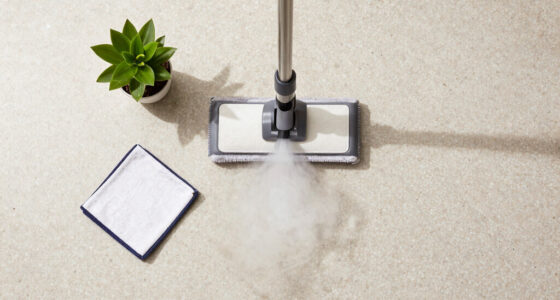
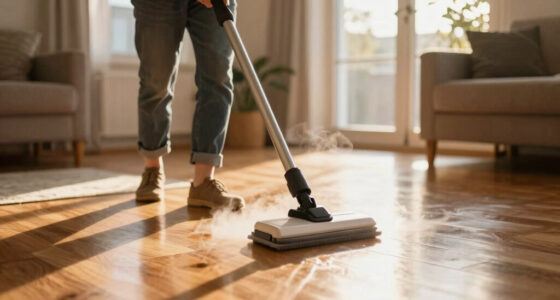
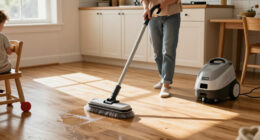
Steam mops heat water to generate hot vapor—often reaching temperatures above 212°F (100°C). This vapor penetrates dirt and grime more effectively than traditional cleaning methods, loosening stubborn residues and killing bacteria at their source. The rapid evaporation means surfaces dry quickly, reducing the risk of slip hazards and minimizing downtime.
In gyms, where hygiene and quick turnaround are critical, steam mopping offers an attractive solution. Its chemical-free nature means no harsh cleaners are necessary, making it safer for sensitive skin and reducing chemical residues that could irritate users or damage equipment. Additionally, the deep sanitation provided by steam can reach into textured rubber surfaces, helping maintain a hygienic environment.
Modern steam cleaners often feature adjustable settings—some with multiple steam levels—allowing users to tailor heat and pressure according to the surface type. This flexibility is vital because rubber floors vary in density and porosity. Proper adjustment can enhance cleaning efficacy while minimizing the risk of damage. The ability to control steam output is especially important in gym settings, where avoiding excessive heat exposure can prolong the lifespan of rubber flooring.
However, the appeal of steam cleaning must be balanced with caution. High heat or prolonged contact can cause rubber to warp, crack, or discolor. Therefore, understanding how to use these devices correctly is key to leveraging their benefits without incurring damage.
rubber gym flooring cleaning tools
As an affiliate, we earn on qualifying purchases.
As an affiliate, we earn on qualifying purchases.
Is Steam Mopping Rubber Floors Safe? What the Experts Say
Steam mopping rubber floors can be safe when approached correctly, but the key lies in understanding the material’s limits and using appropriate techniques. Experts emphasize that low-temperature steam—below 212°F (100°C)—generally does not harm rubber if used with caution. The significance of this is that it allows for effective sanitation without risking warping or cracking, provided the temperature stays within safe bounds.
Recent studies and feedback from flooring manufacturers reinforce that the risk of damage increases with higher temperatures and longer exposure times. For example, a gym owner in Ohio found that using a steam cleaner set at medium heat, with gentle, quick passes, kept the floor clean and intact over a year. Conversely, using high heat or holding the steam head in one spot for too long resulted in discoloration and warping, illustrating the fine line between effective cleaning and damage.
Manufacturers often provide specific instructions—some explicitly prohibit steam cleaning—because rubber formulations vary widely. Ignoring these guidelines can lead to unintended damage, such as surface degradation or cracking. Therefore, it’s crucial to consult your flooring’s manufacturer and follow their advice. When used correctly, steam mopping can be a safe, effective cleaning method that maintains hygiene without compromising the integrity of your rubber flooring.
In summary, experts agree that with proper technique—especially controlling temperature and exposure time—steam mopping can be a safe addition to your cleaning routine. The critical factor is respecting the material’s sensitivities and adhering to manufacturer recommendations.
steam cleaner for rubber gym flooring
As an affiliate, we earn on qualifying purchases.
As an affiliate, we earn on qualifying purchases.
The Risks of Too Much Heat: When Steam Becomes a Problem
Exposing rubber flooring to excessive heat can lead to irreversible damage, turning a resilient surface into one riddled with issues. Rubber’s molecular structure is sensitive to high temperatures, particularly those exceeding 212°F (100°C). When subjected to such heat, the rubber can soften, warp, crack, or become discolored. These effects compromise both the appearance and the structural integrity of your flooring, potentially leading to costly repairs or replacements.
For instance, a gym in Texas used a steam mop set at high heat for a quick deep clean. The following week, they noticed dull patches, bubbling, and small cracks along the seams. This illustrates how high heat can accelerate material fatigue, especially if applied repeatedly or held in one spot. Rubber expands when heated, and if this expansion is uneven or excessive, it causes internal stresses that weaken the material. Over time, these stresses can cause cracks or surface peeling.
Prolonged exposure to intense steam can also cause surface degradation, creating a rough or uneven texture that is both unsightly and potentially hazardous. If you observe bubbling, peeling, or discoloration after cleaning, it’s a clear sign that the rubber has been stressed beyond its safe limits. To prevent this, always keep the steam device moving, avoid high-temperature settings unless absolutely necessary, and adhere to manufacturer guidelines.
In essence, understanding the thermal limits of rubber flooring and respecting them is vital. When in doubt, err on the side of caution—using lower temperatures and shorter contact times—to preserve the longevity and safety of your gym surface.
As an affiliate, we earn on qualifying purchases.
Best Practices for Safely Using a Steam Mop on Rubber Floors
- Check your flooring manufacturer’s instructions. If steam cleaning isn’t recommended, stick to damp mopping. This simple step ensures you don’t inadvertently void warranties or cause damage due to incompatible cleaning methods.
- Use a steam cleaner with adjustable temperature settings. Always set it to low or medium heat. This control allows you to tailor the cleaning process, minimizing the risk of heat-related damage while still achieving sanitation.
- Test a small, hidden area first. Wait 24 hours to see if there’s any discoloration, warping, or other signs of stress. This precaution helps you gauge how your specific rubber flooring responds before tackling larger areas.
- Keep the steam head moving — don’t hold it in one spot for more than a few seconds. This prevents localized overheating and reduces the risk of creating hot spots that could damage the rubber surface.
- Avoid excessive moisture. After steaming, make sure the floor dries quickly—use fans or open windows if necessary. Prolonged dampness can weaken rubber or promote mold growth.
- Limit deep steam cleaning to once a month or less, unless your manufacturer says otherwise. Regular maintenance through sweeping and damp mopping is often sufficient for routine cleanliness and extends the life of your flooring.
For example, a gym in Colorado used a low-heat steam cleaner once a month, following these steps diligently. Their floors remained shiny, resilient, and damage-free for over a year, demonstrating that careful, consistent practice pays off.
Remember: gentle, consistent cleaning methods are more effective and longer-lasting than aggressive, hot steam treatments. Patience and moderation will preserve your rubber floors’ appearance and structural integrity for years to come.
Alternatives to Steam Mopping for Rubber Floors
If you’re hesitant about steam, don’t worry. Regular sweeping removes dust and dirt effectively, preventing buildup that can degrade rubber over time. Damp mopping with a mild soap solution is also a gentle yet efficient way to clean without risking heat damage. For stubborn stains, always use cleaning products recommended by your flooring manufacturer—these are formulated to be safe for rubber and help maintain its durability.
Here are some alternatives:
- Dry sweeping or vacuuming daily to remove loose debris and prevent scratching.
- Damp mopping with water and a gentle, pH-neutral cleaner weekly for routine maintenance.
- Spot cleaning with a soft cloth and mild soap for localized stains or spills, reducing the need for aggressive cleaning methods.
- Deep cleaning with manufacturer-approved products every few months to remove embedded dirt and restore appearance.
These methods are safer and help extend the lifespan of your rubber floors, especially when combined with regular inspections and proper maintenance routines.
For example, a martial arts studio in Florida swears by regular damp mopping with a pH-neutral cleaner. They avoid steam entirely, and their floors last years without issues, demonstrating that gentle, consistent cleaning can be both effective and safe.
Signs Your Rubber Floor Is Suffering from Steam Damage
Early signs of damage from steam cleaning include bubbling, cracking, or discoloration—these indicate that the rubber’s molecular structure has been compromised. Warping or a dull, rough surface may also develop over time, often unnoticed until significant deterioration occurs. Recognizing these signs early is essential to prevent further damage and costly repairs.
For instance, a fitness center in Texas noticed a patch of dull, cracked rubber after a few months of steam cleaning at high heat. The cracks expanded, and the surface became uneven, forcing them to replace that section—costing hundreds of dollars and disrupting their routine. This example underscores how improper steam use can accelerate wear and tear.
Regular inspection is vital. Look for surface roughness, discoloration, bubbling, or cracking. If damage appears, cease steam cleaning immediately and consult the flooring manufacturer or a flooring professional for assessment. Prompt action can often salvage minor issues through cleaning, sealing, or minor repairs. But extensive warping or cracking typically requires replacement, emphasizing the importance of preventative care and cautious cleaning techniques.
Early detection and response can save money and extend the life of your floors. Keeping a close eye on their condition ensures you catch problems before they escalate, maintaining both safety and aesthetics.
Frequently Asked Questions
Is steam mopping safe for all types of rubber gym flooring?
Not necessarily. Dense, high-quality rubber floors handle low-temperature steam well, but softer or recycled rubber may be more sensitive. Always check your manufacturer’s instructions before steaming.How can I tell if my rubber floor is damaged by steam cleaning?
Look for signs like bubbling, cracking, discoloration, or a dull, rough surface. If you notice any of these, stop steam cleaning and consult a professional or the manufacturer.How often should I steam clean my rubber gym floor?
Typically, once a month or less is safe, unless your manufacturer advises more frequent cleaning. Regular sweeping and damp mopping suffice for weekly maintenance.What temperature setting should I use on my steam cleaner?
Set it to low or medium—below 212°F (100°C)—to minimize risk. Always test a small, hidden area first to observe any adverse reactions.Are there safer alternatives to steam for cleaning rubber gym floors?
Yes. Routine sweeping, damp mopping with mild soap, and spot cleaning with approved products are safer options that still keep floors clean and durable.Conclusion
Steam mopping rubber gym flooring isn’t inherently bad — it’s all about how you do it. The right settings, careful timing, and following manufacturer guidance make a big difference. With proper technique, you can sanitize your floors effectively without risking damage.
Imagine your gym floor gleaming and resilient, ready for every workout. A little caution and maintenance go a long way to preserving that shine. When in doubt, stick to gentle cleaning methods—your rubber floors will thank you for it.
Halloween Picks
halloween
As an affiliate, we earn on qualifying purchases.