TL;DR

Get cleaning gear delivered free — and shop member deals
- Fast, free delivery on millions of items
- Access to Prime Big Deal Days deals on October 6–7
- Prime Video, Amazon Music and more included
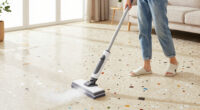
Steam mopping can be safe for terrazzo floors if the surface is properly sealed and you use low steam settings. Proper precautions prevent moisture damage and preserve the floor’s beauty.
Steam mopping sounds like a quick, eco-friendly way to clean your floors. But is it safe for delicate surfaces like terrazzo? Many homeowners wonder if high-temperature steam might cause cracks, discoloration, or damage the embedded chips of marble, quartz, or glass. If you love the shiny, speckled look of terrazzo, you want to keep it looking its best without risking harm.
This guide will reveal what you need to know before firing up that steam mop. You’ll learn how terrazzo reacts to steam, what precautions to take, and how to tell if your floor can handle it. Because when it comes to delicate, decorative surfaces, a little knowledge can save you a lot of trouble—and money.
Properly sealed terrazzo floors can usually withstand low- to moderate-temperature steam mopping if done carefully.
Always test a small, hidden area before full cleaning to check how your terrazzo reacts to steam.
Use the lowest effective steam setting and keep the mop moving to avoid moisture buildup.
Unsealed or worn terrazzo is at risk from moisture penetration—damp mops or dry cleaning are safer options.
Consult your flooring manufacturer or professional if you’re unsure about your terrazzo’s condition or sealant.
What Is Terrazzo and Why Does It Matter for Steam Cleaning?
Terrazzo is a vibrant, durable surface composed of chips—marble, quartz, or glass—embedded in concrete or resin. The surface’s beauty lies in its variety of colors and textures, but that also makes it tricky to clean. The protective sealant on terrazzo is what keeps moisture and dirt out of the tiny gaps.
If the sealant wears down or cracks, moisture from steam can seep in, causing stains, cracks, or even the chips to loosen. Think of terrazzo like a fancy cake—delicately layered and best kept sealed and intact to stay fresh. When you use a steam mop, you’re applying high heat and moisture that can either be gentle or damaging, depending on the floor’s condition.
Understanding this is crucial because the composition of terrazzo means it can be both resilient and fragile. The embedded chips are often more sensitive to moisture and heat than the surrounding matrix. If the sealant is compromised, moisture can infiltrate, leading to internal damage that isn’t immediately visible but can cause long-term deterioration. Conversely, a well-maintained, sealed terrazzo can tolerate gentle steam cleaning, maintaining its appearance and structural integrity. The key is knowing your floor’s condition and adjusting your cleaning approach accordingly.
As an affiliate, we earn on qualifying purchases.
How Modern Steam Mops Are Different and Why That Matters
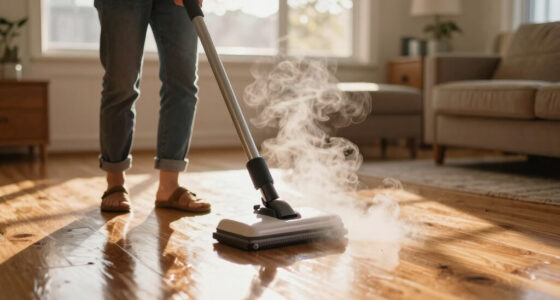
Today’s steam mops often feature adjustable steam levels, which can make all the difference for terrazzo floors. Instead of blasting high heat and steam, you can dial down to a gentle setting. Some models even have sensors that regulate temperature, preventing excessive heat buildup.
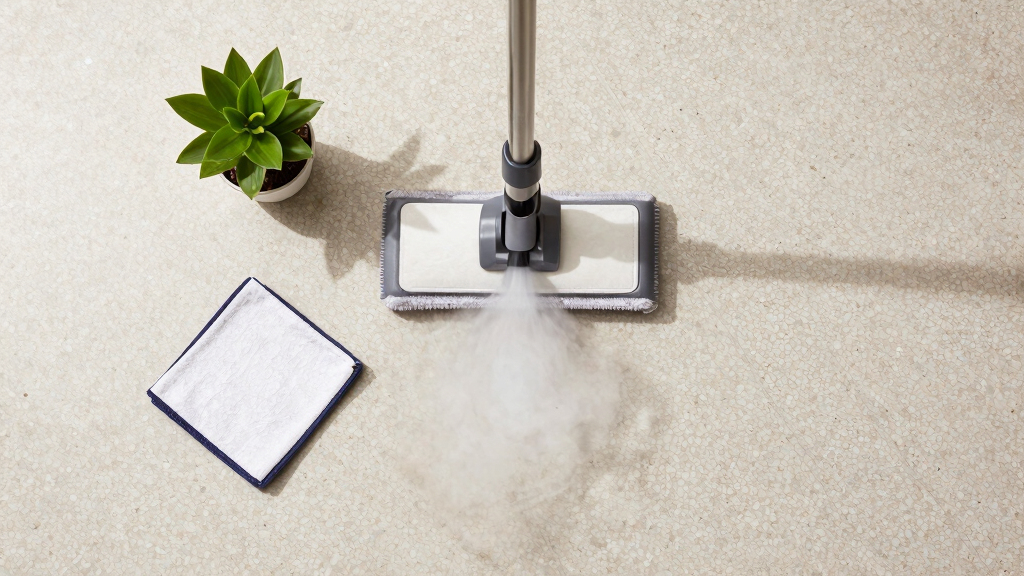
Imagine a cleaning session: you glide a low-steam mop across your terrazzo, watching for a faint mist and feeling a cool surface. That’s the safest way to avoid moisture overload. This control is vital because high steam settings can cause rapid expansion and contraction of the surface materials, potentially leading to cracks or loosening of chips. Low, controlled steam minimizes these risks by reducing thermal stress and excess moisture exposure.
According to an anonymous researcher from the Steam Mop List, the latest models with variable steam settings are generally safer for delicate surfaces when used properly. The ability to fine-tune the steam output allows homeowners to balance cleaning effectiveness with surface safety, especially on sealed terrazzo where overexposure to heat and moisture can be detrimental. This technological advancement offers a more nuanced approach, giving users the flexibility to adapt to their specific floors’ needs and avoid unintended damage.
In essence, understanding and utilizing these features can significantly extend the lifespan of your terrazzo floor, preventing costly repairs and preserving its aesthetic appeal.
As an affiliate, we earn on qualifying purchases.
Sealing and Surface Condition: Your Best Allies or Biggest Risks
The safety of steam mopping terrazzo hinges on the floor’s sealant and condition. A sealed terrazzo acts like a waterproof jacket—protecting the surface from moisture penetration. If your terrazzo is well sealed, low to moderate steam cleaning usually won’t cause harm.
However, if the sealant is cracked, worn, or absent, moisture can seep in, causing discoloration, loosening of chips, or cracks. For example, a homeowner with a terrazzo floor that’s more than 20 years old might notice dull spots or hairline cracks—signs that the sealant has degraded. When the sealant is compromised, even gentle steam can accelerate deterioration because the moisture penetrates deeper into the substrate, weakening the structure over time. This can lead to a cycle where the floor becomes more vulnerable, requiring extensive repairs or re-sealing.
Before steam cleaning, check the floor’s condition. A simple test: place a small amount of water on an inconspicuous area. If it beads and stays put, your seal is intact. If it soaks in, it’s time to re-seal or opt for alternative cleaning methods. Recognizing the importance of sealant condition helps prevent unintended damage and prolongs the life of your terrazzo. Regular inspections and timely re-sealing are essential for maintaining its resilience against moisture-based cleaning methods like steam mopping.
As an affiliate, we earn on qualifying purchases.
Step-by-Step: How to Safely Use a Steam Mop on Your Terrazzo Floor
- Check the manufacturer’s guidelines for your specific terrazzo flooring or sealant.
- Ensure the floor is thoroughly swept or vacuumed to remove loose dirt and debris.
- Test a small, hidden area with the lowest steam setting to see if the surface reacts negatively. Observe for any dulling, discoloration, or warping.
- Use the steam mop in slow, controlled passes, avoiding prolonged contact in one spot. Keep the mop moving to prevent moisture from pooling.
- Maintain a consistent, gentle motion—this reduces thermal stress and prevents over-saturation of any one area.
- Immediately dry the area with a clean microfiber cloth if you notice any excess moisture or streaking.
- Repeat or re-seal if you notice dullness, discoloration, or chips after cleaning, indicating potential damage or sealant failure.
For example, a homeowner followed these steps and found that their sealed terrazzo remained shiny and intact after regular low-steam cleaning, prolonging its lifespan. This careful approach helps balance cleanliness with preservation.
Remember: patience and moderation are your best tools when using a steam mop on delicate surfaces. Overdoing it or using high heat can undo the protective seal and cause long-term harm.
By understanding your floor’s specific needs and applying controlled steam, you can enjoy a clean, beautiful terrazzo without risking damage.
best steam mop for delicate floors
As an affiliate, we earn on qualifying purchases.
As an affiliate, we earn on qualifying purchases.
Are There Safer Alternatives to Steam Mopping?
Yes. If you’re unsure about your terrazzo’s sealant or want to be extra cautious, alternative cleaning methods are safer yet effective. Damp mopping with a pH-neutral cleaner works well without risking moisture damage. This method reduces the risk of water infiltration, especially on unsealed or aging floors, while still lifting dirt and grime efficiently.
For instance, a damp microfiber mop with a gentle, neutral cleaner can pick up dirt and grime without soaking the surface. Dry dust mopping regularly keeps debris from scratching or dulling the finish. These methods provide a controlled cleaning process, minimizing the risk of long-term damage caused by excess moisture or heat.
Imagine a homeowner using just a damp cloth on their terrazzo—no risks of moisture seeping in, yet their floors look bright and clean. For delicate or unsealed terrazzo, these methods are often the safest choice because they preserve the integrity of the surface and prevent moisture-related issues.
Choosing these safer alternatives ensures your terrazzo remains beautiful and intact over time, especially if you’re unsure about the sealant’s condition or prefer a more cautious approach.
How to Tell if Your Floor Can Handle Steam Cleaning
Knowing your terrazzo’s compatibility with steam is key. First, check with the manufacturer or flooring professional—these surfaces vary in their resilience. A well-maintained, sealed terrazzo with a shiny, water-repellent surface is more likely to withstand gentle steam cleaning.
Look for signs of a healthy sealant: a shiny surface, no cracks, and water beading. If unsure, test with a small amount of water or a low-steam setting in an inconspicuous corner. Observe whether the water beads up and remains on the surface or soaks in and causes dullness or discoloration.
For example, if the test water beads up and stays put, your terrazzo is likely safe for gentle steam cleaning. If it soaks in or causes dullness, avoid steam altogether or consult a professional. Recognizing these signs helps prevent accidental damage and ensures you choose the best cleaning method for your specific floor condition.
Frequently Asked Questions
Can I steam mop my terrazzo floors if they are unsealed?
It’s best to avoid steam mopping unsealed terrazzo. Moisture can seep into the porous surface, causing stains, discoloration, or chips. Instead, opt for dry dusting or damp mopping with a neutral cleaner.
How often can I safely steam mop my terrazzo floor?
If your terrazzo is sealed and the steam mop settings are low, once every few weeks is generally safe. Always monitor the floor’s appearance and re-seal if you notice dullness or cracks.
What signs indicate my terrazzo sealant is failing?
Look for dull patches, water soaking into the surface, or small cracks. These suggest the sealant is compromised, and you should consider re-sealing before using steam again.
Are there specific steam mop features I should look for?
Choose models with adjustable steam levels, sensors, and quick-release pads. These features give you better control, reducing the risk of moisture damage.
Is steam cleaning better than traditional mopping for terrazzo?
Steam cleaning offers a chemical-free way to sanitize and clean, but it’s not always necessary or safe for unsealed surfaces. Traditional damp or dry mopping remains a safer bet for delicate terrazzo.
Conclusion
When used with caution, steam mopping can shine as a safe cleaning method for properly sealed terrazzo floors. The secret is control—low steam, quick passes, and regular inspection keep your surface looking vibrant and intact.
Think of your terrazzo as a treasured piece of art: gentle care and attention preserve its beauty for years to come. Before steaming, double-check your floor’s sealant and condition—because a little prep goes a long way for lasting shine.
Halloween Picks
halloween
As an affiliate, we earn on qualifying purchases.