TL;DR

Get cleaning gear delivered free — and shop member deals
- Fast, free delivery on millions of items
- Access to Prime Big Deal Days deals on October 6–7
- Prime Video, Amazon Music and more included
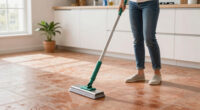
Steam mops can be safe for saltillo tiles if they are sealed properly. Unsealed tiles risk warping, cracking, or staining from moisture and high temperatures. Always test and follow manufacturer guidance.
Saltillo tiles bring warmth and rustic charm to any home, but their porous clay surface demands gentle handling. Many wonder if a steam mop, known for quick, chemical-free cleaning, is safe for these delicate floors. The truth? It depends on the tile’s condition and how you use your steam cleaner.
In this guide, you’ll learn what makes saltillo tiles vulnerable, how sealing changes the game, and the best practices to keep your floors beautiful without risking damage. Whether you’re a seasoned DIYer or just cautious about moisture, understanding these nuances can save you from costly repairs.
Always test your saltillo tiles’ sealing status before using a steam mop.
Modern sealers and low-temperature steam mops reduce damage risks, but unsealed tiles remain vulnerable.
Dry sweeping and damp mopping with pH-neutral cleaners are safest for unsealed or porous saltillo.
Resealing every 1-3 years maintains protection against moisture and stains.
When in doubt, consult a flooring professional and avoid high-heat steam on unsealed saltillo.
Why Saltillo Tiles Need Special Care Before Steam Cleaning
Saltillo tiles are made from clay, traditionally unglazed, giving them that earthy, textured look. This natural porosity means they absorb water easily, which can lead to warping or staining if not sealed. Think of unsealed saltillo as a sponge—moisture seeps in, potentially causing damage.
For example, a homeowner who didn’t seal their saltillo found dark spots forming after mopping with plain water. The porous surface soaked up moisture, and over time, this led to discoloration and surface deterioration.
Sealing creates a protective barrier, preventing water from penetrating the tile. Modern sealers are more durable than ever, lasting 1-3 years depending on foot traffic. Proper sealing is the first step before considering any steam cleaning.
As an affiliate, we earn on qualifying purchases.
What Happens When You Use a Steam Mop on Saltillo? Damage Risks You Can’t Ignore
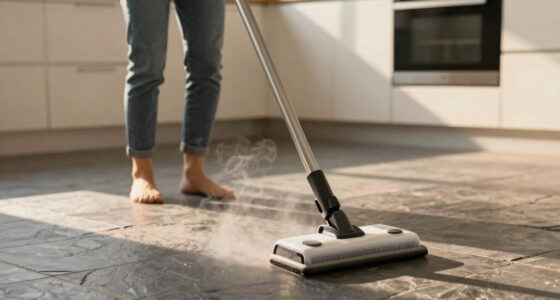
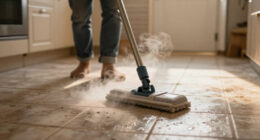
Steam mops generate high-temperature steam that can penetrate porous materials. On unsealed or poorly sealed saltillo, this moisture can cause staining, warping, or cracking. The intense heat may also weaken the tile’s structure over time.
Imagine walking on a saltillo floor with a steam mop set at full blast—steam seeps into every pore, and if the tile isn’t sealed, you risk damage. For instance, a homeowner using a standard steam mop without checking the seal ended up with cloudy spots and slight warping after a few months.
Even modern, low-temperature steam mops aren’t a magic shield. While they reduce risk, they still pose potential harm if the tile isn’t properly prepared or if you don’t use the right settings. Damage isn’t always immediate, but it can develop gradually, undermining your floor’s beauty and stability.
Understanding these risks underscores why knowing your tile’s sealing status and choosing appropriate cleaning methods are crucial. The high heat and moisture from steam cleaning can compromise the structural integrity of porous, unsealed clay tiles over time, leading to costly repairs or replacements. The tradeoff is clear: while steam cleaning offers convenience, it can jeopardize your investment if not done carefully.
low temperature steam mop for tile
As an affiliate, we earn on qualifying purchases.
As an affiliate, we earn on qualifying purchases.
How to Tell if Your Saltillo Tile Is Sealed or Not
Knowing your tile’s sealing status is simple. Perform a water test: place a few drops of water on the surface. If the water beads up, your saltillo is likely sealed. If it soaks in quickly, it’s unsealed or poorly sealed.
For example, a homeowner noticed water immediately darkening their saltillo after mopping. They realized their tiles needed sealing before attempting any steam cleaning.
Another way is to check for a visible sealer sheen or ask the installer or previous owner. If you’re unsure, consulting a flooring professional is a safe bet. Recognizing whether your saltillo is sealed is critical because it directly affects how vulnerable your floors are to moisture damage during cleaning. An unsealed tile behaves like a sponge, rapidly absorbing water or steam, which can cause long-term harm. Conversely, a sealed surface repels moisture, allowing safer cleaning with damp or steam methods if the seal is intact. This knowledge helps you weigh your cleaning options and avoid unintentional damage.
As an affiliate, we earn on qualifying purchases.
Best Cleaning Methods for Saltillo Tiles That Won’t Damage Them
Dry sweeping or vacuuming removes loose dirt and debris without introducing moisture. For regular cleaning, damp mopping with a pH-neutral cleaner keeps the surface fresh without risking water absorption.
Imagine gently wiping away dust and dirt from your saltillo with a soft microfiber mop. This preserves the tile’s natural texture and avoids any risk of moisture damage.
Sealed saltillo can handle occasional damp mopping, but always test first. Never use harsh chemicals or abrasive scrubbers—they can wear down the sealer or scratch the surface. Employing these gentle methods ensures that your tiles remain protected from unnecessary moisture exposure, which is especially important for unsealed or porous surfaces. The tradeoff here is between cleanliness and preservation: using too much water or harsh chemicals can accelerate deterioration, while proper, gentle cleaning prolongs the life and beauty of your saltillo floors.
Periodic resealing every 1-3 years maintains protection, especially in high-traffic areas, creating a barrier that minimizes moisture penetration even during routine cleaning.
As an affiliate, we earn on qualifying purchases.
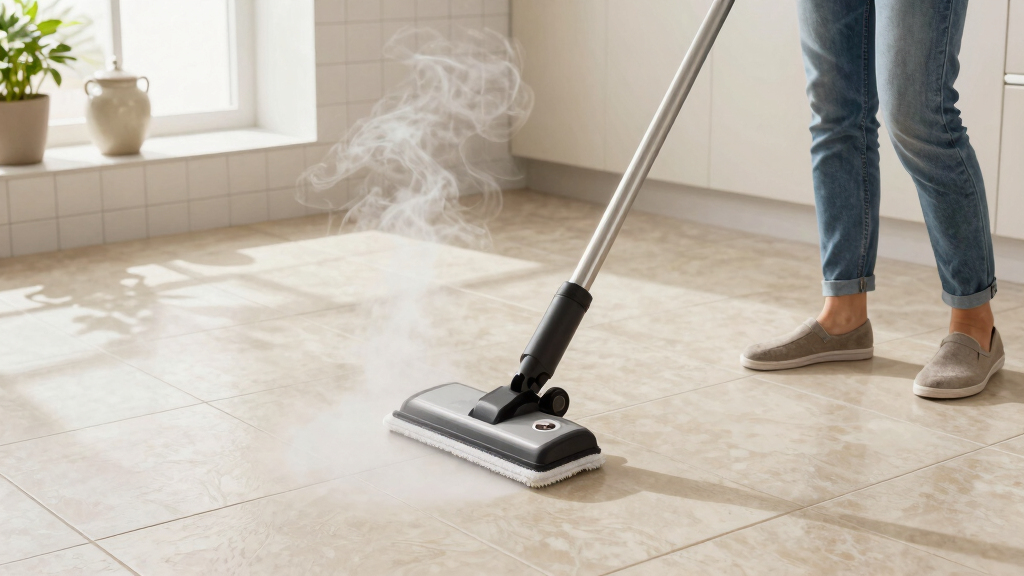
How to Use a Steam Mop Safely on Your Saltillo Floor
- Check sealing status: Perform the water test or ask a professional.
- Choose a low-temperature, low-pressure steam mop model. Modern units often have adjustable settings.
- Test a small, hidden area first. Wait 24 hours to see if there’s any discoloration or damage.
- Use the steam mop with minimal water and avoid holding it in one spot too long.
- Follow manufacturer instructions strictly. If unsure, skip steam altogether.
For example, a homeowner used a steam mop at the lowest setting on their sealed saltillo, moving quickly and avoiding staying in one spot. The result? Clean floors without damage.
Remember: the goal is gentle cleaning, not deep sterilization. When in doubt, stick with dry or damp mopping.
Understanding the risks and proper technique is essential. Using a steam mop improperly on unsealed or porous saltillo can cause irreversible damage, including warping, staining, or cracking. The tradeoff is between convenience and potential damage—being cautious minimizes risks, ensuring your floors retain their rustic charm for years to come.
Alternatives to Steam Cleaning for Saltillo Floors
If your saltillo isn’t sealed or if you prefer extra caution, stick to dry methods. Broom, vacuum, and damp mop with a pH-neutral cleaner are safest. For stubborn dirt, a soft brush or mop with a little water works fine.
For example, a homeowner with unsealed saltillo found their best method was a quick broom sweep followed by a damp microfiber mop soaked in mild soap and water. No damage, just a clean, rustic look.
Remember, moisture is your enemy unless the tile is sealed. Regular maintenance with dry or mildly damp cleaning preserves the natural beauty of saltillo floors. The tradeoff here is safety versus thoroughness: while dry methods are safer, they may require more frequent attention to keep the surface looking its best without risking moisture damage.
How Often Should You Reseal Saltillo Tiles? Keep Them Protected
Sealing isn’t a one-time task. For most homes, resealing every 1-3 years keeps moisture out and preserves the look. High-traffic areas may need more frequent attention.
Imagine a busy kitchen with saltillo tiles that start to look dull or develop dark spots—those are signs it’s time to reseal.
Applying a high-quality sealer is straightforward but requires cleaning the surface thoroughly first. Follow the product instructions carefully for the best results.
Regular resealing is like giving your floors a fresh coat of armor—protecting against moisture, stains, and wear. Proper resealing not only maintains the aesthetic appeal but also ensures the longevity of your tiles by reinforcing their resistance to moisture infiltration and physical wear, especially in high-traffic areas. The tradeoff involves regular maintenance commitment versus long-term preservation.
Frequently Asked Questions
Can I use a steam mop on unsealed saltillo tile?
It’s risky. Unsealed saltillo absorbs water and steam can cause staining, warping, or cracking. Always check sealing status first and consider safer alternatives.How do I know if my saltillo tile is sealed?
Perform a water test: place a few drops on the tile. If the water beads up, it’s sealed. If it soaks in quickly, it’s unsealed and needs sealing before steam cleaning.What cleaning method is safest for saltillo tile?
Dry sweeping or vacuuming followed by damp mopping with a pH-neutral cleaner is safest. Avoid harsh chemicals and excessive water to protect the porous surface.Can I use a steam mop if my saltillo tiles are sealed?
Yes, if the seal is recent, intact, and your steam mop operates at low temperature and pressure. Always test a small hidden area first.How often should I reseal my saltillo floors?
Re-seal every 1-3 years, depending on foot traffic and wear. Regular resealing keeps moisture out and preserves the natural look.Conclusion
Saltillo tiles can shine for decades—if you treat them right. Proper sealing and gentle cleaning are your best tools to keep their earthy charm intact. When it comes to steam mops, the key is caution and knowing your surface’s condition.
Think of your saltillo as a living piece of art—delicate, textured, and worth care. When in doubt, skip the steam and stick with tried-and-true cleaning methods. Your floors will thank you for it.
Halloween Picks
halloween
As an affiliate, we earn on qualifying purchases.