TL;DR

Get cleaning gear delivered free — and shop member deals
- Fast, free delivery on millions of items
- Access to Prime Big Deal Days deals on October 6–7
- Prime Video, Amazon Music and more included
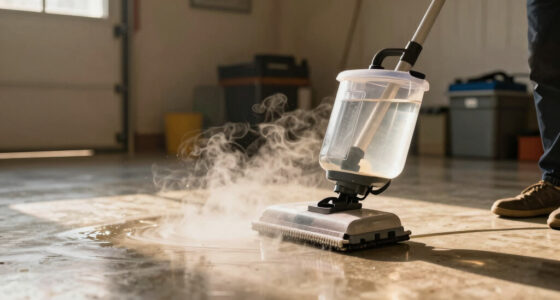
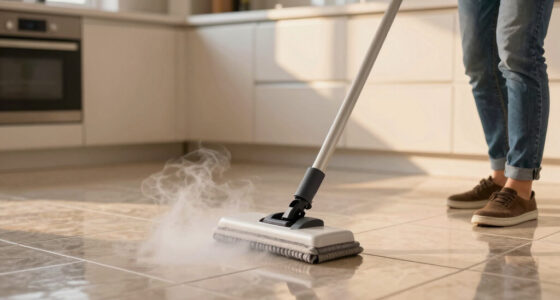
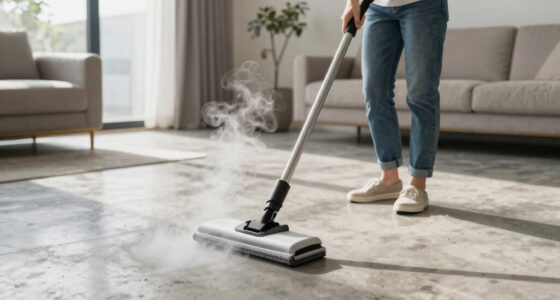
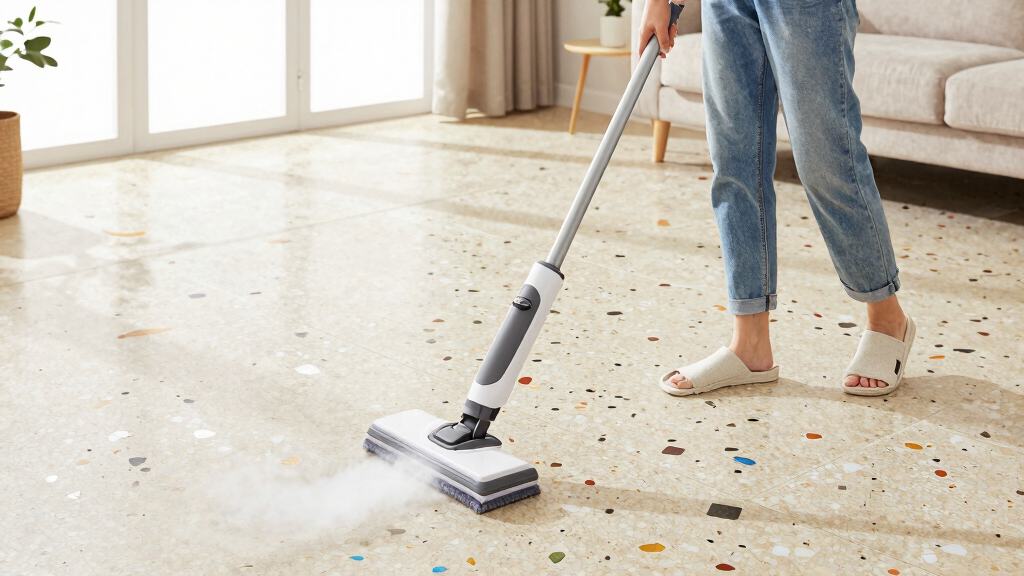
Steam mopping is generally not safe for terrazzo floors because excess moisture and heat can weaken the surface. Using damp microfiber mops with neutral cleaners is a safer alternative that protects your floor’s integrity.
Imagine the rich, speckled beauty of a terrazzo floor—marble chips shimmering under a glossy finish. Now, picture a steaming mop gliding across its surface. Does that sound safe? Not necessarily. Many homeowners wonder if steam mopping is a gentle, effective way to keep terrazzo spotless. The truth is, it’s a bit more complicated. In this guide, you’ll learn whether steam mopping risks damaging your terrazzo, what safer alternatives exist, and how to keep your floors looking their best without jeopardizing their lifespan.
Terrazzo is resilient but sensitive to moisture and heat—especially if not properly sealed or maintained. Using the wrong cleaning method can cause cracks, etching, or even long-term deterioration. Knowing the limits of steam cleaning helps you avoid costly repairs and preserves that stunning look for decades.
Most terrazzo manufacturers advise against steam mopping due to moisture risks.
Excess moisture can weaken terrazzo’s cement binder, leading to cracks or surface deterioration.
Damp mopping with neutral, stone-safe cleaners is a safer, effective way to keep terrazzo clean.
Always test cleaning methods in a hidden area before full use.
Professional cleaning and periodic sealing help preserve terrazzo’s beauty and durability.
What Makes Terrazzo Floors Sensitive to Steam Cleaning?
Terrazzo is a composite material made from marble, quartz, glass chips, and a binder—usually cement or epoxy. This blend creates a durable surface, but it’s not invincible. The cement binder, in particular, reacts poorly to excess moisture. When exposed to high heat and water vapor from steam mops, it can weaken or crack.
For example, a homeowner in Florida noticed hairline cracks forming after using a steam mop weekly. The problem? The intense heat and moisture penetrated the surface, slowly breaking down the binder. This gradual deterioration can compromise the structural integrity of the floor, making it more susceptible to further damage and costly repairs. Even sealed terrazzo isn’t immune—seals can wear down over time, allowing moisture to seep in, especially if the sealant isn’t high quality or is compromised.
Understanding this is crucial because it highlights the long-term implications: what might seem like a quick cleaning fix can actually accelerate wear and tear. Heavy or prolonged moisture exposure creates a tradeoff—cleanliness versus durability—where the wrong method can undermine the very beauty you’re trying to maintain.
microfiber mop for terrazzo floors
As an affiliate, we earn on qualifying purchases.
As an affiliate, we earn on qualifying purchases.
Why Most Manufacturers Say ‘Skip the Steam Mop’ for Terrazzo
Many terrazzo manufacturers explicitly warn against using steam mops. Their main concern? Excess water can weaken the cement or epoxy binder, leading to cracks or surface erosion. This isn’t just about immediate damage—it’s about the unseen, cumulative effects that can compromise the floor’s lifespan. The high temperature from steam can also cause surface etching or dullness, especially on polished finishes, reducing the visual appeal and potentially increasing maintenance costs.
For example, a popular terrazzo sealant manufacturer states that steam cleaning can void warranties and cause surface damage. This is because the intense heat and moisture can break down protective layers and allow water to penetrate beneath the surface, leading to internal deterioration. They recommend damp mopping with a neutral pH cleaner—something gentle enough to lift dirt without risking harm—because it strikes a balance between effective cleaning and preserving the integrity of the terrazzo.
This advice isn’t just a scare tactic. It reflects an industry-wide understanding that delicate surfaces like terrazzo require gentle, low-moisture cleaning to prolong their lifespan. The tradeoff is clear: opting for powerful cleaning methods like steam mops may seem efficient but can lead to long-term costs—cracks, dullness, and structural damage—that outweigh the short-term convenience.
As an affiliate, we earn on qualifying purchases.
What Are the Risks of Using a Steam Mop on Terrazzo? (Real Risks, Not Fears)
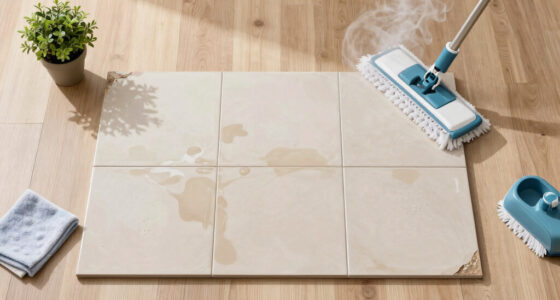
Using a steam mop on terrazzo can lead to several issues that might not be immediately visible but have serious long-term consequences. The primary risk involves moisture seeping into the tiny joints and cracks, especially if the floor isn’t perfectly sealed. Over time, this moisture can weaken the cement or epoxy binder holding the chips together, leading to cracks spreading or the surface developing a cloudy, stained appearance. This deterioration can significantly diminish the floor’s aesthetic and structural integrity, requiring costly repairs or replacement.
Another significant risk is surface etching—particularly on polished terrazzo. The high heat from steam can dull or mar the glossy finish, making the floor look worn and uneven. Additionally, residual water left in joints or pores can promote mold, efflorescence, or other moisture-related issues that compromise indoor air quality and further damage the surface. For example, a commercial space owner used a steam mop weekly, and after several months, noticed small cracks and a dull, cloudy surface. Upon inspection, it was clear that moisture had penetrated beneath the surface, weakening the binder and causing visible damage. This highlights how misuse of steam cleaning can have consequences that go beyond surface appearance, affecting the entire durability of your terrazzo floor.
floor sealing products for terrazzo
As an affiliate, we earn on qualifying purchases.
As an affiliate, we earn on qualifying purchases.
How to Clean Your Terrazzo Floor Safely and Effectively
- Start with a thorough sweep or vacuum to remove loose dirt and debris. Think of it as preparing the canvas before painting—removing particles that could scratch or embed into the surface during cleaning.
- Use a damp microfiber mop—never soaking wet—and a pH-neutral, stone-safe cleaner. Mix according to the label, usually a few drops in a bucket of warm water. The key is controlling moisture; too much water can seep into joints and cause damage over time.
- Wring out the mop thoroughly so it’s damp, not dripping. Mop in gentle, sweeping motions, avoiding excess water pooling in any one spot. This helps prevent water from infiltrating the surface and reduces the risk of long-term damage.
- Dry the surface with a clean, soft cloth or towel immediately after mopping to remove any residual moisture. Proper drying prevents standing water from seeping into joints or pores, which is essential for maintaining terrazzo’s integrity.
- For stubborn spots, gently scrub with a soft-bristled brush and a mild cleaner. Always test in a hidden corner first to ensure compatibility and avoid unintended etching or discoloration.
This method emphasizes gentle, controlled cleaning that respects the delicate balance of moisture and heat in terrazzo floors. It’s about maintaining beauty without risking the long-term health of your surface—like giving your floor a gentle hug instead of a steam bath.
professional terrazzo floor cleaning kit
As an affiliate, we earn on qualifying purchases.
As an affiliate, we earn on qualifying purchases.
Comparison: Steam Mopping vs. Traditional Damp Mopping for Terrazzo
| Feature | Steam Mopping | Damp Mopping with Neutral Cleaner |
|---|---|---|
| Water Usage | High, steam penetrates deeply, increasing risk of moisture infiltration | Low, minimal moisture on surface, reducing risk of damage |
| Surface Impact | Potential etching or cracking if not used carefully; heat and moisture can weaken surface bonds | Safe if done correctly; gentle cleaning preserves surface integrity |
| Ease of Use | Quick, sanitizes as it cleans, but requires careful operation to avoid damage | Requires more effort but is safer and more controlled |
| Risk of Damage | Higher if misused or overused, especially on unsealed or compromised floors | Minimal, especially with proper technique and caution |
| Effectiveness | Sanitizes and loosens grime effectively, suitable for deep cleaning | Removes dirt and spills effectively with less risk |
Opting for damp mopping with gentle, pH-neutral cleaners offers a safer, effective maintenance routine that preserves your terrazzo’s beauty and durability. Save steam cleaning for specialized, infrequent deep cleanings or professional restoration, not routine care.
When Is It Okay to Use Steam on Your Terrazzo Floor?
In most cases, using a steam mop on terrazzo isn’t recommended because the risks often outweigh the benefits. However, if your terrazzo has been sealed with a high-quality, industry-approved sealant, and the manufacturer confirms compatibility, a very light, short burst of steam might be acceptable. This is a rare exception and should only be attempted after thorough testing—preferably in a hidden corner—using the lowest steam setting available.
Some newer steam cleaners have adjustable steam levels—set it to the lowest and keep the pad dry, avoiding prolonged exposure to heat and moisture. Remember, even in these cases, the goal is minimal impact. When in doubt, stick with gentler cleaning methods that are proven to be safe and effective for terrazzo surfaces.
Frequently Asked Questions
Is steam mopping safe for all types of terrazzo floors?
Not necessarily. It depends on the finish, age, and sealing of your terrazzo. Always check manufacturer guidelines and test in a small area first before using steam cleaning tools. Even sealed floors can be damaged if the sealant isn’t designed for heat or moisture exposure, so understanding your specific terrazzo’s composition and condition is key to making an informed decision.
Can sealed terrazzo floors be steamed safely?
Sealing provides some protection, but caution remains. Use very low steam settings and test first. Confirm with the sealant manufacturer for specific advice. Even then, it’s best to limit steam use to avoid unintended damage, especially if the sealant isn’t rated for heat or moisture.
What is the best way to clean terrazzo floors without risking damage?
Use damp microfiber mops with pH-neutral, stone-safe cleaners. Regular sweeping and quick spill cleanup also help maintain their appearance without harm. This gentle approach respects the delicate balance of moisture and heat that terrazzo needs to stay beautiful and resilient over time.
Are there any special products for terrazzo cleaning?
Yes, look for pH-neutral, non-abrasive cleaners designed for natural stone or terrazzo. Avoid harsh chemicals or acidic cleaners that can etch or dull the surface. Choosing the right products helps preserve the floor’s natural beauty and prevents long-term damage.
How do I restore my terrazzo’s shine after cleaning?
Professional polishing and occasional sealing help restore and maintain the glossy look. Regular maintenance, including gentle cleaning and sealing, ensures your terrazzo remains vibrant and durable for many years.
Conclusion
Steam mopping might seem like a quick fix, but it often does more harm than good for terrazzo floors. Stick with gentle damp cleaning methods and regular maintenance to protect that stunning, speckled surface for years to come.
Remember, sometimes less heat and moisture mean more longevity. Treat your terrazzo like the treasured surface it is—delicate yet resilient when cared for properly.
Halloween Picks
halloween
As an affiliate, we earn on qualifying purchases.