TL;DR

Get cleaning gear delivered free — and shop member deals
- Fast, free delivery on millions of items
- Access to Prime Big Deal Days deals on October 6–7
- Prime Video, Amazon Music and more included
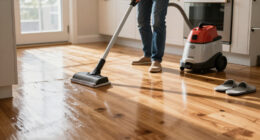
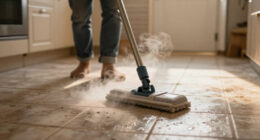
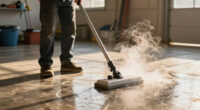
Steam mopping limestone floors can cause water damage and surface etching. It’s safer to stick with gentle, stone-specific cleaning methods and avoid high heat and excess moisture.
Imagine the rich, warm glow of limestone floors—like walking on a bed of smooth, sun-warmed stones. But that beauty comes with a catch. Using a steam mop on limestone feels tempting—quick, germ-free, and seemingly easy. Yet, many experts warn it’s a path lined with pitfalls.
This guide will show you exactly why proceeding with caution matters. You’ll learn how limestone reacts to steam, what risks it faces, and safer ways to keep your floors shining without risking damage or costly repairs.
Avoid using steam mops on limestone floors—moisture and heat cause damage.
Regular sweeping and gentle, pH-neutral cleaning extend the life of your limestone.
Sealing limestone helps, but it’s not a free pass—care still matters.
Watch for early signs of damage like efflorescence or dull patches, and act fast.
Always test cleaning methods on a hidden area first to prevent surprises.
Why Steam Mopping Can Harm Limestone Floors (And Why It’s Not Worth the Risk)
Steam mopping might seem like a quick fix, but for limestone, it’s a gamble. Limestone is a natural, porous sedimentary rock—like a sponge with tiny holes that soak up moisture.
When you use steam, high heat and moisture penetrate these tiny pores. This isn’t just a superficial concern; it can lead to long-term damage because the stone’s structure is compromised from within. The absorbed moisture can cause staining, discoloration, and even cracking over time, especially if the stone isn’t properly sealed or the sealant wears down. Think of it as pouring boiling water into a sponge—initially harmless, but over time, it can weaken or break apart the material. This damage often isn’t immediately visible, making it easy to overlook until the problem worsens.
Many flooring manufacturers advise against steam cleaning limestone because the risks outweigh the convenience. Even sealed limestone isn’t invulnerable; sealing slows moisture penetration but doesn’t eliminate it completely. If moisture gets trapped beneath the surface, it can cause efflorescence—white, powdery deposits—and damage the stone’s finish, leading to costly repairs or replacement. Recognizing these implications underscores why cautious, gentle cleaning methods are essential for preserving limestone’s natural beauty and structural integrity.
As an affiliate, we earn on qualifying purchases.
How Modern Steam Cleaners Make Things Worse for Limestone
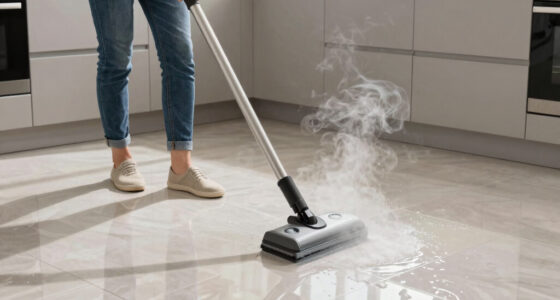
Modern steam cleaners often feature adjustable steam levels and temperature controls, making them appear safer and more manageable. However, these technological improvements don’t fully address the inherent vulnerabilities of limestone. Even with precise controls, the high temperatures—often exceeding 200°F—can still cause micro-etching and dulling of the surface. These tiny scratches and surface dullness aren’t always immediately visible but gradually diminish the stone’s natural luster and can lead to a worn appearance over time.
Furthermore, if the limestone isn’t perfectly sealed, or if the sealant deteriorates, even a low steam setting can allow moisture to seep in. This seepage can cause internal damage, such as efflorescence or surface delamination. It’s akin to wearing a raincoat with tiny holes—initially protective, but not foolproof. The risk is compounded because many homeowners might assume that modern steam cleaners are safe by default, leading them to overuse or misuse the equipment without understanding the long-term consequences. Recognizing that technological advancements don’t eliminate the fundamental risks encourages a more cautious and informed approach to cleaning limestone floors.
As an affiliate, we earn on qualifying purchases.
What Are Better Ways to Keep Limestone Floors Clean and Beautiful?
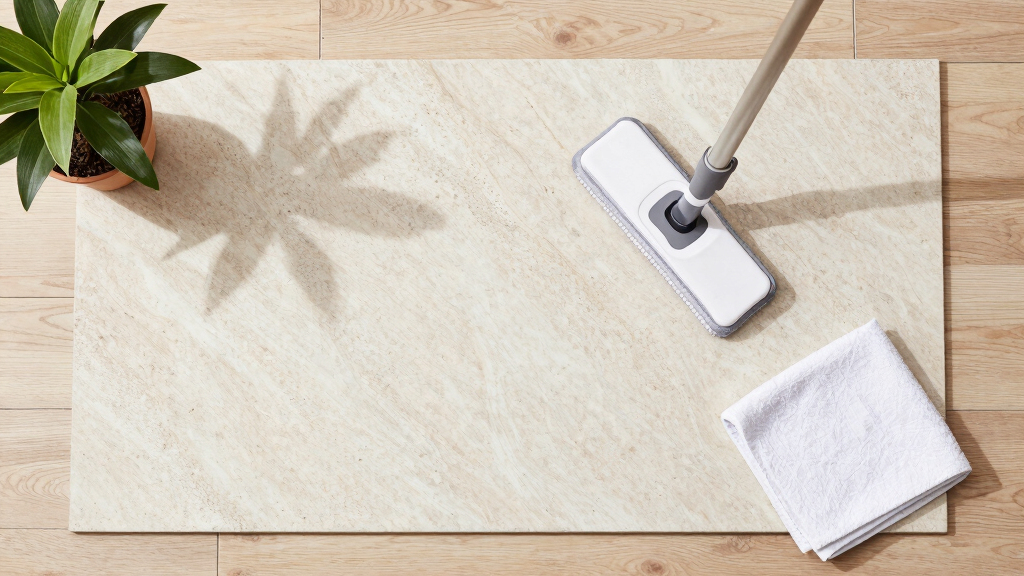
If you want to preserve the natural beauty of limestone, gentle cleaning is your best bet. Think of it as giving your floors a spa treatment—calm, careful, and soothing. This approach minimizes the risk of penetrating moisture or scratching the surface, thereby extending the lifespan and maintaining the stone’s aesthetic appeal.
Here’s a simple step-by-step:
- Sweep regularly to remove dirt and grit—like brushing crumbs off a table, preventing abrasive particles from scratching the surface during cleaning.
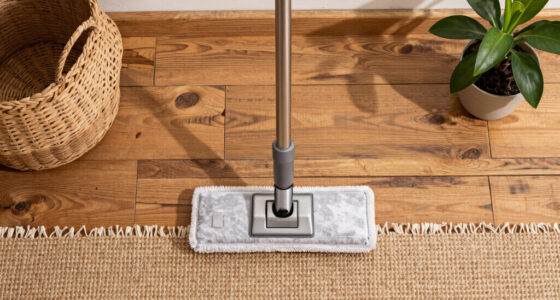
- Use a damp mop with a pH-neutral, stone-safe cleaner—this maintains the stone’s natural pH balance, preventing etching or dulling caused by acidic or alkaline substances.
- For stubborn stains, consult a professional before trying harsh chemicals or abrasive tools, which can cause surface damage or discoloration.
- Seal the limestone properly to create a protective barrier—this reduces porosity and helps resist stains, but remember, even sealed stone requires gentle care to prevent damage from moisture and chemicals.
For instance, a homeowner in Florida used a soft microfiber mop with a specialized stone cleaner. Her floors stayed glossy without any etching or water spots, demonstrating that careful, consistent cleaning preserves both beauty and integrity over time. This method emphasizes the importance of understanding your stone’s needs and choosing cleaning routines that enhance longevity rather than risking deterioration.
As an affiliate, we earn on qualifying purchases.
Frequently Asked Questions
Is steam mopping safe for limestone floors?
Most experts advise against it because high heat and moisture can seep into the porous stone, causing staining, discoloration, or cracking. Even sealed limestone isn’t entirely safe from damage.What’s the best way to clean limestone floors without risking damage?
Use a soft mop with a pH-neutral, stone-safe cleaner. Regular sweeping and prompt spill cleanup also help maintain the surface without introducing excess water or heat.Can I use a steam cleaner if my limestone is sealed?
While sealing offers some protection, many professionals still recommend avoiding steam cleaning. If you choose to try, do so with very low steam settings and test in a hidden spot first.How do I know if my limestone floor is getting damaged?
Look for white deposits, discoloration, or a dull, scratched surface. Early signs mean you should stop water or steam use immediately and seek professional advice.What’s the safest cleaning routine for limestone floors?
Sweep regularly, use a damp mop with a neutral cleaner, seal the stone properly, and clean spills quickly. Avoid high heat, harsh chemicals, and abrasive tools.natural stone floor maintenance products
As an affiliate, we earn on qualifying purchases.
As an affiliate, we earn on qualifying purchases.
Conclusion
Think of your limestone floors as a delicate musical instrument—beautiful, but needing careful handling. Steam mopping might seem tempting for a quick sparkle, but it risks turning that beauty into a costly repair. Instead, choose gentle, stone-friendly cleaning methods that preserve your floors’ natural charm.
Remember: a little care goes a long way. Keep your limestone looking pristine by respecting its porous nature and avoiding high heat and excess moisture. Your floors will thank you for it, shining softly like sunlit stones—timeless and true.
Halloween Picks
halloween
As an affiliate, we earn on qualifying purchases.