TL;DR

Get cleaning gear delivered free with Prime
- Fast, free delivery on millions of items
- Prime Video, Amazon Music and more included
- Member-only deals all year
Steam mops use high heat and moisture, which can soften or peel waxed floors, risking permanent damage. Always check manufacturer guidance and opt for gentle cleaning methods instead.
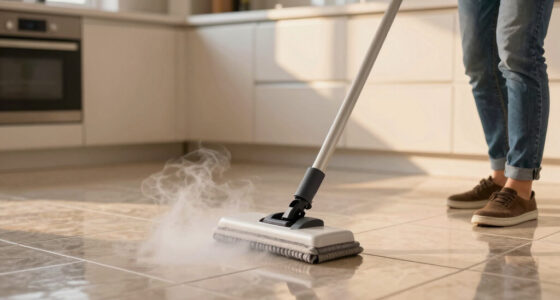
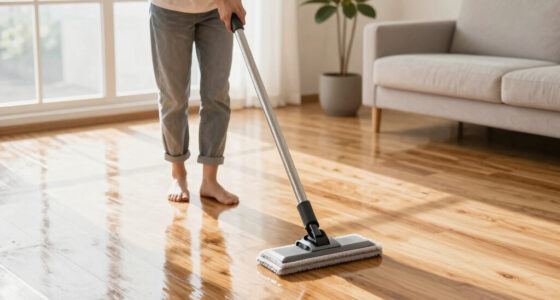
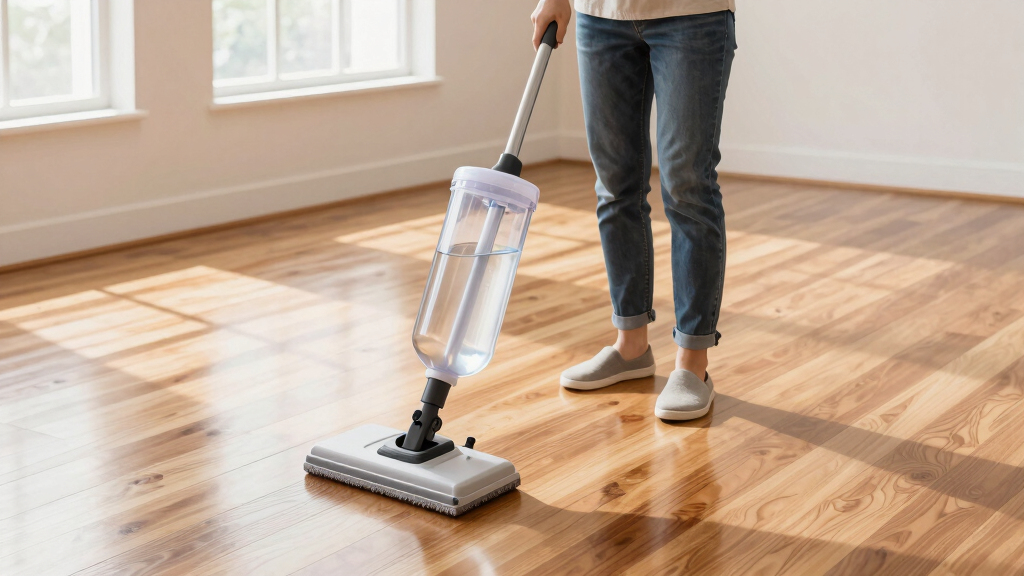
Imagine your favorite waxed hardwood floor shimmering under warm light, its glossy surface inviting you to walk barefoot. Now picture a steam mop gliding across that same surface, releasing hot steam with every pass. That contrast highlights a common mistake: using a steam mop on waxed floors can spell trouble.
This guide will explain exactly why steam mops and waxed floors don’t mix—and what you should do instead. If you want to keep your floors looking vibrant and damage-free, understanding the risks is your best first step.
Steam mops generate high heat and moisture that can soften or peel waxed floors, causing permanent damage.
Always check your flooring manufacturer’s instructions before using any steam cleaning device.
Regular sweeping and damp mopping with neutral cleaners are safer for maintaining waxed floors.
Test cleaning methods on hidden areas to avoid costly repairs later.
If damage occurs, re-wax or refinish the affected area and consult flooring professionals if needed.
Steam Mops and Waxed Floors: A Dangerous Combination?
TL;DR: Steam mops use high heat and moisture, which can soften, peel, or discolor waxed floors. Check manufacturer guidance first, then choose gentler methods that preserve the shine instead of gambling with the finish.
Heat softens wax
Steam can penetrate the protective layer and leave dull, lifted, or uneven patches behind.
Damage may lag
Peeling, bubbling, and discoloration can appear after repeated passes or moisture exposure.
According to the Steam Mop List, heat and moisture from steam mops can cause wax layers to soften, peel, or discolor, leading to costly refinishing or replacement.
Why the combination fails
A waxed floor depends on a thin protective coat for shine and moisture resistance. Steam cleaning attacks that coat with heat plus water, the two forces wax handles poorly.
Softening
Very hot vapor can soften wax the way an iron can damage delicate fabric. The surface may lose its polished feel before obvious peeling appears.
Lifting
Steam adds water to a finish designed for controlled damp cleaning. Moisture can seep under weak spots and make the wax bubble or lift.
Dullness
Once the wax layer is compromised, the floor becomes more exposed to scratches, stains, and longer-term moisture damage.
Steam damage chain
The danger is not just one bad pass. Repeated heat and moisture can turn a glossy protective finish into an expensive refinishing job.
Steam hits
High-temperature vapor lands on the wax layer.
Wax weakens
Heat softens the coating while moisture enters seams or worn areas.
Finish fails
Dull patches, bubbling, peeling, or discoloration begin to show.
Repair grows
The fix may shift from re-waxing to sanding, refinishing, or replacement.
Cleaning method comparison
For waxed floors, the safest option is usually low moisture, soft tools, and products made for the finish. Steam sits at the opposite end of that spectrum.
| Method | Wax safety | Moisture control | Best use | Verdict |
|---|---|---|---|---|
| Steam mop | ✗ | High heat and vapor | Some sealed, non-wax floors only | Skip for waxed wood |
| Damp mop plus neutral cleaner | ✓ | Controlled dampness | Routine cleaning | Best everyday choice |
| Soft broom or vacuum | ✓ | No added moisture | Grit removal | Use frequently |
| Heavy wet mop | ~ | Too much water | Not recommended for wax | Use only wrung-out damp mops |
| Professional refinishing | ✓ | Expert controlled process | Peeling, dullness, or deep finish damage | Call when damage spreads |
Safer care plan
Treat a waxed floor like a delicate finish, not a waterproof surface. The goal is to remove grit and soil without melting or flooding the protective layer.
Top 3 safe cleaning tips
- 1Use a soft broom or vacuum to remove dirt and grit before it scratches the surface.
- 2Damp mop with a pH-neutral cleaner designed for waxed floors, then wring the mop well.
- 3Test any new product or cleaning method in a hidden area before using it across the room.
Damage signals to inspect
If a steam mop has already been used, inspect the area closely under good light. Early action can limit the repair before moisture and abrasion make the problem worse.
Dull patches
The glossy surface looks cloudy, flat, or uneven where steam passed repeatedly.
Bubbling edges
Small raised spots suggest moisture has reached or lifted part of the wax layer.
Peeling finish
Wax starts to separate from the floor, especially near seams, worn paths, or corners.
Discoloration
Darkened or pale patches can mean the protective barrier has been compromised.
Traceability chain
Identify finish
Confirm whether the floor is waxed, sealed, untreated, or modern coated.
Read guidance
Check manufacturer instructions before using any heat-based cleaner.
Test hidden spot
Look for dulling, lifting, or tackiness before cleaning visible areas.
Clean gently
Use soft sweeping and neutral damp mopping with minimal moisture.
Repair early
Re-wax small trouble spots or call a flooring professional for wider damage.
Why Steam Mops Are a Bad Idea for Waxed Floors
Steam mops use very hot steam to sanitize and clean. But that heat penetrates into the wax layer, which is meant to protect and shine the wood. When exposed to high heat and moisture, wax can soften, melt, or peel off.
Imagine trying to iron a delicate silk shirt—too much heat ruins it. The same principle applies to waxed floors. The wax layer acts like a protective coat that’s sensitive to steam, risking dullness or peeling if you’re not careful.
Many flooring manufacturers warn against using steam cleaners on waxed surfaces. Their concern is simple: the damage might be invisible at first but will become obvious over time—dull patches, peeling, or discoloration.
Understanding this is crucial because once the wax is compromised, the floor’s natural beauty and protective barrier are lost. This can lead to increased vulnerability to scratches, stains, and moisture damage, ultimately requiring costly refinishing or complete replacement. The tradeoff is clear: the convenience of steam cleaning often outweighs the risk of long-term damage if you ignore these warnings.
neutral floor cleaner for hardwood
As an affiliate, we earn on qualifying purchases.
As an affiliate, we earn on qualifying purchases.
Recent Warnings and How Modern Floors Are Different
Over recent years, more manufacturers and cleaning experts have issued warnings about steam cleaning on waxed floors. They point out that heat and moisture weaken the wax’s protective barrier, leading to long-term damage.
While some newer flooring finishes are designed to withstand steam, traditional wax coatings remain vulnerable. For example, a classic hardwood floor with a wax finish can deteriorate after just a few steam passes—sometimes visible as dull patches or peeling spots.
Understanding these differences is vital because it highlights the importance of knowing your floor’s specific finish. Modern sealants and coatings are often formulated to resist moisture and heat better, but wax remains a delicate finish. Using steam on floors with such finishes can accelerate wear and tear, reducing their lifespan and aesthetic appeal. Always consult your flooring manufacturer’s guidelines—doing so can save you from costly repairs and preserve the integrity of your floors over time.
As an affiliate, we earn on qualifying purchases.
How to Spot Damage from Steam on Your Waxed Floor
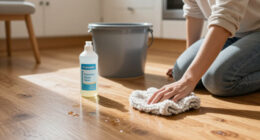
If you’ve used a steam mop and worry about damage, look for signs like dullness, bubbling, or peeling patches. These are clear signals that the wax layer has been compromised.
For example, you might notice a dull spot where the shine used to be bright, or small bubbles forming along the edges of the finish. Sometimes, damage isn’t immediately obvious—so inspect carefully, especially in areas where you’ve used the steam mop more frequently.
Early detection is key because once the wax is damaged, the floor becomes more susceptible to moisture infiltration, staining, and scratches. Acting swiftly—such as reapplying wax or seeking professional refinishing—can prevent further deterioration. Recognizing these signs also helps you understand the importance of choosing the right cleaning methods moving forward, ensuring your floors remain protected and beautiful for years to come.
As an affiliate, we earn on qualifying purchases.
The Top 3 Safe Cleaning Tips for Waxed Floors
Protecting your waxed floors starts with gentle cleaning. Here are three practical tips:
- Use a soft broom or vacuum: Regular sweeping removes dirt and grit that can scratch the surface.
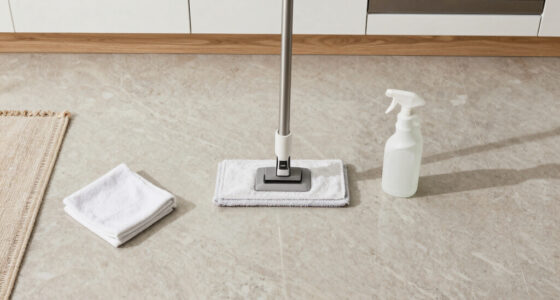
- Damp mop with a neutral cleaner: Mix a pH-neutral cleaner designed for waxed floors and avoid soaking the mop. Wring it out well before cleaning.
- Test before deep cleaning: Always try a small, hidden patch first to see how the finish reacts. If it dulls or peels, switch to a different method.
Think of cleaning your waxed floors like caring for a delicate silk scarf—gentle, consistent care preserves their beauty and extends their lifespan. Using the right tools and cleaning solutions minimizes the risk of damaging the wax layer, maintaining the floor’s shine and protective qualities over time.
As an affiliate, we earn on qualifying purchases.
Frequently Asked Questions
Can I use a steam mop on a waxed floor?
Generally, no. Most experts advise against using steam mops on waxed or untreated wooden floors because the heat and moisture can soften or peel the wax, causing damage over time.What are the risks of using a steam mop on waxed floors?
Risks include melting or softening the wax, peeling, discoloration, and permanent damage to the finish. Damage might not be immediate but can worsen with time.How can I clean my waxed floors safely?
Use a soft broom or vacuum regularly, then damp mop with a neutral, pH-balanced cleaner. Avoid soaking the mop and test any new cleaning method in a hidden area first.Are there floors safe for steam cleaning?
Some sealed, non-wax finishes and modern flooring materials are compatible with steam cleaning. Always verify with the manufacturer before proceeding.What should I do if I accidentally used a steam mop on my waxed floor?
Inspect the damage—look for dull patches or peeling. Early intervention, such as re-waxing or refinishing, can help restore the surface. If damage is extensive, consulting a flooring professional will ensure proper repair and help maintain your floor’s longevity.Conclusion
Using a steam mop on waxed floors is a gamble that often favors damage. Protect your investment by sticking to gentle, recommended cleaning methods—your floors will thank you.
Imagine that glossy shine, intact and inviting. Keep it that way by choosing safe, effective cleaning routines instead of risking costly repairs. Your floors deserve careful treatment—don’t let steam be the unwelcome guest.
Fall Picks
fall essentials
As an affiliate, we earn on qualifying purchases.