
TL;DR

Get cleaning gear delivered free with Prime
- Fast, free delivery on millions of items
- Prime Video, Amazon Music and more included
- Member-only deals all year
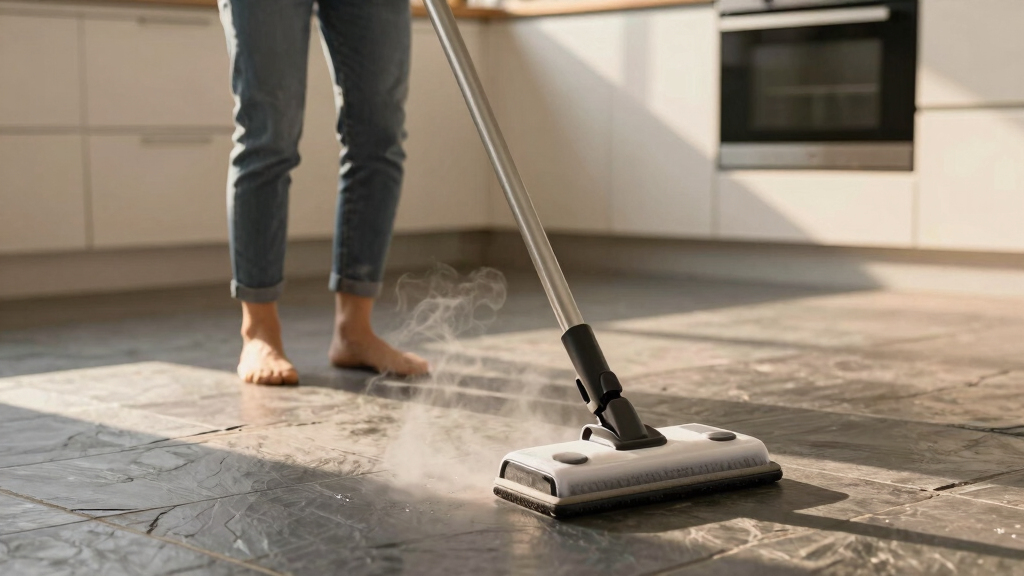
Steam mops can clean slate floors if the surface is sealed. Unsealed slate risks damage from excess moisture, so traditional cleaning methods are safer unless proper precautions are taken.
Imagine your slate floor shining, dust-free, after a quick pass with your steam mop. But before you grab that device, pause. Not all slate is created equal, and steam cleaning can turn into a costly mistake if you’re not careful. In this guide, you’ll learn whether your slate can handle steam, what risks lurk, and how to clean it safely—saving you time, money, and potential damage.
Whether you love the sparkle of natural stone or want a quick fix for stubborn dirt, understanding your slate’s sealing status and the right cleaning approach is key. Let’s cut through the hype and get real about steam mops on slate floors.
Always test your slate’s sealing status before using a steam mop.
Sealed slate floors can tolerate steam cleaning with low or medium heat, but unsealed floors are safer with traditional methods.
Regular sealing extends your slate floor’s lifespan and reduces risks from moisture.
Modern steam mops with adjustable settings can be safer, but caution remains essential.
When in doubt, consult your flooring supplier or manufacturer for specific guidance.
Can You Steam Mop Slate Floors? Here’s the Catch
TL;DR: Steam mops can clean slate floors if the surface is sealed. Unsealed slate risks damage from excess moisture, so traditional cleaning methods are safer unless proper precautions are taken.
Slate can look beautifully polished after a quick pass, but steam cleaning becomes risky when moisture slips into the stone’s pores. The decision starts with one question: is the floor sealed?
Low or medium steam, quick movement, and no lingering over one spot.
If drops soak in quickly, treat the slate as unsealed and skip steam.
Sealing creates the moisture barrier that makes cautious steam cleaning possible.
Beading means likely sealed; soaking means higher risk.
Adjustable steam is safer than fixed high heat.
Use dry sweeping and gentle damp mopping instead.
Periodic sealing extends protection and floor life.
Steam is not the villain. Unprotected slate is.
Sealed slate can often tolerate careful steam cleaning. Unsealed slate behaves more like a sponge, absorbing moisture that can trigger stains, discoloration, cracking, or surface deterioration.
Sealed slate
Use a modern steam mop on low or medium, keep it moving, and follow the flooring manufacturer’s guidance.
Unknown seal
Run the water-drop test before cleaning. If the result is unclear, choose a pH-neutral damp mop.
Unsealed slate
Avoid steam. Moisture can penetrate tiny pores, causing hidden damage that may appear weeks later.
Moisture Risk Spectrum
Before steam touches stone, make it earn permission.
This simple chain keeps the cleaning choice tied to the floor’s actual condition, not the steam mop’s marketing promise.
Clear grit
Sweep or vacuum first so debris does not scratch the stone during mopping.
Drop water
Place a few drops on the slate and watch whether they bead or soak in.
Choose method
Steam only if sealed; otherwise use a well-wrung microfiber mop and pH-neutral cleaner.
Protect finish
Re-seal periodically with a breathable natural-stone sealer to reduce future moisture risk.
Traditional cleaning vs. steam cleaning on slate
Convenience matters, but slate rewards restraint. The safest method depends on sealing status, steam control, and how much moisture the stone can resist.
| Method | Suitability | Best for | Pros | Cons |
|---|---|---|---|---|
| Regular sweeping | ✓ High | All slate | Removes grit before scratches happen | Does not remove sticky residue |
| Damp microfiber mop | ✓ High | Sealed or unsealed slate | Gentle, controlled moisture, easy upkeep | Slower than steam cleaning |
| Steam mop on sealed slate | ~ Conditional | Confirmed sealed floors | Fast, sanitizing, low chemical use | Still risky if heat or moisture is excessive |
| Steam mop on unsealed slate | ✗ Avoid | Not recommended | Convenient in theory | Moisture can stain, warp, crack, or deteriorate stone |
Best trusted routine
- 1 Sweep loose dirt and abrasive debris.
- 2 Mop with a well-wrung microfiber cloth.
- 3 Use pH-neutral cleaner made for natural stone.
- 4 Re-seal when water no longer beads.
Modern steam mop cautions
Adjustable steam settings and sealed systems can reduce risk, but they do not make unsealed slate safe. Keep the mop moving, avoid high heat, and verify your model is suitable for natural stone.
The catch is moisture control from start to finish.
Every good slate-cleaning decision connects surface condition, tool choice, and long-term protection.
Water test
Shows whether moisture beads or penetrates.
Seal status
Determines whether steam is even an option.
Steam setting
Low or medium only, with constant movement.
Cleaner choice
pH-neutral beats harsh chemicals for stone.
Re-sealing
Restores the barrier before wear becomes damage.
Reader questions, answered plainly
When in doubt, consult your flooring supplier or manufacturer for advice specific to your slate and sealer.
Can I use a steam mop without sealing first?
No. Unsealed slate absorbs moisture easily, raising the risk of stains, warping, cracking, and long-term surface damage.
How do I know if slate is sealed?
Place a few drops of water on the surface. If the water beads up, it is likely sealed. If it soaks in quickly, treat it as unsealed.
What steam mop features matter?
Look for adjustable steam control, low or medium settings, and manufacturer guidance that specifically allows use on sealed natural stone.
Why is sealing worth it?
Sealing creates a protective barrier against water and dirt, reducing moisture penetration and helping slate stay durable and attractive.
Can You Use a Steam Mop on Slate Floors? The Quick Answer
The short answer: it depends. Sealed slate can often handle gentle steam cleaning, but unsealed slate risks absorbing moisture, leading to stains, warping, or cracking. Think of sealing as a protective shield—without it, moisture seeps in where it shouldn’t.
For example, if your slate floor was sealed during installation, you might cautiously consider a steam mop. But if it’s unsealed, traditional damp mopping with pH-neutral cleaner is safer. Always check your surface’s sealing status first.
best steam mop for sealed slate floors
As an affiliate, we earn on qualifying purchases.
As an affiliate, we earn on qualifying purchases.
How to Check if Your Slate Floor Is Sealed — Easy Test
- Drop a few small drops of water on the slate surface.
- Watch how the water behaves—does it bead up or soak in?
- If it beads up, your slate is probably sealed; if it soaks in quickly, it’s unsealed.
This simple trick helps you decide whether steam cleaning is a safe bet. Remember, sealing can be reapplied if needed, offering extra protection for future cleaning. It’s important to understand that sealing isn’t just about preventing water stains; it also influences how your slate reacts to cleaning methods. A sealed surface acts like a barrier, reducing moisture penetration and thereby minimizing the risk of damage during cleaning. Conversely, unsealed slate is more vulnerable because moisture can seep into tiny pores, causing long-term issues like staining or structural damage. Knowing your sealing status guides you to choose the safest cleaning approach, balancing cleanliness with preservation of your natural stone’s integrity.
As an affiliate, we earn on qualifying purchases.
The Risks of Steam Mopping Unsealed Slate Floors
Using a steam mop on unsealed slate is like pouring water on a sponge—moisture can penetrate deep, causing staining, discoloration, or even cracking over time. Imagine a thirsty sponge swelling and warping—this is what excess moisture can do to unprotected slate.
One real-world example: a homeowner who used a steam mop on their unsealed slate found dark stains developing within weeks. Once damage occurs, it’s costly and sometimes irreversible.
The key takeaway: avoid steam mops on unsealed slate unless you’re prepared for risks. The reason is that moisture trapped beneath the surface doesn’t just cause immediate stains; it can also weaken the stone’s structure over time. This hidden damage might not be immediately visible but can lead to costly repairs or replacement later. The tradeoff is clear: while steam mops offer convenience and sanitation, they can compromise the longevity of unprotected slate, making traditional cleaning methods a safer choice for unsealed surfaces to prevent long-term damage.
As an affiliate, we earn on qualifying purchases.
Best Cleaning Methods for Slate Floors You Can Trust
- Regular sweeping to remove loose dirt and debris.
- Damp mopping with a well-wrung microfiber cloth and pH-neutral cleaner.
- Spot cleaning with gentle solutions for stains.
- Re-sealing your slate periodically to maintain protection.
For sealed slate, a damp mop with a mild cleaner keeps the surface shiny without risking moisture intrusion. For unsealed, stick to dry cleaning methods or consult a flooring expert. The choice of cleaning method directly impacts the longevity of your slate. Using harsh chemicals or excessive moisture can degrade the stone’s surface or its sealant, if present. Proper maintenance not only preserves the appearance but also prevents long-term issues like staining or structural damage. Re-sealing is crucial because it restores the protective barrier, especially after cleaning or if the existing sealant shows signs of wear. Investing in regular upkeep ensures your slate remains both beautiful and durable for years to come.
adjustable steam mop for delicate floors
As an affiliate, we earn on qualifying purchases.
As an affiliate, we earn on qualifying purchases.
Modern Steam Mops: Are They Safer for Natural Stone?
Newer steam mops feature adjustable steam controls and sealed systems, making them somewhat safer for delicate surfaces like natural stone. For example, models with variable steam settings let you dial down the heat and moisture, reducing the risk of damage.
Some manufacturers now claim their sealed systems prevent excess moisture from escaping, but always verify whether your specific model is suitable for natural stone. Remember: even with the best tech, cautious use is key. The significance of these advancements lies in their ability to offer more control, which can mitigate some risks associated with steam cleaning. However, technology alone doesn’t eliminate the need for proper technique. Over-reliance on features like sealed systems may give a false sense of security, leading to careless use that still risks damaging your natural stone. Therefore, understanding your equipment and applying cautious practices remain essential for preserving your slate’s integrity.
Sealing Your Slate Floor: Why It’s Worth Doing
Sealing creates a barrier that prevents water and dirt from penetrating the stone. Think of it as waterproofing your floor—a must if you want to use steam or avoid staining.
For example, a homeowner who sealed their slate before using a steam mop reported fewer worries about moisture damage. Sealing is typically a quick process but can extend the life of your floor significantly. It’s a critical step because it directly influences how your slate responds to cleaning. Proper sealing reduces the risk of moisture-related issues, which are among the most common causes of damage from steam cleaning. When choosing a sealer, opt for a breathable, high-quality product designed for natural stone, ensuring that moisture can’t become trapped beneath the surface while still allowing the stone to breathe, preventing long-term damage.
Comparison: Traditional Cleaning vs. Steam Cleaning on Slate
| Method | Suitability | Pros | Cons |
|---|---|---|---|
| Traditional Damp Mopping | High for all slate, especially unsealed | Gentle, safe, easy | Requires more effort, slower |
| Steam Mopping | Only on sealed slate, with caution | Quick, disinfects, minimal effort | Potential for damage if unsealed or used improperly |
This table clarifies which cleaning method suits your floor’s sealing status. When in doubt, stick with traditional damp mopping on unsealed surfaces.
Frequently Asked Questions
Can I use a steam mop on my slate floor without sealing it first?
It’s not recommended. Unsealed slate absorbs moisture easily, risking stains, warping, or cracking. Seal your slate first or stick to gentle, traditional cleaning methods.How do I know if my slate is sealed or unsealed?
Perform a simple water test: place a few drops of water on the surface. If it beads up, it’s likely sealed. If it soaks in quickly, it’s probably unsealed. Re-sealing is a good idea if you want to clean with steam safely.What are the real dangers of using a steam mop on slate?
Excess moisture can penetrate unsealed slate, causing stains, discoloration, or even cracking. Over time, repeated steam cleaning on unprotected surfaces can severely damage your floor.Should I seal my slate floor before or after steam cleaning?
Seal your floor before using a steam mop. Sealing adds a protective barrier that helps prevent moisture from seeping in, making steam cleaning safer and more effective.Are there steam mops specifically made for natural stone?
Some newer models feature adjustable steam settings and sealed systems designed for delicate surfaces. Always check the manufacturer’s recommendations for your specific floor type.Conclusion
Steam mops aren’t a one-size-fits-all solution for slate floors. The secret lies in knowing whether your surface is sealed—because that’s what makes all the difference. When used carefully on sealed slate, a steam mop can be a handy tool. But on unsealed surfaces, traditional cleaning methods are your best bet.
Picture your slate gleaming, free of dirt and damage, thanks to smart cleaning choices. Your floors deserve respect—treat them gently, and they’ll reward you with years of beauty.
Halloween Picks
halloween
As an affiliate, we earn on qualifying purchases.