
TL;DR

Get cleaning gear delivered free — and shop member deals
- Fast, free delivery on millions of items
- Access to Prime Big Deal Days deals on October 6–7
- Prime Video, Amazon Music and more included
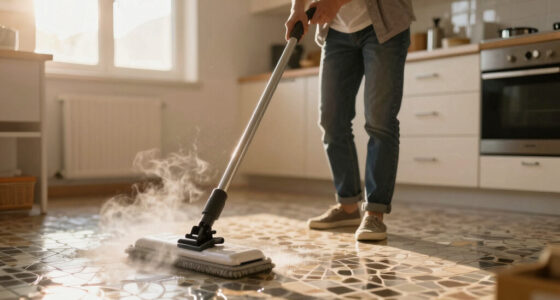
Steam mopping travertine tile can cause damage if not done carefully, especially due to its porous nature. Use low heat, minimal moisture, and stone-specific cleaning methods to keep your tiles safe.
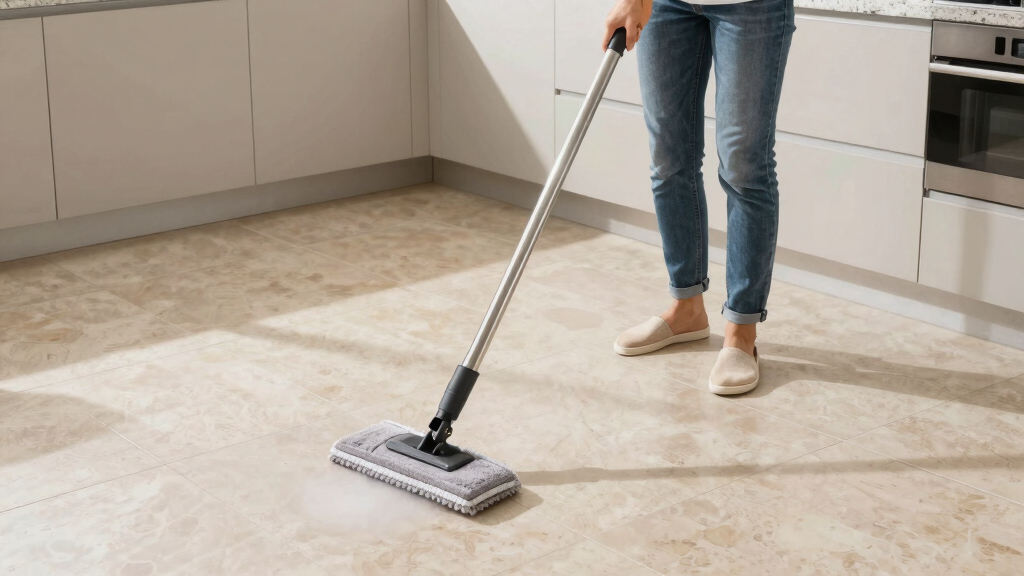
Imagine the gleam of freshly cleaned travertine, the smooth coolness under your feet. Now, picture a steaming mop gliding over it—can it clean without etching? It’s a common question among homeowners who want clean floors but worry about damaging delicate surfaces. This guide cuts through the myths and shows you how to handle steam cleaning on natural stone.
If you’re considering using a steam mop on your travertine tiles, understanding the risks and best practices is essential. You’ll learn whether it’s safe, how to minimize damage, and what alternatives work better. Let’s walk through what really matters when it comes to keeping your stone beautiful and intact.
Always check with the tile manufacturer or a stone care expert before using a steam mop on travertine.
Use the lowest steam setting and keep the mop moving to minimize moisture absorption and heat damage.
Test on a small, hidden area first, and wait 24 hours to check for any adverse effects.
Opt for damp mopping with a pH-neutral stone cleaner as a safer alternative to steam cleaning.
Regular maintenance—like sweeping and gentle cleaning—preserves your travertine’s beauty longer.
What Makes Travertine So Vulnerable to Damage?
Travertine is a natural stone, a type of limestone filled with tiny pores. It contains calcium carbonate, which reacts badly to acids and harsh chemicals. That means common cleaners—vinegar, lemon juice, or even some soaps—can etch the surface, dulling its natural beauty. The porous surface also absorbs moisture, leading to staining or even cracking if water gets trapped.
Imagine spilling coffee on your travertine and not cleaning it immediately. The stain seeps in, and over time, that dull patch becomes a permanent blemish. That’s why gentle, pH-neutral cleaning is key.
Understanding these vulnerabilities is crucial because they highlight the importance of careful cleaning. The porous nature means water and moisture can penetrate below the surface, which may cause internal damage or promote mold growth if not properly managed. Acidic cleaners dissolve calcium carbonate, creating etch marks that mar the natural finish. The implications are significant: improper cleaning can lead to costly repairs or replacement, and even seemingly harmless methods like steam mopping may exacerbate these issues if misused.
pH-neutral stone floor cleaner for travertine
As an affiliate, we earn on qualifying purchases.
As an affiliate, we earn on qualifying purchases.
Can You Safely Use a Steam Mop on Travertine? Yes, But With Conditions
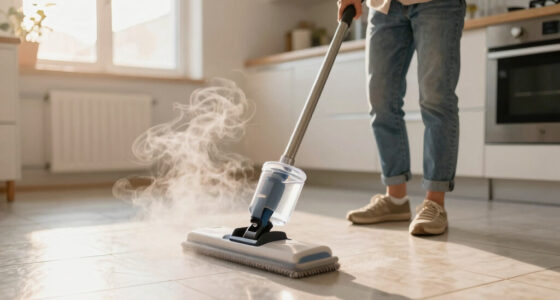
Steam mopping travertine isn’t outright forbidden, but it’s not universally safe either. If your steam mop is designed for natural stone, with adjustable steam levels and sealed chambers, it can be used cautiously. Always check the manufacturer’s guidelines first. The reason is that even with the best equipment, the inherent porosity of travertine means moisture can still penetrate if not careful, leading to potential long-term damage.
For example, a homeowner with a sealed, well-maintained travertine floor might use a low-heat setting, moving the mop constantly to avoid prolonged contact in one spot. This helps distribute heat and moisture evenly, reducing the risk of localized micro-damage. However, if the tile is unsealed or has existing cracks, steam can seep into the pores and exacerbate vulnerabilities, causing etching or internal damage that isn’t immediately visible but compromises the integrity of the stone over time.
The key is understanding that steam’s heat and moisture can penetrate porous surfaces. Even if the steam itself isn’t acidic, the high temperature and moisture levels can cause micro-damage, especially if used improperly. This is why cautious, informed use—guided by manufacturer advice and an understanding of your specific tiles—is essential to avoid unintended harm.
adjustable steam mop for natural stone
As an affiliate, we earn on qualifying purchases.
As an affiliate, we earn on qualifying purchases.
How to Steam Mop Travertine Without Etching: 5 Practical Tips
- Use the lowest steam setting: Turn down the heat to reduce moisture penetration and prevent micro-damage. High heat can cause expansion and contraction in the stone, leading to microcracks over time.
- Keep the mop moving: Never stay in one spot longer than a second or two. This disperses heat and moisture evenly, preventing localized saturation that can lead to etching or swelling.
- Test first: Try the steam mop on a small, hidden area of your floor. Wait 24 hours to observe any changes, such as discoloration or surface dulling. This step helps you gauge how your specific tiles respond to steam.
- Limit steam contact: Focus on the tile surface, avoiding grout lines and seams where water can seep in. Excess moisture in these areas can cause grout deterioration or internal tile damage.
- Follow with a dry cloth: Wipe the surface after steaming to absorb residual moisture and prevent water from soaking into the pores. This extra step helps minimize moisture retention that could lead to long-term issues.
If in doubt, switch to safer alternatives like damp mopping with a pH-neutral stone cleaner or microfiber cloths. These methods are gentler, reduce the risk of etching, and are often more effective at maintaining the stone’s natural beauty over time.
sealed system steam mop for travertine
As an affiliate, we earn on qualifying purchases.
As an affiliate, we earn on qualifying purchases.
Frequently Asked Questions
Is steam cleaning safe for all types of travertine tiles?
Not all travertine tiles are the same. Sealed, well-maintained tiles are more resistant, but unsealed or cracked tiles risk micro-damage from steam. Always check with the manufacturer or a stone expert before proceeding.Will steam cleaning etch or damage my travertine?
It can if you use high heat, keep the steam in one spot too long, or if the tile is unsealed or damaged. Proper technique—like low settings and quick passes—reduces this risk. Understanding the implications helps you make informed decisions to protect your investment.What are the best cleaning products for travertine?
Choose pH-neutral, stone-safe cleaners. Avoid vinegar, lemon, or any acidic solutions, as they can dissolve calcium carbonate and cause dull spots. Using the right products preserves the stone’s natural luster and prevents costly repairs.Can I use a regular steam mop on travertine?
Only if it’s specifically designed for natural stone with adjustable steam levels and sealed chambers. Otherwise, it’s safer to avoid steam mopping altogether to prevent micro-damage and moisture infiltration.Are there safer alternatives to steam mopping?
Yes. Damp mopping with a pH-neutral stone cleaner, or simply sweeping regularly, are safer and still very effective for keeping travertine clean without risking damage or etching.As an affiliate, we earn on qualifying purchases.
Conclusion
Steam mopping travertine is a gray area. It’s not outright impossible, but it’s risky without proper precautions. The safest route? Stick with gentle, stone-specific cleaning methods that respect the porous, sensitive nature of natural stone.
Remember, your tiles aren’t just aesthetic—they’re a natural resource. Treat them with care, and they’ll stay beautiful for decades to come. When in doubt, consult a professional—your floors will thank you.
Halloween Picks
halloween
As an affiliate, we earn on qualifying purchases.