TL;DR
Steam mops introduce moisture that can seep into vents and damage flooring or electrical systems. Using caution, following manufacturer guidance, and drying thoroughly reduce risks. When in doubt, opt for safer cleaning methods around vents.
Always check if your flooring and vents are sealed and moisture-resistant before steaming near vents.
Use low steam settings and keep the mop at a safe distance—avoid direct contact with vent covers.
Thoroughly dry the area after steaming, especially around vents, to prevent mold growth.
For old or poorly sealed vents, opt for manual cleaning or sealing upgrades instead of steam cleaning.
Follow manufacturer instructions and test in hidden areas first to prevent costly damage.
Is It Safe to Steam Mop Around Floor Vents?
Steam can deliver a satisfying deep clean, but moisture does not always stay on the surface. Near registers, it may slip through gaps, swell porous flooring, encourage mold, or reach concealed electrical components.
Where steam becomes a hidden problem
Heat is not the primary concern. The real issue is moisture finding an entry point and remaining where airflow, wiring, adhesives, and porous materials meet.
Swelling & warping
Unsealed hardwood and laminate can absorb moisture at seams and cut edges, producing raised boards, weakened adhesive, or permanent distortion.
Electrical infiltration
Moisture entering a register cavity may reach wiring, powered dampers, sensors, or nearby connections, increasing short-circuit and failure risk.
Concealed mold
Damp gaps around vents can stay out of sight. Poor ventilation and humid conditions give mold and mildew an opportunity to establish within 24–48 hours.
Can your floor handle it?
A suitable surface does not automatically make the vent safe. Check the floor, perimeter seal, cover condition, appliance guidance, and drying environment together.
Five-point pre-steam check
Read the flooring warranty and care instructions before introducing steam.
Look for gaps, loose screws, cracked sealant, corrosion, or lifted flooring edges.
Treat powered registers, floor outlets, sensors, and visible wiring as no-steam zones.
Use minimal moisture and watch for darkening, edge lift, haze, or finish changes.
Open windows or position a fan before starting, especially in humid rooms.
Floor-by-floor risk guide
Even a moisture-resistant floor becomes a concern when the register is loose or poorly sealed. The vent condition is the final gatekeeper.
| Floor type | Moisture tolerance | Risk near vents | Steam approach | Safer fallback |
|---|---|---|---|---|
| Sealed tile | ✓ High | ✓ Low if sealed | Low steam; avoid cover | Microfiber cloth |
| Vinyl | ✓ High | ~ Low–medium | Brief passes only | Damp mop |
| Sealed hardwood | ~ Variable | ~ Medium–high | Only if approved | Wood-safe cleaner |
| Unsealed hardwood | ✗ Low | ✗ High | Avoid steam | Dry or barely damp cloth |
| Laminate | ✗ Low | ✗ High | Avoid seams and vents | Approved laminate cleaner |
| Carpet + padding | ~ Not comparable | ✗ Hidden moisture risk | Do not steam-mop | Vacuum and spot clean |
Five steps for safer cleaning
If both the flooring and vent pass inspection, control the amount, direction, and duration of moisture—and start drying immediately.
Confirm manufacturer approval and test an inconspicuous area first.
Select the lowest steam setting or delicate-area mode.
Keep the mop away from the cover and never direct steam into openings.
Clean the final perimeter with a microfiber cloth or damp sponge.
Use airflow, inspect by touch, and leave no visible or hidden dampness.
Open windows, run fans, or use a dehumidifier. Recheck the vent perimeter and floor seams by touch.
Old or poorly sealed vents change the answer
Cracks, loose covers, rust, porous edges, and uncertain wiring turn a routine cleaning task into an avoidable moisture hazard.
The moisture-to-damage chain
Common homeowner questions
The safest decision comes from combining material compatibility, vent condition, manufacturer guidance, and fast drying.
Can I mop right next to a vent?
Only when the floor is moisture-resistant and the register is tightly sealed. Do not pass directly over the cover or openings.
Will steam damage hardwood?
It can. Unsealed wood, worn finishes, board seams, and cut edges may absorb moisture and swell. Follow the flooring maker’s guidance.
Should I cover the vent?
A temporary moisture barrier may help during nearby cleaning, but it must be removed immediately afterward and the area fully dried.
What if the vent has wiring?
Do not introduce steam near exposed, uncertain, or poorly protected electrical components. Use a dry or lightly damp manual method.
What is the safest alternative?
Vacuum first, then use a microfiber cloth with a small amount of compatible cleaner. This keeps moisture controlled and visible.
How do I know it is dry?
Inspect visually and by touch around the cover, seams, and edges. Continue airflow if any coolness, darkening, or dampness remains.
Why Steam Mops Can Be Risky Near Floor Vents
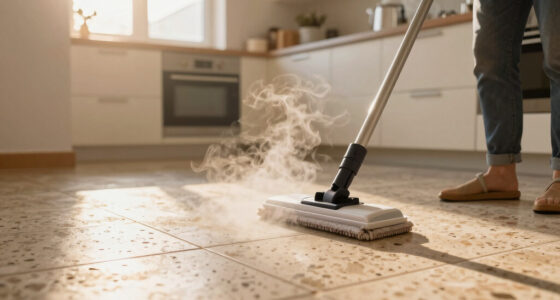
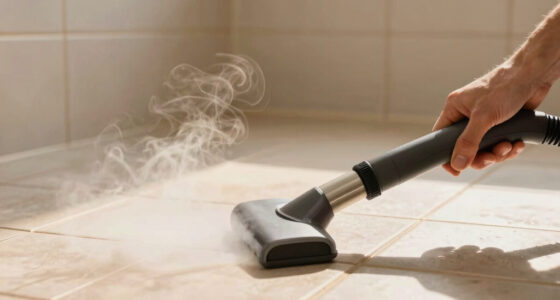
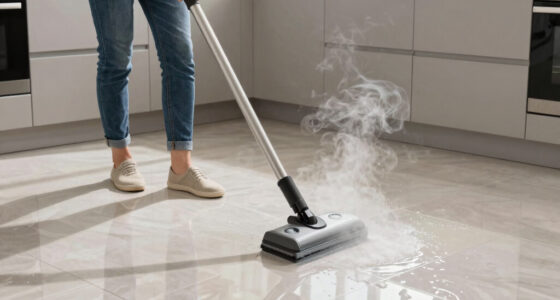
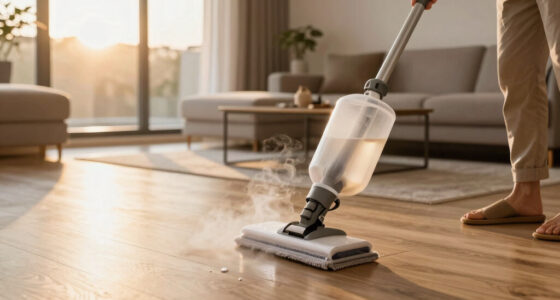
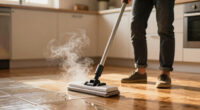
Steam mops release hot, moist air designed to clean and disinfect floors. But that moisture doesn’t stay put. When used near floor vents, especially those with gaps or unsealed edges, steam can sneak into areas it shouldn’t.
Imagine a gentle trickle of water seeping into a tiny crack—over time, that moisture can cause swelling, warping, or even mold growth. This isn’t just a minor inconvenience; it can compromise the structural integrity of your flooring and create health hazards. Unsealed wood or laminate absorbs water, leading to permanent damage that might require costly repairs or replacement. Moreover, moisture that penetrates into electrical wiring within vents can cause short circuits or electrical failures, risking safety hazards like fires. Therefore, understanding the implications of moisture infiltration helps you weigh the convenience of steam cleaning against potential long-term damage.

Shark Steam Mop for Sealed Hard Floors with 2 Dirt Grip Pads, White, S1000
- Chemical-Free Sanitization: Removes grease with steam only
- Removable Water Tank: Easy to refill for continuous cleaning
- Lightweight Design: Under 5 lbs for easy handling
As an affiliate, we earn on qualifying purchases.
As an affiliate, we earn on qualifying purchases.
How to Spot If Your Floor and Vents Are Safe for Steam Cleaning
Before reaching for your steam mop near a vent, check your floor’s material and vent seals. But beyond simple visual inspection, it’s crucial to understand why these factors matter. Sealed, moisture-resistant flooring like vinyl or sealed tile can withstand some steam, but unsealed wood or laminate are far more vulnerable because they readily absorb water, leading to warping or swelling that compromises your flooring’s lifespan. Similarly, well-sealed vents with tight covers prevent moisture from entering electrical components or creating hidden mold colonies. Gaps or cracks in vent covers act like open invitations for moisture to seep in unnoticed, which can result in slow, insidious damage. Conducting a simple test—dampening a cloth and pressing it near the vent—can reveal whether moisture will penetrate the area. If the cloth absorbs water or the fabric darkens, it indicates that moisture could infiltrate during steaming, and you should avoid that spot or take additional precautions. Always follow manufacturer instructions for your flooring and appliances, as they often specify which cleaning methods are safest. When in doubt, consulting a professional or testing in a concealed corner can prevent costly mistakes.

4×10 Floor Register, Gray Adjustable Air Vent Covers for Home Floor, 8-Pack
- Designed for 4×10 inch openings: Fits 4×10 inch floor openings with specific dimensions
- Rust-resistant and durable: Coated to resist corrosion and made from ABS
- Adjustable airflow louvers: Easily control airflow direction and noise
As an affiliate, we earn on qualifying purchases.
As an affiliate, we earn on qualifying purchases.
Best Practices for Steam Cleaning Near Vents Without Risks
Want to keep your floors clean without risking damage? Here are five practical tips:
- Use a steam mop with adjustable steam levels—set to low or for delicate areas.
- Maintain a safe distance—don’t press the mop directly onto the vent covers.
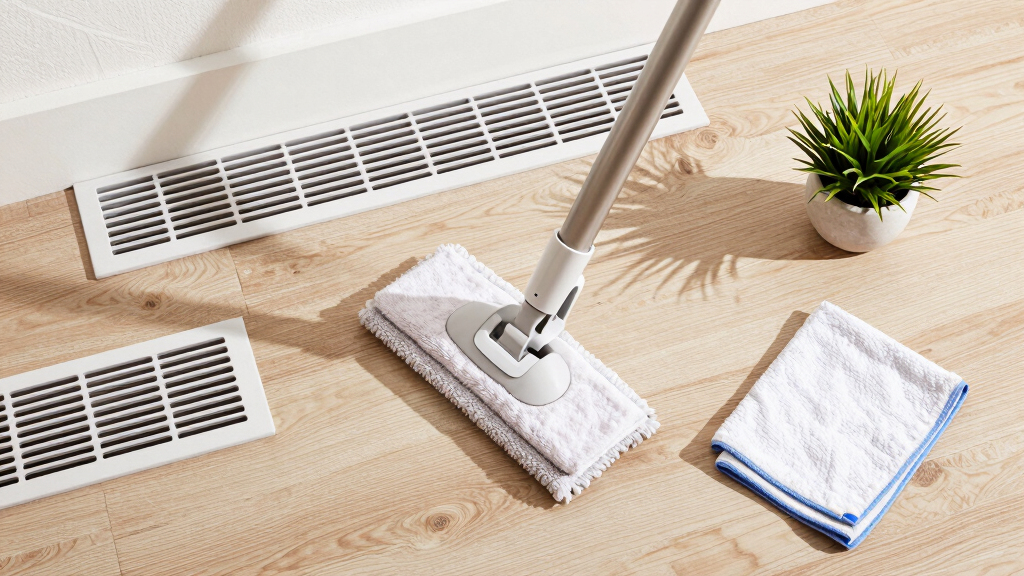
- Use a microfiber cloth or a damp sponge for precise cleaning around vents.
- Cover vents temporarily with painter’s tape or plastic sheeting during steaming, then remove and dry thoroughly afterward.
- After steaming, open windows or use fans to dry the area completely within 30 minutes.
By following these steps, you minimize moisture infiltration and reduce the risk of mold or structural damage. For example, in a home with hardwood floors and exposed vents, these precautions prevent moisture from seeping into gaps or wiring cavities. Remember, the key is to limit direct contact and ensure rapid drying. Always test your technique first in a hidden area, and don’t rush the drying process—proper airflow and time are essential to prevent long-term issues.

12 Pcs Microfiber Detail Duster Sticks Fan Cleaning Brush Crevice Cleaning Tool AC Vent Cleaner Mini Split Cleaning Kit Fan Blade Cleaner Dusters for Cleaning Home Car Window Blind(Multicolors)
- Set Includes 12 Dusters: Six colors, two of each
- Ideal Size for Cleaning: 26.5cm length, 1.5cm width
- High-Quality Materials: Microfiber bristles and wooden sticks
As an affiliate, we earn on qualifying purchases.
As an affiliate, we earn on qualifying purchases.
Comparing Steam Cleaning Risks on Different Floor Types
| Floor Type | Moisture Tolerance | Risk Level Near Vents |
|---|---|---|
| Sealed Tile/Vinyl | High | Low |
| Unsealed Hardwood | Low | High |
| Laminate | Low | High |
| Carpet (with padding) | Not applicable | N/A |
This comparison highlights that floors with high moisture resistance can handle steam better, but unsealed or porous floors are more vulnerable. Even then, vents with gaps or cracks pose a significant risk regardless of surface type because moisture can seep into underlying structures or wiring, causing damage and mold growth that might not be immediately visible. Recognizing these differences helps you make informed decisions about when and where to steam, and underscores the importance of sealing and maintaining vents for safer cleaning practices.

Buzzlett 4-Pack Complete Airflow Seal Rubber Vent Cover for Floor, Wall & Ceiling Vents, Home & RV Air Registers, 4 x 10
As an affiliate, we earn on qualifying purchases.
As an affiliate, we earn on qualifying purchases.
What To Do When Your Home Has Poorly Sealed or Old Vents
If your home’s vents are old or poorly sealed, steam cleaning nearby can lead to moisture damage or electrical hazards. The porous or cracked covers allow water to infiltrate behind walls or into wiring cavities, which can cause long-term damage and safety risks. In these situations, it’s safer to skip steaming directly around the vents and opt for manual cleaning methods such as damp cloths or soft brushes. These methods limit moisture exposure and allow you to clean thoroughly without risking infiltration into hidden spaces. Regular maintenance—like sealing or replacing old vents with moisture-resistant covers—can significantly reduce future risks and make cleaning safer. When in doubt, hiring a professional to assess and improve vent sealing can save money and prevent damage over time. Properly sealed vents not only protect your home but also expand your cleaning options, making steam mopping a safer choice in the long run.
Why Proper Drying Is the Secret to Safe Steam Cleaning
After steaming, drying is just as important as cleaning. Moisture trapped under or around vents can turn into mold within 24-48 hours, especially in humid environments. This isn’t just a minor inconvenience; it can lead to health issues and costly repairs. The presence of residual moisture creates an ideal environment for mold spores to settle and grow, potentially affecting indoor air quality and your family’s health. To prevent this, use fans, open windows, or set up dehumidifiers to facilitate rapid drying. Visually inspect and physically check the area—touch the floor and around vents to ensure no dampness remains. In climates with high humidity, this step becomes even more critical. For example, after steaming a laminate floor near a vent, waiting at least 30 minutes with proper airflow ensures the moisture evaporates fully. Skipping this step can result in unseen damage, long-term mold growth, and health risks, making thorough drying an essential part of safe steam cleaning practices.